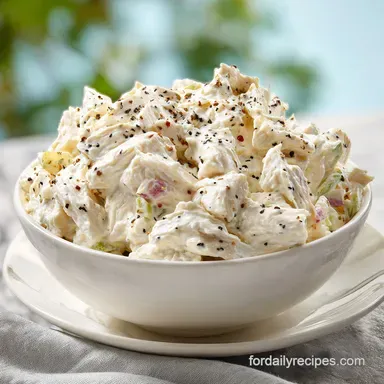
Chicken Salad: Creamy and Heritage Style
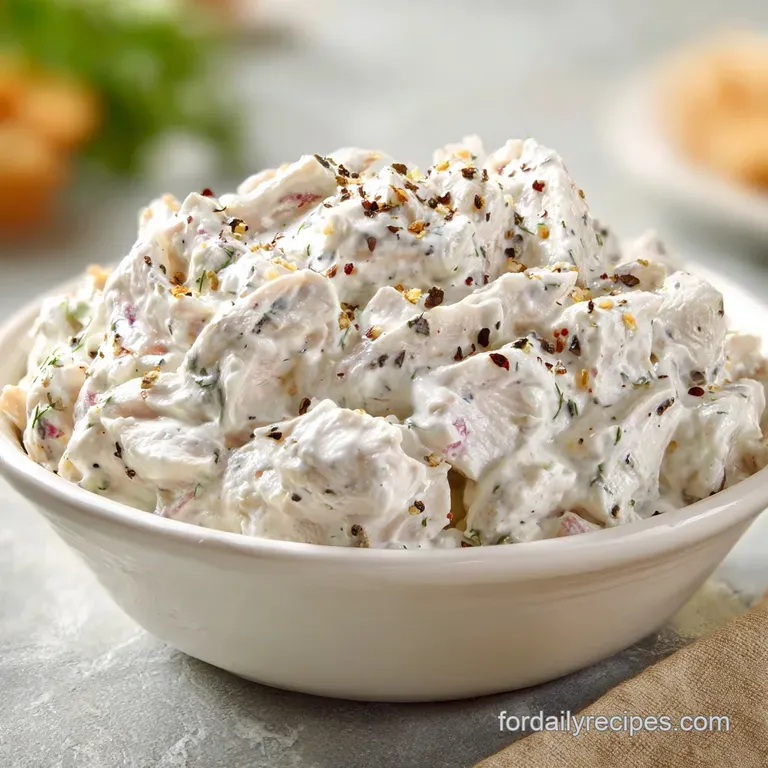
- Time:15 minutes active + 0 minutes cook = Total 15 minutes
- Flavor/Texture Hook: Velvety creamy dressing with a sharp celery snap
- Perfect for: Weeknight meal prep or a timeless family picnic
- The Secret to a Velvety Chicken Salad
- Quick Breakdown of This Classic Lunch
- The Balance of Tang and Fat
- Gathering the Fresh Heritage Elements
- Simple Tools for the Best Mix
- Step-by-Step Guide to Mixing
- Saving Your Salad from Common Errors
- Troubleshooting Common Issues
- Adjusting the Batch Size
- The Truth About Salad Prep
- Keeping it Fresh and Waste Free
- Twists to Make it Yours
- Sides and Pairings That Just Work
- Recipe FAQs
- 📝 Recipe Card
The Secret to a Velvety Chicken Salad
The first thing that hits you isn't the chicken, but that bright, citrusy scent of fresh lemon juice hitting the bowl. Then comes the sound, that distinct snap of finely diced celery that tells you the textures are exactly where they need to be.
For me, this dish is less about a recipe and more about a memory of my grandmother's kitchen, where the "secret" was always in how the dressing was whisked before it ever touched the meat.
I spent years thinking the only way to get that creamy consistency was to load up on mayonnaise. But that just left the salad feeling heavy and flat. The real hero here is the Greek yogurt.
It introduces a lactic tang that cuts through the fat of the mayo, creating a lightness that allows the honey and Dijon to actually shine through. It transforms the dish from a simple lunch into something with actual depth.
Trust me on this: the way you prep the chicken changes everything. If you over process it into a paste, you lose the heart of the dish. We're going for a mix of textures here, something that feels substantial but melts into that velvety dressing. Let's crack on and get this together.
Quick Breakdown of This Classic Lunch
When you're prepping for a crowd, the biggest headache is usually figuring out if you have enough protein to keep everyone full. Since this is a dense, protein rich salad, a little goes a long way, especially if you're serving it on a thick slice of toasted sourdough or tucked into a wrap.
I've found that for a standard lunch, about a cup of salad is plenty. But for a main dinner event, you'll want to bump that up. The balance of the dressing is key here, so if you're scaling, keep your ratios tight to ensure that the tang of the yogurt doesn't overpower the sweetness of the honey.
| Servings | Chicken Amount | Dressing Volume | Pan/Bowl Size |
|---|---|---|---|
| 2 People | 1.3 cups | ~0.3 cup | Medium Bowl |
| 6 People | 4 cups | 1 cup | Large Mixing Bowl |
| 12 People | 8 cups | 2 cups | Extra Large Basin |
Right then, it's important to remember that since there's no cooking involved in the assembly, your only "real" time investment is the chopping. If you have your chicken pre cooked and chilled, you can honestly have this on the table in under 15 minutes.
The Balance of Tang and Fat
The reason this specific combination of ingredients works isn't magic, it's just basic balance. Most salads fail because they are either too acidic (making them taste like vinegar) or too fatty (making them feel greasy). We're creating a bridge between those two extremes.
- The Acid Bridge: Lemon juice and Greek yogurt break down the heavy lipids in the mayonnaise, preventing that "filmy" feeling on the roof of your mouth.
- The Emulsion Stabilizer: Dijon mustard contains mucilage, which helps the oil from the mayo and the water from the lemon juice stay bound together in a silky sauce.
- The Sweet Contrast: A small amount of honey doesn't make the salad "sweet," but it rounds off the sharp edges of the red onion.
- The Textural Contrast: The water content in celery provides a cooling, crisp counterpoint to the dense protein of the chicken breast.
| Ingredient | Science Role | Pro Secret |
|---|---|---|
| Greek Yogurt | Lactic Acid Provider | Use full fat for a smoother, less "grainy" texture |
| Dijon Mustard | Natural Emulsifier | Whisk it into the mayo first to prevent separation |
| Honey | Flavor Rounder | Warm it for 5 seconds if it's too thick to whisk |
| Lemon Juice | Brightness Agent | Strain out the pulp to keep the dressing velvety |
By layering these flavors, we ensure that no single ingredient dominates. You get the richness first, followed by a zesty lift, and finally a clean, crisp finish from the parsley and celery.
Gathering the Fresh Heritage Elements
For the protein, I always suggest using chicken breast that has been chilled completely. If the meat is even slightly warm, it will melt the fats in the mayonnaise, and you'll end up with a watery mess instead of a cohesive salad.
I've tried using rotisserie chicken, which is a great shortcut, but be careful with the skin. I prefer removing the skin for this specific recipe to keep the texture clean and focused on the creamy binding. If you're looking for a different way to use chicken in your meal prep, you might enjoy my Chicken Tostadas, which offer a completely different, crispy contrast.
The Core Components:
- 4 cups (600g) cooked chicken breast, shredded or cubedWhy this? Lean protein that absorbs the dressing without adding extra grease
- 1/2 tsp (3g) kosher saltWhy this? Diamond Crystal is my go to for better control
- 1/4 tsp (1g) cracked black pepper
- 1/2 cup (120g) mayonnaiseWhy this? Provides the essential fatty base for a velvety mouthfeel
- 1/2 cup (120g) plain Greek yogurtWhy this? Adds the critical tang and lightens the overall calorie load
- 1 tbsp (15ml) fresh lemon juiceWhy this? Fresh is non negotiable; bottled juice tastes like chemicals
- 1 tsp (5ml) Dijon mustardWhy this? Adds a sophisticated, sharp depth that plain mustard lacks
- 1 cup (100g) celery, finely dicedWhy this? The primary source of the "snap" in every bite
- 1/4 cup (40g) red onion, mincedWhy this? Provides a spicy, pungent bite to contrast the honey
- 2 tbsp (8g) fresh parsley, choppedWhy this? Adds a clean, herbaceous finish
- 1 tbsp (15ml) honeyWhy this? Balances the acid of the yogurt and lemon
| Original Ingredient | Substitute | Why It Works |
|---|---|---|
| Greek Yogurt (1/2 cup) | Sour Cream (1/2 cup) | Similar tang and fat content. Note: Slightly less protein and a richer feel |
| Red Onion (1/4 cup) | Green Onion (1/2 cup) | Milder flavor. Note: Lacks the sharp "bite" of red onion |
| Honey (1 tbsp) | Maple Syrup (1 tbsp) | Similar viscosity and sweetness. Note: Adds a subtle woody note |
| Mayonnaise (1/2 cup) | Avocado Oil Mayo (1/2 cup) | Same function. Note: Neutral flavor, often perceived as "healthier" |
Honestly, don't even bother with low-fat mayo or non fat yogurt if you can avoid it. You lose the velvety texture that makes this dish a classic. The fat is what carries the flavor of the Dijon and the lemon.
Simple Tools for the Best Mix
You don't need a fancy kitchen setup for this, but using the right tools prevents you from over working the ingredients. The goal is to coat the chicken, not to mash it into a paste.
I always use a large stainless steel or glass mixing bowl. Plastic can sometimes retain smells from previous meals, and since this salad is so fresh, you don't want any lingering aromas. A rubber spatula is your best friend here.
Unlike a metal spoon, which can tear the chicken and crush the celery, a spatula allows you to gently fold the dressing in.
For the dressing itself, a small whisk and a ramekin are perfect. Whisking the mayonnaise and yogurt together separately ensures that the lemon juice is fully incorporated before it hits the chicken. This prevents "lemon pockets" where one bite is way too sour.
Step-by-step Guide to Mixing
The beauty of this recipe is the simplicity, but the order of operations matters. If you add the vegetables first and then the dressing, you'll spend way too much time stirring, which bruises the parsley and breaks the chicken.
- Place the cooked chicken in a large mixing bowl. Season with salt and pepper, tossing to ensure even coverage. Note: Seasoning the meat directly ensures every bite is seasoned, not just the sauce.
- In a separate small bowl, whisk together the mayonnaise, Greek yogurt, lemon juice, and Dijon mustard until the mixture is smooth and velvety.
- Pour the prepared dressing over the seasoned chicken.
- Add the diced celery, minced red onion, and fresh parsley to the bowl.
- Using a rubber spatula, gently fold the ingredients together until the chicken is fully coated and the greens are evenly distributed.
Right then, it's done. But if you have the patience, let it sit in the fridge for about 30 minutes. This allows the honey and lemon to penetrate the chicken fibers, making the flavor more cohesive.
Saving Your Salad from Common Errors
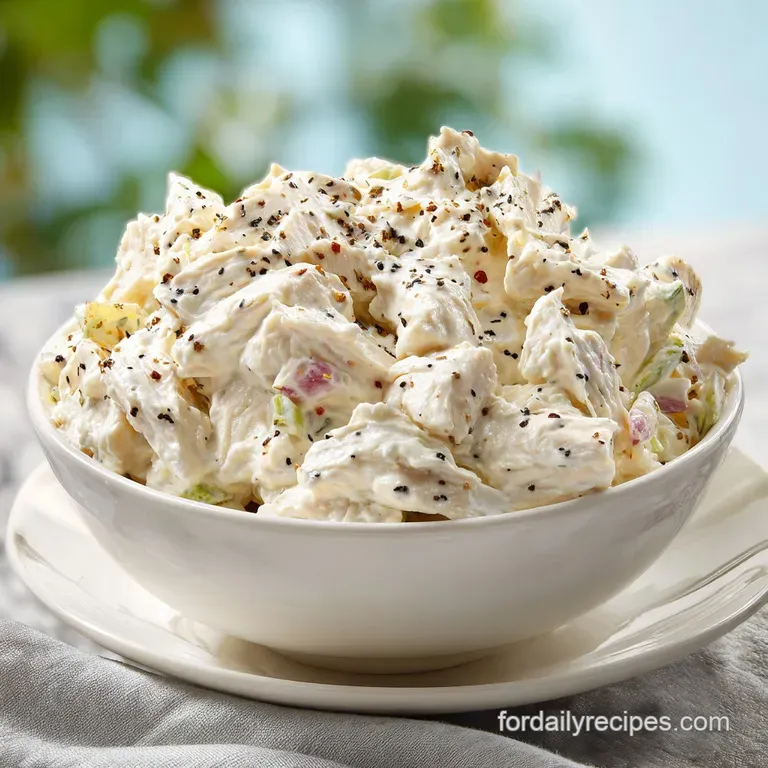
Even a simple recipe has its pitfalls. The most common issue I see is a "watery" salad. This usually happens because the celery wasn't dried properly after washing, or the chicken was still warm when the mayo was added.
Troubleshooting Common Issues
| Issue | Solution |
|---|---|
| Why Your Salad Is Too Watery | If you see a pool of liquid at the bottom of your bowl, it's likely a moisture issue. This happens when the salt draws water out of the celery or when condensation from warm chicken melts the emulsion |
| Why the Onions Are Overpowering | Red onions can be aggressive. If you find the flavor too sharp, you can soak the minced onions in cold water for 5 minutes, then pat them dry before adding. This removes the sulfurous compounds while |
| Why the Dressing Feels Grainy | This is almost always due to cold honey or cold yogurt not being fully incorporated. Ensure your dressing is whisked until completely smooth before it ever touches the chicken. The "Stay Fresh" Chec |
Adjusting the Batch Size
When you're scaling this up for a party, you can't just multiply everything by four and hope for the best. Aromatics like red onion and spices like black pepper can become overpowering if scaled linearly.
Scaling Down (Half Batch): If you're just making this for two, use 2 cups of chicken. For the honey, since 1/2 tbsp is tricky, just use a scant teaspoon. Reduce your mixing bowl size to prevent the ingredients from spreading too thin, which makes it harder to coat the chicken evenly.
Scaling Up (Double or Triple Batch): When doubling the recipe, increase the salt and pepper to only 1.5x the original amount. Start there, then taste and add more if needed. The fats (mayo and yogurt) can be doubled exactly.
If you're making a massive batch, work in two separate bowls to avoid over mixing the bottom layer while trying to reach the top.
The Truth About Salad Prep
There's a common belief that you need to sear the chicken right before adding it to the salad to "lock in flavor." In reality, the flavor in a chicken salad comes from the dressing and the cold set infusion. Searing is great for a hot meal, but for this, the cold, poached, or roasted texture is far superior.
Another myth is that you can use any yogurt. Some people try using sweetened vanilla yogurt because it's "creamy." Please, don't. The sugar profile is completely wrong, and you'll end up with a dessert flavored chicken salad that is genuinely upsetting. Stick to plain, unsweetened Greek yogurt for that authentic tang.
Finally, some say you should add the salt to the dressing. I disagree. Salting the chicken directly ensures that the protein itself is seasoned, which prevents the meat from tasting bland even when coated in a rich sauce.
Keeping it Fresh and Waste Free
Since this contains dairy and cooked poultry, you have to be careful with storage. According to USDA data, cooked chicken should be refrigerated for 3 to 4 days. I recommend storing the salad in a glass airtight container to keep the flavors from leaching into other fridge items.
Freezing: Do not freeze this salad. The mayonnaise and Greek yogurt are emulsions that will "break" when frozen, leaving you with a greasy, separated mess once thawed.
Zero Waste Tips: If you have leftover chicken stems or skin from your prep, don't toss them. Throw them in a freezer bag and use them to start a rich chicken stock.
Plus,, if you have celery leaves, chop them up and add them to the salad along with the parsley; they have a concentrated, earthy flavor that is often overlooked.
Twists to Make it Yours
Once you've nailed the base, you can start playing with the layers. If you want something a bit lighter or more modern, try my Greek Quinoa Chicken Salad, which swaps the creamy base for a vinaigrette and adds a nutty grain.
- For a crunchier bite
- Add 1/4 cup of toasted slivered almonds.
- For a fruity contrast
- Fold in 1/2 cup of halved red grapes.
- For a spicy kick
- Add 1/2 tsp of smoked paprika or a dash of sriracha.
| Style | Preparation | Texture | Best For |
|---|---|---|---|
| Fresh/Heritage | Hand cubed chicken, fresh herbs | Chunks & Snap | Sunday Brunch |
| Shortcut | Shredded rotisserie, dried parsley | Uniform & Soft | Quick Weeknight |
| Low Carb | Extra celery, no honey | Crisp & Tangy | Keto Lunch |
The difference between the fresh and shortcut methods is mainly in the "bite." Hand cubing the chicken gives you a more satisfying chew, while shredded chicken absorbs more of the dressing, making it feel softer and more integrated.
Sides and Pairings That Just Work
This salad is a powerhouse on its own, but it really sings when paired with something that provides a different temperature or texture. I love serving this on a toasted brioche bun with a leaf of crisp romaine lettuce to act as a barrier between the bread and the dressing.
If you're serving this as part of a larger spread, pair it with a sharp cheddar cheese platter or some chilled cucumber slices. The richness of the chicken salad contrasts beautifully with the acidity of pickled vegetables. For those days when you want a different style of chicken dinner entirely, you might consider something like Chicken Tostadas to switch up the flavor profile from creamy to zesty.
Right then, you've got everything you need. Just remember to keep that chicken cold, whisk your dressing until it's velvety, and don't be afraid of that Greek yogurt tang. Happy eating!
Recipe FAQs
What are the 4 main components of this chicken salad?
Cooked chicken, creamy dressing, crunchy vegetables, and fresh herbs. These four elements provide the essential balance of protein, richness, texture, and brightness.
What are the usual ingredients in this chicken salad?
Chicken breast, mayonnaise, Greek yogurt, lemon juice, Dijon mustard, honey, celery, red onion, parsley, salt, and pepper. These specific ingredients create a savory, velvety profile with a hint of sweetness.
What salad can diabetics eat?
This Greek yogurt based chicken salad is a great choice. It utilizes lean protein and probiotic rich yogurt to reduce the heavy saturated fats found in traditional mayonnaise only recipes.
What are some common mistakes to avoid when making chicken salad?
Avoid adding vegetables before the dressing or using warm chicken. Mixing dressing first prevents the parsley from bruising, while chilled meat stops the emulsion from melting and becoming watery.
How to reduce the sharpness of the red onions?
Soak the minced onions in cold water for 5 minutes. Pat them dry before adding them to the bowl to remove the aggressive sulfurous compounds.
How to stop the salad from becoming watery?
Ensure the chicken is completely cooled before mixing. Warm chicken causes the mayonnaise and yogurt emulsion to break, leading to a pool of liquid at the bottom of the bowl.
How to achieve a velvety dressing consistency?
Whisk the dressing ingredients in a separate bowl until smooth. If you enjoyed mastering this emulsion technique here, see how the same principle works in our Olive Garden Dressing.
Creamy Chicken Salad