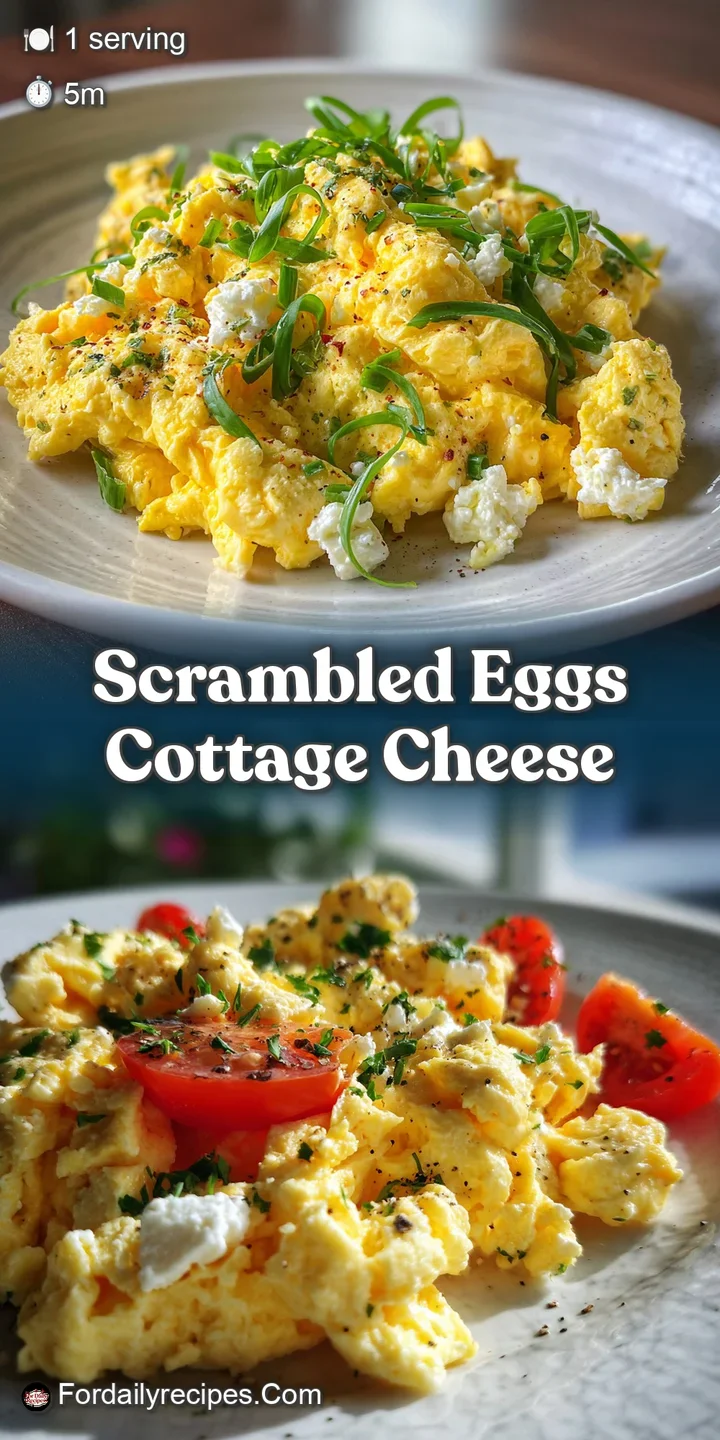
Scrambled Eggs Cottage Cheese: Silky & Tender
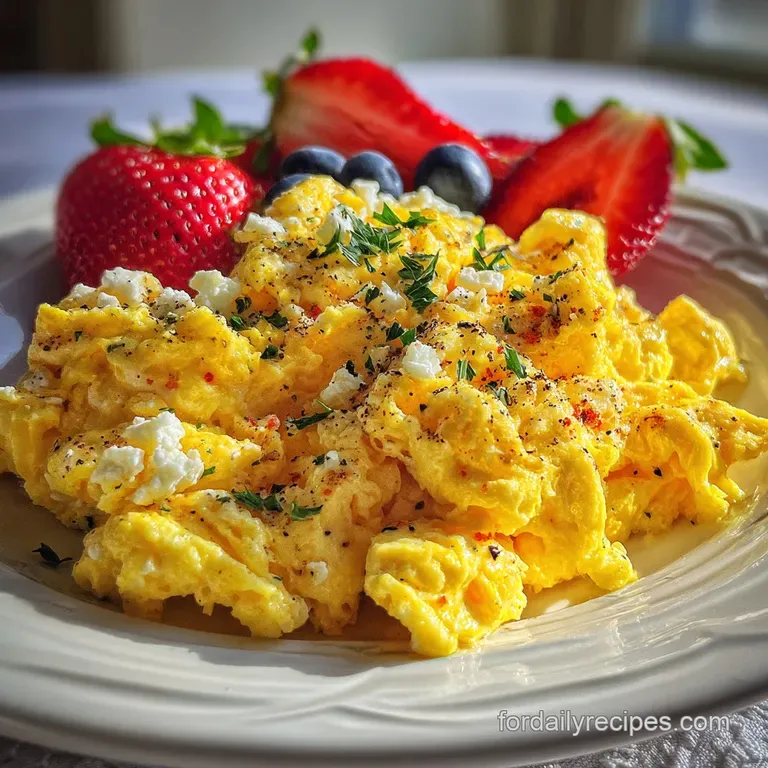
- Time: Active 2 minutes, Passive 3 minutes, Total 5 minutes
- Flavor/Texture Hook: Silky, custard like curds with a fresh, grassy finish
- Perfect for: High protein mornings or post workout recovery
- Create Better Scrambled Eggs Cottage Cheese Today
- Flavor Heritage in Every Silky Bite
- Efficiency Meets Traditional Nourishment Specs
- Wholesome Ingredients and Simple Substitutions
- Essential Tools for Gentle Cooking Success
- Mastering the Low and Slow Technique
- Fixing Common Texture and Moisture Issues
- Tailoring the Dish to Your Wellness
- Keeping Leftovers Silky and Fresh
- Perfect Sides to Honor Your Scramble
- Recipe FAQs
- 📝 Recipe Card
Create Better Scrambled Eggs Cottage Cheese Today
The first time I saw someone dollop curds into a hot pan of eggs, I thought they’d made a huge mistake. I grew up in a kitchen where eggs were sacred, whisked with just a splash of milk and cooked until they were barely set.
But when I took that first bite of Scrambled Eggs Cottage Cheese, the texture was a revelation. It wasn't just another egg dish, it was a velvety, rich experience that reminded me of the heritage of country cooking, where nothing went to waste and every ingredient served a purpose.
I’ve spent years chasing that exact consistency, making every error from watery puddles to rubbery messes. What I’ve learned is that the cottage cheese doesn't just sit there, it acts as a built in sauce that keeps the eggs from drying out.
It creates these little pockets of creamy warmth that melt against the savory bite of the spinach. It's a time honored trick that feels like a warm embrace on a chilly morning, especially when served alongside a few hot biscuits.
If you’ve struggled with dry, uninspiring breakfasts, this is the method that changes things. We aren't just making eggs, we are building a foundation of flavor that stays with you. It’s simple, humble, and deeply nourishing.
Let’s get into how we make these the star of your morning routine without any of the common pitfalls.
Flavor Heritage in Every Silky Bite
The secret to why this works so well isn't just about the extra protein, though that's a massive win. It’s about the moisture management and the way the fats interact under heat. When we cook eggs, the proteins naturally want to tighten up and push out water.
By introducing cottage cheese, we provide a buffer that keeps everything lush.
The Physics of the Built In Sauce
Steam Powered Lift: The high water content in the cottage cheese curds turns to steam as it hits the pan, puffing the egg proteins from the inside out. This creates a loftier, softer scramble than whisking alone could ever achieve.
- Protective Buffering: The milkfat in the cheese coats the egg proteins, slowing down their coagulation so you don't end up with tough, rubbery strands.
- Curd Integration: As the eggs set, the small curds of cheese become encased in the protein, creating a multi textural experience that feels much more substantial.
- Volumetric Satiety: Adding 115g of cottage cheese increases the physical volume of the meal significantly without requiring extra oil or heavy fats, helping you stay full for hours.
| Method | Cook Time | Final Texture | Best For |
|---|---|---|---|
| High Heat Flash | 1 minute | Firm, browned edges | Busy mornings on the go |
| Traditional Low Slow | 5 minutes | Custardy, uniform curds | Slow weekend brunch |
| Cottage Cheese Fold | 3 minutes | Velvety, sauce like pockets | High protein meal prep |
Cooking these eggs properly is a balance of heat and patience. If you go too fast, the cheese will weep, leaving a pool of liquid on your plate. If you go too slow, you might lose that bright, fresh flavor of the chives. Finding the middle ground is where the magic happens, much like the balance we find in a High Protein Egg recipe designed for busy weeks.
Efficiency Meets Traditional Nourishment Specs
We are looking at a very specific set of numbers to get this right. We use 2 large eggs and exactly 1/2 cup (115g) of 2% milkfat cottage cheese. This ratio is vital because it ensures the eggs can still hold their structure while being saturated with the creamy cheese.
I prefer 2% because it has enough fat to provide flavor but isn't so heavy that it weighs down the fluffiness we want.
The seasoning is minimal but critical. A pinch of sea salt and 1/8 tsp of black pepper is all you need, because the cheese itself brings a salty, tangy profile to the party. We also use 1 tsp (5g) of grass fed butter to grease the pan.
Grass fed butter has a higher smoke point and a deeper yellow hue that makes the final dish look like it came straight from a farmhouse kitchen.
Chef Tip: Freeze your butter for 10 minutes before grating it into the pan. This allows it to melt evenly and prevents the milk solids from browning too quickly before the eggs hit the surface.
Wholesome Ingredients and Simple Substitutions
The beauty of Scrambled Eggs Cottage Cheese lies in the quality of the components. I always reach for fresh baby spinach (15g) and a tablespoon of minced chives to add that bright, herbal finish. The spinach provides a subtle earthiness that cuts through the richness of the dairy.
| Component | Science Role | Pro Secret |
|---|---|---|
| 2 Large Eggs | Structural Protein | Whisk until no streaks of white remain for a uniform lift. |
| Cottage Cheese (115g) | Moisture & Satiety | Use small curd varieties for better integration into the egg matrix. |
| Grass fed Butter (5g) | Flavor & Emulsification | Melt until it stops foaming but before it starts to sizzle. |
| Fresh Chives (1 tbsp) | Aromatic Balance | Add at the very last second to preserve the delicate onion oils. |
If you find yourself missing an ingredient, don't worry. This recipe is forgiving as long as you maintain the fat to protein ratio. I often use this same logic when I'm putting together a Cottage Cheese Chicken recipe for dinner.
- Eggs: 2 large eggs. (Substitute: 1/2 cup liquid egg whites. Note: Results in a leaner, less creamy texture.)
- Cottage Cheese: 1/2 cup (115g). (Substitute: Whole milk ricotta. Note: Adds a sweeter, more grainy texture than the salty cottage cheese curds.)
- Grass fed Butter: 1 tsp (5g). (Substitute: Ghee or Avocado oil. Note: Ghee keeps the buttery flavor but is more heat stable.)
- Baby Spinach: 1/2 cup (15g). (Substitute: Finely chopped kale. Note: Needs 1 minute longer in the pan to soften properly.)
Essential Tools for Gentle Cooking Success
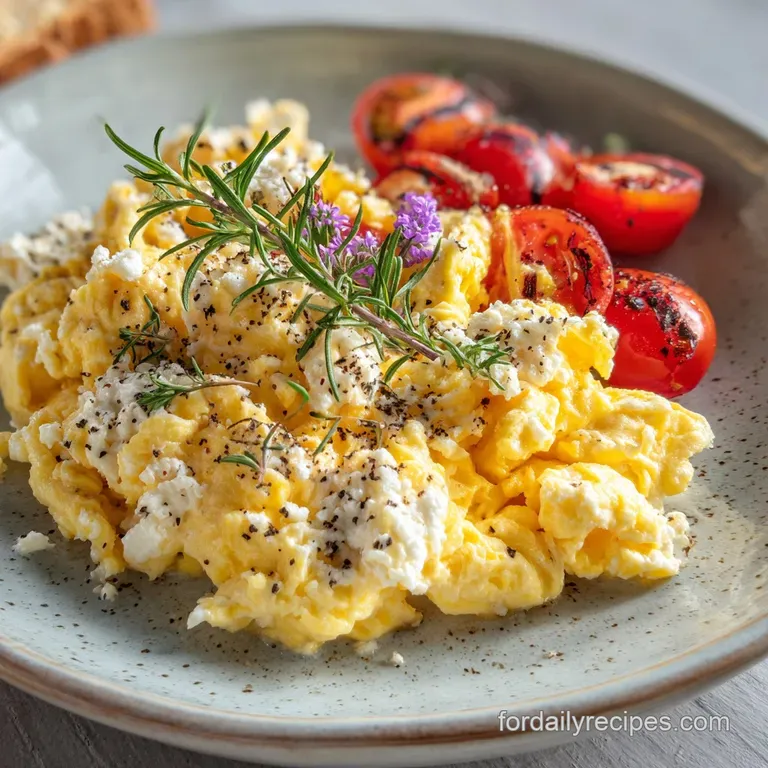
You don't need a professional kitchen to make amazing eggs, but the right pan makes a world of difference. I highly recommend a 20cm non stick skillet or a well seasoned cast iron pan.
The non stick surface is crucial here because the proteins in the cottage cheese can be quite "grabby" and stick to stainless steel like glue.
You will also need a flexible silicone spatula. Forget the metal flippers, you want something that can get into the corners of the pan and gently fold the eggs without tearing them. A small glass bowl for whisking is also helpful, as it allows you to see if the salt and pepper are fully incorporated.
Finally, make sure your chives are cut with sharp kitchen shears or a very sharp knife. If your knife is dull, you will bruise the herbs instead of slicing them, resulting in a bitter flavor and wet green spots on your cutting board.
Mastering the Low and Slow Technique
- Whisk the 2 large eggs with sea salt and black pepper in a small bowl. Note: Whisking thoroughly introduces air for a lighter finish.
- Fold the 1/2 cup (115g) of cottage cheese into the egg mixture gently.
- Warm your 1 tsp (5g) of grass fed butter in the skillet over medium low heat until it begins to foam and shimmer.
- Pour the egg and cheese mixture into the center of the pan.
- Wait for about 30 seconds until the edges start to turn opaque and set.
- Push the set eggs toward the center with your spatula, allowing the liquid portion to flow to the edges.
- Scatter the 1/2 cup (15g) of baby spinach over the top when the eggs are about 70% cooked.
- Fold the mixture gently one last time until the spinach just begins to wilt.
- Remove from heat while the eggs still look slightly "wet." Note: Carryover heat will finish the cooking on the plate.
- Garnish with the finely minced chives and serve immediately.
Chef Tip: Add a tiny splash of cold water (about half a teaspoon) to the eggs before whisking. As the water evaporates in the pan, it creates extra steam pockets for an even fluffier result.
Fixing Common Texture and Moisture Issues
One of the most frequent complaints with eggs cottage cheese is that they end up "soupy." This usually happens when the heat is too low for too long, causing the cheese to release all its whey at once.
If you see liquid pooling, turn the heat up slightly and move the eggs more frequently to encourage evaporation.
Another issue is the grainy texture. This happens if the eggs are overcooked. Egg proteins are like tiny springs, when they get too hot, they coil so tight they squeeze out all the moisture, leaving behind a rubbery, grainy mess. The goal is to stop cooking just before you think they are done. Trust the carryover heat!
Why Your Scramble Is Weeping
If your plate looks like a puddle after two minutes, the curd structure has collapsed. This is usually due to using fat free cottage cheese, which lacks the fat necessary to stabilize the emulsion. Stick to 2% or 4% for the best structural integrity.
| Problem | Root Cause | Solution |
|---|---|---|
| Watery Plate | low-fat cheese or too low heat | Use 2% milkfat and cook on medium low, not "low." |
| Tough Eggs | Overcooking or high heat | Pull the pan off the heat while eggs are still glossy. |
| Bland Flavor | Under seasoning the base | Add salt to the raw eggs, not just as a topping. |
Common Mistakes Checklist ✓ Don't use "fat free" cottage cheese; it contains stabilizers that melt into a liquid mess. ✓ Stop whisking the moment the eggs and cheese are combined to avoid breaking the curds.
✓ Preheat your pan for at least 2 minutes so the butter sizzles slightly on contact. ✓ Avoid adding the spinach too early, or it will release too much water into the eggs. ✓ Use a small pan; if the pan is too large, the eggs spread too thin and dry out instantly.
Tailoring the Dish to Your Wellness
If you are looking to modify this dish, it's quite simple. For those focusing on volume, you can increase the spinach to a full cup, which adds fiber and nutrients without changing the cook time. If you want a more "classic" flavor profile, you can swap the chives for fresh parsley or even a pinch of dried oregano.
For a heartier version, I sometimes add a tablespoon of nutritional yeast. This gives a "cheesy" boost without adding actual cheddar, keeping the texture of the Scrambled Eggs Cottage Cheese exactly where it needs to be. It’s a trick I often use in my Crustless Quiche Recipe when I want that deep, savory umami flavor.
If you prefer a spicy start, a dash of hot sauce or red pepper flakes folded in with the spinach provides a beautiful contrast to the cooling creaminess of the dairy. Just be careful not to use anything with too much vinegar, as the acid can cause the eggs to tighten up too quickly.
Keeping Leftovers Silky and Fresh
I’ll be honest, eggs are always best fresh from the pan. But if you are meal prepping, you can store these in an airtight container in the fridge for up to 3 days. The cottage cheese actually helps them stay more moist than regular scrambled eggs when reheated.
To reheat, avoid the microwave if possible. It turns the eggs into rubber. Instead, put them back in a small skillet with a tiny drop of water and cover with a lid. Heat on low for 1-2 minutes until they are warmed through. The lid traps the steam and revives the silky texture of the cheese.
For a zero waste tip, if you have the stems from your baby spinach, don't toss them! Finely chop them and sauté them in the butter for 30 seconds before adding the egg mixture. They add a lovely little crunch and extra nutrients that most people throw away.
Perfect Sides to Honor Your Scramble
These eggs are rich and velvety, so they pair best with something that has a bit of "shatter" or crunch. A thick slice of sourdough toast, buttered and toasted until golden, is the ultimate companion. The acidity of the sourdough cuts through the richness of the 2% milkfat cottage cheese perfectly.
If you’re avoiding grains, a side of sliced avocado with a squeeze of lime provides a different kind of creaminess that complements the dish. I also love serving these alongside some roasted cherry tomatoes. The burst of warm, acidic juice from the tomatoes acts as a natural sauce for the eggs.
- For the traditionalist: Two strips of crispy bacon and a toasted biscuit.
- For the wellness focused: A handful of fresh berries and a side of smoked salmon.
- For the weekend brunch: A small green salad with a lemon vinaigrette to cleanse the palate between bites.
Debunking Egg Myths
A common myth is that you should add salt only at the end to prevent the eggs from becoming tough. Science actually shows that salting the eggs about 5 minutes before cooking (or even right before whisking) helps the proteins stay separated, resulting in a more tender curd.
Another myth is that cottage cheese will make the eggs taste "sour." In reality, when cooked, the tang mellows out into a creamy, mild flavor that is barely indistinguishable from a high end cheese sauce.
This recipe is a testament to the fact that sometimes the simplest additions are the most impactful. Whether you are looking for a high protein fuel or just a comforting meal that tastes like heritage, these eggs deliver every single time.
Trust the process, keep the heat low, and enjoy the most velvety breakfast you've ever made.
Recipe FAQs
Is cottage cheese good in scrambled eggs?
Yes, cottage cheese is excellent in scrambled eggs. It adds a significant protein boost and creates an incredibly creamy, velvety texture by steaming the eggs from within, preventing them from drying out.
Can you mix cottage cheese and egg?
Absolutely, mixing cottage cheese and egg is the key to this recipe. The curds integrate into the eggs, creating pockets of creaminess and adding moisture that leads to a richer, more tender scramble.
What does Gordon Ramsay put in his scrambled eggs?
Gordon Ramsay famously emphasizes crème fraîche and a knob of butter for his scrambled eggs. He cooks them slowly over low heat, constantly stirring to create a rich, custardy texture, often adding chives at the end.
Can I substitute cottage cheese for milk in scrambled eggs?
Yes, you can substitute cottage cheese for milk, and it's often a superior choice for texture. While milk adds some moisture, cottage cheese provides significantly more creaminess and protein, resulting in a much richer and more satisfying scramble, much like the science behind our High Protein Egg recipe.
How do I prevent my cottage cheese scrambled eggs from being watery?
Use 2% or 4% milkfat cottage cheese and cook on medium low heat. Wateriness often occurs with fat-free versions or if the heat is too low, causing the whey to release excessively; ensure the pan is warm enough to evaporate excess moisture.
What is the ideal ratio of cottage cheese to eggs?
A good starting ratio is approximately 1/4 cup of cottage cheese per large egg. For instance, 2 large eggs pair well with about 1/2 cup of cottage cheese to achieve a balance of fluffiness and creamy richness.
Can I add other ingredients to cottage cheese scrambled eggs?
Yes, you can add various ingredients for flavor and nutrition. Try sautéing spinach or mushrooms before adding the egg mixture, or stir in cheese, herbs like chives or parsley, or even a dash of hot sauce for a flavor boost, similar to how we build flavor in our Philly Cheesesteak Pizza: Crispy Baked.
Cottage Cheese Scrambled Eggs
Ingredients:
Instructions:
Nutrition Facts:
| Calories | 274 kcal |
|---|---|
| Protein | 24.8 g |
| Fat | 16.2 g |
| Carbs | 5.4 g |
| Fiber | 0.3 g |
| Sugar | 3.8 g |
| Sodium | 742 mg |
