Classic Rémoulade Sauce: Zesty French Flavor Bomb
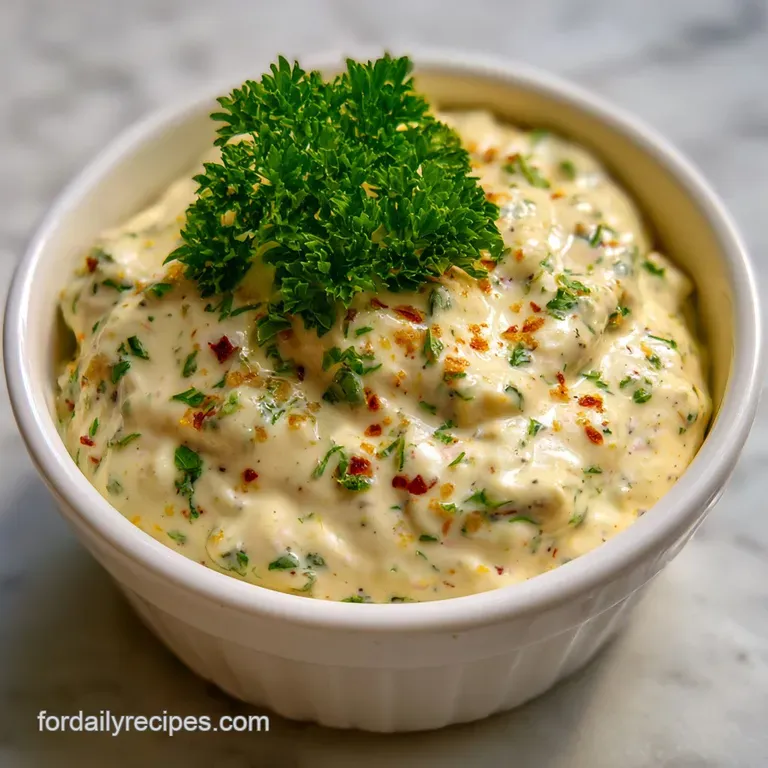
- Classic French Rémoulade: The Zesty Condiment That Elevates Everything
- The Power of Rémoulade: What Makes This Sauce Essential?
- Essential Components: Ingredients for Authentic French Rémoulade
- The Method: How to Make Rémoulade Sauce from Scratch
- Troubleshooting & Expert Secrets for a Flawless Batch
- Making Ahead and Storing: Shelf Life of Your Condiment
- Classic Pairings: What to Serve With This Flavor Bomb
- Recipe FAQs
- 📝 Recipe Card
Classic French Rémoulade: The Zesty Condiment That Elevates Everything
Oh my gosh, you guys. Stop whatever you are doing and smell this in your mind right now: bright, pungent mustard hugging creamy, cold mayonnaise, punctuated by the sharp snap of tiny pickles. That, my friends, is the glorious aroma of homemade Rémoulade Sauce .
Seriously, if you think mayonnaise is boring, you haven't met its sophisticated French cousin. This sauce is a lifesaver because it takes literally 15 minutes of chopping and whisking, requires zero stove time, and instantly transforms leftovers or simple snacks into something truly special.
We're talking next level dipping status without breaking the bank.
Forget that watery, pale stuff you get from a jar. We are cracking on with a proper, punchy Rémoulade Sauce that actually tastes like something. Let's get this zesty party started!
The Power of Rémoulade: What Makes This Sauce Essential?
Rémoulade is a cornerstone of classic French cold cuisine, showing up reliably since the 19th century. Built upon that rich, full fat mayonnaise, this sauce punches way above its weight class with layers of mustard, acid, brine, and fresh herbs. It’s like the mature, complex older sibling to tartar sauce.
Chef’s Note: If you are thinking about serving this with a seafood platter, do it. It provides that sharp, creamy contrast that cuts through richness perfectly. You need this Rémoulade Sauce in your life.
Rémoulade vs. Tartar Sauce: Understanding the Difference
The main difference is simple: depth and herbs. Tartar sauce usually sticks pretty close to mayo, pickles/relish, and maybe dill. Our Rémoulade Sauce dives deep into Dijon, tarragon, and often a tiny bit of savory anchovy or Worcestershire for backbone.
People often ask about the Rémoulade Sauce pronunciation —it’s ray-moo-lahd!
Historical Roots: A Culinary Staple Since the 19th Century
This condiment isn't new; it's been around forever, thriving because it’s so adaptable. It originated as a way to dress cold meats and fish simply. Making this robust Rémoulade Sauce at home connects you right back to those classic culinary roots.
The Flavor Profile: Robust, Tangy, and Herbaceous
What hits you first with a spoonful of this? Tang. Then comes the subtle anise note from the tarragon, rounded out by the smooth creaminess of the mayo. It hits all five tastes in a very satisfying, layered way.
The Importance of Quality Mayonnaise Base
This is where I messed up the first time I used low-fat mayo. Disaster. Since this is basically a raw sauce, the quality of your base dictates everything. Use the creamiest, full fat mayonnaise you can find.
Acid and Brine: Balancing the Dijon and Capers
The secret to a bright flavour is balancing that salty brine (from the capers and cornichons) with sharp acid (lemon and vinegar). If your Rémoulade Sauce tastes dull, add half a teaspoon more lemon juice.
The Magic of Marrying the Flavors (Why the Rest is Required)
We need all those tiny little flavour hits the paprika for colour, the cayenne for warmth, the herbs for freshness. No single ingredient overpowers the other; they work together to create the definitive French Rémoulade Sauce experience.
Essential Components: Ingredients for Authentic French Rémoulade
We need a mix of rich fat, sharp acid, salty bits, and fresh green things. Easy peasy! This rémoulade sauce recipe focuses on the core components, yielding about 1.5 cups, perfect for 12 16 servings.
| Ingredient | US Customary | Metric | Notes |
|---|---|---|---|
| Good Quality Mayonnaise (full fat) | 1 cup | 240 ml | The backbone of your sauce! |
| Dijon Mustard | 2 Tbsp | 30 ml | Smooth, potent mustard is key. |
| Fresh Lemon Juice | 1 Tbsp | 15 ml | Must be freshly squeezed. |
| White Wine Vinegar | 1 tsp | 5 ml | Adds a necessary sharp tang. |
| Cornichons (French gherkins) | 2 Tbsp | 30 ml | Finely minced. |
| Capers (drained) | 1 Tbsp | 15 ml | Roughly chopped. |
| Fresh Flat Leaf Parsley | 2 Tbsp | 30 ml | Finely chopped. |
| Fresh Tarragon | 1 tsp | 5 ml | Crucial for that classic note. |
| Anchovy Paste | 1/2 tsp | 2.5 ml | Optional umami, highly suggested! |
| Paprika (smoked or sweet) | 1/2 tsp | 2.5 ml | For colour and depth. |
| Cayenne Pepper | Pinch | Dash | For a subtle warmth. |
| Fine Sea Salt & Black Pepper | To taste | To taste | Seasoning is key for this Rémoulade Sauce . |
Selecting Your Mustard: Dijon vs. Stone Ground
For traditional French flavour, stick to smooth Dijon. It dissolves perfectly into the base. If you prefer texture, you can sub 1 tablespoon of Dijon with 1 tablespoon of a grainy stone ground mustard, but don't substitute it all you lose some of the smooth emulsification.
The Role of Pickled Elements (Capers and Cornichons)
These provide the essential pop against the richness of the mayo. Make sure you drain them really well before mincing. If they are swimming in brine, your final Rémoulade Sauce will be too wet.
Fresh Herbs: Chopping Techniques for Maximum Aroma
Don’t hack at the herbs like a maniac. Use a very sharp knife and chop finely we want the flavour integrated, not giant flecks of green floating around. This helps maximize the overall flavour of the final Rémoulade Sauce .
Ingredient Swaps and Dietary Adjustments
We all have kitchen gaps! If you can't find cornichons, regular dill pickles work if you mince them finely. For the anchovy umami, a splash of Worcestershire sauce is a great stand-in. For vegan options, swap the mayo for a high-quality vegan counterpart and skip the anchovy.
The Method: How to Make Rémoulade Sauce from Scratch
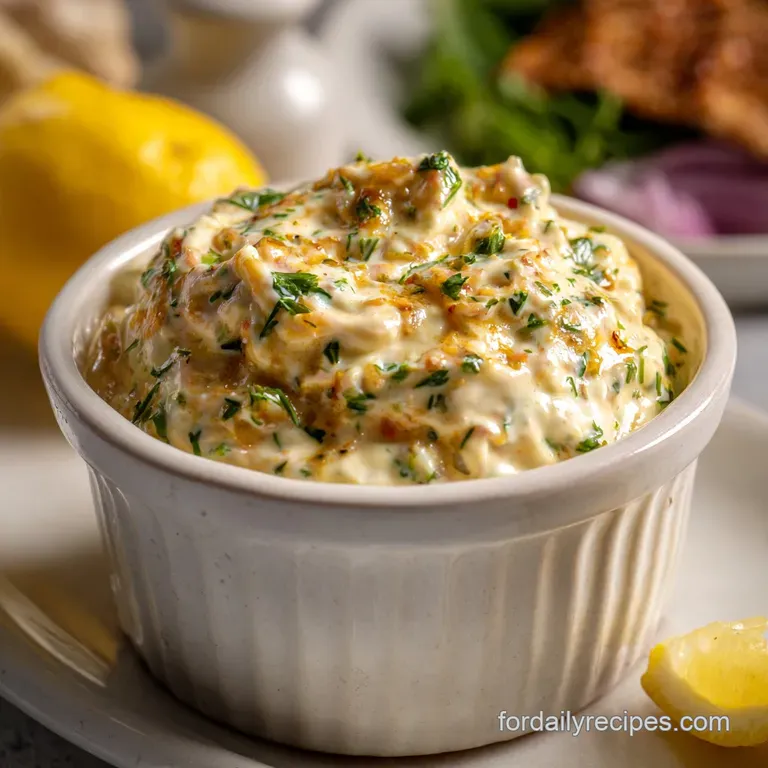
This is where the magic happens, and honestly, it’s faster than ordering takeout. Remember, 15 minutes active time!
Preparing the Core Ingredients (Finely chopping)
- Drain those capers and cornichons well. Get your sharpest knife out and mince them until they are almost paste like. We are aiming for smooth integration here, not big chunks in our beautiful Rémoulade Sauce .
- Wash and dry your parsley and tarragon. Chop them very, very finely. Seriously, take your time; these herbs make the aroma!
Combining the Base and Flavoring Agents
- Grab your medium bowl. Whisk together the full fat mayonnaise, that potent Dijon mustard, the fresh lemon juice, and the white wine vinegar. Whisk until it’s glossy and completely combined it should look slightly looser than straight mayo.
- Now, fold in the minced pickles, capers, parsley, and tarragon using a rubber spatula. Don't overmix; just gently incorporate everything.
Seasoning and Consistency Check
- Stir in the paprika, cayenne (if you like a little bite), and the anchovy paste (if you're using it it adds incredible depth to the Rémoulade Sauce ).
- Taste it! Add salt and pepper sparingly. That brine is doing a lot of heavy lifting, so adjust the acid (lemon/vinegar) or salt until it sings.
The Essential Chill Time for Optimal Taste
- Transfer the mixture to an airtight container. You absolutely must refrigerate this for at least 30 minutes. Do not skip this. That 30 minutes (or better yet, 2 hours!) is when the acids bloom the herbs and everything melds into the perfect creamy, tangy Rémoulade Sauce .
Troubleshooting & Expert Secrets for a Flawless Batch
Everyone messes up sauce sometimes! I certainly have. My biggest rookie error was trying to rush the chilling step. Never, ever do that.
Addressing a Sauce That is Too Thin
If your sauce is too soupy, it probably means your cornichons were super wet or you added too much lemon juice. Fix this by whisking in one extra tablespoon of mayo or a teaspoon of dry breadcrumbs, which will absorb the extra moisture while you wait for the chill time.
How to Fix Overly Salty or Acidic Flavor
If it’s too sharp, you can’t take flavor out , but you can mask it. Stir in another teaspoon of plain mayo to buffer the acid or salt. If you added too much pepper, stir in a tiny pinch of sugar to balance the perceived heat.
This kind of detailed adjustment is what makes your homemade Rémoulade Sauce better than store-bought.
Chef’s Tip: The Final Emulsion Finish
Just before serving, give your chilled sauce one last quick, vigorous whisk even if it seems totally mixed already. This re-emulsifies the mixture right before it hits the plate, giving it an incredible, almost fluffy texture. It really wakes up the Rémoulade Sauce .
Making Ahead and Storing: Shelf Life of Your Condiment
This is a fantastic sauce to make-ahead of time, which is why I love prepping it before a big weekend gathering. If you’re planning on making a spread for a big bash, definitely make this Rémoulade Sauce the day before.
Best Practices for Refrigeration
Keep this tightly sealed. Because it's packed with acid and herbs, it stays fresh longer than plain mayo. For the best flavour profile, aim to use it within 5 7 days.
How Long Does Homemade Rémoulade Last?
Honestly, it’s usually good for up to a week in the fridge, though the flavour peaks around day 2 or 3 after chilling. After 7 days, the herbs start to look tired, even if the sauce is technically safe.
Can You Freeze Rémoulade? (And Why You Shouldn't)
No, skip freezing this one. Mayonnaise bases break down catastrophically when frozen and thawed. You end up with oily, weeping liquid and sad, separated solids. If you need a big batch, just make a fresh batch of Rémoulade Sauce when you need it!
Classic Pairings: What to Serve With This Flavor Bomb
This sauce is surprisingly versatile! If you like that creamy tang, check out my recipe for the Crack Burger: The Ultimate Smash Recipe with Addictive Ranch Sauce — you can swap in this Rémoulade Sauce for a serious twist!
- Seafood Magic: It’s sublime on fried shrimp, crab cakes, or cold poached fish. It honestly rivals the flavour intensity needed for my Seafood Boil Sauce Recipe: Ultimate Buttery Garlic Butter Style , just in a creamy format.
- Dipping Station: Serve it next to thick cut fries or robust root vegetables. It’s also excellent on smoked turkey sandwiches.
- Beyond the Basics: Try using a spoonful over thinly sliced roast potatoes or incorporating it into your next batch of slaw dressing for a sharp kick.
There you have it: the comprehensive guide to mastering the classic French Rémoulade Sauce recipe . Go whip up a batch, let it chill, and prepare to ditch every other creamy condiment you own. Enjoy!
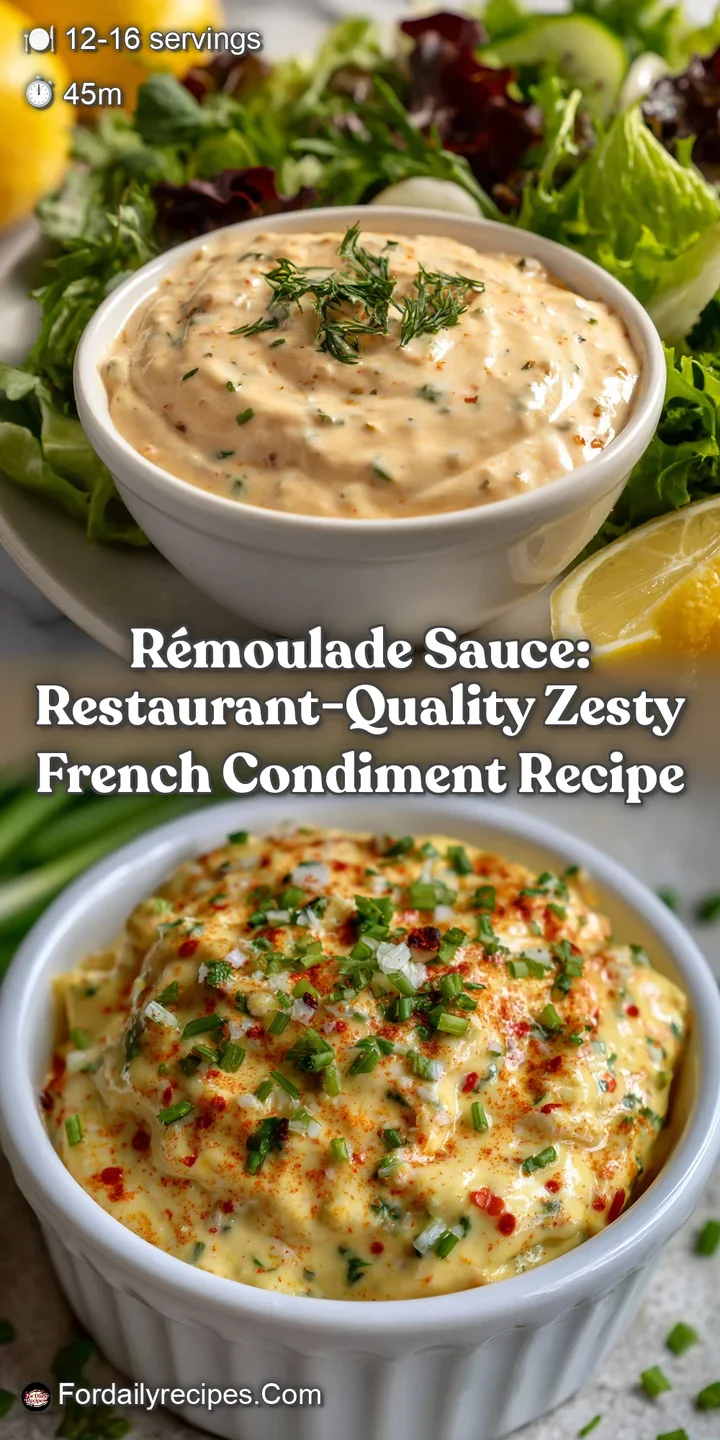
Recipe FAQs
How long does homemade Rémoulade last in the refrigerator?
Because Rémoulade is mayonnaise based, strict storage is crucial for safety and quality. Store it in an airtight container for 3 to 4 days, especially if you used homemade mayonnaise containing raw egg yolk.
Never leave the sauce at room temperature for more than two hours, as this significantly increases the risk of spoilage.
My Rémoulade seems too thin. How can I thicken it?
If you used pre-made mayonnaise, the cause is usually too much added liquid from ingredients like pickle juice or lemon. To correct this, gradually whisk in a teaspoon of additional high-quality Dijon mustard, which acts as a fantastic natural emulsifier and thickening agent.
Alternatively, folding in a tablespoon of thick Greek yogurt or sour cream (if appropriate for the flavour profile) can quickly restore body.
What should I do if my mayonnaise base "breaks" or separates?
If the sauce has separated, the emulsion has failed, usually due to adding liquid too quickly or temperature issues. To fix a broken sauce, place a fresh egg yolk (or 1 teaspoon of Dijon mustard) into a clean bowl.
Then, very slowly whisk the broken sauce back into the new base, drop by drop, until the emulsion is successfully restored.
What is the main difference between classic French and Cajun Rémoulade?
Classic French Rémoulade relies on subtle sophistication, featuring mustard, capers, gherkins, and delicate fresh herbs like tarragon. Cajun or Louisiana Rémoulade, in contrast, incorporates bold, fiery ingredients like horseradish, paprika, cayenne pepper, and sometimes hot sauce, giving it a much deeper colour and a significant spicy kick.
Can this Rémoulade recipe be made vegan?
Absolutely. The primary element to substitute is the mayonnaise base. Simply use a high-quality, commercially prepared vegan mayonnaise, and ensure that any secondary ingredients, such as Worcestershire sauce, are checked for animal products (as some contain anchovies).
The remaining flavourings, like capers, mustard, and herbs, are naturally vegan.
Can I use dried herbs instead of fresh tarragon and chives?
While fresh herbs are always preferred for their bright, volatile oils, you can substitute dried herbs at a ratio of 1 part dried to 3 parts fresh. If opting for dried tarragon, ensure you allow the finished sauce to rest for at least an hour before serving, giving the dried leaves sufficient time to fully hydrate and release their flavour.
Can Rémoulade be frozen for long term storage?
No, freezing is strongly discouraged for Rémoulade. Because the sauce is an oil-in-water emulsion, the freezing process causes the oil and water molecules to separate. This results in a grainy, watery, and completely broken texture upon thawing, making the sauce unusable.
Classic French Remoulade Sauce Recipe
Ingredients:
Instructions:
Nutrition Facts:
| Calories | 426 kcal |
|---|---|
| Protein | 0.9 g |
| Fat | 44.6 g |
| Carbs | 6.7 g |
