Seafood Boil Sauce: the Ultimate Buttery Bayou Bliss Recipe
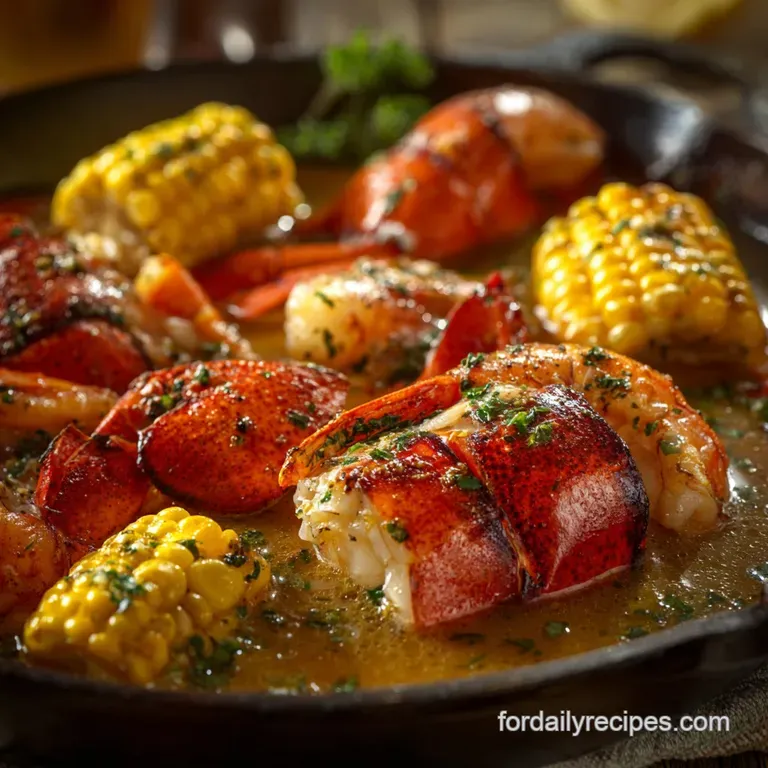
- Beyond the Butter: Why 'Bayou Bliss' is the Ultimate Seafood Boil Sauce
- The Flavor Science: Mastering the Texture and Depth of Seafood Boil Sauce
- Essential Components for the 'Bayou Bliss' Seafood Boil Sauce
- Crafting Your Sauce: Step-by-Step Guide to the Ultimate Seafood Boil
- Troubleshooting the Boil: Chef's Secrets and Avoiding Common Seafood Sauce Mistakes
- Preservation Guide: Storing and Reheating Your Buttery Seafood Boil Sauce
- What to Serve With the Bayou Bliss Sauce: Perfect Pairings
- Recipe FAQs
- 📝 Recipe Card
Beyond the Butter: Why 'Bayou Bliss' is the Ultimate Seafood Boil Sauce
That moment when you finally pour the boil out onto the table is pure magic, right? But seriously, it’s the intense, garlicky butter aroma that makes everyone immediately grab a napkin and dive in.
This sauce is thick and decadent, coating every single crevice of your crab claws and sweet shrimp shells perfectly.
Forget those weak, watery store-bought versions that leave you feeling underwhelmed. This recipe is fast, honestly easy, and uses humble ingredients to create something profoundly luxurious and flavor packed.
Trust me, learning the few quick tricks here makes this recipe a total game changer for your next backyard feast.
We’re skipping the fuss and diving deep into the secrets of the ultimate "Bayou Bliss" butter sauce today. We're going to talk about massive garlic quantities and why blooming spices is the difference between sauce that is good and sauce that is absolutely legendary. Let's crack on!
The Flavor Science: Mastering the Texture and Depth of Seafood Boil Sauce
Defining the Buttery Garlicky Difference in This Recipe
Most seafood boil sauce recipes just melt butter and dump the seasonings in, which is technically fine, but it often leaves you with a powdery, separated, and slightly gritty sauce. My trick involves using a massive amount of fresh garlic, which we cook slowly to sweeten, rather than brown, it.
This low and slow approach allows the fresh garlic flavor to become the true, undeniable centerpiece of the dish.
The Louisiana Vietnamese Fusion Roots of the Bayou Bliss Style
This particular style of sauce leans heavily into the rich butter base popular in traditional Southern boils. However, we amp up the fresh aromatics and powerful spices, echoing the techniques found in Vietnamese American seafood boil traditions.
The result is spicy, intensely flavorful, and unapologetically rich the kind of sauce that makes you immediately want to dip your bread in it after the seafood is long gone.
What Makes This Seafood Boil Sauce a True 'Bobby Dazzler'
The key to its success is two-fold: technique and timing. We use three different types of seasoning blends to layer the complexity, creating a depth that one seasoning alone simply can't achieve. This truly delivers that authentic, deeply savory, and intensely spicy seafood boil sauce recipe everyone craves.
The Power of Blooming Spices in Fat for Intense Flavor Release
This step is non-negotiable, honestly. Dry spices like paprika and cayenne are fat-soluble, meaning their flavors absolutely explode when briefly heated in the butter before any liquid is added.
You’ll cook them for just 60 seconds until they smell intensely fragrant and nutty; this quick bloom is how you get serious flavor punch and vibrant color.
Achieving the Perfect Emulsion (Preventing Separation)
Nobody wants an oily, separated mess pooling on their plate, right? We use a little low-sodium stock to introduce some water based structure to the mixture. Most importantly, we finish the sauce by whisking in cold butter off the heat.
This classic technique, known as monté au beurre , creates a wonderfully stable, thick, and perfectly glossy buttery seafood boil sauce.
Essential Components for the 'Bayou Bliss' Seafood Boil Sauce
Deconstructing the Trio of Seasonings (Cajun, Old Bay, and Paprika)
Why three? Because variety is the literal spice of life, friend! We need the deep, earthy tones and heat of Cajun seasoning, the classic coastal herbaceousness and celery seed notes of Old Bay, and the smokiness of paprika to tie the entire blend together.
This essential layering is what transforms simple garlic butter into the complex flavor of a truly great seafood boil sauce.
Selecting the Best Butter Base (Salted vs. Unsalted Analysis)
Always, always, always start with unsalted butter when making this seafood boil sauce recipe. Cajun and Old Bay blends already contain quite a bit of hidden salt, so using unsalted butter allows you to control the final salinity precisely.
You can always add salt, but it's nearly impossible to take it away once you’ve gone too far!
Must Have Aromatics: Garlic, Shallots, and Lemon Juice
The sheer quantity of fresh garlic here seems shocking we use a whole cup! But trust me, once it softens, it turns gorgeously sweet and forms the undeniable backbone of the sauce.
Shallots add a subtle, sophisticated sweetness missing if you just use a standard yellow onion, and the fresh lemon juice provides the essential acidic brightness needed to flawlessly cut through all that delicious fat and richness.
Smart Substitutions for Adjusting Heat and Acidity Levels
If you want to tone down the heat significantly, simply reduce the cayenne pepper to half a teaspoon or skip it entirely if you are heat averse. For acidity, if you find yourself without fresh lemon juice, you can use white wine vinegar, but use 1/3 less as it’s much sharper and more concentrated.
Balancing the Spice: Why Paprika Adds Critical Smoky Depth
We insist on using smoked paprika, not the plain sweet stuff typically found in the spice aisle. That deep, savory smoky depth is absolutely essential because it gives the sauce a complexity that mimics long, slow cooking without the time commitment.
If smoked paprika is genuinely unavailable, try mixing a tiny dash of liquid smoke into regular sweet paprika that’s a sneaky but useful backup plan.
Crafting Your Sauce: step-by-step Guide to the Ultimate Seafood Boil
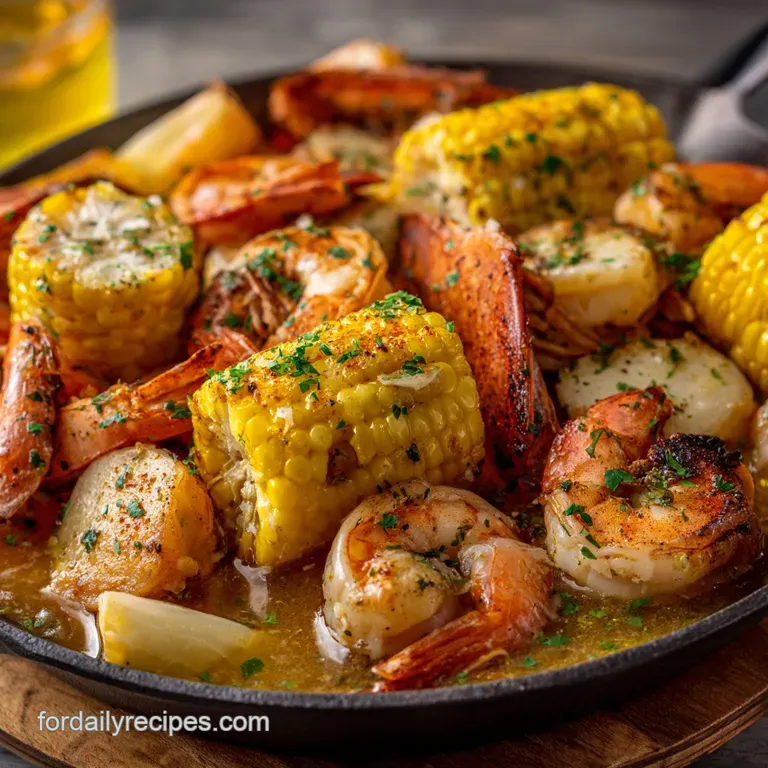
Phase 1: Melting and Sautéing the Aromatics Gently
Start by melting the bulk of your butter (1 cup) over medium low heat in a sturdy saucepan. Toss in the finely minced shallots and let them soften until they are translucent, which typically takes about four minutes.
Now for the star: add that massive cup of minced fresh garlic and turn the heat down to low . This is critical: stir constantly for 5– 7 minutes until the garlic is fragrant and pale yellow, but absolutely never, ever brown it.
Phase 2: Blooming the Seasonings for Maximum Potency
Dump in all your dry spices the paprika, both seasoning blends, cayenne, and thyme right into the warm butter and garlic mixture. Stir this mixture vigorously for one minute; you'll immediately notice the fat darken and release an incredibly pungent, nutty aroma.
This blooming step is the serious secret to a professional grade buttery seafood boil sauce. Now, pour in the stock, lemon juice, and Worcestershire sauce. Bring the mixture to a slow, gentle simmer and let it reduce slightly for about five minutes to fully concentrate the flavors.
Phase 3: The Final Emulsification and Finishing Touches
Take the saucepan completely off the heat source. Grab that remaining 4 tablespoons of cold , cubed butter and whisk it into the sauce one piece at a time. This step slightly cools the sauce while thickening it to that perfectly luxurious, velvety consistency.
Taste and adjust the seasoning: maybe add a pinch of brown sugar if the lemon is tasting too zingy, or more Kosher salt if your seasoning blend was low-sodium. Congrats, you’ve just created the best garlic butter seafood boil sauce of your life.
Troubleshooting the Boil: Chef's Secrets and Avoiding Common Seafood Sauce Mistakes
Preventing the Butter from Breaking or Separating During Cooking
The single most common error when making this sauce is applying too much heat. If the sauce gets too hot while simmering, the fat and liquid will separate and become an oily, sad mess. Keep the simmer very gentle and low.
You must use that final cold butter whisk-in (the monté au beurre ) to stabilize the emulsion when finishing the sauce off the heat.
Adjusting the Spice Level After the Sauce is Complete
Oops, did you go a little too heavy on the cayenne? Don't panic! The easiest fix is adding 1 or 2 tablespoons of extra melted unsalted butter to dilute the heat slightly. Alternatively, try stirring in 1 teaspoon of tomato paste or a touch more fresh lemon juice.
These additions help distract the palate with acidity and sweetness, making the residual heat less noticeable.
Fixing an Overly Salty or Acidic Sauce
If the sauce is too salty (which often happens due to highly pre-salted Cajun blends), your best bet is to add a small amount of plain, hot water or low-sodium stock to dilute it. If the sauce is too acidic from too much lemon, balance it out with the optional brown sugar or a touch of honey just a tiny bit is needed to round out those sharp, zesty edges.
Preservation Guide: Storing and Reheating Your Buttery Seafood Boil Sauce
Best Practices for Refrigerated Storage (And Shelf Life)
This sauce keeps incredibly well in the fridge! Store any leftovers in an airtight container for up to 5 days. Since it's butter based and acidic, it will solidify completely when chilled it will basically look like a jar of orange red seasoned butter. Crucial Tip: Always label the container, especially if you also make my ChickfilA Sauce Recipe: The Ultimate Copycat (Creamy, Sweet Smoky) — you don't want any saucy mix-ups!
Can You Freeze Seafood Boil Sauce? (The Best Method for Success)
Yes, you absolutely can freeze it, but be warned that freezing can destabilize the beautiful emulsion we worked so hard to achieve. Freeze it in a small, freezer safe container for up to 3 months. When thawing, do it slowly in the fridge overnight. The sauce will likely look split and grainy when you pull it out.
The Optimal Way to Re-emulsify the Sauce Before Serving
Once thawed or straight from the fridge, reheat the sauce very gently in a saucepan over low heat until it has fully melted. It will definitely look broken and oily initially. Whisk vigorously, and if necessary, add 1 2 tablespoons of hot water or stock one spoonful at a time.
This minor addition of liquid helps bind the fat back together, returning it to a glossy, unified sauce.
What to Serve With the Bayou Bliss Sauce: Perfect Pairings
Beyond Crab and Shrimp: Dipping Suggestions for Vegetables
Of course, this sauce is divine on shellfish, but please do not overlook the vegetables! Toss steamed baby potatoes, corn on the cob, or even tender asparagus spears in this sauce. Seriously, it transforms them completely into something addictive.
The Unexpected Power of Serving Sauce with Hard Boiled Eggs
Have you ever tried dipping peeled, hard boiled eggs in seafood boil sauce? It sounds weird, but the richness of the cooked yolk combined with the spicy butter is truly addictive. It's a key ingredient in a great Low Country Boil (Frogmore Stew): The Perfect Easy Crowd Pleaser , and it works just as well when serving the 'Bayou Bliss' independently!
Using Leftover Sauce as a Flavor Base for Other Dishes
If you somehow manage to have sauce leftover (a rare tragedy indeed!), you can use it as a fantastic flavor starter. Sauté rice in it before adding liquid for a highly flavored seafood pilaf, or drizzle a generous teaspoon over grilled white fish fillets. You could even use a dollop of this spicy butter to punch up the base of the secret sauce for a delicious Burger Bowl: Classic Diner Smash Recipe with Secret Sauce .
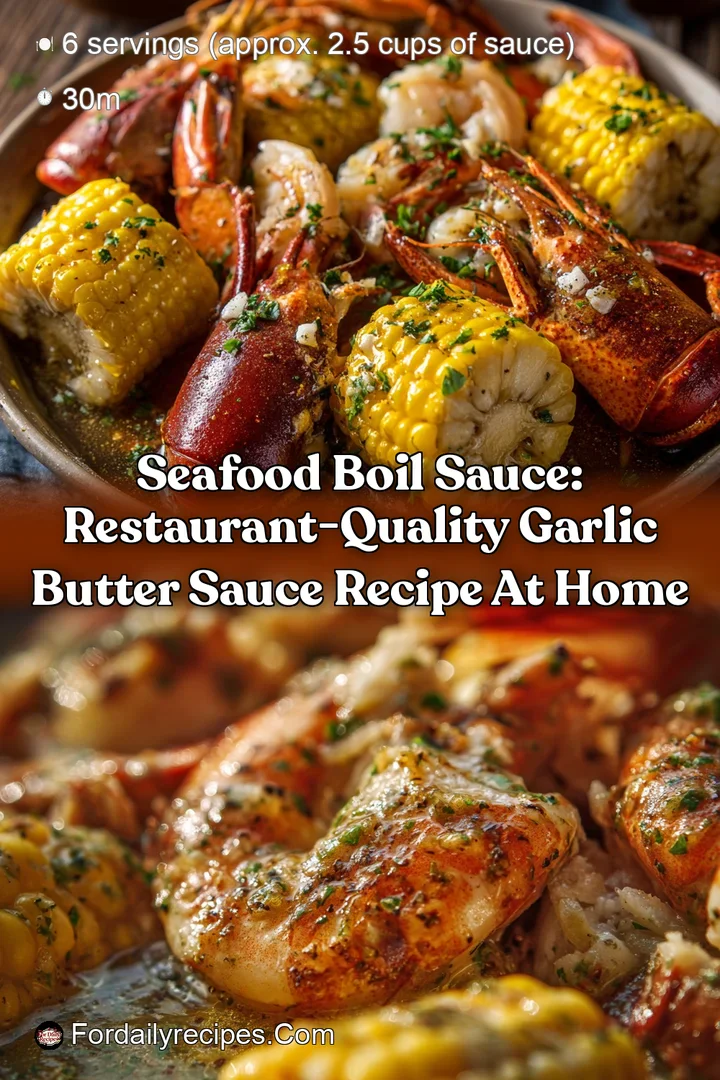
Recipe FAQs
Why did my butter and spices separate instead of forming a cohesive sauce?
Separation often occurs if the sauce gets too hot after the initial preparation or if the liquid component (like lemon juice or broth) is added too quickly. To re-emulsify, try whisking in a small knob of fresh, ice-cold butter or a tablespoon of cold water off the heat.
Remember, this sauce should be kept warm, not actively simmering, until serving.
How can I adjust the spice level without sacrificing the overall flavor depth?
To reduce the heat while maintaining the complex flavor profile, decrease the amount of cayenne pepper and substitute a portion of the Cajun seasoning with extra sweet or smoked paprika.
Alternatively, incorporating a tablespoon of brown sugar or honey will help balance the capsaicin heat without making the sauce overly sweet.
Can this sauce be made dairy-free or vegan?
Yes, this sauce can easily be adapted by substituting the dairy butter with a high-quality, plant based butter stick or neutral cooking oil, like avocado or coconut oil. Ensure your chosen vegan butter has a neutral flavor profile, and always verify that your commercial seasoning blends (such as Old Bay or Cajun mixes) do not contain any hidden dairy products.
Should I pour the sauce directly over the boil, or serve it strictly as a dipping sauce?
For maximum flavor infusion and a traditional presentation, the prepared seafood and vegetables should be placed in a large bowl or pot and tossed vigorously with the warm sauce just before serving.
However, serving a separate bowl of 'Bayou Bliss' on the side is highly recommended for those who prefer an extra layer of dipping sauce or want to control their portion.
How long does the sauce last, and what is the best way to store and reheat it?
Properly stored in an airtight container in the refrigerator, the sauce will keep for up to 5 days. When reheating, do so slowly over very low heat on the stovetop, whisking continuously, or gently microwave it in short bursts to prevent the butter from separating completely.
Avoid boiling the sauce during the reheating process.
I don't have time to "bloom" the spices; what happens if I skip that step?
Blooming the spices heating them briefly in the fat before adding liquid is critical as it awakens their volatile oils, significantly deepening the overall flavor intensity and aroma.
If you skip this step, the spices will taste flatter and more powdery, and the sauce will lack the essential warmth and complexity expected of a true seafood boil sauce.
Can I substitute margarine for unsalted butter in this recipe?
Margarine is not recommended as it often contains too much water and emulsifiers that break down poorly under heat compared to pure dairy fat. Butter’s unique milk solids are vital for achieving the specific silky mouthfeel and depth of flavor required in the 'Bayou Bliss' recipe, which margarine cannot replicate successfully.
If you must substitute, use ghee or clarified butter for a higher fat content.
Buttery Bayou Seafood Boil Sauce
Ingredients:
Instructions:
Nutrition Facts:
| Calories | 694 kcal |
|---|---|
| Protein | 4.5 g |
| Fat | 57.4 g |
| Carbs | 26.1 g |
