Burger Bun Recipe: Heritage Starter
- Time: Active 25 minutes, Passive 2 hours 15 mins, Total 2 hours 40 minutes
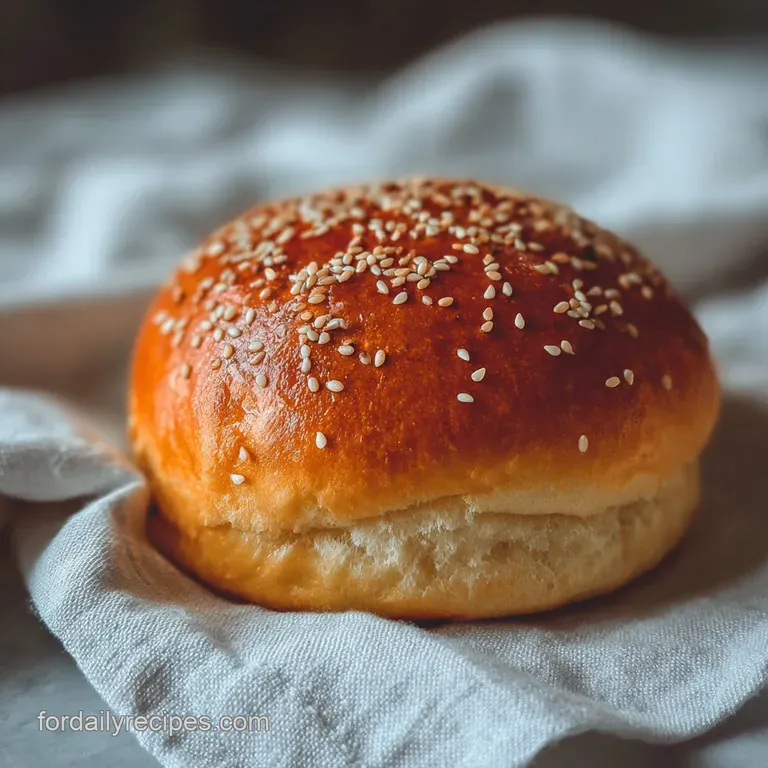
- Flavor/Texture Hook: Buttery, pillowy crumb with a golden, velvety crust
- Perfect for: Weekend family cookouts, gourmet burger nights, or beginner bread bakers
- Secrets Behind This Timeless Burger Bun Recipe
- The Science of Why it Works
- Ingredients for This Golden Bun Recipe
- Tools for Successful Bread Baking
- Guide to Achieving Pillowy Softness
- Fixing Common Bread Baking Mishaps
- Adaptations for Different Diets
- Storing and Reheating Your Buns
- Best Pairings for These Buns
- Burger Bun Recipe FAQs
- 📝 Recipe Card
Secrets Behind This Timeless Burger Bun Recipe
There is a specific, intoxicating aroma that fills a kitchen when yeast begins to feast on sugar and flour. It's a scent that reminds me of my grandmother's kitchen, where bread was a daily ritual rather than a chore.
If you've ever been disappointed by those dry, crumbly "bread sponges" from the supermarket that turn to mush the second they touch a medium rare burger, you are in the right place. We're going to fix that forever with a heritage approach.
This isn't just another quick bread; it's a labor of love that honors the craft of baking. I remember the first time I tried a traditional Japanese milk bread technique and realized it was the secret to the ultimate burger bun recipe.
The result is a bun so soft it feels like a cloud, yet sturdy enough to hold a mountain of toppings without a hint of sogginess. It's a technique passed down through generations of bakers that we're bringing to your home kitchen.
We're going to focus on the feel of the dough and the subtle shifts in aroma. You'll know the dough is ready not just by a timer, but by the way it bounces back when you gently poke it. It's about developing a relationship with the ingredients.
Honestly, once you pull these golden, shimmering buns out of the oven, you'll never look at a plastic bag of store-bought buns the same way again.
The Science of Why it Works
Starch Gelatinization: Pre cooking a small portion of flour and liquid (the Tangzhong) pre gelatinizes the starches, allowing them to hold onto significantly more moisture without making the dough sticky.
Proteinic Elasticity: Using high protein bread flour ensures a strong gluten network that traps carbon dioxide bubbles, creating that iconic "shatter" in the crust and a velvety interior.
| Method | Total Time | Texture Outcome | Best For |
|---|---|---|---|
| Traditional Tangzhong | 2 hours 40 mins | Superior softness, stays fresh for days | Gourmet burgers, leftovers |
| Direct Yeast Mix | 1 hours 30 mins | Denser crumb, dries out faster | Quick weeknight meals |
| No Knead Overnight | 12 hours + | Fermented tang, larger air pockets | Artisan style sandwiches |
The difference between a "good" bun and a "great" one often comes down to how well the starches can retain hydration during the intense heat of the oven. By using the Tangzhong method, we essentially create a moisture reservoir that prevents the bread from staling the moment it cools.
The Tangzhong Advantage for Softness
This technique might sound fancy, but it's really just making a simple paste. It changes the molecular structure of the flour, making the final soft hamburger bun recipe much more tender. You'll notice the dough feels more like silk and less like clay.
The Windowpane Test for Structural Integrity
To ensure your buns can hold a heavy patty, we need to knead until the gluten is fully developed. You’ll know you’re there when you can stretch a small piece of dough thin enough to see light through it without it tearing.
The Steam Bake Method for a Soft Crust
Adding a small pan of water to the bottom of your oven creates a humid environment. This prevents the crust from setting too quickly, allowing the buns to reach their full height while remaining thin and golden rather than thick and hard.
| Ingredient | Science Role | Pro Secret |
|---|---|---|
| Bread Flour | Provides 12-14% protein for structure | Weigh it in grams; cups are too inconsistent for bread |
| Whole Milk | Fats and sugars tenderize the crumb | Use 3.5% fat milk for the most velvety texture |
| Instant Yeast | Biological leavener for rise | Ensure it's fresh; it should smell earthy, not sour |
Ingredients for This Golden Bun Recipe
For the Tangzhong (Starter): 3 tbsp (45g) water Why this? Hydrates the flour to begin the gelatinization process. 3 tbsp (45g) whole milk 2 tbsp (20g) bread flour
For the Main Dough: 3 cups (380g) high protein bread flour Why this? Provides the "skeletal" strength for the bun. 2 tbsp (25g) granulated sugar 1.5 tsp (7g) fine sea salt 1 tbsp (9g) instant yeast 0.5 cup (120g) lukewarm whole milk (approx.
38°C/100°F) 1 large egg, room temperature 4 tbsp (56g) unsalted butter, softened and cubed
For the Glaze: 1 large egg 1 tbsp whole milk
| Original Ingredient | Substitute | Why It Works |
|---|---|---|
| Whole Milk | Unsweetened Soy Milk | High protein content mimics dairy for a vegan burger bun recipe |
| Bread Flour | All Purpose Flour | Lower protein creates a softer, but significantly weaker structure |
| Unsalted Butter | Refined Coconut Oil | Same fat to solid ratio. Note: Does not provide the same dairy richness |
Tools for Successful Bread Baking
You don't need a professional bakery to pull this off, but a few specific tools make the process much smoother. A stand mixer such as a KitchenAid is a lifesaver for the long kneading process, though you can certainly do it by hand if you're looking for a workout.
A digital kitchen scale is non negotiable here; bread is a science, and 10 grams of flour can be the difference between a cloud and a brick.
I also highly recommend using a silicone baking mat or high-quality parchment paper to ensure the bottoms don't brown too quickly. A bench scraper is also my best friend for dividing the dough evenly. Once you've mastered the bake, you'll need the right filling. I always reach for my Burger Patty Recipe because the high fat content needs a bun this sturdy to hold everything together.
Guide to Achieving Pillowy Softness
Phase 1: Create the Tangzhong
- Whisk the 45g water, 45g milk, and 20g flour in a small saucepan. Note: This is the foundation of our moisture.
- Cook over medium heat, whisking constantly until a thick, translucent paste forms (about 2 minutes).
- Transfer to a small bowl and let it cool until just warm to the touch.
Phase 2: Mixing and Kneading
- Combine the 380g bread flour, sugar, salt, and yeast in your mixer bowl.
- Add the 120g lukewarm milk, the egg, and your prepared Tangzhong.
- Mix on low with a dough hook for 5 minutes until a shaggy dough forms and pulls away from the sides.
- Add the cubed butter one piece at a time. Knead for 8-10 minutes until the dough is smooth, elastic, and passes the windowpane test.
Phase 3: The First Rise
- Shape the dough into a smooth ball and place in a lightly greased bowl.
- Cover and let rise in a warm spot for 60-90 minutes until doubled in size and smelling deeply of fermented grain.
Phase 4: Shaping and Final Proof
- Punch the dough down and divide into 8 equal pieces (about 90-95g each).
- Roll each piece into a tight, tensioned ball and place on a lined baking sheet.
- Cover and let rise for another 45-60 minutes until they look puffy and feel like air filled balloons.
Phase 5: The Bake
- Preheat your oven to 190°C (375°F). Whisk the glaze ingredients and brush gently over the buns.
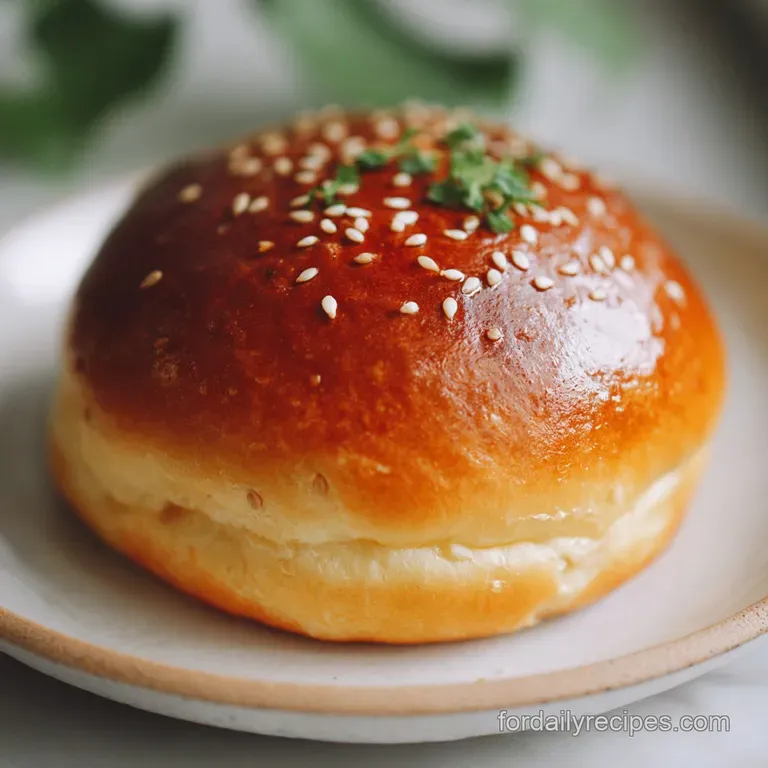
- Bake for 15 minutes until the tops are a deep mahogany brown and sound hollow when tapped.
- Brush with a little extra melted butter immediately after removing for a silky, matte finish.
Fixing Common Bread Baking Mishaps
Why are my buns dense and heavy?
This usually happens if the yeast was inactive or the dough didn't rise long enough. If your kitchen is cold, the yeast works much slower. I once made the mistake of trying to rush a batch in a 60 degree kitchen, and they ended up like hockey pucks. Give them the time they need!
The dough is too sticky to handle
It's tempting to keep adding flour, but don't! The Tangzhong makes the dough feel stickier than a standard bun recipe. Use a bench scraper and light oil on your hands instead of flour, which can dry out the final product.
| Problem | Root Cause | Solution |
|---|---|---|
| Buns collapsed | Over proofing | Reduce final rise time by 15 minutes next time |
| Thick, hard crust | Oven too dry | Add a pan of hot water to the oven floor during baking |
| Pale tops | Weak egg wash | Ensure you use a whole egg + milk for the best Maillard reaction |
Common Mistakes Checklist: ✓ Check yeast expiration date before starting (it must foam in warm liquid). ✓ Use a digital scale to measure ingredients in grams for precision. ✓ Avoid over flouring your work surface; it makes the buns tough.
✓ Don't skip the second rise it's where the airy texture is born. ✓ Let the buns cool completely before slicing to prevent a gummy interior.
Adaptations for Different Diets
For a Vegan Burger Bun Recipe
You can easily adapt this by swapping the whole milk for a high protein plant milk like soy or pea milk. Replace the butter with a vegan butter block (look for one with a high fat content) and use an agave water wash instead of the egg glaze. The texture will be slightly less rich but still incredibly soft.
For Herb and Garlic Buns
If you want to add some flair, fold in 2 tsp of dried oregano and 1 tsp of garlic powder during the final minute of kneading. This variation is particularly wonderful if you're making a Mediterranean Lamb Burger recipe, as the herbs complement the savory meat perfectly.
Storing and Reheating Your Buns
Storage: These buns stay remarkably soft for 2 to 3 days at room temperature if kept in a sealed airtight bag. Avoid the fridge, as it actually accelerates the staling process through starch retrogradation.
Freezing: These freeze beautifully. Wrap each bun individually in plastic wrap, then place them in a freezer bag for up to 3 months. To use, thaw at room temperature for an hour.
Zero Waste Tip: If you find yourself with leftover buns that have gone a bit stale, don't toss them. Pulse them in a food processor for the best homemade breadcrumbs you've ever had, or cut them into cubes and toast them with olive oil and salt for gourmet croutons.
Best Pairings for These Buns
[!TIP] Chef's Note: Always toast your buns! Slice them and place them cut side down in a dry skillet or with a smear of butter. This creates a "moisture barrier" of toasted starch that prevents your burger sauces from soaking into the bread.
If you are looking for a lower carb option or just want to change things up, you can use this same dough technique to make smaller sliders. Or, if you're ditching the bread entirely but want the flavor profile, try a Burger Bowl recipe with the same seasonings.
- If you want a brioche flavor
- Add one extra egg yolk and increase butter to 85g.
- If you want a crispy crust
- Skip the egg wash and spray the oven with water every 5 minutes.
- If you want sesame seeds
- Sprinkle them on immediately after brushing the egg wash so they stick.
Time Honored Myths
One of the biggest myths in baking is that "more yeast means a better rise." In reality, too much yeast makes the bread taste like a brewery and can cause it to rise too fast and then collapse.
Another myth is that sugar is only for flavor; in this burger bun recipe, sugar actually feeds the yeast and helps tenderize the gluten for that "easy burger bun recipe" feel we all love. Trust the process and the measurements!

Burger Bun Recipe FAQs
Can I substitute all-purpose flour for bread flour?
No, it's not ideal for structure. Bread flour's higher protein content creates a stronger gluten network, essential for the airy yet sturdy crumb of a burger bun. All-purpose flour will result in a softer, potentially denser bun that might not hold up as well to toppings.
Why are my buns dense and heavy?
This usually means the yeast was inactive or the dough didn't rise enough. Yeast needs warmth and time to work its magic; cold kitchens or rushing the proofing stages can lead to dense results. Ensure your yeast is fresh and the dough is allowed to double in size in a suitably warm environment.
How do I make these buns vegan?
Swap dairy for plant based alternatives. Use a high protein plant milk like soy or pea milk instead of whole milk, and replace butter with a good quality vegan butter block with a similar fat content. For the glaze, an agave water mixture works well.
How do I achieve a softer crust?
Create steam in your oven. Placing a pan of hot water on the oven floor during baking helps prevent the crust from setting too quickly, allowing the buns to rise fully and remain soft. This is similar to how a humid environment helps dough develop beautifully in other recipes.
Can I make these buns ahead of time?
Yes, they store well for a few days. Bake them and keep them in an airtight container at room temperature for up to 2 days. For longer storage, freeze them wrapped individually, and thaw at room temperature before serving. They’re a fantastic make-ahead component for any barbecue.
What is the Tangzhong method and why use it?
It's a pre-cooked flour and-liquid paste that locks in moisture. By cooking a small portion of the flour and liquid, starches are gelatinized, allowing them to absorb and retain significantly more water. This results in an incredibly soft, tender, and long lasting bun, much like the advanced hydration techniques seen in recipes like our Peking Duck Recipe: Shattering Crispy Skin for its unique textures.
How do I store leftover buns?
Keep them airtight at room temperature. Avoid refrigerating, as it can make them stale faster. For longer storage, wrap them well and freeze them for up to three months. Stale buns can be transformed into excellent breadcrumbs or croutons.
Burger Bun Recipe
Ingredients:
Instructions:
Nutrition Facts:
| Calories | 280 kcal |
|---|---|
| Protein | 8.8g |
| Fat | 8.2g |
| Carbs | 42.8g |
| Fiber | 1.4g |
| Sugar | 3.1g |
| Sodium | 363mg |
