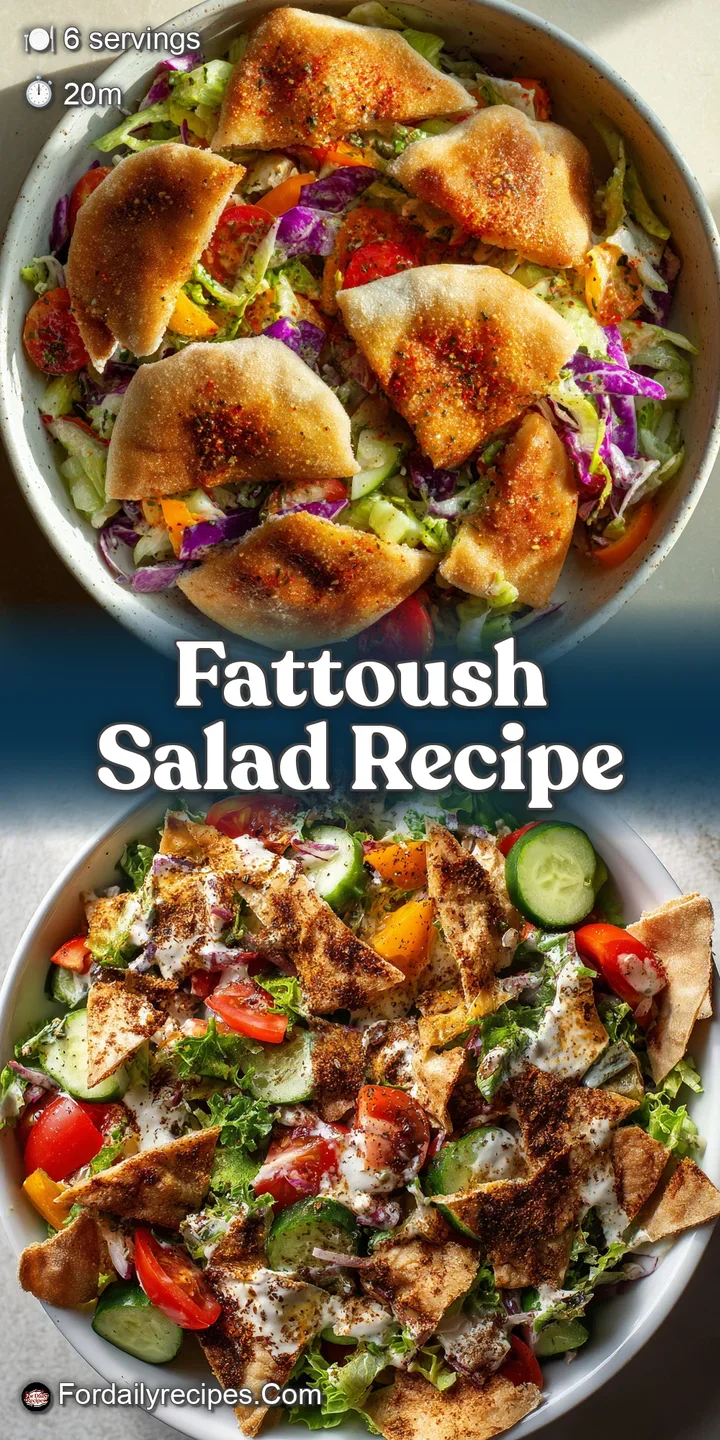
Authentic Fattoush Salad Recipe with Crispy Pita
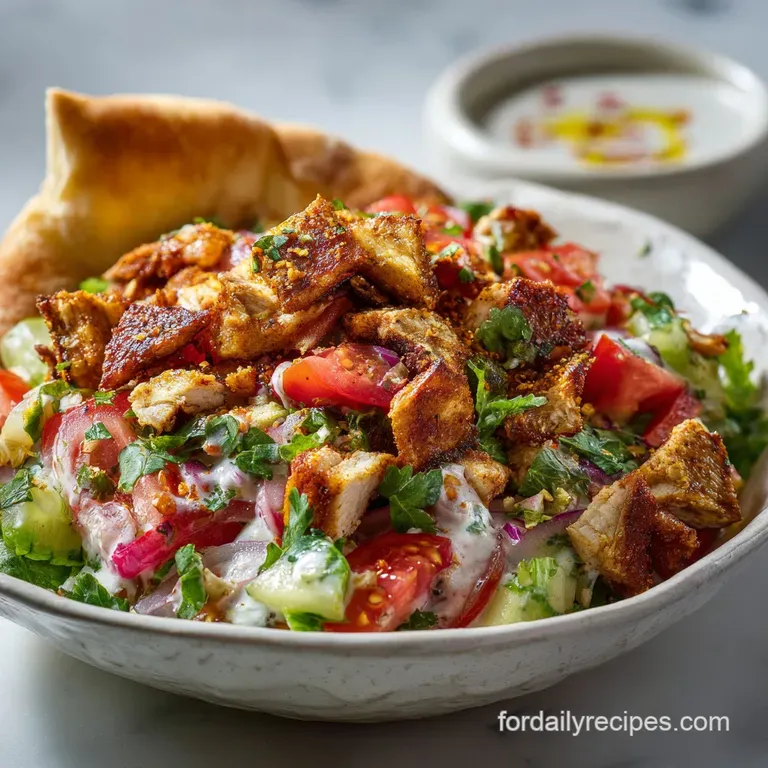
- Time: Active 15 mins, Passive 5 mins, Total 20 mins
- Flavor/Texture Hook: Zesty, earthy, and exceptionally crispy
- Perfect for: Outdoor gatherings or a refreshing weeknight side
- Mastering the Authentic Fattoush Salad Recipe
- Science of Achieving Ideal Textural Contrasts
- Crucial Components for a Flavor Map
- Selecting Right Tools for the Job
- Detailed Steps for a Flawless Execution
- Avoiding Mistakes for the Best Results
- Creative Variations for Every Occasion
- Preservation Secrets and Zero Waste Tips
- Side Dishes That Complement These Flavors
- Myths Regarding the Sumac Snap
- Recipe FAQs
- 📝 Recipe Card
Mastering the Authentic Fattoush Salad Recipe
If you have ever stood in a sun drenched kitchen in the Levant, you know the specific, sharp aroma of fresh mint mingling with the earthy, citrusy scent of sumac. I remember the first time I watched a true master of this dish.
There was no measuring tape for the vegetables, just a rhythmic, confident chopping that produced a mountain of greenery. The real magic happened when the pita hit the shimmering olive oil, transforming from a plain flatbread into mahogany shards that sizzled and popped.
That sound, like a tiny forest fire in a pan, is the heartbeat of a truly extraordinary meal.
We are not just making a salad here; we are building a textural landscape. This fattoush salad recipe is about the contrast between the velvety juice of a sun ripened tomato and the aggressive, glass like crack of fried bread. It transcends borders, bringing a piece of Mediterranean history to your table.
If you've struggled with soggy greens or a dressing that feels flat, you're in the right place. We are going to fix that by focusing on the small, technical details that most recipes skip over.
Forget those limp, uninspired bowls you find at generic buffets. We are looking for high definition flavors and colors that vibrate on the plate. By the time we are finished, you will understand why this specific combination of ingredients has sustained families for generations.
It is vibrant, it is bold, and honestly, it is the only way I want to eat my vegetables from now on.
Science of Achieving Ideal Textural Contrasts
Understanding the chemistry of your bowl changes how you prep. When we talk about this salad, we are managing moisture and structural integrity.
- Osmotic Pressure: Salting the cucumbers and tomatoes early draws out excess water, concentrating their sugars and preventing the dressing from becoming diluted.
- Starch Gelatinization: Frying the pita in olive oil creates a rigid, dehydrated starch structure that resists moisture longer than toasted bread.
- Acid Base Balance: The malic acid in sumac provides a sharp, dry tang that cuts through the fatty richness of the extra virgin olive oil.
- Emulsification Stability: Pomegranate molasses acts as a natural emulsifier, helping the lemon juice and oil stay bonded for a consistent mouthfeel.
| Method | Prep Time | Texture Result | Best Use Case |
|---|---|---|---|
| Classic Fried Pita | 5 mins | Shatter crisp, rich | Traditional authentic dinner |
| Oven Toasted Pita | 10 mins | Crunchy, dry, light | Health conscious lunch |
| air-fried Pita | 8 mins | Very hard, uniform | Quick weeknight prep |
The difference between frying and toasting is massive. Frying creates a "shatter" effect because the oil fills the microscopic voids in the bread, whereas toasting simply dries it out. If you want that deep, mahogany color and a flavor that holds its own against the lemon, frying is the only way to go.
Crucial Components for a Flavor Map
Every ingredient in this fattoush salad recipe serves a specific structural or chemical purpose. We aren't just tossing things in a bowl; we are layering sensations.
| Component | Science Role | Pro Secret |
|---|---|---|
| Pomegranate Molasses | Viscosity & Umami | Look for brands with no added sugar for the purest tartness. |
| Ground Sumac | Astringency | Rub the sumac between your fingers to release oils before adding. |
| Purslane | Succulent Texture | Use the tender stems too; they carry a salty, citrus note. |
| Persian Cucumbers | Low Hydration | These have fewer seeds, meaning less water leakage into your salad. |
Building a deep flavor profile requires high-quality fats. Use an extra virgin olive oil that has a peppery finish to complement the radishes. This salad is a natural partner for a creamy Tzatziki Sauce Recipe if you are serving it alongside grilled meats.
1. The Vegetable Base
The foundation starts with 1 head of Romaine lettuce (300g), which provides the structural "ribbons" for the other ingredients to cling to. Use 3 Persian cucumbers (250g) and 3 medium Roma tomatoes (300g) for that essential juice.
The 6 red radishes (100g) add a necessary peppery bite, while the 3 green onions provide a mild, sharp aromatic background.
2. The Shatter Crisp Pita Chips
We use 2 large pita breads, split into single layers to ensure they fry evenly. The 3 tbsp of extra virgin olive oil used for frying isn't just a medium; it's a flavor. Finishing the hot chips with 0.5 tsp sea salt and 0.5 tsp dried mint creates a seasoned crust that is addictive on its own.
3. The Best Fattoush Dressing Recipe
This is where the magic happens. We combine 0.25 cup extra virgin olive oil with 3 tbsp fresh lemon juice and 2 tbsp pomegranate molasses. The 1.5 tsp ground sumac is non negotiable for that authentic pink hue and tart flavor.
A single clove of finely grated garlic, 0.5 tsp salt, and 0.25 tsp black pepper round out the emulsion.
- - Romaine Lettuce
- Little Gem lettuce (Sturdier, sweeter leaf)
- - Persian Cucumbers
- English Cucumber (Thinner skin, but scoop the seeds out)
- - Roma Tomatoes
- Vine ripened tomatoes (Same weight, but drain the excess pulp) Why this? Roma tomatoes have a higher flesh to seed ratio, preventing a watery salad.
- - Purslane
- Arugula or Watercress (Adds a similar peppery, succulent snap)
- - Pomegranate Molasses
- Balsamic Glaze + Lemon (Adds sweetness, but lacks the specific fruit tartness)
- - Sumac
- Lemon Zest + Pinch of Salt (Provides acidity, though misses the earthy floral notes)
- - Pita Bread
- Sourdough flatbread (Yields a chewier, more complex fried chip)
Selecting Right Tools for the Job
You don't need a kitchen full of gadgets, but a few specific items make the process much smoother. A heavy bottomed skillet, such as a Lodge cast iron, is ideal for frying the pita because it maintains a steady heat, preventing the bread from soaking up too much oil.
For the vegetables, a very sharp chef's knife is essential. You want to slice the radishes and cucumbers cleanly rather than crushing them, which keeps the cells intact and the veggies crisp. I also highly recommend a small glass jar for the dressing.
Shaking the ingredients together creates a much tighter emulsion than whisking in a bowl.
Finally,, a large wooden salad bowl is traditional for a reason. The wood absorbs a tiny bit of the dressing over time, and the wide surface area allows you to toss the greens without bruising the delicate mint and parsley leaves.
Detailed Steps for a Flawless Execution
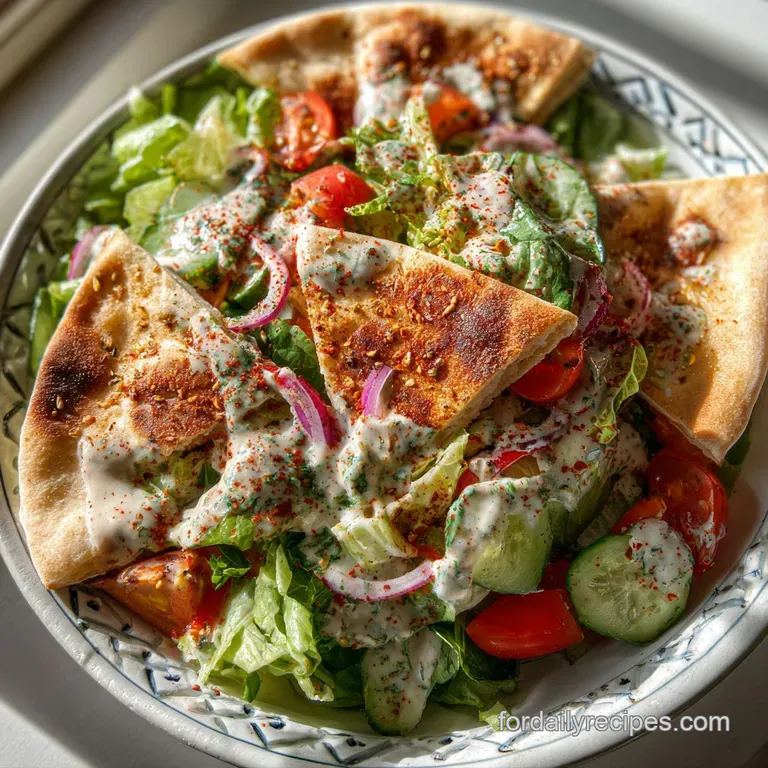
1. Preparation of the Aromatics
Chop the 1 head of Romaine lettuce into 1 inch ribbons and place them in your largest bowl. Quarter and slice the 3 Persian cucumbers and dice the 3 Roma tomatoes. Finely slice the 6 radishes and 3 green onions. Add the 1 cup of coarsely chopped flat leaf parsley, 0.5 cup of torn mint, and 0.5 cup of purslane.
Note: Keep the herbs whole or coarsely torn to prevent them from oxidizing and turning black.
2. Frying the Mahogany Pita
Heat 3 tbsp extra virgin olive oil in a skillet over medium heat. Tear the 2 large pita breads into bite sized pieces and fry them until they are deep golden brown and shatter when pressed. This usually takes about 5 minutes.
Remove from the heat, immediately toss with 0.5 tsp sea salt and 0.5 tsp dried mint, and let them cool on a paper towel.
3. Emulsifying the Pomegranate Dressing
In a small jar or bowl, combine 0.25 cup extra virgin olive oil, 3 tbsp lemon juice, 2 tbsp pomegranate molasses, and 1.5 tsp ground sumac. Add the finely grated clove of garlic, 0.5 tsp salt, and 0.25 tsp black pepper. Shake or whisk vigorously until the liquid is thick and opaque.
4. The Strategic Assembly
Pour the dressing over the vegetable mixture and toss gently to coat every leaf. Do this just before you are ready to eat. Unlike the pre mixed nature of an Olive Garden Salad recipe, the timing here is critical for texture.
5. Final Pita Integration
Add half of the fried pita chips to the bowl and give it one quick toss. Scatter the remaining chips over the top. Note: Adding some chips early allows them to soak up a bit of the dressing, while the topping chips stay perfectly crispy.
6. The Rest Period
Let the salad sit for exactly 3 minutes before serving. This allows the sumac to hydrate and the flavors of the mint and parsley to bleed into the dressing, creating a more cohesive flavor profile.
Avoiding Mistakes for the Best Results
The biggest tragedy in a kitchen is a soggy fattoush. It happens to the best of us, but it is entirely avoidable if you follow a few cardinal rules.
Why Your Pita Is Chewy
If your pita isn't snapping like a cracker, your oil wasn't hot enough or you used stale bread that had already absorbed atmospheric moisture. Cold oil soaks into the bread rather than searing the outside.
| Problem | Root Cause | Solution |
|---|---|---|
| Bitter Aftertaste | Over chopped herbs | Tear mint and parsley by hand instead of using a dull knife. |
| Watery Bottom | Salty tomatoes | Add salt to the dressing only, not directly onto the raw veggies early. |
| Bland Flavor | Weak Sumac | Taste your sumac; if it doesn't make you squint, double the amount. |
One mistake I once made was dressing the salad an hour before the guests arrived. By the time we sat down, it looked more like a green soup than a vibrant salad. Always keep the components separate until the very last second.
Common Mistakes Checklist:
- ✓ Pat the lettuce and herbs completely dry after washing (water repels the oil based dressing).
- ✓ Wait for the pita to cool completely before adding it to the greens (heat wilts the lettuce).
- ✓ Grate the garlic into a paste rather than mincing to avoid pungent raw chunks.
- ✓ Use fresh squeezed lemon juice only; bottled juice lacks the bright terpene notes.
- ✓ Don't skip the purslane; it provides a unique succulent texture that defines the dish.
Creative Variations for Every Occasion
While the authentic fattoush salad recipe is hard to beat, there is room for personal expression depending on what is in your garden or pantry.
1. The Protein Boost (Non Traditional)
If you want to turn this into a full meal, adding grilled halloumi or chickpeas is a fantastic move. The salty, squeaky cheese pairs beautifully with the pomegranate molasses. If you are looking for a different texture profile, you might enjoy comparing this to a Ramen Noodle Salad recipe, which also uses dry components for crunch.
2. Regional Diet Swaps
For a gluten-free version, I've had great success using fried chickpeas or even toasted pumpkin seeds instead of pita. It changes the soul of the dish slightly, but the flavor profile remains intact.
You can also experiment with different greens; if Romaine isn't available, a mix of radicchio and endive adds a sophisticated bitterness that works well with the sweet molasses.
| Servings | Ingredient Adjustments | Prep Style | Total Time |
|---|---|---|---|
| 2 People | Use 1/3 head lettuce, 1 pita | Hand torn | 15 mins |
| 6 People | Use full recipe specs | Standard chop | 20 mins |
| 12 People | Double everything; fry pita in batches | Assembly line | 35 mins |
When cooking for a crowd, the most important thing is to fry the pita in batches. Overcrowding the pan will drop the oil temperature and lead to greasy, limp bread.
Preservation Secrets and Zero Waste Tips
This salad is a "live" dish, meaning it is best eaten the moment it is assembled. However, you can prep the components ahead of time to save your sanity during a dinner party.
- The Greens
- Keep the chopped vegetables in a bowl covered with a damp paper towel in the fridge for up to 6 hours.
- The Pita
- Fried pita chips will stay crispy in an airtight container at room temperature for 3 days. Do not refrigerate them, or they will lose their snap.
- The Dressing
- The dressing can be made 48 hours in advance and kept in the fridge. Just give it a good shake to re emulsify before using.
Zero Waste Tips: Don't throw away those parsley and mint stems! Finely mince them and add them to your dressing for an extra hit of chlorophyll and crunch. If you have leftover pita scraps that are too small for chips, fry them anyway and grind them into a savory "dust" to top roasted vegetables.
Any leftover dressing is liquid gold use it as a marinade for chicken or lamb, as the lemon and pomegranate molasses act as excellent tenderizers.
Side Dishes That Complement These Flavors
Fattoush is a versatile player on any Mediterranean table. Because of its high acidity and crunch, it serves as a palate cleanser for richer, fat heavy dishes.
It is the natural companion to a platter of smoking hot kebabs or a slow roasted lamb shoulder. The brightness of the lemon and the cooling effect of the fresh mint cut through the richness of the meat perfectly. If you are doing a full mezze spread, serve it alongside hummus, baba ganoush, and plenty of warm olives.
For a lighter lunch, I love serving a small bowl of this salad with a side of lentil soup. The contrast between the warm, earthy soup and the cold, zingy salad is a sensory experience that never gets old. If you're in the mood for something different but equally refreshing, you could also look into an Egg Salad Sandwich Recipe for a silky texture contrast.
Myths Regarding the Sumac Snap
There are a few misconceptions that float around Mediterranean kitchens, and it’s time to set the record straight for your next batch.
The first myth is that sumac is just for color. Many people treat it like paprika, but in reality, sumac is a powerful acidulant. It provides a "dry" sourness that lemon juice alone cannot achieve. If you skip it, you're missing the very soul of the salad.
Another common belief is that you must use stale pita. While fattoush originated as a way to use up old bread (the word "fattoush" is derived from the Arabic word for "crumbs" or "fragments"), you don't need old bread.
Fresh pita, when fried correctly, actually yields a lighter, more delicate crunch than bread that has already begun to harden and oxidize.
Finally, some say you should never use dried herbs. While fresh is king for the greens, using dried mint specifically on the pita chips as they come out of the oil creates a toasted herbal flavor that fresh mint can't replicate.
It's the combination of both fresh and dried that creates the "flavor map" we're looking for.
Recipe FAQs
What are the ingredients in fattoush?
Romaine lettuce, tomatoes, cucumbers, radishes, parsley, mint, and fried pita bread form the core. The essential flavor comes from the dressing, which heavily features lemon juice, olive oil, sumac, and pomegranate molasses.
How to make the perfect fattoush dressing?
Shake the oil, lemon juice, sumac, garlic, and pomegranate molasses vigorously in a sealed jar. This vigorous action ensures a stable emulsion where the oil and acid bind together, preventing separation.
What spices is a fattoush salad typically seasoned with?
Sumac is the definitive spice, providing a tart, slightly earthy flavor. It is often paired with dried mint sprinkled on the fried pita chips for an aromatic finish.
What are some common fattoush toppings?
The mandatory topping is crisp, fried pita bread pieces that have been seasoned with salt and dried mint. Some variations also include purslane or toasted pine nuts for extra crunch.
Should I toast or fry the pita bread for the best texture?
Frying in olive oil is highly recommended for the authentic, shatteringly crisp texture. Toasting produces a drier, less flavorful chip; frying locks in flavor and creates superior structural integrity against the dressing.
Is it necessary to use pomegranate molasses in the dressing?
No, but it is strongly advised for authentic flavor balance. Pomegranate molasses adds a unique, complex sweet tart note; if substituting, you must balance lemon juice with a touch of honey or balsamic glaze.
How can I prevent the salad from becoming soggy before serving?
Dress the salad immediately before you intend to serve it, or at most, 5 minutes prior. Keep the fried pita chips stored separately in an airtight container to maintain their crunch, then toss them in last.
Authentic Fattoush Salad Recipe
Ingredients:
Instructions:
Nutrition Facts:
| Calories | 248 calories |
|---|---|
| Protein | 3.8 g |
| Fat | 15.8 g |
| Carbs | 23.4 g |
| Fiber | 3.9 g |
| Sugar | 6.1 g |
| Sodium | 442 mg |
