Apple Strudel Recipe: Viennese Perfection
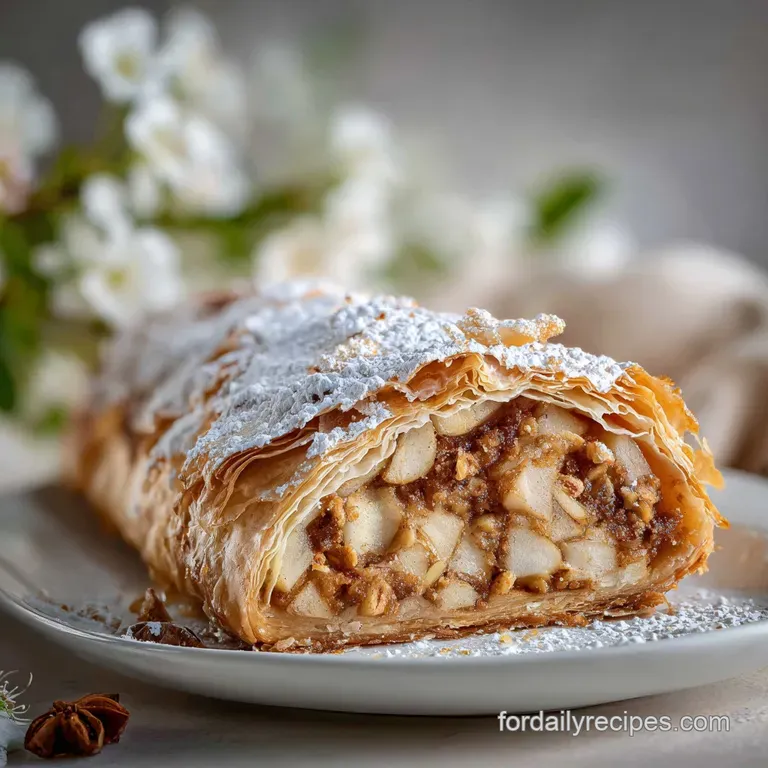
- Time: Active 30 minutes, Passive 40 minutes, Total 1 hours 10 mins
- Flavor/Texture Hook: Shatter crisp pastry with velvety spiced apples
- Perfect for: Impressive holiday desserts or a cozy Sunday project
- Master the Ultimate Traditional Apple Strudel Recipe
- Why This Technique Works Every Time
- Essential Specs for Success
- Ingredient Deep Dive Analysis
- Essential Ingredients and Substitutes
- Critical Equipment for Success
- The Step-by-Step Cooking Process
- Fixing Common Strudel Mistakes
- Creative Twists and Flavor Swaps
- Storage and Zero Waste Tips
- Perfect Ways to Serve Strudel
- Recipe FAQs
- 📝 Recipe Card
Master the Ultimate Traditional Apple Strudel Recipe
Nothing beats the aroma of warm cinnamon and tart apples wafting through the house on a chilly afternoon. If you have ever been intimidated by that translucent, paper thin dough you see in Austrian bakeries, I get it.
I used to be terrified of tearing it, but after a dozen "oops" moments, I realized the secret is all in the rest time and the temperature of your water. This apple strudel recipe is about patience, not perfection.
We are skipping the store-bought puff pastry today because, honestly, the crunch of a hand stretched dough is incomparable. We want that specific shatter that only comes from a high stretch, lean dough. Don't worry about a tiny tear here or there, the rolling process hides a multitude of sins.
Once you see your hands through the dough, you'll feel like a kitchen rockstar.
Right then, let's get into why this works and how we can make sure your kitchen doesn't end up covered in flour for nothing. This is the version that actually works in a home kitchen without needing a table the size of a football field. Trust me, we've got this.
Why This Technique Works Every Time
The success of this dish relies on a few fundamental principles of baking chemistry that turn simple flour and water into a crisp masterpiece. It is all about managing the physical properties of the dough.
- Gluten Plasticity: The use of lukewarm water and a long rest period relaxes the gluten proteins, allowing the dough to be stretched extremely thin without snapping back.
- Starch Gelatinization: As the apples cook, the sugar and lemon juice draw out moisture, which the toasted breadcrumbs then absorb to prevent a soggy bottom.
- Lamination Effect: Brushing the thin layers with melted butter creates distinct, flaky barriers that puff slightly during the bake.
| Cook Method | Time | Texture | Best For |
|---|---|---|---|
| Traditional Hand Stretched | 1 hours 10 mins | Shatter crisp and light | Authentic flavor and wow factor |
| Puff Pastry Shortcut | 45 minutes | Buttery and thick | Quick weeknight cravings |
| Phyllo Dough Swap | 50 minutes | Very flaky but fragile | Low effort crispy layers |
Whether you go for the authentic stretch or a quick swap depends on your schedule, but the traditional method is where the real magic happens. If you love a good crunch, you might find the texture profile reminds you of the crisp edges in my Sweet Cornbread Recipe.
Essential Specs for Success
Before we start peeling, let's look at the "how and why" behind our specific ingredient choices. Not all apples or flours are created equal when it's time to bake.
Ingredient Deep Dive Analysis
| Component | Science Role | Pro Secret |
|---|---|---|
| All Purpose Flour | Provides the gluten structure | Use a brand with 10-11% protein for the best stretch |
| Granny Smith Apples | Maintains structural integrity | Mix with Honeycrisp for a balance of tart and sweet |
| Toasted Breadcrumbs | Moisture management | Toast them in butter first to seal out apple juices |
It's vital to use lukewarm water for the dough. Cold water keeps the gluten tight and angry, which means you'll spend an hour fighting to stretch it only for it to shrink back like a rubber band.
Essential Ingredients and Substitutes
To get that authentic result, stick to these measurements. I've found that precision here saves a lot of headache during the stretching phase.
- 250g all purpose flour: The backbone of our pastry. Why this? Provides enough gluten for stretching without being too tough.
- 2 tbsp vegetable oil: Adds extensibility to the dough. (Sub: Melted lard for a more traditional, savory note).
- 125ml lukewarm water: Activates the flour.
- 0.25 tsp salt: Enhances the flavor of the pastry.
- 1 kg apples: A mix of Granny Smith and Honeycrisp. Why this? Granny Smiths don't turn to mush when baked.
- 100g granulated sugar: For sweetness and maceration. (Sub: Brown sugar for a deeper caramel flavor).
- 1 tbsp ground cinnamon: The essential spice.
- 50g golden raisins: Adds chewy bursts of sweetness. (Sub: Dried cranberries).
- 2 tbsp dark rum: For soaking the raisins. Why this? Adds a complex, aged aroma to the fruit.
- 1 tbsp lemon juice: Prevents browning and balances sugar.
- 60g fine breadcrumbs: Our "moisture sponge."
- 50g unsalted butter, melted: For layering and browning.
- 50g chopped walnuts: Adds a necessary earthy crunch.
Chef Tip: Freeze your butter for 10 minutes before melting it for the dough brushing. It seems counter intuitive, but cold stored butter that is quickly melted retains a slightly different milk solid structure that helps with browning.
Critical Equipment for Success
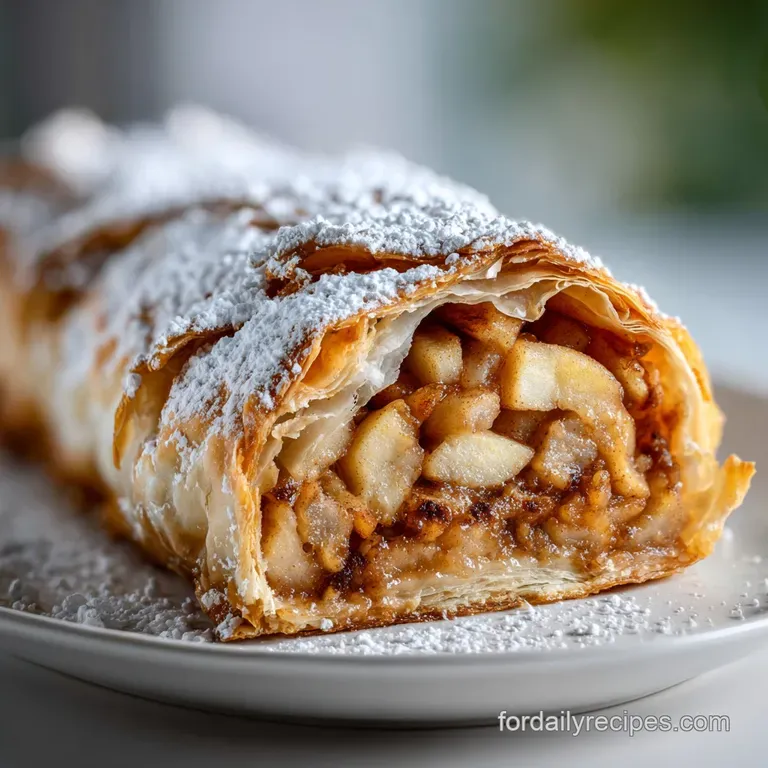
You don't need a lot of gear, but one item is non negotiable: a large, clean cotton kitchen towel (not terry cloth!). You will also need a rolling pin, a large baking sheet, and a pastry brush. A sharp knife or a mandoline is helpful for getting those apple slices paper thin.
The step-by-step Cooking Process
- Mix the dough. Combine 250g flour, 2 tbsp oil, 125ml lukewarm water, and 0.25 tsp salt. Knead for 10 minutes until it feels like a soft earlobe.
- Rest the dough. Shape into a ball, coat with oil, and let it sit under a warm bowl for 30 minutes. Note: This is the most important step for gluten relaxation.
- Prepare the filling. Toss 1kg sliced apples with 1 tbsp lemon juice, 100g sugar, 1 tbsp cinnamon, and 50g walnuts.
- Soak the fruit. Combine 50g golden raisins with 2 tbsp dark rum and let them sit while the dough rests.
- Toast the crumbs. Sauté 60g breadcrumbs in a little butter until golden and nutty smelling.
- Start the stretch. Roll the dough on a floured towel as thin as possible, then use the backs of your hands to gently pull from the center until it is translucent and covers the towel.
- Layer the flavors. Brush the dough with melted butter. Spread the toasted breadcrumbs over two thirds of the dough.
- Add the apples. Pile the apple mixture over the breadcrumbs, leaving a border at the edges.
- The towel roll. Use the towel to lift the edge of the dough and roll the strudel tightly like a log. Watch for the dough to wrap smoothly without air pockets.
- The bake. Transfer to a sheet, brush with more butter, and bake at 190°C for 40 minutes until the crust is deep golden and crackling.
Fixing Common Strudel Mistakes
Why Your Strudel Is Soggy
This is usually caused by the apples releasing too much juice. If you don't use enough breadcrumbs or if the apples aren't sliced thin enough to cook quickly, the bottom will turn into a mushy mess.
Why Your Dough Kept Tearing
If the dough is too cold or hasn't rested long enough, it won't stretch. Also, ensure you've removed any rings or jewelry; one sharp edge can ruin the whole sheet.
| Problem | Root Cause | Solution |
|---|---|---|
| Tough Pastry | Over kneaded or not enough oil | Knead only until smooth; don't skip the oil coating |
| Filling Leaking | Rolling too loosely | Use the towel to keep tension while rolling |
| Pale Crust | Oven temp too low | Ensure preheat to 190°C; brush generously with butter |
Common Mistakes Checklist ✓ Ensure the water is lukewarm, not hot (which kills the dough) or cold. ✓ Let the dough rest in a warm spot, not the fridge. ✓ Pat the sliced apples dry if they seem excessively watery.
✓ Use a plain cotton towel; the dough will stick to textured fabrics. ✓ Don't overfill - more isn't better if the dough can't close.
Creative Twists and Flavor Swaps
If you want to move away from the traditional, try adding a tablespoon of orange zest to the filling for a bright, citrusy lift. You can also swap the walnuts for toasted hazelnuts if you prefer a sweeter, more "Nutella adjacent" vibe.
For a dairy-free version, use a high-quality vegan butter or even a neutral coconut oil for brushing. If you are serving this to someone who avoids dairy, it pairs beautifully with a splash of my Almond Milk recipe used as a base for a vegan vanilla custard.
Two Diet Friendly Adaptations
- Vegan: Use melted coconut oil instead of butter and skip the rum if preferred. The texture remains surprisingly crisp.
- Reduced Sugar: Use only Granny Smith apples and swap half the sugar for erythritol. Note: This will result in a slightly less syrupy filling.
Storage and Zero Waste Tips
Storage: Apple strudel is best eaten the day it is made to enjoy that "shatter" crunch. However, you can store leftovers in the fridge for up to 3 days. To reheat, avoid the microwave! It will turn the pastry into leather.
Use a 175°C oven for 10 minutes to bring the crispness back.
Zero Waste: Don't toss those apple peels! Toss them with a little sugar and cinnamon and bake them until crispy for "apple chips," or simmer them with water and a cinnamon stick to make a quick stovetop potpourri.
If you have leftover dough scraps, fry them in a little oil and dust with powdered sugar for a quick "cook's treat."
Perfect Ways to Serve Strudel
In Vienna, you'll rarely see a strudel served solo. It almost always comes with a side of lightly sweetened whipped cream (Schlagobers) or a warm vanilla sauce. If you're feeling fancy, a scoop of high-quality vanilla bean ice cream provides a temperature contrast that is hard to beat.
For a savory leaning brunch, I've even seen people serve smaller slices alongside a rich gravy, similar to the flavor profiles found in a Giblet Gravy Recipe, though that's definitely for the adventurous palate! Stick to the vanilla sauce if you want to keep the table happy. Enjoy the process, and remember: even a "messy" strudel tastes like heaven.
Recipe FAQs
What is the best pastry for apple strudel?
A thin, hand stretched dough is traditional and best. While puff pastry or phyllo can be used as shortcuts, the authentic Viennese strudel pastry is made from a lean dough that is stretched until it's paper thin. This creates a unique, shatteringly crisp texture unlike any other.
What is the difference between apple strudel and apple streusel?
Apple strudel has a thin, wrapped pastry crust, while apple streusel has a crumbly topping. Strudel dough is stretched very thin and wrapped around the apple filling.
Streusel, on the other hand, is a dessert where the apples are usually baked in a dish and topped with a mixture of flour, sugar, and butter that creates a crumbly, cake like crust.
How do you prevent strudel from getting soggy?
Use toasted breadcrumbs and drain excess apple juice. Toasting breadcrumbs in butter first helps them absorb moisture more effectively. Slicing the apples thinly also ensures they cook quickly, reducing the amount of liquid released.
If your apples seem very watery, give them a gentle pat dry before adding them to the filling.
Why do you put breadcrumbs in apple strudel?
Breadcrumbs act as a moisture barrier. They are spread on the stretched dough before the apple filling is added. This layer absorbs excess juice released from the apples as they bake, preventing the delicate pastry from becoming soggy and maintaining its crispness.
Can I use frozen apples for apple strudel?
No, it's best to use fresh apples. Frozen apples release a lot more moisture when thawed and cooked, which can make your strudel soggy, even with breadcrumbs. Fresh apples maintain their shape better and have a more vibrant flavor for this recipe.
How do I get the strudel dough thin enough?
Rest the dough adequately and use the towel stretch method. After kneading, let the dough rest under a warm bowl for at least 30 minutes; this relaxes the gluten. Then, place the dough on a clean, floured cotton towel and gently stretch it using the backs of your hands until it's translucent enough to see through.
If you enjoyed mastering dough extensibility here, see how the same principle applies to Pizza Dough.
What kind of apples are best for strudel?
A mix of tart and firm apples is ideal. Granny Smith apples are a classic choice because they hold their shape well and offer a nice tartness. Combining them with a sweeter, softer apple like Honeycrisp or Fuji provides a balanced flavor and texture.
This blend ensures the filling isn't too mushy or overwhelmingly sour.
Apple Strudel Recipe
Ingredients:
Instructions:
Nutrition Facts:
| Calories | 321 kcal |
|---|---|
| Protein | 4.6 g |
| Fat | 10.9 g |
| Carbs | 51.8 g |
| Fiber | 3.6 g |
| Sugar | 24.2 g |
| Sodium | 115 mg |
