Authentic Afghan Bolani Potato Stuffed Flatbread
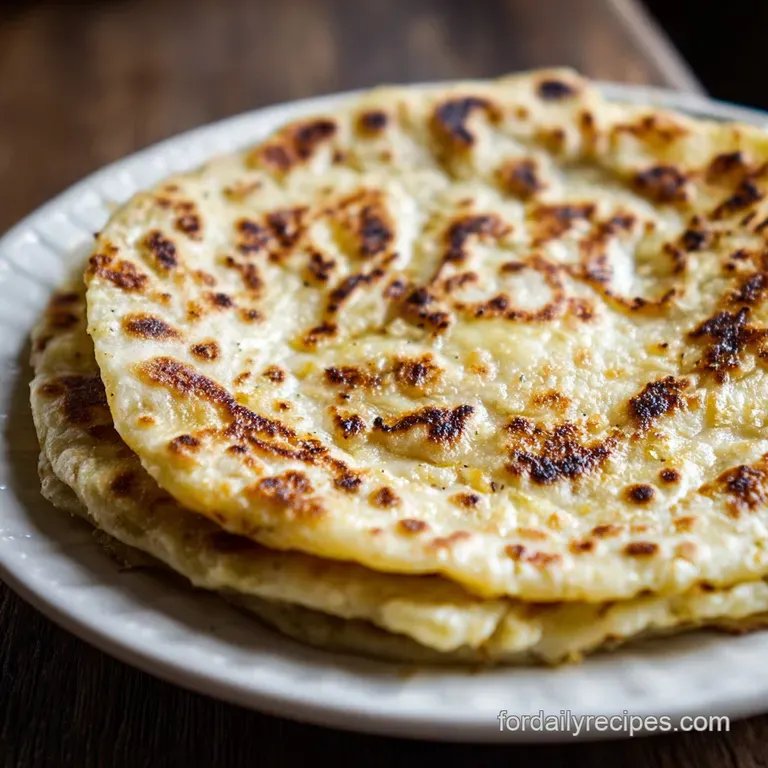
- Time: Active 30 minutes, Passive 20 minutes, Total 50 minutes
- Flavor/Texture Hook: Shatteringly crisp exterior with a velvety, zesty potato filling
- Perfect for: Weekend brunch, adventurous appetizers, or a cozy street food style dinner
- Authentic Afghan Bolani Potato Stuffed Flatbread
- Why This Flatbread Always Disappears
- Component Analysis of Afghan Bolani
- Gathering Your Fresh Bolani Ingredients
- Essential Tools for Golden Crusts
- Step-by-Step Bolani Cooking Method
- Fix Common Stuffed Bread Problems
- Tasty Filling and Flour Swaps
- Storing and Reheating Your Bolani
- Best Dips for Stuffed Flatbread
- High in Sodium
- Recipe FAQs
- 📝 Recipe Card
Authentic Afghan Bolani Potato Stuffed Flatbread
The first time the scent of frying dough and hot scallions filled my kitchen, I knew I was in trouble. It was a Saturday afternoon, and I was trying to recreate a Bolani I’d had at a street stall years ago.
I remember that specific "hiss" as the dough hit the skillet and the way the aroma of toasted flour immediately mixed with the sharp, green fragrance of fresh cilantro. It’s a smell that travels through the house, pulling everyone into the kitchen before the first batch is even drained.
We’ve all had flatbreads, but this is different. It’s not thick like naan or soft like a pita. It’s a delicate, paper thin envelope that’s been pan-fried until it’s covered in those beautiful, charred leopard spots.
When you pull it apart, the steam escapes in a little puff, carrying the scent of black pepper and green chili. It’s rustic, it’s honest, and honestly, it’s one of the most addictive things I’ve ever learned to make in my own kitchen.
Why This Flatbread Always Disappears
Getting that specific texture isn't an accident. It comes down to a few simple interactions between the starch in the potatoes and the protein in the flour. If you love the earthy comfort of this filling, you’ll also enjoy this oven-roasted Baby Potatoes recipe.
- Gluten Relaxation: A short 20 minute rest for the dough allows the gluten network to loosen, which is exactly why we can roll it thin enough to see through without it snapping back.
- Starch Gelatinization: Using Russet potatoes is key because their high starch content absorbs the moisture from the scallions, creating a filling that stays inside the bread rather than turning it soggy.
- Surface Area Frying: Because the bread is folded into a half moon, the flat surface area maximizes contact with the hot oil, ensuring every square centimeter achieves that signature shatter.
- Steam Pockets: As the moisture in the potato filling heats up, it creates internal steam that puffs the dough slightly, separating the layers and keeping the interior tender.
The Physics of the Golden Bubble
The high heat of the pan causes the water in the dough to evaporate instantly, creating tiny steam pockets that expand the gluten. This is what creates those characteristic charred bubbles that give the bread its crunch.
| Method | Prep Time | Texture | Authenticity |
|---|---|---|---|
| Classic Stovetop | 50 minutes | Thin, crisp, chewy | 100% |
| Quick Tortilla Hack | 15 minutes | Brittle, uniform | 15% |
| Oven Baked | 45 minutes | Crunchy, dry | 40% |
The classic stovetop method wins every time because the direct conduction of the heavy skillet creates a texture that simply can't be replicated in an oven or with pre made wraps.
Component Analysis of Afghan Bolani
| Ingredient | Science Role | Pro Secret |
|---|---|---|
| All purpose Flour | Protein Structure | Use a flour with 10-11% protein for the best "chew" versus "snap" balance. |
| Russet Potatoes | Moisture Control | Mash them while they are still steaming to ensure a perfectly smooth, velvety texture. |
| Scallions (Green Onions) | Flavor & Volatiles | Use both the white and dark green parts to get the full spectrum of onion flavor. |
| Vegetable Oil | Heat Conductor | Maintain a temperature of 180°C in the pan to prevent the dough from soaking up fat. |
Understanding how these elements interact helps you adjust on the fly. For instance, if your dough feels too tight, it just needs a few more minutes of resting time to let the flour fully hydrate.
Gathering Your Fresh Bolani Ingredients
To make 6 generous servings of this Afghan Bolani Potato Stuffed Flatbread, you’ll need to gather these specific quantities. Trust me, don't try to eyeball the flour to water ratio on your first go; the dough needs to be just right not sticky, but not dry either.
- 3.75 cups all purpose flour: This provides the base for our dough. Why this? AP flour has the perfect protein balance for a thin, pliable crust.
- 1.25 cups warm water: The warmth helps activate the gluten and hydrate the flour quickly.
- 2 tablespoons vegetable oil: Added to the dough for a bit of elasticity and tenderness.
- 1.5 teaspoons sea salt: To season the dough itself.
- 3 large Russet potatoes: Peeled and boiled until tender. Why this? Their starchy nature makes for a fluffier, less waxy filling.
- 1 bunch scallions: Finely chopped. This provides the signature aromatic "green" flavor.
- 0.5 cup fresh cilantro: Finely minced for a bright, citrusy herbaceous finish.
- 1 small green chili: Finely diced. Remove seeds if you want less heat.
- 1 teaspoon black pepper: For a subtle, lingering warmth.
- 1 teaspoon salt: To season the potato mash.
- 6 tablespoons vegetable oil: Specifically for the pan frying stage.
Essential Tools for Golden Crusts
You don't need a lot of fancy gear, but a few specific items make the process much smoother. I've found that using a heavy bottomed skillet is non negotiable for even heat distribution.
- Large mixing bowl: For bringing the dough together.
- Rolling pin: You’ll want one that allows you to apply even pressure for that paper thin result.
- Cast iron skillet or heavy non stick pan: This ensures the heat stays consistent as you add each flatbread.
- Potato masher: To get the filling silky smooth.
- Clean kitchen towel: To keep the finished Bolanis warm and slightly soft as you fry the rest.
step-by-step Bolani Cooking Method
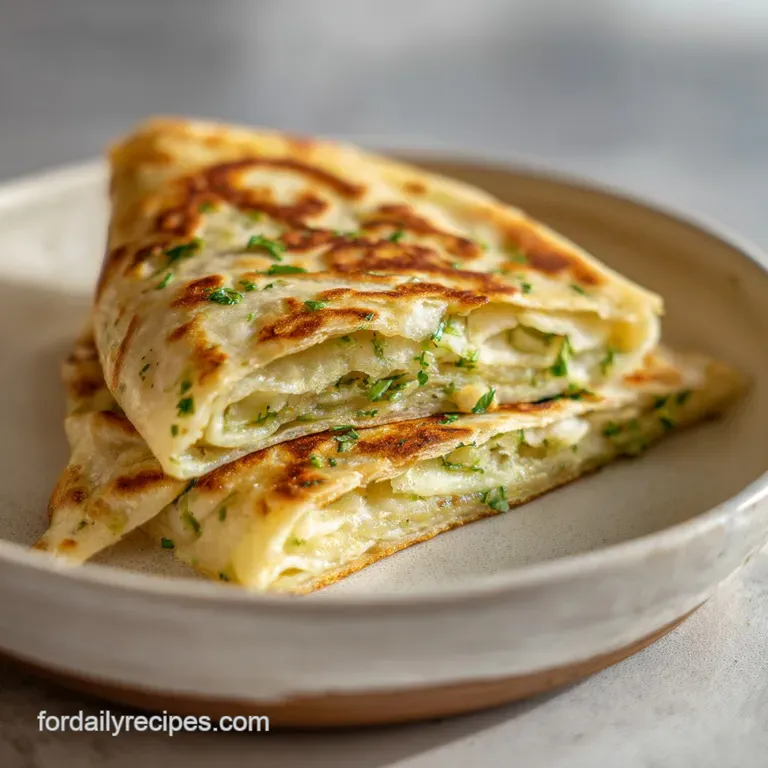
Making this dish is a rhythm. Once you get the hang of the fold and the fry, it goes incredibly quickly. The technique of getting that golden crust reminds me of making a potato pancakes recipe.
- Mix the dough. Combine 3.75 cups all purpose flour, 1.25 cups warm water, 2 tablespoons oil, and 1.5 teaspoons sea salt in a bowl. Note: Mix until a shaggy ball forms.
- Knead and rest. Knead the dough for 5-7 minutes until it feels as smooth as an earlobe. Cover and let it rest for 20 minutes.
- Prep the potatoes. Boil the 3 large Russet potatoes in salted water until fork tender, then drain.
- Mash the filling. Mash the warm potatoes and stir in the chopped scallions, cilantro, green chili, pepper, and 1 teaspoon salt. Note: Heat helps the aromatics release their oils into the mash.
- Divide the dough. Cut the rested dough into 6 equal portions and roll each into a smooth ball.
- Roll it thin. On a lightly floured surface, roll one ball out into a large circle, roughly 2mm thick. You should almost be able to see the grain of the wood through it.
- Apply the filling. Spread a thin layer of the potato mixture over one half of the dough circle, leaving a 1cm border.
- Seal the edges. Fold the empty half over the filling and press the edges firmly to seal. Note: Use a fork to crimp if you want extra security.
- Fry until golden. Heat 1 tablespoon of oil in your skillet over medium high heat. Fry the Bolani for 2-3 minutes per side until the surface is shattered with golden brown spots.
- Drain and serve. Place on a paper towel lined plate and cover with a cloth to keep warm. Repeat with the remaining dough and oil.
Chef's Tip: If your dough is springing back while rolling, stop. Cover it with a towel and let it sit for another 10 minutes. You can't fight gluten; you have to negotiate with it.
Fix Common Stuffed Bread Problems
One mistake I once made was overfilling the dough. I thought more potato meant more love, but it actually just meant a soggy mess that wouldn't seal. Let's look at how to avoid the most common pitfalls when making this Afghan Bolani Potato Stuffed Flatbread recipe.
Why Your Bolani is Splotchy
If your flatbread has big dark burnt spots and raw dough elsewhere, your heat is too high. The oil needs to be shimmering but not smoking. A heavy pan helps regulate this, but you may need to turn the flame down slightly after the first two breads are done.
The Mystery of the Leaking Filling
Filling usually leaks because of two things: either the potato mash was too wet (did you drain them well?) or the edges weren't sealed properly. A tiny bit of water on your fingertip can act as "glue" if the dough is a bit floury.
| Problem | Root Cause | Solution |
|---|---|---|
| Dough Tearing | Under rested gluten | Let dough sit for 10 extra mins. |
| Soggy Crust | Oil not hot enough | Wait for the oil to shimmer before adding dough. |
| Bursting Edges | Overfilled center | Use a thinner layer of potato and leave a 1cm border. |
Common Mistakes Checklist
- ✓ Drain potatoes thoroughly to prevent a watery filling.
- ✓ Don't skip the dough rest; it's the difference between easy rolling and a workout.
- ✓ Mince the scallions and cilantro as finely as possible so they don't puncture the thin dough.
- ✓ Use a neutral oil with a high smoke point, like avocado or grapeseed, for the best flavor.
- ✓ Wipe the pan between batches if you see any burnt flour bits accumulating.
Tasty Filling and Flour Swaps
The beauty of this recipe is how adaptable it is. While the potato version is a classic, you can easily shift the flavor profile depending on what's in your pantry or your dietary needs.
| Original Ingredient | Substitute | Why It Works |
|---|---|---|
| All purpose Flour | White Whole Wheat | Higher fiber. Note: Creates a denser, nuttier crust that needs 10% more water. |
| Russet Potatoes | Sweet Potatoes | Adds a sugary depth. Note: Filling will be softer and slightly more delicate to flip. |
| Vegetable Oil | Ghee (Clarified Butter) | Adds a rich, buttery aroma. Note: Makes the crust slightly more flaky than crispy. |
If you’re looking to change the "vibe" of the dish, you can swap the cilantro for fresh dill or even add a handful of crumbled feta into the potato mix for a salty, creamy surprise.
Storing and Reheating Your Bolani
If you happen to have leftovers which is rare in my house they store remarkably well. Put them in an airtight container with a piece of parchment paper between each one to prevent sticking. They’ll stay fresh in the fridge for up to 3 days.
To reheat, avoid the microwave at all costs! It will turn your beautiful crisp bread into a rubbery disappointment. Instead, toss them back into a dry skillet over medium heat for 2 minutes per side. They’ll crisp right back up. You can also freeze these!
Flash freeze them on a tray first, then bag them up. They’ll last 2 months and can go straight from the freezer to a over low heat skillet.
For a zero waste tip: if you have leftover potato filling but no dough, form them into small cakes and fry them like hash browns. They are incredible with an egg on top the next morning!
Best Dips for Stuffed Flatbread
In Afghanistan, Bolani is almost always served with a side of "Chutney Sabz" (a spicy green sauce) or a thick, garlicky yogurt. I personally love a simple bowl of Greek yogurt mixed with a little dried mint and a squeeze of lemon. The cool, tangy dairy is the perfect foil for the hot, savory bread.
If you want something with more kick, a quick blend of cilantro, green chili, garlic, and vinegar makes a vibrant dipping sauce that cuts right through the richness of the fried dough. Honestly, though?
These are so flavorful on their own that I’ve been known to eat them standing over the stove, straight out of the pan. No judgment here. Just make sure you have plenty of napkins that shatteringly crisp crust tends to leave a trail of delicious evidence!

High in Sodium
978 mg mg of sodium per serving (43% of daily value)
The American Heart Association recommends limiting sodium intake to no more than 2,300mg per day for overall cardiovascular health.
Tips to Reduce Sodium in Your Potato Filling Recipe
-
Reduce Added Salt-25%
This recipe uses salt twice! Reduce the 1.5 teaspoons of sea salt in the dough to 0.75 teaspoon, and eliminate the extra 1 teaspoon of salt entirely from the potato filling. This will significantly lower the overall sodium content.
-
Unsalted Potatoes-15%
When boiling the potatoes, avoid adding any salt to the water. Boiling in unsalted water will prevent the potatoes from absorbing additional sodium.
-
Spice It Up!-10%
Enhance the flavor with additional black pepper, garlic powder (check labels for no added salt!), or smoked paprika instead of relying on salt.
-
Fresh Herbs Power-5%
Increase the amount of fresh cilantro and scallions. Their natural flavors reduce the need for added salt.
-
Experiment with Spices
Use a variety of spices and herbs like cumin, coriander, or turmeric to build flavor complexity without adding sodium. Remember to always check labels for hidden sodium.
Recipe FAQs
Is it necessary to boil the potatoes until they are mushy for the filling?
No, aim for fork tender, not mushy. Overcooked potatoes release too much water, which results in a soggy filling that is difficult to seal inside the thin dough.
How to achieve the signature shatteringly crisp texture on the outside?
Fry the dough in consistently hot oil around 180°C (350°F). This high, dry heat causes the moisture in the dough to instantly vaporize, creating the necessary bubbles and crunch.
Can I substitute the scallions with yellow onions?
Yes, but reduce the quantity significantly. Yellow onions are much sharper and contain more moisture; use about half the volume of finely diced yellow onion compared to scallions to maintain flavor balance.
How long must the dough rest before rolling it out thinly?
Rest the dough for a minimum of 20 minutes. This relaxation period allows the gluten strands to loosen, which is crucial for rolling the dough thin without it constantly shrinking back on you.
Is it true that this flatbread can be made vegan by omitting the oil in the dough?
False. While the traditional dough uses only flour, water, and salt, adding a small amount of oil is essential for texture, as it inhibits gluten development slightly, keeping the crust tender rather than brittle.
How to best preserve the vibrant green color of the cilantro and scallions?
Add the fresh herbs only after the potatoes have cooled slightly. If you mix them with scorching hot potatoes, the heat will rapidly oxidize the chlorophyll, turning the herbs dull and brown.
What can I serve with Bolani instead of yogurt?
Serve it with a bright, acidic chutney or relish. The coolness of dairy is traditional, but a quick homemade green chili sauce provides a great contrast; if you enjoy strong flavor balancing acts, see how we use acid to balance rich flavors in our Patates Salatasi Turkish recipe.
Afghan Potato Bolani Flatbread

Ingredients:
Instructions:
Nutrition Facts:
| Calories | 614 kcal |
|---|---|
| Protein | 12.4 g |
| Fat | 19.8 g |
| Carbs | 96.5 g |
| Fiber | 5.7 g |
| Sugar | 1.9 g |
| Sodium | 978 mg |
