Beef Kofta with Tahini Sauce
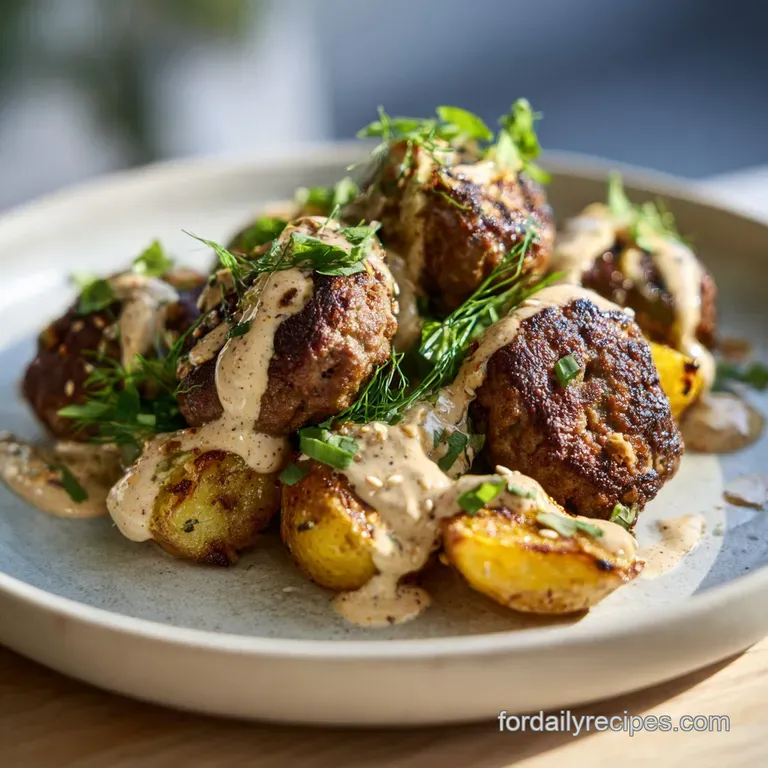
- Time: Active 20 minutes, Passive 35 minutes, Total 55 minutes
- Flavor/Texture Hook: Velvety tahini sauce meeting crispy edged beef
- Perfect for: Deeply satisfying weekend feasts or adventurous family dinners
- Master the Hearty and Savory Tahini Kofta
- The Science of Flavor Contrasts
- Component Analysis and Strategic Roles
- Kitchen Essentials for Success
- Step-by-Step Culinary Walkthrough
- Common Pitfalls and Solutions
- Creative Variations and Tweaks
- Scaling for Different Crowds
- Proper Storage and Zero Waste
- Perfect Pairings for Balance
- Recipe FAQs
- 📝 Recipe Card
Master the Hearty and Savory Tahini Kofta
The first time I stood over a bubbling pan of this dish, the aroma hit me like a physical wave. It wasn't just the smell of roasting meat; it was the scent of toasted sesame seeds transforming into something creamy, sharp, and deeply grounded.
I remember watching the sauce bubble around the edges of the pan, turning from a pale ivory to a rich, golden tan. It is a dish that transcends borders, bringing the heart of Middle Eastern hospitality right into your kitchen with a warmth that feels extraordinary.
We often think of tahini as a humble drizzle for falafel or a base for dips, but here, it undergoes a metamorphosis. When it meets the high heat of the oven and the rendered fats of the beef, it creates a velvety blanket that softens the spice of the meat.
This isn't just dinner, it's a study in contrasts: the earthy warmth of cinnamon, the bright spark of lemon, and the satisfying crunch of par roasted potatoes.
I've spent years tweaking this balance, learning the hard way that a sauce too thin or an onion too watery can dampen the magic. But when you get it right, the texture is nothing short of transcendent.
Let's look at how we can achieve that characteristic balance of textures and flavors that makes this specific preparation a staple in Levant kitchens from Amman to Beirut.
The Science of Flavor Contrasts
Understanding the chemistry of your ingredients changes how you cook them. This dish relies on several key interactions to achieve its specific mouthfeel.
- The Tahini Water Paradox: Tahini is a colloid of sesame solids in oil; adding water initially causes the solids to seize and thicken before the mixture eventually emulsifies into a smooth cream.
- Starch Gelatinization: Par roasting the potatoes at 200°C allows the surface starches to dehydrate and crisp, creating a barrier that prevents them from turning into mush once the sauce is added.
- Maillard Reaction: Searing the beef before the final bake creates complex flavor compounds (melanoidins) that provide a savory counterpoint to the bitter sweet notes of the sesame.
- Acid Stabilization: The lemon juice doesn't just add brightness; it lowers the pH of the sauce, which helps stabilize the tahini emulsion so it doesn't break under the intense heat of the oven.
| Thickness | Internal Temp | Rest Time | Visual Cue |
|---|---|---|---|
| 2.5cm patty | 71°C | 5 mins | Juices run clear and meat is browned |
| 1cm potato | N/A | 2 mins | Edges are golden and slightly translucent |
| Sauce layer | N/A | 1 min | Bubbling gently with a matte finish |
Selecting the right method depends on your schedule, though the classic approach yields the most complex textures. If you choose the stovetop route, you sacrifice some of that oven baked "crust" on the sauce for a faster finish.
| Method | Time | Texture | Best For |
|---|---|---|---|
| Traditional Oven | 55 mins | Thick, roasted sauce with charred meat | Authentic weekend dinners |
| Stovetop Skillet | 35 mins | Saucier, softer meat | Busy weeknights |
| Air Fryer (Kofta) | 25 mins | Extra crispy exterior, thinner sauce | Smaller portions or meal prep |
Component Analysis and Strategic Roles
Every element in this recipe serves a specific structural or flavor driven purpose. We don't just add ingredients; we build layers of taste.
| Ingredient | Science Role | Pro Secret |
|---|---|---|
| 500g Ground Beef | Provides the protein matrix and essential fats | Use 15-20% fat content to ensure the meat stays supple in the dry heat. |
| 0.5 cup Tahini | Acts as a thickener and flavor base | Stir the jar thoroughly before measuring to ensure a perfect oil to solid ratio. |
| Fresh Lemon Juice | Breaks the richness and emulsifies | Always use fresh; bottled juice lacks the volatile oils needed for the aroma. |
| Russet Potatoes | Absorbs meat juices and provides structure | Slice them into uniform rounds to ensure they cook at the same rate. |
When sourcing your proteins, keep in mind that the fat is where the flavor lives. If you use beef that is too lean, the kofta will become tough and rubbery rather than tender. The spices, particularly the allspice and cinnamon, are non negotiable for that authentic profile.
Ingredients & Substitutes
- 500g ground beef (15-20% fat): Why this? The fat renders out, seasoning the potatoes and thinning the sauce naturally.
- Substitute: Ground lamb for a richer, more traditional flavor.
- 3 large russet potatoes: Why this? Their high starch content allows for a fluffy interior and crispy exterior.
- Substitute: Yukon Gold for a waxier, more buttery texture that holds its shape.
- 0.5 cup tahini paste: Why this? Provides the nutty, bitter foundation that defines the dish.
- Substitute: Cashew butter mixed with a drop of sesame oil (though the flavor will be sweeter).
- 1 small yellow onion: Why this? Adds moisture and sweetness to the meat mixture.
- Substitute: Shallots for a more delicate, garlicky undertone.
- 0.5 cup fresh parsley: Why this? Adds a necessary herbal brightness to cut through the fat.
- Substitute: Fresh cilantro for a more citrusy, sharp finish.
- 0.25 cup fresh lemon juice: Why this? Essential for emulsifying the tahini and providing acidic balance.
- Substitute: White wine vinegar or lime juice (in a pinch).
- Spices (Allspice, Cinnamon, Cumin): Why this? This trio creates the warm, earthy aromatic profile typical of the Levant.
- Substitute: Seven spice blend (Baharat) if you have it on hand.
Kitchen Essentials for Success
To achieve the "shatter" on the potatoes and the "velvety" finish on the sauce, you'll need the right tools. I highly recommend a large, heavy rimmed baking sheet or a deep stoneware casserole dish. A cast iron skillet is also a fantastic choice if you want to move from stovetop to oven seamlessly.
You will also need a fine grater for the onion. One mistake I once made was just dicing the onion; the chunks prevented the meat from binding properly. Grating ensures the onion juices permeate the beef, keeping it moist during the bake.
A sturdy whisk is essential for the tahini sauce; you want to work that water into the paste until it transforms from a sludge into a pourable silk.
step-by-step Culinary Walkthrough
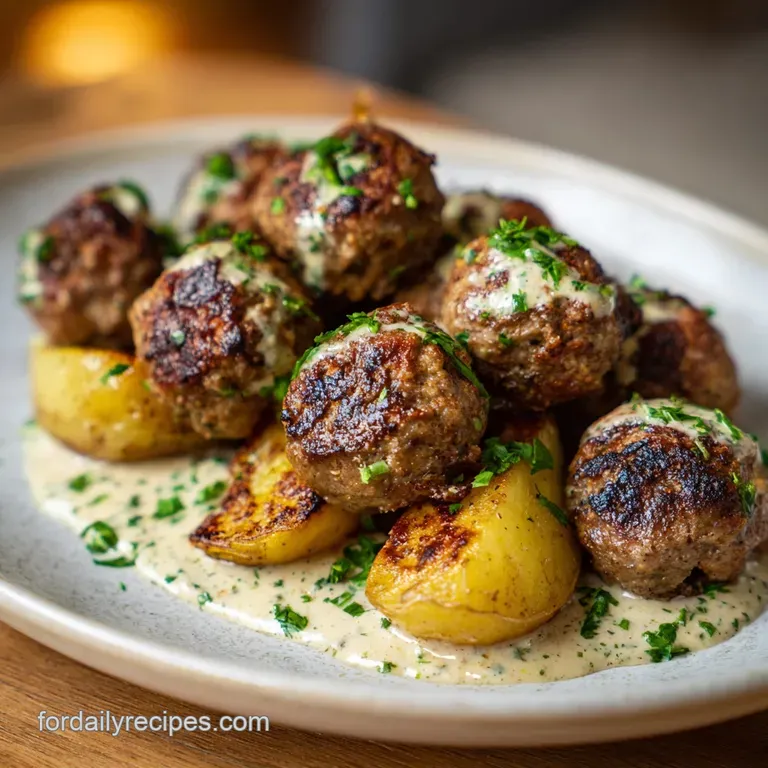
- Prep the potatoes. Peel and slice your 3 large russet potatoes into 1cm rounds. Note: Uniform thickness ensures even cooking.
- Par roast the base. Toss the potatoes with 1 tbsp olive oil and a pinch of salt, then roast at 200°C for 15 minutes until the edges are just starting to golden.
- Prepare the aromatics. Grate the small yellow onion and squeeze it over the sink to remove every drop of excess liquid. Note: This prevents the kofta from falling apart.
- Mix the kofta. Combine 500g ground beef with the onion, 0.5 cup minced parsley, 1 tsp allspice, 0.5 tsp cinnamon, 1 tsp salt, and 0.5 tsp black pepper.
- Shape the meat. Form the mixture into small oval patties (fingers) or flat rounds, about 2.5cm thick.
- Sear the meat. Arrange the kofta on top of the par roasted potatoes and bake for 10 minutes until the beef sizzles and browns slightly.
- Emulsify the sauce. Whisk 0.5 cup tahini with 0.25 cup lemon juice, 2 crushed garlic cloves, a pinch of cumin, and 0.5 cup warm water until the mixture is velvety and smooth.
- The final assembly. Pour the tahini sauce over the meat and potatoes, ensuring every piece is coated.
- The final bake. Return to the oven for 10-15 minutes until the sauce bubbles and the potatoes are tender.
- Rest and serve. Let the dish sit for 5 minutes until the sauce thickens and the juices settle.
Chef's Tip: If the sauce looks too thick after whisking, add warm water one tablespoon at a time. It should be the consistency of heavy cream before it goes into the oven.
Common Pitfalls and Solutions
Cooking with tahini can be temperamental. If you've ever had a sauce turn into a gritty paste, you know the frustration. The key is in the temperature and the ratio of acid to fat.
Why is the tahini sauce grainy?
This usually happens if the water added was too cold or if it was added too quickly. The solids in the tahini "clump" together. To fix this, continue whisking vigorously while adding a tiny bit more warm water. The heat helps the fats and solids realign into a smooth emulsion.
Why did the meat shrink so much?
High fat meat naturally shrinks as the fat renders. If you notice significant shrinkage, it might be that the oven was too hot too fast. However, in this dish, that rendered fat is actually a bonus it seasons the potatoes and mixes with the tahini to create a much deeper flavor profile than you'd get with lean meat. For a similar flavor profile without the baking step, you might enjoy an Authentic Beef Kafta recipe.
| Problem | Root Cause | Solution |
|---|---|---|
| Sauce is too thin | Too much water added | Bake for an extra 5 mins to reduce liquid |
| Potatoes are hard | Slices were too thick | Par roast for 5 mins longer next time |
| Meat is dry | Fat content too low | Add a teaspoon of olive oil to the meat mix |
Common Mistakes Checklist
- ✓ Squeeze the grated onion bone dry to prevent the meat from becoming soggy.
- ✓ Use warm water for the tahini sauce to prevent seizing.
- ✓ Don't skip the par roasting of potatoes; they won't cook through in the sauce alone.
- ✓ Let the meat rest before serving so the sauce can fully "set" around the kofta.
- ✓ Check the internal temperature of the beef to ensure it hits 71°C.
Creative Variations and Tweaks
While the classic version is hard to beat, there are ways to adapt this dish to different palates. The "Flavor Map" of this dish is built on the contrast of Rich/Fatty, Nutty/Bitter, Bright/Acidic, and Earthy/Warm.
- Spicy Harissa Version: Add a tablespoon of Harissa paste to the meat mixture for a North African kick that cuts through the creamy tahini.
- Vegetarian Cauliflower Kofta: Swap the beef for roasted cauliflower steaks. The tahini sauce clings beautifully to the florets, though the baking time for the "meat" will change.
- Pomegranate Twist: Drizzle pomegranate molasses over the finished dish. The sweet tart syrup acts as a perfect foil to the bitter tahini. This creates a profile similar to the one found in our Middle Eastern Halva recipe.
Decision Shortcut
- If you want a thicker, crustier sauce, reduce the water by 2 tablespoons and bake on the top rack.
- If you want softer, melt in-the mouth potatoes, use Yukon Gold and slice them thinner (0.5cm).
- If you want a sharper flavor, double the garlic and add lemon zest to the meat.
Scaling for Different Crowds
When scaling this recipe, remember that the surface area of your pan matters just as much as the ingredients.
- To Halve (2 servings): Use a smaller oven safe skillet. Reduce the baking time for the potatoes by about 5 minutes, as a smaller pan heats up faster. Use half a beaten egg if the meat feels too loose, though with 250g of beef, the onion juices alone should suffice.
- To Double (8 servings): Use two separate baking sheets for the potatoes to avoid overcrowding. If you crowd the pan, the potatoes will steam instead of roasting. For the sauce, keep the lemon juice at 1.5x rather than 2x to avoid overpowering the sesame, then adjust to taste.
Proper Storage and Zero Waste
This dish actually tastes better the next day. As it sits, the potatoes continue to absorb the lemon tahini sauce, becoming incredibly flavorful.
Storage: Keep leftovers in an airtight container in the fridge for up to 3 days. I don't recommend freezing the assembled dish because the tahini sauce can change texture and become slightly gritty upon thawing. However, you can freeze the raw kofta patties for up to 2 months.
Zero Waste: If you have leftover tahini sauce, don't toss it. It makes an incredible dressing for roasted vegetables or a dip for pita. Any leftover potatoes can be smashed and fried the next morning for a "Levantine Hash" topped with a fried egg. If you find yourself with extra tahini and no meat, you can always try a Hummus Without Tahini recipe for a different take on silkiness.
Perfect Pairings for Balance
Since this dish is quite rich and earthy, you want sides that offer a crisp, acidic, or fresh contrast. A simple tomato and cucumber salad with a heavy dose of dried mint is the classic choice.
For something more substantial, serve it alongside a bowl of Authentic Egyptian Koshari recipe to play with different textures of grain and pulse. If you want to lean into the acidity, a side of Pickled Radish Recipe provides a sharp, crunchy "shatter" that cleanses the palate between bites of the creamy tahini. Trust me, that vinegar pop is exactly what the savory beef needs to keep you coming back for more.
Recipe FAQs
Can I substitute tahini with peanut butter for a different flavor?
No, this substitution is not recommended. Peanut butter has a much higher sugar content and a distinct flavor profile that competes with the traditional spices; tahini’s savory bitterness is essential here.
How to ensure the kofta mixture holds together without using eggs?
Grate the onion finely and squeeze out all excess moisture. The fine onion pulp acts as a natural binder, holding the beef matrix together during the bake, similar to how moisture control stabilizes a dough.
Why are my potatoes still hard after the final bake?
They were likely sliced too thick or the oven was overcrowded. Ensure potatoes are uniform slices (around 1cm) and avoid stacking them; overcrowding steams them instead of roasting them crispy.
How to thin the tahini sauce if it seizes or becomes too thick?
Whisk in warm water one tablespoon at a time until the desired consistency is reached. The warmth helps the sesame solids reincorporate smoothly into the emulsion; this rapid temperature adjustment is key.
What is the secret to getting the traditional earthy flavor profile?
Use a balanced blend of allspice and cinnamon in the meat mixture. These warm spices are foundational; if you enjoy building complex flavor layers like this, you’ll appreciate the technique in an Authentic Molcajete Recipe.
Can I prepare the kofta patties ahead of time?
Yes, forming the patties in advance is highly encouraged. Shape them, place them on parchment, and chill for at least 30 minutes; this helps the protein fibers firm up, preventing shrinking during the initial sear.
Is it necessary to par roast the potatoes before adding the sauce?
Yes, par roasting is crucial for texture contrast. This pre-baking dehydrates the exterior, allowing them to crisp up while simultaneously absorbing the rendered meat juices before the liquid tahini sauce covers them.
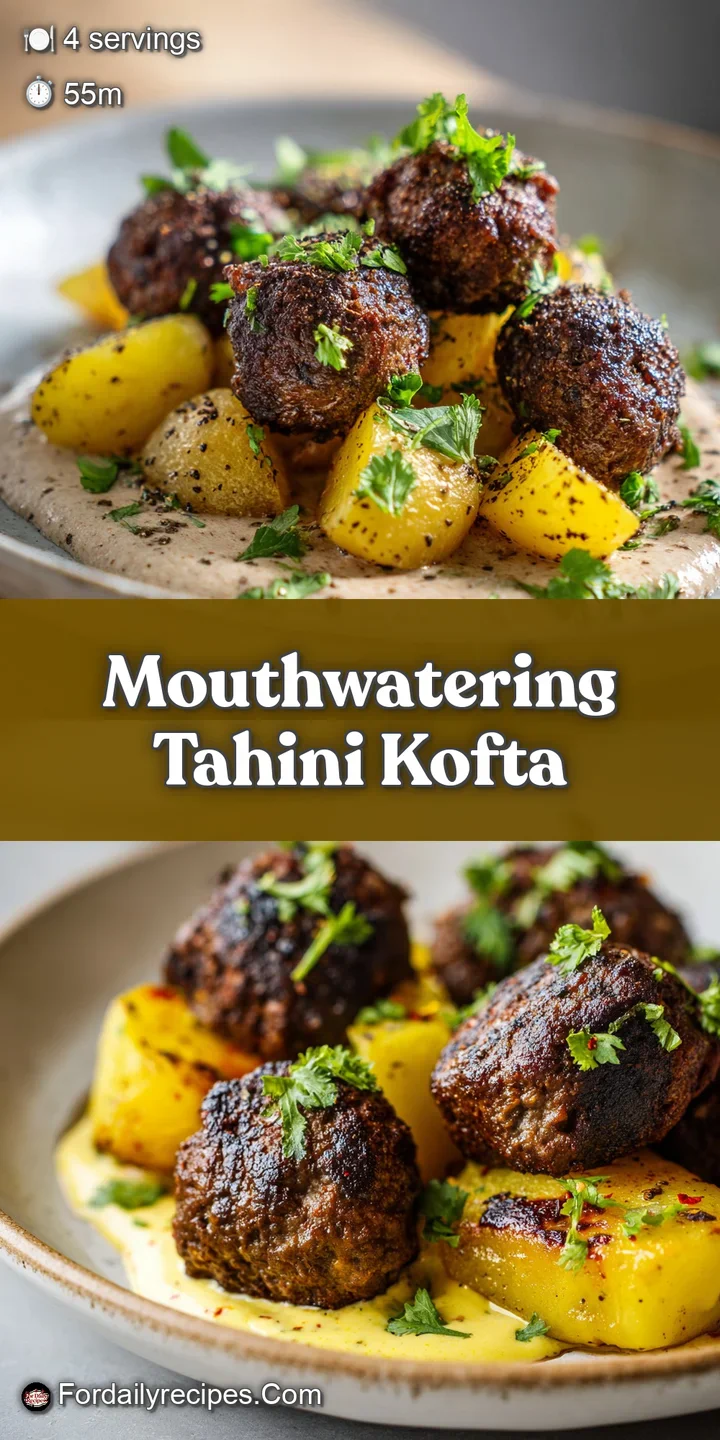
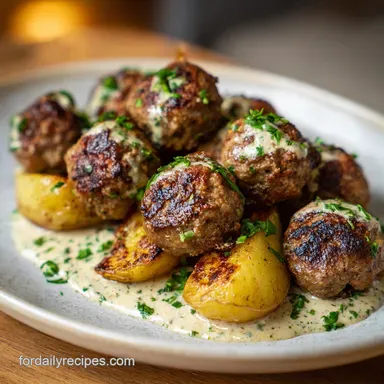
Tahini Kofta Recipe
Ingredients:
Instructions:
Nutrition Facts:
| Calories | 726 calories |
|---|---|
| Protein | 31g |
| Fat | 39g |
| Carbs | 48g |
| Fiber | 7g |
| Sugar | 3g |
| Sodium | 625mg |
