Japanese Pink Salt Scallops: the Pink Umami Kiss
- Unlocking the Fifth Taste: The Magic of Japanese Pink Salt in Fine Cuisine
- Mastering the Perfect Sear: Technique for Maximum Flavor and Texture
- Crafting the Yuzu-Shiso Pink Salt Blend: Essential Components
- Step-by-Step Guide to the Umami Pink Kiss
- Professional Secrets to Avoid Rubberiness and Enhance Crust
- Best Practices for Preparation and Immediate Consumption
- Elegant Pairings and Presentation: Completing the Dish
- Recipe FAQs
- 📝 Recipe Card
Unlocking the Fifth Taste: The Magic of Japanese Pink Salt in Fine Cuisine
You know I’m obsessed with simplicity, right? If a recipe calls for 40 steps, I’m probably skipping it. But sometimes, a few tiny ingredients elevate something ordinary into pure magic.
When I first tried this delicate scallop recipe, I realized the secret wasn’t the searing technique (though that’s vital!) but the final flourish: the Japanese Pink Salt blend. The sear creates a nutty aroma that fills the kitchen, hitting you instantly.
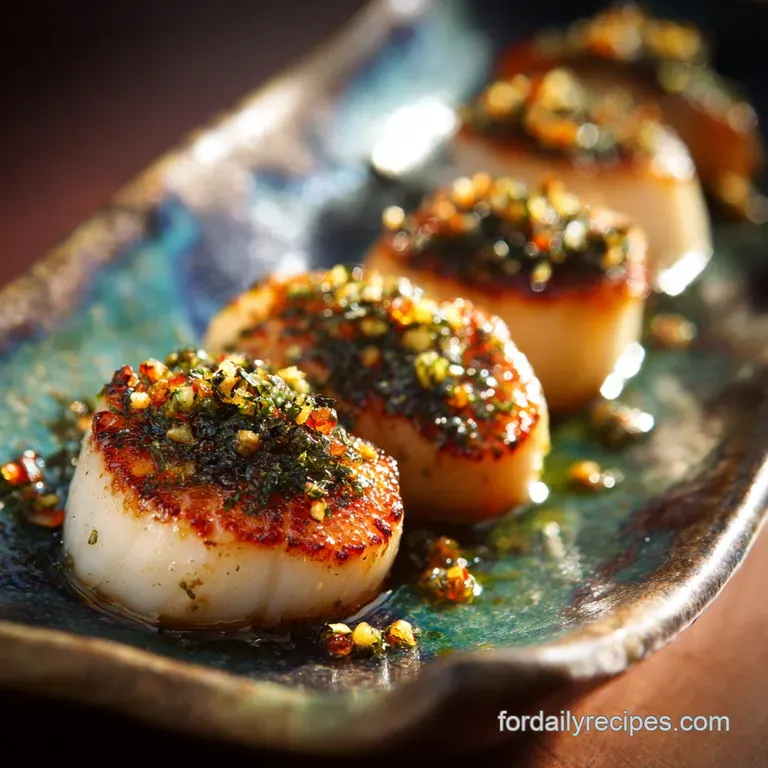
You get that perfectly crusted, sweet scallop resting on the plate, shimmering slightly under the light.
This dish is my go-to "I need to impress someone quickly" meal. It looks incredibly sophisticated, takes less than 30 minutes start-to-finish, and uses one of the easiest proteins imaginable. No complicated sauces, no endless chopping.
It’s cheap in effort but rich in flavour, proving that sometimes the spice rack holds the real luxury.
So let’s stop wasting expensive, beautiful scallops by drowning them in bad technique or heavy sauces. This approach strips everything back, letting the unique mineral depth of the salt and the freshness of the sea shine through.
We’re going to master the sear and craft the ultimate Japanese Pink Salt crust. Let’s crack on, because this recipe will absolutely change how you view finishing salts.
Defining the Japanese Pink Salt Profile and its Mineral Depth
We are not talking about standard flaky sea salt here; we’re talking about depth. The Japanese Pink Salt that I use often sourced from specific clay beds in Japan or Okinawan rock formations has a subtle, almost savoury characteristic that leans toward umami before it hits true salinity.
It’s softer and more complex than your typical table salt, making it an ideal finisher.
This salt isn't just pink for looks. That colour indicates a high mineral content, usually rich in iron and other trace elements. When applied lightly, the Japanese Pink Salt dissolves slowly on the tongue, creating layers of flavour.
It’s the mineral depth that prevents the scallop from tasting one-dimensionally salty, providing a beautiful foundation for the citrus and shiso.
Why Scallops are the Perfect Canvas for Umami Salt Application
Scallops are the little white doves of the ocean: delicate, naturally sweet, and extremely receptive to gentle seasoning. They need a salt that enhances their creamy texture and sugary flavour without overwhelming their natural sweetness.
The clean finish offered by Japanese Pink Salt is precisely the ticket.
Because scallops cook so rapidly, they need fast, powerful flavour application right at the end. They don't have time to absorb heavy marinades. Dusting them with this finely crafted umami salt blend means every bite starts with that bright, mineral note, followed by the perfect texture of the seared crust and the tender centre.
It’s a precise balance that standard coarse salts simply cannot achieve.
The Role of Yuzu and Shiso in Balancing High Mineral Notes
The yuzu and shiso aren’t just random additions; they are critical counterpoints. Yuzu, with its intense floral and tart flavour, acts as a brilliant counterweight to the inherent minerality of the Japanese Pink Salt . It cuts through the richness of the butter and cleanses the palate.
Shiso, or Japanese mint, adds an herbaceous complexity. It has a slightly metallic, complex note some people call it anise, others call it coriander leaf but whatever it is, it stops the salt blend from tasting heavy.
When combined with the high-quality Japanese Pink Salt , this trifecta creates a complex, savoury, and refreshing seasoning that truly pops on the hot scallop.
Mastering the Perfect Sear: Technique for Maximum Flavor and Texture
While the exquisite taste is provided by the Japanese Pink Salt blend, the texture is entirely dependent on your searing technique. This is where most cooks fail: they start with a pan that is too cool, or they don’t properly prepare the protein.
Remember, the goal is a beautiful, caramelised, mahogany crust and a translucent, tender centre. No rubber bands allowed!
Achieving the Maillard Reaction on Scallops
The Maillard reaction is just a fancy term for browning the chemical process where sugars and amino acids react under heat to create those rich, complex, nutty flavours. To achieve this on a scallop, you must remove all surface moisture. Moisture turns into steam, and steam prevents browning.
Pat those scallops dry like you are preparing them for a beauty pageant! If you skip this step, no amount of gorgeous Japanese Pink Salt can save the mushy texture.
The Science Behind the Salt Crust and Moisture Retention
You might have noticed that we initially season the scallops lightly with standard salt, but the flavour bomb comes from the Japanese Pink Salt blend applied after cooking. Why the two-step process?
The initial light seasoning helps draw out surface moisture quickly and slightly aids in the browning process. However, if you apply the delicate Japanese Pink Salt blend which includes dried shiso and zest before the sear, those elements will instantly burn and turn bitter.
The mineral rich Japanese Pink Salt is reserved specifically as a finishing crust, enhancing texture and flavour without sacrificing its precious aromatic compounds.
Temperature Control: Ghee vs. Oil for over High heat Cooking
You need screaming high heat to get a crust in 90 seconds. Butter is delicious, but it burns too quickly, thanks to its low smoke point. I recommend using a neutral, high smoke-point oil (like grapeseed or rice bran) first.
Get the oil shimmering on the verge of smoking before you even think about adding the scallops.
Once you flip the scallops and they have their initial crust, then, and only then, do you drop in the cold cubed butter. The melting butter immediately adds flavour and fat, and you can baste with the foaming brown butter.
This technique gives you the required high heat for the sear, plus the rich, nutty flavour of butter, without the scorch marks.
Crafting the Yuzu Shiso Pink Salt Blend: Essential Components
Let's talk about the star of the show. If you use cheap, flavourless salt here, the whole dish falls flat. The magic is in the synergy of the components mixed with premium Japanese Pink Salt . You are building a seasoning that is salty, bright, savoury, and aromatic all at once.
Selecting Premium Diver Scallops (U-10 or Larger)
I am obsessed with using dry-packed scallops. Wet-packed scallops are usually soaked in a phosphate solution which causes them to retain water, making searing impossible. Look for "dry-packed" or "day boat" labels. For this recipe, aim for U-10 size (meaning 10 scallops per pound or larger).
These thicker scallops hold up beautifully to the high heat, ensuring they are cooked through but not rubbery.
Sourcing Authentic Japanese Pink Salt for the Best Results
Seriously, don’t just grab that massive tub of Himalayan pink salt from the grocery store. While that’s fine for everyday seasoning, it lacks the specific mineral profile that gives Japanese Pink Salt its subtle umami depth.
I find mine at specialty Japanese markets or online retailers focusing on high end salts. If you can find salts specifically labeled as Okinawan or 'Sakura' salt, you've found the good stuff. The flavour profile of true Japanese Pink Salt is unique and worth hunting down for recipes like this.
Fresh vs. Dried Shiso: Impact on Aroma and Colour
For this application, where we need a dry, flakey crust that adheres to the scallop, dried shiso is superior. Fresh shiso leaves are too moist, making them difficult to incorporate evenly into the salt blend, and they tend to bruise when mixed, leading to discoloration.
Dried shiso flakes provide concentrated, earthy, herby notes and contribute beautifully to the final pink and green colour palette of the Japanese Pink Salt crust.
Alternative Citrus Zests and Herbal Substitutions
Yuzu can be tricky to source, but don't let that stop you. Similarly, if you can’t get shiso, a simple substitution can work though you might lose some of that distinctive Japanese note.
Chef’s Note: The goal here is brightness and high aroma. If you swap out ingredients, ensure the substituted items are finely zested or flaked so they incorporate perfectly into the Japanese Pink Salt .
| Ingredient | Viable Substitution | Impact on Flavor |
|---|---|---|
| Yuzu Zest | Fresh Lemon Zest (use slightly less) | Higher acid, less floral complexity. |
| Shiso Flakes | Dried Basil + Pinch of Mint Flakes | Earthier, less unique ‘metallic’ note. |
| Japanese Pink Salt | Fine Pink Himalayan or Maldon Salt | Less mineral depth; increase zest slightly. |
step-by-step Guide to the Umami Pink Kiss
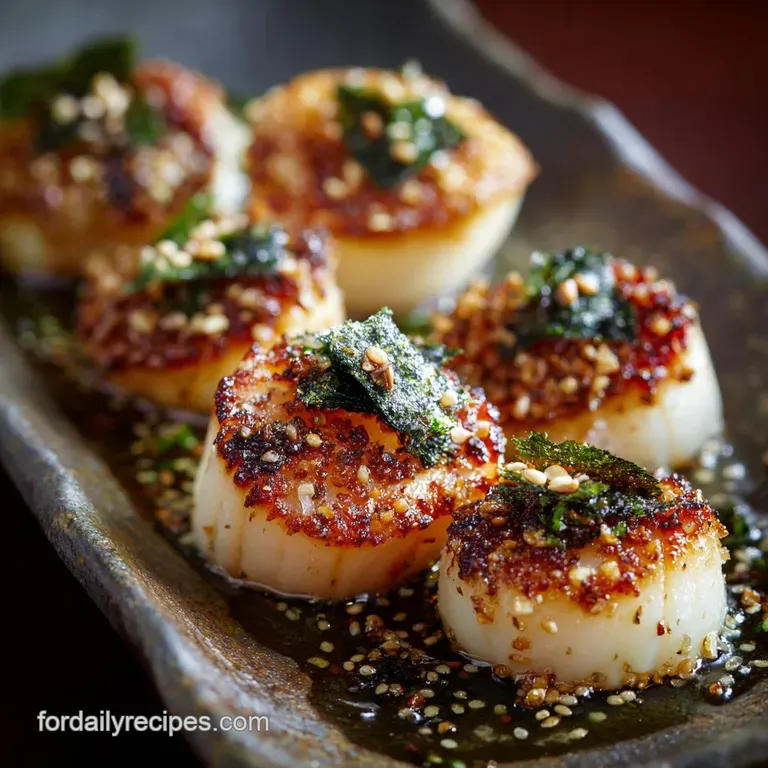
We are finally ready to sear. If you’ve done the crucial prep work (read: drying the scallops ) the final application of the Japanese Pink Salt blend is the easiest part. This is where you get to taste the payoff for your focus and patience.
Preparation: Drying and Seasoning the Scallops Thoroughly
After removing the tough side muscle, place the scallops on paper towels. Seriously, layer those towels! Press down hard and blot them until they feel tacky and completely dry. If you have time, let them sit uncovered in the fridge for 10 minutes to further wick away moisture.
Moisture is the single biggest threat to this recipe. Lightly season them now with a pinch of plain flaky salt and pepper we are saving the precious Japanese Pink Salt for the finish.
Infusing the Cooking Fat Properly Before the Sear
Place your heavy bottomed pan over high heat for at least 3 minutes until it’s scorching hot. Add your neutral oil. When the oil begins to shimmer, it’s ready. If it starts smoking aggressively, turn the heat down just a hair.
This intense initial heat is critical for achieving that hard crust before the interior overcooks.
Execution: The Critical 90 Second Sear Without Disturbance
Carefully place the scallops, seasoned side down, into the hot oil. Ensure they aren't touching this is non-negotiable. If you need to, sear in two batches to avoid cooling the pan down. Now, here’s the key: Do not touch them for 90 seconds. Let them sear completely undisturbed.
After 90 seconds, you should see a deep, golden crust creeping up the sides. Flip them carefully. Immediately drop in the cubed butter. As the butter melts and foams, tilt the pan slightly and use a spoon to baste the scallops continuously for another 60 to 90 seconds.
Remove them the moment they are opaque around the edges but still slightly translucent in the very center.
Professional Secrets to Avoid Rubberiness and Enhance Crust
The biggest failure point is texture. If your scallops are rubbery, you cooked them too long. Period. To ensure you don't waste that gorgeous dry-packed protein and the efforts you put into sourcing the best Japanese Pink Salt , follow these secrets.
The Danger of Overcrowding the Pan and Temperature Drop
I made this mistake once when I was in a rush for a dinner party. I jammed too many scallops into my pan, thinking I was saving time. What actually happened? The temperature dropped instantly, the scallops started steaming in their own juices, and I ended up with gray, sad, chewy discs instead of the beautiful golden sear I wanted.
If in doubt, always sear in batches! This keeps the heat high and guarantees that perfect crust ready for the Japanese Pink Salt .
When to Apply the Final Pink Salt Crust for Maximum Impact
Right off the heat! You need the residual heat and slight stickiness of the seared surface to help the Japanese Pink Salt blend adhere beautifully. The warmth also causes the oils in the yuzu zest and shiso to bloom, releasing their full aroma the second they hit the hot protein.
Applying it too late means the salt won't stick, and the aromatic components will be dull. Dust generously the moment they land on the plate. This finishing touch of Japanese Pink Salt is non-negotiable for the ultimate flavour experience.
Best Practices for Preparation and Immediate Consumption
This dish is fleeting. You make it, you eat it. The magic of the Japanese Pink Salt flavour profile, combined with the perfectly tender texture of the scallop, relies entirely on the heat of the freshly seared item.
Ensuring Uniform Thickness for Even Internal Cooking
If you have a few scallops that are thick on one side and tapered on the other, take a sharp knife and gently slice off the very thin edges. You want all your scallops to be as close to uniform thickness as possible so they cook at the exact same rate.
This simple step ensures that your final batch is perfect and every piece gets that ideal golden crust and tender interior, ready for its dusting of Japanese Pink Salt .
Storing Uncooked Scallops Safely and Efficiently
If you aren't cooking them right away, store dry-packed scallops in the coldest part of your fridge (usually the bottom shelf, toward the back). Keep them covered loosely in a container with a paper towel underneath to wick away any moisture they release.
Scallops should be cooked within 24 hours of purchase for best quality.
Why Seared Scallops Do Not Store Well as Leftovers
Listen up: Seared scallops are terrible leftovers. The beautiful texture we worked so hard to achieve the crust, the creamy interior is lost completely upon reheating. They turn rubbery, and the delicate aroma of the Japanese Pink Salt blend diminishes greatly.
This dish is meant to be eaten seconds after you finish basting. Trust me, it’s worth making exactly the amount you plan to consume immediately. Otherwise, you’re just wasting great Japanese Pink Salt .
Elegant Pairings and Presentation: Completing the Dish
This delicate protein, enhanced by the high-quality mineral notes of the Japanese Pink Salt , needs a simple and elegant accompaniment. Don't drown it in heavy sides! I love serving this dish over a small spoonful of creamy parsnip purée the earthiness is a beautiful counterpoint. Or, if you wanted something incredibly simple and complementary, you could try serving it alongside my delicious Japanese Mounjaro Diet Recipes: Umami Miso Salmon Konjac Salad — the umami notes would sing together, but keep the portions tiny!
If you want a sauce that complements the Asian citrus profile without taking over, finish the pan drippings with a tiny squeeze of lime juice and a spoon of soy sauce. Drizzle that over the plate sparingly.
The final flourish of chives adds a fresh visual pop and a nice subtle oniony bite to complement the Japanese Pink Salt crust.
Recommended Sake and Dry White Wine Pairings
Since the Japanese Pink Salt provides significant minerality and depth, you need a drink that can cut through the fat while complementing the savoury notes. For wine, stick to crisp, highly acidic whites. An unoaked Sauvignon Blanc or a sharp, dry Pinot Grigio works perfectly.
If you want to lean fully into the Japanese experience, choose a dry sake. A clean, crisp Junmai or Ginjo sake will cleanse your palate between bites and highlight the yuzu and shiso notes in the Japanese Pink Salt blend without competing with the flavour.
The minerality of the sake mirrors the minerality found in the exquisite Japanese Pink Salt .
This recipe is proof that excellence in cooking often comes down to precise technique and using one incredible ingredient perfectly. Go find that Japanese Pink Salt , practice your sear, and enjoy the delicious rewards!
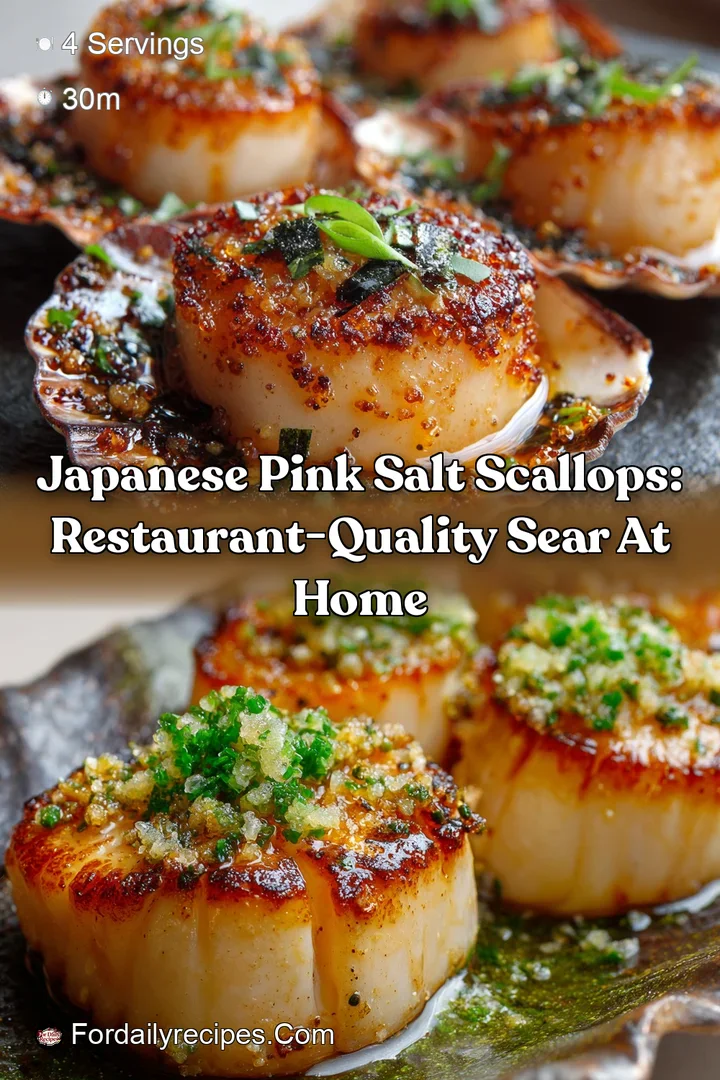
Recipe FAQs
Why did my scallops turn out rubbery or tough?
This is usually due to overcooking or searing scallops that weren't properly dried. Scallops should only be cooked quickly approximately 90 seconds per side to ensure a caramelized crust and a sweet, translucent center.
Always pat them completely dry with paper towels before adding them to the hot pan to maximize the sear.
Can I use regular Himalayan Pink Salt instead of specialized Japanese Pink Salt?
While you can substitute regular pink salt, the flavour profile will change slightly, as Japanese Pink Salt often has a distinct, deeper umami mineral quality. If substituting, you may want to incorporate a small pinch of finely ground kombu or dashi powder into your salt crust mixture to enhance the savoury depth that the Japanese salt naturally provides.
What are good substitutes if I cannot find fresh Yuzu or Shiso leaves?
For Yuzu, the best substitute for its unique floral acidity is a blend of fresh lime zest and lemon zest, used in a 2:1 ratio (lime dominant). For Shiso, fresh mint leaves are the closest aromatic substitute, but because mint is much stronger, use it sparingly in the salt mixture.
My scallops stuck to the pan, destroying the crust. What went wrong?
Scallops stick if the pan is not hot enough when they are added, or if you attempt to move them too soon. Use an oil with a high smoke point (like grapeseed) and ensure the pan is smoking lightly before adding the scallops.
Do not move the scallops for at least 60 seconds; they will naturally release from the pan once a proper crust has formed.
Can I prepare the Yuzu Shiso salt crust mixture ahead of time?
Yes, you can easily prepare the salt mixture up to 24 hours in advance and store it in a small, airtight container at room temperature. However, only apply the salt crust to the scallops immediately before searing, as the salt will begin to draw moisture out of the delicate seafood quickly.
How can I adapt this recipe for guests who dislike scallops?
The Pink Umami Kiss salt crust technique works exceptionally well with other delicate proteins, particularly firm white fish like halibut or cod. You can also use it on pan-seared chicken breast or thick cut pork tenderloin medallions.
Simply adjust the cooking time to ensure the protein reaches the correct internal temperature while maintaining moisture.
How should I store leftover cooked scallops?
Leftover cooked scallops should be placed in an airtight container and refrigerated immediately, consuming them within 2 days. Be aware that reheating scallops often results in a tough texture, so they are best served chilled, perhaps tossed into a fresh Asian inspired salad.
Pink Salt Seared Scallops
Ingredients:
Instructions:
Nutrition Facts:
| Calories | 180 kcal |
|---|---|
| Fat | 9 g |
| Fiber | 0.5 g |
