Oven Roasted Baby Potatoes: Crispy Baked Perfection
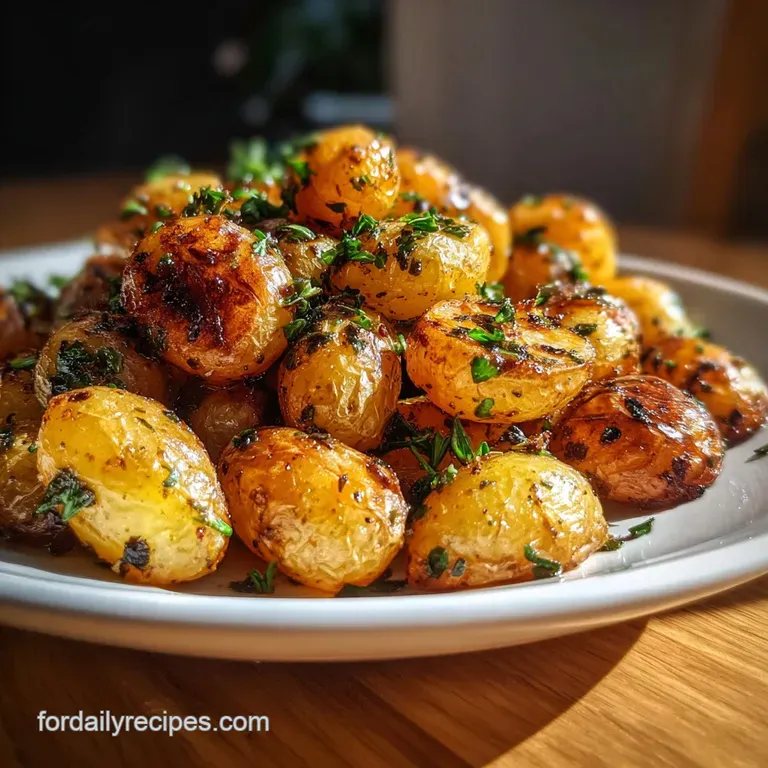
- Time: Active 10 minutes, Passive 35 minutes, Total 45 minutes
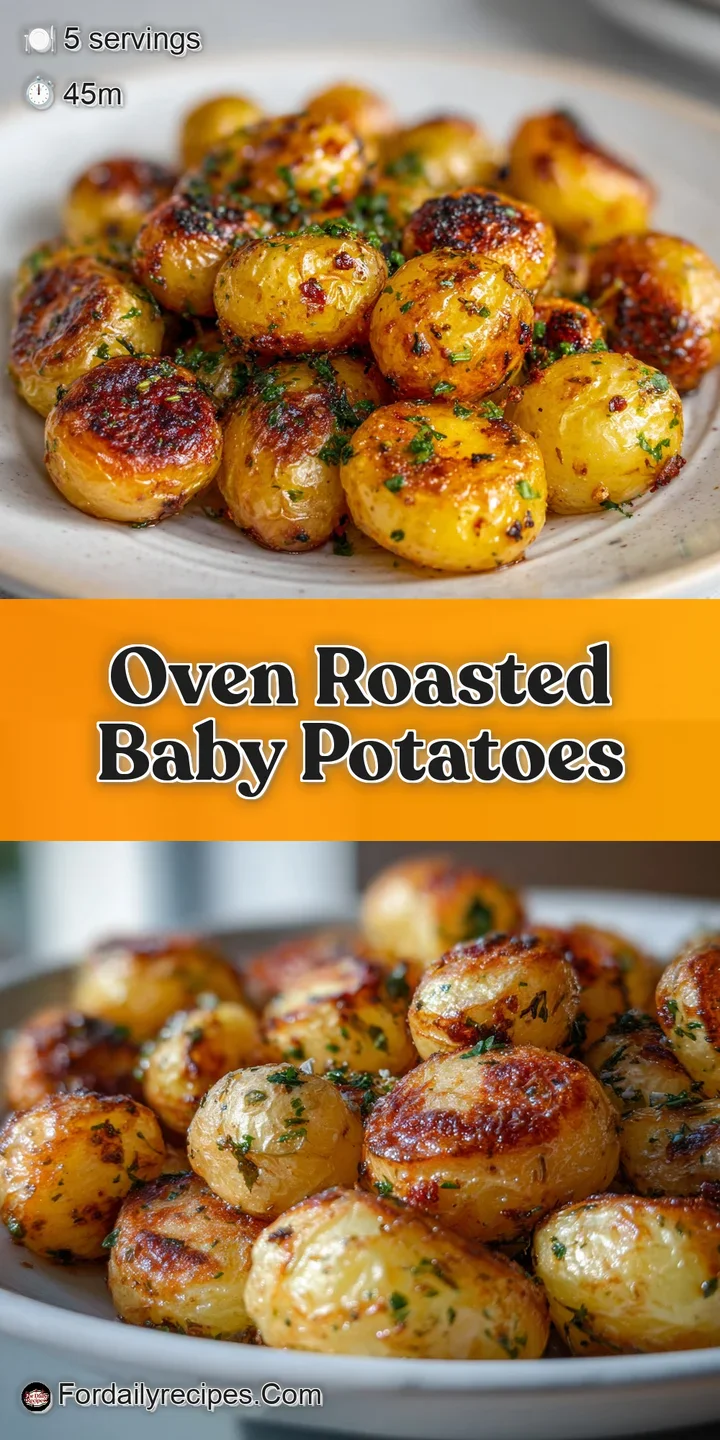
- Flavor/Texture Hook: Shatter crisp exterior with a velvety, melt in-your mouth center
- Perfect for: Cozy family gatherings, holiday side dishes, or beginner friendly meal prep
- Golden Heritage Oven Roasted Baby Potatoes
- The Warm Memories of Sunday Family Dinners
- Why This Simple Method Endures Generations
- Key Metrics for Perfectly Toasted Skins
- Essential Elements for the Perfect Roast
- Traditional Tools for Best Results
- Step-by-Step Guide to the Perfect Sizzle
- Solving Potential Problems with Your Roast
- Flavor Twists for Your Family Table
- Storing and Reheating Your Potato Leftovers
- Hearty Mains to Pair with Potatoes
- Traditional Myths Debunked
- Scaling for Larger Gatherings
- Oven Roasted Baby Potatoes FAQs
- 📝 Recipe Card
Golden Heritage oven-roasted Baby Potatoes
Every time I pull a tray of these out of the oven, the sound of the oil whispering against the hot metal takes me right back to my mother’s kitchen. I remember the sharp, woody aroma of fresh rosemary hitting the air as she chopped it on her old wooden board, the same one I use today.
It is more than just a side dish; it is the scent of a home that knows you are loved.
We often think we need complicated tricks to get that deep golden color, but I have learned through years of burnt garlic and soggy skins that simplicity wins every time. You want that specific moment where the skin transitions from soft to a delicate "shatter" when your fork hits it.
That is the heritage quality we are after no shortcuts, just good heat and the right fat.
There is a quiet joy in watching the garlic cloves turn sticky and sweet in the oven's embrace. I have made the mistake of rushing them before, but patience is your best friend here.
Trust me, once you smell that mixture of toasted oregano and roasting starch, you will know exactly why this recipe has been a staple in our family for generations.
The Warm Memories of Sunday Family Dinners
When you set these on the table, expect the kind of silence that only comes from people who are too busy enjoying their food to talk. These are not your average cafeteria spuds; they are a textural masterpiece designed to soak up gravy or stand alone with a pinch of flaky salt.
The baby potatoes hold their shape beautifully, offering a consistent bite that larger chunks often lose in the roasting process.
You should look forward to the way the rosemary needles become almost like savory candy crispy, salty bits that provide a sudden burst of piney freshness. It is a dish that feels grand enough for a holiday feast but humble enough to serve alongside a simple roast chicken on a Tuesday night.
We are aiming for a result that feels like a warm embrace from the past.
The beauty of this method is how the olive oil interacts with the natural sugars in the potato. You aren't just cooking them; you are almost confit ing the interior while the outside fries in the oven's dry heat.
It is a reliable, time tested way to ensure every single person at your table asks for seconds before they have even finished their first helping.
Why This Simple Method Endures Generations
Understanding the "why" behind the sizzle helps you master the tray every single time you cook.
- The Maillard Reaction: High heat triggers a chemical reaction between amino acids and reducing sugars, creating that deep brown color and complex savory flavor.
- Amylopectin Breakdown: The dry heat of the oven breaks down the starch inside the baby potato, turning a firm vegetable into a velvety, creamy center.
- Oil as a Heat Conductor: Extra virgin olive oil acts as a bridge, transferring the oven's heat evenly across the skin to prevent dry spots while adding its own fruity notes.
- Essential Oil Infusion: The heat draws the oils out of the fresh rosemary and smashed garlic, creating a flavored fat that coats every millimeter of the potato.
The Physics of the Potato Crunch
The magic happens when the surface moisture evaporates quickly, allowing the skin to tighten and crisp before the interior dries out. By leaving the potatoes whole or halved, we trap the steam inside, which pressure cooks the middle into a silky texture while the outside undergoes that glorious browning process.
| Method | Time | Texture | Best For |
|---|---|---|---|
| High Heat Roast | 35 minutes | Shatter crisp skin, fluffy inside | Maximum flavor and traditional Sunday dinners |
| Lower Heat Bake | 55 minutes | Leathery skin, very soft inside | Slow cooked stews or when oven space is limited |
| Flash Frying | 12 minutes | Very greasy, uniform crunch | Quick snacks, though it lacks the depth of roasting |
Choosing the right method depends on how much time you have, but for the most authentic heritage feel, the over high heat roast is the gold standard. It provides the most complex flavor profile because it allows the herbs to toast without becoming bitter.
This side is a cousin to my oven-roasted Vegetables recipe, sharing that same gorgeous char.
Key Metrics for Perfectly Toasted Skins
Getting the timing right is the difference between a soggy potato and a masterpiece. I always tell my friends to watch the clock, but more importantly, watch the pan.
- Precision Checkpoint 1: Set your oven to exactly 400°F. Any lower and they steam; any higher and the garlic burns before the potato softens.
- Precision Checkpoint 2: Aim for exactly 35 minutes of cook time, flipping once at the 20 minute mark to ensure even browning.
- Precision Checkpoint 3: Use 1.5 lbs of baby potatoes. This amount fits a standard sheet pan perfectly without overcrowding, which is the secret to the crunch.
Essential Elements for the Perfect Roast
The ingredients for this dish are humble, but their quality matters. I prefer using Yukon Gold baby potatoes because their naturally buttery flesh creates a much more velvety interior than a standard Russet ever could.
- 1.5 lbs baby potatoes (Yukon Gold or Red Bliss): These varieties have thin skins that crisp up beautifully without the need for peeling. Why this? They hold their shape and have a creamy, non mealy texture.
- 3 tbsp extra virgin olive oil: Use a good quality oil that has a peppery finish. Why this? The fat provides the medium for the crisping and adds rich flavor.
- 1 tsp fine sea salt: This draws out moisture and seasons the potato all the way through.
- 1/2 tsp freshly cracked black pepper: Provides a gentle heat and earthy backbone.
- 5 cloves fresh garlic: Leave them smashed but mostly whole so they don't burn. Why this? Smashed garlic releases its essence without turning bitter like minced garlic.
- 3 sprigs fresh rosemary: The woody herb that defines the aroma of this dish.
- 1/2 tsp dried oregano: Adds a subtle floral and earthy note that rounds out the rosemary.
| Component | Science Role | Pro Secret |
|---|---|---|
| Olive Oil | Heat Transfer | Don't skimp; the oil is what "fries" the skin in the oven. |
| Sea Salt | Moisture Extraction | Salt the potatoes immediately after washing and drying to help the oil stick. |
| Fresh Garlic | Aromatic Infusion | Smashing with the side of a knife releases oils while keeping the clove intact. |
If you love that buttery interior, you'll adore my Fondant Potatoes recipe, which uses a similar high-quality fat approach. For this recipe, we keep the substitutions simple so the heritage flavor remains intact.
| Original Ingredient | Substitute | Why It Works |
|---|---|---|
| Baby Potatoes | Fingerling Potatoes | Similar thin skin and waxy texture. Note: May need 5 mins less cook time. |
| Fresh Rosemary | Fresh Thyme | Offers a more floral, less piney aroma while still holding up to heat. |
| Extra Virgin Olive Oil | Avocado Oil | Higher smoke point but lacks the traditional Mediterranean flavor profile. |
Traditional Tools for Best Results
You don't need fancy gadgets to make these, but the right tray makes a massive difference. I always reach for a heavy rimmed baking sheet. The weight helps distribute the heat evenly, so you don't end up with one side of the potato burnt and the other raw.
A sturdy metal spatula is also essential. You want to be able to get right under the potatoes to flip them without tearing the skin that has started to caramelize against the pan. I’ve tried using silicone, but it just doesn't have the "edge" needed to scrape up those delicious brown bits that are full of flavor.
step-by-step Guide to the Perfect Sizzle
1. The Prep and Dry Phase
Wash your 1.5 lbs of baby potatoes thoroughly. If they are larger than a golf ball, slice them in half; otherwise, leave them whole. Crucial Tip: Use a clean kitchen towel to pat them bone dry. Any water left on the skin will create steam, and steam is the enemy of the "shatter" texture we want.
2. The Emulsion Toss
In a large bowl, combine the potatoes with 3 tbsp of extra virgin olive oil, 1 tsp sea salt, 1/2 tsp pepper, and 1/2 tsp dried oregano. Toss them vigorously until every potato has a shimmering, even coat of oil. You want to see the spices clinging to the skin like a second layer.
3. The Sizzling Roast
Preheat your oven to 400°F. Spread the potatoes onto the baking sheet in a single layer. Make sure they aren't touching! Scatter the 5 smashed garlic cloves and 3 sprigs of rosemary among them. Slide the tray into the center rack.
4. The Finishing Touch
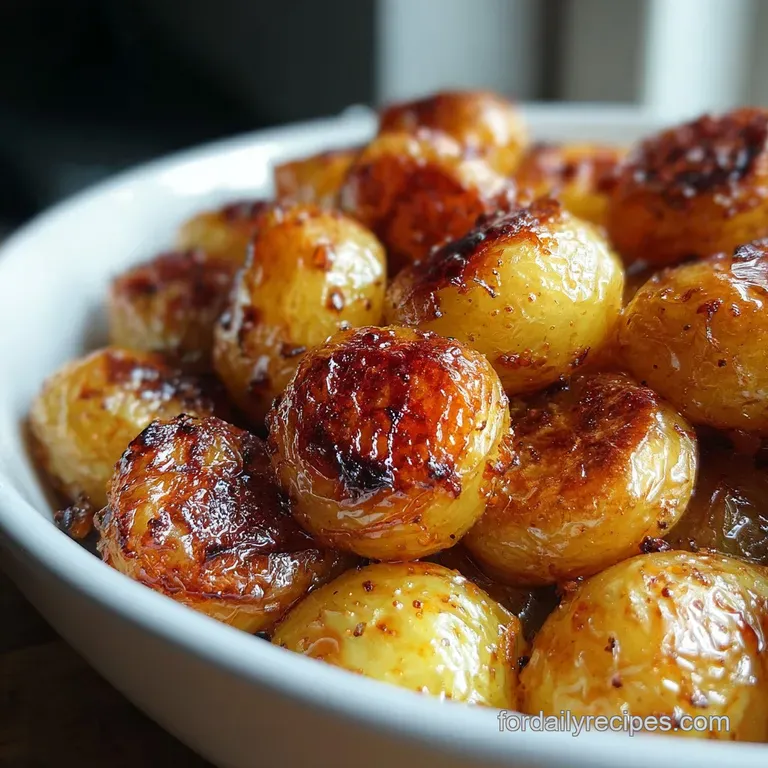
Bake for 20 minutes, then use your spatula to flip the potatoes. You should hear a satisfying sizzle as the underside hits the air. Roast for another 15 minutes until the skins are blistered and deep golden brown.
The garlic should be soft enough to spread like butter. Remove from the oven and let them sit for 2 minutes before serving to let the crust set.
Solving Potential Problems with Your Roast
Even a time honored recipe can hit a snag if the conditions aren't just right. I once tried to double the batch for a big holiday dinner and ended up with a tray of mush because I piled them too high. It was a lesson learned the hard way!
Why are my potatoes soggy?
This usually happens because of overcrowding or trapped moisture. If the potatoes are too close together, the steam escaping from one potato gets trapped by the next one. This "steams" the skin rather than roasting it. Always give your spuds some personal space on the tray.
My garlic is burnt and bitter!
If you mince the garlic, it will definitely burn at 400°F. The secret is to smash the cloves but keep them whole. This allows the garlic to flavor the oil and the potatoes while the clove itself caramelizes into a sweet, jammy treat.
If they look like they are getting too dark halfway through, just tuck them under a potato for protection.
| Problem | Root Cause | Solution |
|---|---|---|
| Soggy Skin | Overcrowding the pan | Use two pans or a larger sheet to ensure airflow between potatoes. |
| Bitter Flavor | Burnt dried herbs | Add the dried oregano to the oil first to protect it, or add it in the last 10 mins. |
| Raw Center | Potatoes were too cold | Let potatoes sit at room temperature for 15 mins before roasting. |
Common Mistakes Checklist
- ✓ Never skip the drying step; moisture is the primary cause of soft skins.
- ✓ Don't use a glass baking dish; metal conducts heat much more efficiently for browning.
- ✓ Avoid checking the oven every five minutes; every time you open the door, the temperature drops.
- ✓ Resist the urge to peel them; the skin is where all the texture and most of the nutrients live.
- ✓ Use fresh rosemary if possible; dried rosemary can feel like eating pine needles.
Flavor Twists for Your Family Table
While the rosemary and garlic version is our family's heritage standard, sometimes I like to shake things up depending on what we are eating for the main course.
1. The Umami Bomb Twist
For a deeper, savory profile, toss the potatoes in 1 tbsp of nutritional yeast or finely grated Parmesan cheese in the last 5 minutes of roasting. The cheese will melt into a lacy, crispy crust that pairs perfectly with a glass of red wine.
2. The Smoky Southwestern Swap
Swap the rosemary and oregano for 1 tsp of smoked paprika and a pinch of cumin. This version is incredible when served alongside grilled steak or inside breakfast burritos the next morning.
3. Diet Friendly Adjustments
If you are looking for a lighter option, you can reduce the oil to 1.5 tbsp, but be aware that the skin will be more "leathery" than "shatter crispy." For a vegan friendly version, ensure your olive oil is high-quality, as you'll rely on it more for the flavor usually provided by butter in other potato dishes.
Storing and Reheating Your Potato Leftovers
Potatoes are actually quite resilient if you treat them right. You can keep leftovers in an airtight container in the fridge for up to 4 days. They make a fantastic addition to a morning hash just dice them up and toss them in a hot skillet with some onions.
Freezing: I don't generally recommend freezing roasted potatoes as the texture of the center can become grainy once thawed. However, if you must, freeze them in a single layer on a tray first before transferring to a bag. Use within 2 months.
Reheating: Avoid the microwave! It will turn your beautiful crispy skins into rubber. Instead, pop them back into a 400°F oven or an air fryer for 5-8 minutes. This will revive that sizzle and bring back the crunch that makes these so special.
Hearty Mains to Pair with Potatoes
Since these potatoes have such a present herb flavor, they pair best with roasted meats that can stand up to the rosemary. A classic roasted chicken or a thick cut pork chop is my go to.
If you are looking for something a bit more substantial, these are the perfect side for a Roasted Pork Meal. The drippings from the pork mixed with the crispy potato skins is a match made in heaven. For a busy weeknight, they also work wonders alongside a simple pan seared salmon steak, where the earthy rosemary balances the fatty fish.
Traditional Myths Debunked
One of the biggest myths I hear is that you must parboil baby potatoes before roasting them. While that is true for large chunks of Russets to ensure they cook through, baby potatoes are small enough that the dry heat of the oven reaches the center perfectly in 35 minutes.
Skipping the boil actually preserves more of the natural potato flavor.
Another misconception is that you need to soak them in cold water to remove starch. For French fries, yes, but for a rustic roast, that surface starch actually helps create the golden crust we are looking for. Just wash, dry, and roast keep it simple, just like Grandma did.
Scaling for Larger Gatherings
When you are cooking for a crowd, remember that you cannot just double the ingredients and use the same pan. The rule of the single layer is absolute.
- Scaling Up (2x): Use two separate baking sheets and swap their positions (top rack to bottom rack) halfway through the cooking time to ensure they both get even heat. Increase the salt and pepper to 1.5x rather than a full 2x to avoid over seasoning.
- Scaling Down (1/2): You can easily do this in a smaller toaster oven pan. The cook time remains roughly the same, but keep a closer eye on them around the 25 minute mark as smaller batches can sometimes brown faster.
Whether you are making these for a quiet night in or a big family reunion, the aroma remains the same a fragrant, golden reminder that the best meals are the ones we share. Happy roasting!
oven-roasted Baby Potatoes FAQs
How long should you roast baby potatoes for?
Around 35 minutes. Roast at 400°F, flipping them once halfway through, until skins are blistered and golden brown. This timing ensures a shatter crisp exterior and a creamy interior.
Are baby potatoes good for roasties?
Yes, they are excellent. Baby potatoes, especially varieties like Yukon Gold, have thin skins that crisp beautifully and a naturally buttery texture. They hold their shape well and absorb flavors wonderfully.
Can you roast baby potatoes without boiling them?
Yes, absolutely. For oven-roasted baby potatoes, skipping the parboiling step is ideal. Roasting them directly at high heat (400°F) allows their skins to crisp and their insides to become creamy without getting waterlogged.
Should I bake potatoes at 350 or 400?
Bake at 400°F for best results. This higher temperature is crucial for achieving that desirable shatter crisp skin on baby potatoes. A lower temperature like 350°F will result in a softer, more steamed texture.
Why are my roasted potatoes soggy?
Likely due to overcrowding or trapped moisture. Ensure potatoes are in a single layer with space between them to allow air circulation. Always pat them completely dry before tossing with oil and seasonings.
Can I substitute herbs in this recipe?
Yes, you can easily swap herbs. While rosemary is classic, fresh thyme or a mix of Italian herbs will also work beautifully. If you enjoyed mastering the flavor infusion here, see how similar herb principles apply in our Meatballs Cooked in Oven with Garlic and Herbs: Oven Only Crispy Baked.
What's the best way to reheat roasted potatoes?
Avoid the microwave; use the oven or air fryer. Reheating at 400°F or in an air fryer for 5-8 minutes will help restore their crispy texture. Microwaving tends to make them rubbery.
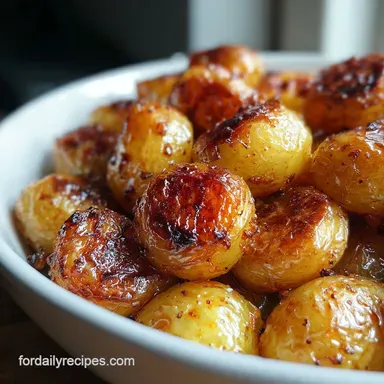
oven-roasted Baby Potatoes
Ingredients:
Instructions:
Nutrition Facts:
| Calories | 181 kcal |
|---|---|
| Protein | 2.9 g |
| Fat | 8.2 g |
| Carbs | 24.1 g |
| Fiber | 3.1 g |
| Sugar | 1.2 g |
| Sodium | 468 mg |
