Orange Roughy with Lemon and Garlic Butter
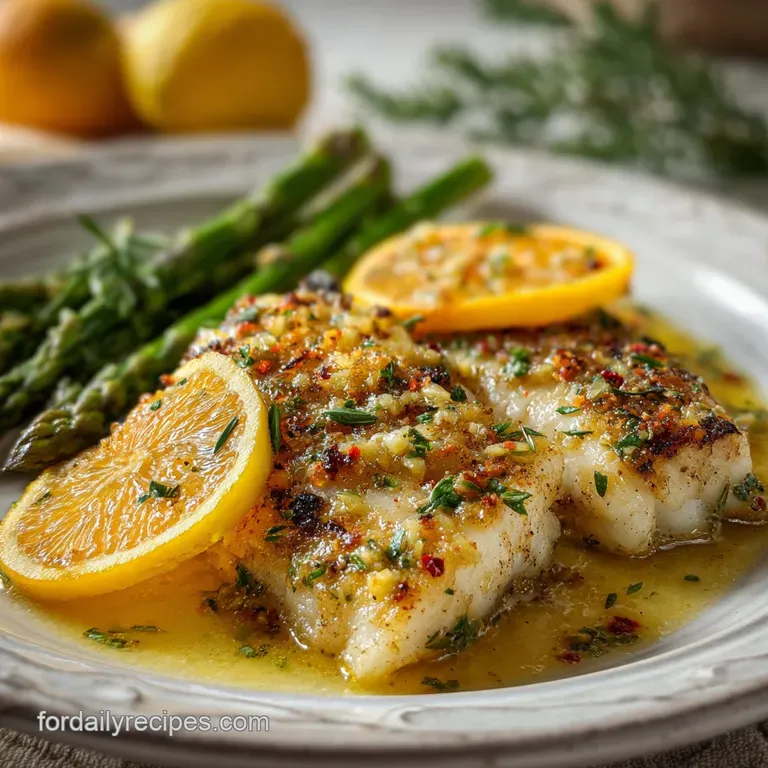
- Time: Active 5 minutes, Passive 8 minutes, Total 13 minutes
- Flavor/Texture Hook: Flaky, buttery, and zest forward
- Perfect for: Elegant weeknight dinners or Lenten Friday meals
- The Science of Why it Works
- Component Deep Dive Analysis
- The Humble Elements Required for Layering Flavor
- Necessary Tools for a Flawless Pan Sear
- Step-By-Step Guide for Creating This Time Honored Dish
- Navigating Common Obstacles for a Flawless Finish
- Customizing Your Fillets with Regional Heritage Touches
- Preservation Secrets for Enjoying Your Leftover Fish
- Classic Pairings to Complete Your Family Meal
- Orange Roughy with Lemon and Garlic Butter FAQs
- 📝 Recipe Card
There is something truly nostalgic about the smell of butter hitting a hot pan. For generations, my family has relied on simple white fish recipes to bring everyone to the table, and this orange roughy recipe with lemon and garlic butter delivers a truly exceptional seafood dinner.
I remember my mother carefully patting the fillets dry, a secret she passed down to ensure the fish didn't just steam in its own juices.
This recipe isn't about fancy gadgets or complicated "modern" tricks. It is about respecting the ingredients and understanding how a few simple layers, like the smoky warmth of paprika and the sharp bite of capers, can transform a mild fillet into a masterpiece.
We are focusing on that velvety finish that only cold butter can provide, creating a sauce that clings to the fish rather than running off into a puddle.
If you have ever struggled with fish sticking to the pan or turning out bland, you are in the right place. We are going to walk through the heritage techniques that make this dish a staple in my kitchen.
It is all about the sizzle of the oil, the shimmer of the butter, and the bright pop of fresh lemon that awakens every bite.
The Science of Why it Works
Maillard Reaction: High heat causes amino acids and sugars on the fish surface to rearrange, creating a savory, golden crust. Cold Butter Emulsification: Whisking cold butter into warm lemon juice creates a stable, thick sauce by preventing the fat from separating too quickly.
- Surface Tension: Drawing out moisture with salt and paper towels allows the oil to make direct contact with the protein for a better sear.
- Protein Denaturation: The gentle heat of the butter bath at the end prevents the lean fibers from tightening and becoming rubbery.
- Acid Interaction: Lemon juice breaks down residual fish oils, providing a clean finish on the palate that highlights the sweetness of the roughy.
- Thermal Stability: Using avocado oil provides a high smoke point, ensuring the fish sears without the oil breaking down into bitter compounds.
| Thickness | Internal Temp | Rest Time | Visual Cue |
|---|---|---|---|
| 0.5 inch | 145°F | 2 minutes | Opaque and flaking |
| 0.75 inch | 145°F | 3 minutes | Center loses translucency |
| 1 inch | 145°F | 3 minutes | Flesh separates easily with a fork |
Choosing the right thickness is the first step in ensuring your dinner is a success. If you love the briny kick of capers used here to add depth, you will definitely enjoy the bold flavors in my Seafood Boil Sauce Recipe. Both recipes rely on that beautiful marriage of garlic and butter to carry the delicate notes of the seafood.
Component Deep Dive Analysis
| Ingredient | Science Role | Pro Secret |
|---|---|---|
| Avocado Oil | High Smoke Point | Do not use extra virgin olive oil for the sear; it burns too fast. |
| Cold Butter | Thickening Agent | Keep it in the fridge until the very second you need it for the sauce. |
| Smoked Paprika | Flavor Layering | The smoke notes mimic a wood fired grill without the actual equipment. |
The cold butter is non negotiable here. When you toss room temperature butter into a pan, it melts instantly and the milk solids separate from the fat. By using cold, cubed butter, you are essentially creating a mounting effect, known in French cooking as monter au beurre, which results in a sauce so silky it feels like a warm embrace.
The Humble Elements Required for Layering Flavor
To get the best results, start with the freshest fillets you can find. While this white fish is delicate, those craving a firmer texture should explore my Rockfish Recipes for another weeknight win that uses similar flavor profiles.
- 4 Orange Roughy fillets (approx. 6 oz / 170g each). Why this? It is mild and takes on the garlic butter flavors beautifully.
- Substitute: Tilapia or Cod (Cod is thicker, so add 2 minutes to cook time).
- 1 tbsp avocado oil. Why this? High smoke point ensures a golden sear without acrid smoke.
- Substitute: Grapeseed oil or Light Olive oil.
- 0.5 tsp fine sea salt. Why this? Enhances the natural sweetness of the fish.
- Substitute: Kosher salt (use double the amount).
- 0.25 tsp freshly cracked black pepper. Why this? Provides a subtle, earthy heat.
- Substitute: White pepper for a milder, hidden spice.
- 0.5 tsp smoked paprika. Why this? Adds a gorgeous sunset hue and a hint of depth.
- Substitute: Sweet paprika (less smoky, more floral).
- 4 tbsp unsalted butter, cold and cubed. Why this? Creates the base for our velvety emulsion.
- Substitute: Ghee (but the sauce won't be as creamy).
- 3 cloves garlic, minced. Why this? The aromatic heart of the dish.
- Substitute: 1 tsp garlic powder (add to the dry rub instead).
- 2 tbsp fresh lemon juice. Why this? Cuts through the richness of the butter.
- Substitute: Lime juice or a splash of dry white wine.
- 1 tsp lemon zest. Why this? Contains essential oils for a brighter aroma.
- Substitute: Orange zest for a sweeter, floral twist.
- 1 tbsp fresh Italian parsley, chopped. Why this? Adds a necessary grassy freshness.
- Substitute: Fresh chives or cilantro.
- 1 tsp capers, drained. Why this? Tiny pops of salt and vinegar to balance the fat.
- Substitute: Chopped green olives or extra lemon zest.
Necessary Tools for a Flawless Pan Sear
You don't need a kitchen full of high tech gear to make a meal that tastes like it came from a coastal bistro. I prefer using a heavy bottomed stainless steel pan or a well seasoned cast iron skillet.
These materials hold heat exceptionally well, which is vital for getting that initial sear before the fish has a chance to release its moisture.
A thin, flexible fish spatula is also a heritage tool I cannot live without. It allows you to slide under the delicate fillets without breaking them. If you use a thick plastic spatula, you risk shattering the crust you worked so hard to build.
Finally,, have a small whisk or a spoon ready for the butter sauce; the key is constant movement once that butter hits the heat.
step-by-step Guide for Creating This Time Honored Dish
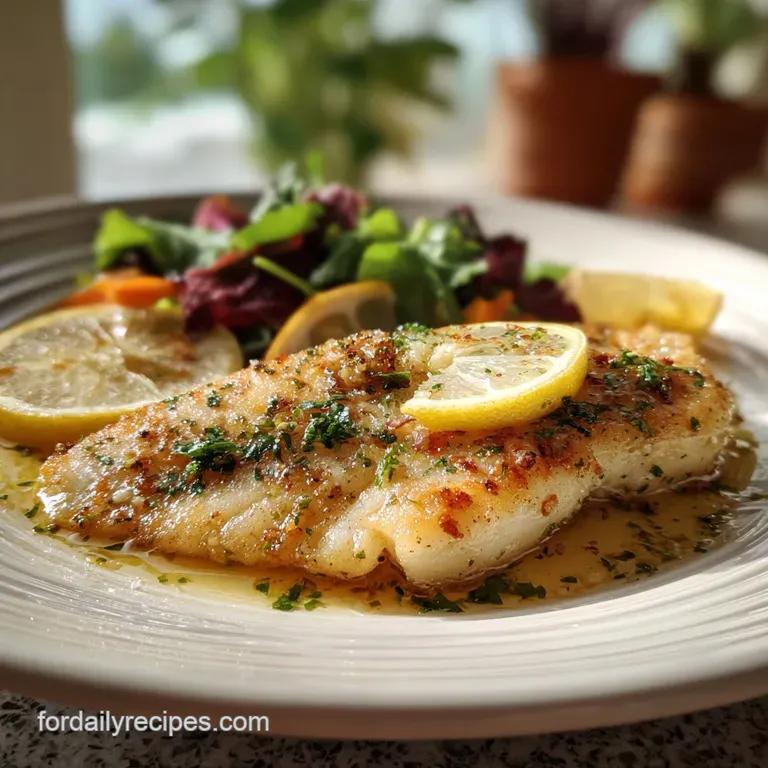
1. Preparing the Fillets for Maximum Sear
Pat the 4 fillets dry with paper towels on both sides. Note: Any surface moisture will turn into steam, preventing a crispy exterior. Season them evenly with the 0.5 tsp sea salt, 0.25 tsp black pepper, and 0.5 tsp smoked paprika. Let them sit for 2 minutes while the pan heats up.
2. Achieving a Deep Golden Crust
Place your skillet over medium high heat and add the 1 tbsp avocado oil. Wait 2 minutes until the oil is shimmering and just beginning to wisps of smoke. This ensures the fish sears instantly upon contact.
3. The Sear
Carefully lay the fillets in the pan, laying them away from you to avoid oil splashes. Cook for 3 minutes without moving them until the edges are opaque and the bottom is golden brown.
4. The Art of the Flip
Slide your spatula under each fillet and gently flip. Cook for another 2 to 3 minutes on the second side. Note: Orange roughy is thin, so it cooks faster than you might expect.
5. Managing the Heat
Reduce the heat to medium low. This is a critical step; if the pan is too hot when you add the butter, the milk solids will burn and turn bitter.
6. Finishing the Zesty Butter Sauce
Push the fish to one side of the pan (or remove to a warm plate if the pan is crowded). Add the 3 cloves minced garlic and 1 tsp capers. Sauté for 30 seconds until the garlic is fragrant and pale gold.
7. Creating the Emulsion
Pour in the 2 tbsp lemon juice and add the 1 tsp lemon zest. Stir for 10 seconds to deglaze the pan. Now, add the 4 tbsp cold, cubed butter one piece at a time, swirling the pan or whisking constantly until the sauce becomes thick and velvety.
8. The Final Garnish
Spoon that glorious sauce over the fish fillets. Sprinkle the 1 tbsp fresh parsley over the top and serve immediately while the sauce is still glossy and warm.
Navigating Common Obstacles for a Flawless Finish
Preventing Fish Sticking to Metal
This is the biggest fear for most home cooks. Usually, it happens because the pan wasn't hot enough or the fish was moved too soon. The protein needs time to sear and naturally release from the surface. If you try to flip it and feel resistance, wait another 30 seconds.
Avoiding Bitter Scorched Garlic Aromas
Garlic burns in the blink of an eye. If your heat is too high when you add it, it will turn brown and acrid. Always lower the heat after the fish is done, or even take the pan off the burner for a minute before adding the aromatics.
| Problem | Root Cause | Solution |
|---|---|---|
| Sauce is greasy/split | Butter was too warm or heat was too high | Add a teaspoon of water and whisk vigorously off the heat. |
| Fish is rubbery | Overcooked | Remove fish when internal temp is 140°F; carryover heat hits 145°F. |
| Lack of "pop" | Not enough acidity | Squeeze a fresh lemon wedge over the dish right before eating. |
Common Mistakes Checklist
- ✓ Forgot to pat the fish dry (leads to gray, soggy fish).
- ✓ Using cold fish straight from the fridge (let it sit out for 10 minutes first).
- ✓ Crowding the pan (this lowers the temperature and causes steaming).
- ✓ Adding all the butter at once (makes the sauce thin and oily).
- ✓ Searing in butter instead of oil (butter has a low smoke point and will burn).
Customizing Your Fillets with Regional Heritage Touches
One of the beautiful things about a time honored recipe is how it can change based on what you have in the pantry. Down south, we might add a pinch of cayenne for a bit of "kick," or perhaps some dried thyme to lean into a more earthy profile.
Alternative Oven Baking Method Details
If you are cooking for a larger crowd and don't want to stand over the stove, you can bake this. Preheat your oven to 400°F. Place the seasoned fish on a parchment lined sheet pan. Melt the butter with the garlic, lemon, and capers, then pour it over the fish.
Bake for 10 to 12 minutes until the fish flakes easily with a fork. It won't have the same crust, but it stays incredibly moist.
Mediterranean Bistro Herb Variations
Swap the parsley for fresh dill or tarragon. Tarragon, specifically, has a slight anise flavor that pairs wonderfully with the sweetness of orange roughy. You can also toss in a handful of halved cherry tomatoes during the sauce making step for a burst of color and juice.
dairy-free Heritage Swap Options
If you are avoiding dairy, you can use a high-quality vegan butter substitute. Look for one with a high oil content so it emulsifies similarly. Alternatively, use 3 tbsp of extra virgin olive oil added at the very end, though you won't get that same thick, creamy coating.
Preservation Secrets for Enjoying Your Leftover Fish
Orange roughy is best enjoyed immediately after it leaves the pan. However, if you have leftovers, store them in an airtight container in the fridge for up to 2 days. I don't recommend freezing cooked fish, as the texture becomes quite mealy when thawed.
To reheat, avoid the microwave at all costs! It will turn your beautiful fish into a rubber eraser. Instead, place the fillets in a cold skillet with a splash of water or a tiny pat of butter. Cover with a lid and heat over low for about 4 minutes until just warmed through.
For a zero waste approach, any leftover fish can be flaked and mixed with a little mayo, Dijon mustard, and breadcrumbs to make fish cakes the next day. Think of them like little seafood biscuits! You can also use the leftover lemon butter sauce to toss with some angel hair pasta for a quick lunch.
Classic Pairings to Complete Your Family Meal
This dish is quite rich due to the butter sauce, so I like to pair it with something that offers a bit of crunch or acidity. A simple pile of sautéed green beans with toasted almonds is my go to. The "snap" of the beans provides a lovely contrast to the velvety fish.
If you are looking for something heartier, a bed of fluffy jasmine rice or even some garlic mashed potatoes will soak up every last drop of that lemon butter. This bright citrus profile also reminds me of the refreshing notes in my Orange Crush Recipe, which is the perfect porch sipper to serve alongside a summer seafood meal. Whatever you choose, make sure you have a few extra lemon wedges on the table for that final, fresh squeeze. It's the way my grandmother always did it, and trust me, she was never wrong about dinner.

Orange Roughy with Lemon and Garlic Butter FAQs
Why is orange roughy considered unhealthy?
No, it is not inherently unhealthy. While some older concerns existed about mercury levels, modern sourcing and regulations generally make it a safe and lean protein option, especially when prepared with healthy fats.
What seasoning is good on orange roughy?
A simple blend of salt, pepper, and smoked paprika works beautifully. The mild flavor of orange roughy readily accepts seasonings, allowing garlic and lemon butter to shine, similar to how these aromatics enhance delicate fish in recipes like our Baked Salmon at 350 with Lemon and Garlic.
What pairs well with orange roughy?
Light, crisp sides are ideal. Think steamed asparagus, a fresh green salad, or fluffy rice. For a heartier option, mashed potatoes or roasted vegetables complement the rich lemon garlic butter.
What does lemon do when cooking fish?
Lemon brightens flavors and cuts through richness. Its acidity helps to tenderize the fish slightly and balance the fat from butter, creating a more vibrant and enjoyable taste profile.
Is orange roughy a sustainable fish?
Sustainability varies by region and fishery management. It's always a good practice to check seafood guides like Monterey Bay Aquarium Seafood Watch for the most current recommendations on sourcing orange roughy responsibly.
Can I substitute another white fish for orange roughy?
Yes, cod or tilapia are excellent substitutes. If you're using a thicker fish like cod, you might need to adjust the cooking time slightly. If you enjoy similar mild white fish preparations, exploring our Rockfish Recipes might offer further inspiration.
How do I prevent my fish from sticking to the pan?
Ensure your pan is hot and the fish is dry. Pat the fillets thoroughly with paper towels, then heat your pan with oil until it shimmers. Once the fish is in the pan, let it sear undisturbed for a few minutes until it naturally releases.
Orange Roughy Lemon Garlic
Ingredients:
Instructions:
Nutrition Facts:
| Calories | 288 kcal |
|---|---|
| Protein | 26.7 g |
| Fat | 19.8 g |
| Carbs | 2.1 g |
| Fiber | 0.4 g |
| Sugar | 0.3 g |
| Sodium | 425 mg |
