Lemon Pepper Chicken: Tender and Zesty
- Time: Active 15 minutes, Passive 20 minutes, Total 35 minutes
- Flavor/Texture Hook: Silky lemon glaze meets a peppery, golden brown crust
- Perfect for: Sunday family dinners or a comforting heritage style meal
- Mastering My Favorite Lemon Pepper Chicken Recipe
- The Chemistry of Citrus Searing
- Essential Dish Specifications and Timing
- Choosing Your Heritage Ingredients Wisely
- Tools for a Flawless Sear
- Cooking the Chicken Step by Step
- Fixing Common Cooking Errors Easily
- Flavor Variations and Ingredient Swaps
- Preserving Freshness and Reheating Tips
- Best Side Dishes for Serving
- Recipe FAQs
- 📝 Recipe Card
Mastering My Favorite Lemon Pepper Chicken Recipe
Imagine the sharp, floral scent of fresh lemon zest hitting a warm skillet, mingling with the earthy, woodsy aroma of coarsely cracked black pepper. There is a specific moment when the chicken hits the pan that initial sizzle where the kitchen transforms into a sanctuary of bright flavors.
I remember watching my aunt prepare a similar version of this dish on Sunday afternoons; she always insisted that the secret wasn't just in the lemon, but in how the pepper toasted against the meat to create a deep, savory crust.
We often think of this dish as a simple staple, but there is a beautiful heritage in finding the balance between the puckering brightness of the juice and the rich, velvety texture of a proper pan sauce. It took me several attempts to realize that the bottled stuff never captures that spark.
You need the oils from the fresh zest and the punch of freshly cracked peppercorns to truly wake up the senses. This version honors those traditional flavors while ensuring the poultry stays incredibly succulent.
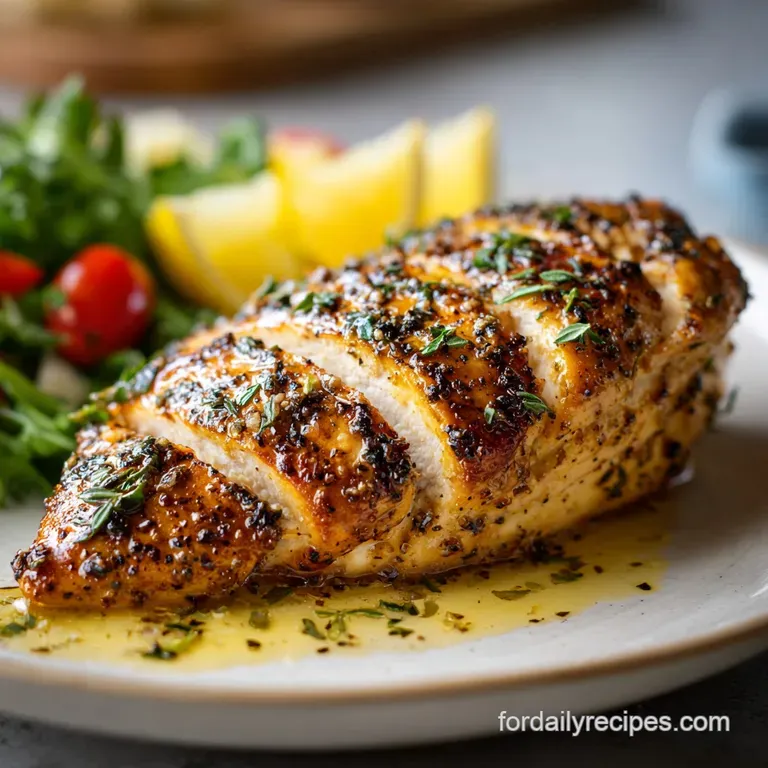
The contrast here is what makes it special. You have the crisp, pepper flecked exterior of the chicken breast giving way to a tender, juicy center, all draped in a sauce that feels indulgent without being heavy.
We aren't looking for a "modern" shortcut here; we are leaning into the time honored technique of searing and deglazing to coax out every bit of flavor from the pan.
The Chemistry of Citrus Searing
Starch Gelatinization: Using arrowroot powder creates a thin, protective barrier that browns quickly while thickening the lemon juice into a velvety glaze.
Acid Denaturation: The lemon juice slightly softens the protein fibers on the surface, allowing the seasoning to penetrate deeper for a more cohesive flavor profile.
| Thickness | Internal Temp | Rest Time | Visual Cue |
|---|---|---|---|
| 0.5 inch | 165°F | 5 minutes | Juices run completely clear |
| 0.75 inch | 165°F | 7 minutes | Center is opaque and firm |
| 1 inch | 165°F | 8 minutes | Surface is deeply golden |
When you are aiming for that golden hue, it helps to understand the heat. A well rested piece of meat retains its moisture much better than one sliced immediately. If you're looking for a companion to soak up that extra sauce, this dish pairs beautifully with a simple side, much like the flavors found in my oven-roasted Vegetables recipe.
Essential Dish Specifications and Timing
Before we get our hands messy, let's look at the backbone of the dish. I’ve found that using 1.5 lbs chicken breast is the sweet spot for a family of four. Pounding them down to a consistent 1/2 inch thickness isn't just about aggression; it’s about thermal consistency.
When every piece is the same height, they all finish cooking at the exact same second, preventing that heartbreaking moment where one piece is dry while another is raw.
| Ingredient | Science Role | Pro Secret |
|---|---|---|
| Fresh Lemon Zest | Essential Oils | Zest directly over the chicken to catch the citrus mist |
| Black Pepper | Maillard Support | Use a coarse grind for a "shatter" texture on the crust |
| Arrowroot Powder | Moisture Barrier | Keeps the meat from losing juices during the over high heat sear |
Using fresh ingredients over the bottled alternatives changes the entire profile of your Lemon Pepper Chicken. While a shortcut might save three minutes, the depth of flavor from freshly minced garlic and hand squeezed juice is where the heritage of home cooking really shines.
Choosing Your Heritage Ingredients Wisely
For this recipe, we are using 1.5 lbs chicken breast, which we will pound thin for even cooking. The seasoning blend consists of 1 tsp Kosher salt, 2 tbsp coarsely cracked black pepper, 2 tbsp fresh lemon zest, 1 tsp garlic powder, and 0.5 tsp onion powder.
To get that silky finish, we utilize 2 tbsp arrowroot powder as our dredging agent.
The sauce is a simple but potent mixture of 0.5 cup low sodium chicken broth, 0.25 cup freshly squeezed lemon juice, and 2 cloves garlic, minced. We’ll sear everything in 1 tbsp extra virgin olive oil and finish with 1 tbsp fresh parsley, chopped, for that final pop of color and earthiness. If you find yourself out of chicken breasts, the technique works just as well with thighs, similar to how I approach my How to Cook recipe.
| Original Ingredient | Substitute | Why It Works |
|---|---|---|
| Arrowroot Powder | Cornstarch | Similar thickening power, though arrowroot gives a glossier finish |
| Low Sodium Broth | Vegetable Stock | Provides the liquid base without altering the primary savory notes |
| Extra Virgin Olive Oil | Ghee | Higher smoke point with a rich, buttery heritage flavor |
Chef Tip: Toast your cracked black pepper in a dry pan for 60 seconds before adding it to the seasoning mix. This releases the piperine oils and softens the sharp "bite" into a more complex, toasted warmth.
Tools for a Flawless Sear
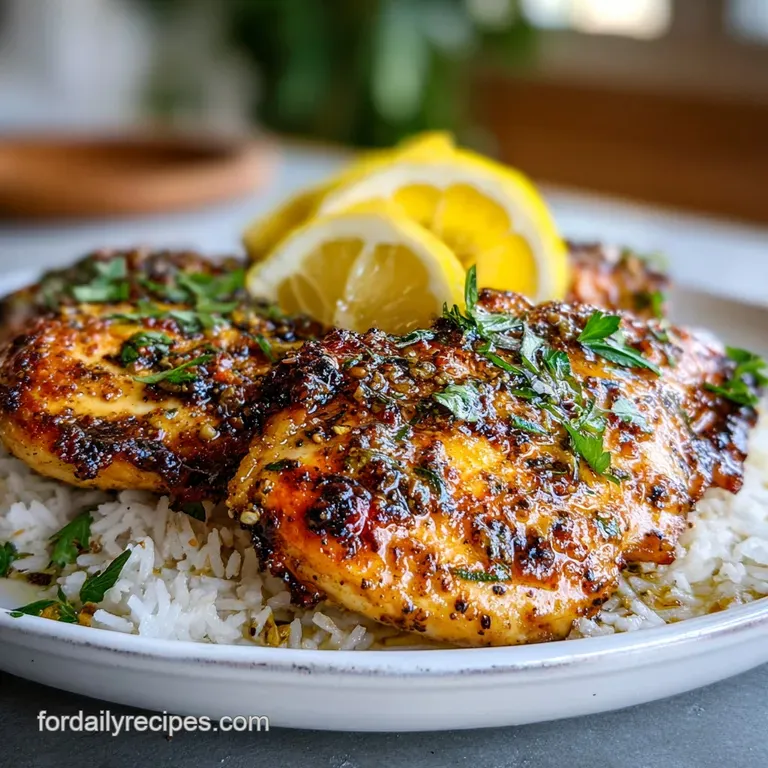
A heavy bottomed skillet is your best friend here. A cast iron pan or a heavy stainless steel skillet will hold heat much better than thin aluminum, ensuring that when the chicken hits the oil, the temperature doesn't drop.
You'll also need a meat mallet or a heavy rolling pin to pound the breasts to that crucial 1/2 inch thickness.
A microplane zester is essential for getting the 2 tbsp of lemon zest without hitting the bitter white pith. I also highly recommend using a digital meat thermometer. In my kitchen, we don't guess when the meat is done; we wait for that 165°F reading to ensure every serving is safe and succulent.
Cooking the Chicken step-by-step
- Prepare the meat. Place the 1.5 lbs chicken breast between pieces of plastic wrap and pound to 1/2 inch thickness. Note: This ensures the meat cooks quickly without drying out.
- Mix the dry rub. In a small bowl, combine the 1 tsp Kosher salt, 2 tbsp cracked black pepper, 2 tbsp lemon zest, 1 tsp garlic powder, and 0.5 tsp onion powder.
- Coat the chicken. Dredge each piece in the 2 tbsp arrowroot powder, then press the pepper lemon mixture firmly onto both sides.
- Heat the skillet. Add 1 tbsp olive oil to the pan over medium high heat until the oil shimmers and barely wisps smoke.
- Sear the protein. Place chicken in the pan and cook for 5 to 6 minutes per side until a deep golden brown crust forms.
- Remove and rest. Transfer the chicken to a warm plate. Note: Resting allows the juices to redistribute back into the fibers.
- Sauté the aromatics. Lower heat to medium and add the 2 cloves minced garlic, stirring for 30 seconds until fragrant but not browned.
- Deglaze the pan. Pour in the 0.5 cup chicken broth and 0.25 cup lemon juice, scraping up the browned bits from the bottom.
- Thicken the sauce. Simmer the liquid for 3 to 4 minutes until the sauce coats the back of a spoon.
- Final glaze. Return the chicken to the pan for 1 minute to coat, then garnish with 1 tbsp fresh parsley.
Fixing Common Cooking Errors Easily
One mistake I often see is overcrowding the pan. If the pieces are touching, they will steam instead of sear, and you'll lose that beautiful shatter crisp texture we worked so hard for. If your pan is small, cook in two batches.
It takes a little more time, but the heritage of a well seared piece of meat is worth the patience.
Balancing the Sharp Acidity
If your sauce tastes too tart, it usually means the lemons were particularly acidic. You can mellow this out by whisking in a small knob of cold butter at the very end. The fat coats the tongue and rounds out the sharp edges of the citrus without masking the flavor.
Fixing a Bitter Sauce
Bitterness usually comes from two places: burnt garlic or getting too much white pith when zesting. If the garlic turns dark brown or black, it's best to wipe the pan and start the sauce over. To avoid pith, use a light touch when zesting you only want the bright yellow outer layer.
| Problem | Root Cause | Solution |
|---|---|---|
| Coating falls off | Meat was too wet | Pat the chicken bone dry with paper towels before dredging |
| Chicken is tough | Overcooked or not pounded | Use a thermometer to hit 165°F exactly and always pound to 1/2 inch |
| Sauce is watery | Not simmered enough | Let the liquid reduce by half to concentrate the starches and flavors |
Common Mistakes Checklist
- ✓ Forgetting to pat the chicken dry (this is the number one cause of a soggy crust)
- ✓ Using pre ground table pepper instead of coarsely cracked peppercorns
- ✓ Moving the chicken too early before the crust has properly set in the pan
- ✓ Using bottled lemon juice which lacks the bright aromatic oils of fresh zest
- ✓ Searing on too low a temperature, which results in "stewed" meat rather than a crisp exterior
Flavor Variations and Ingredient Swaps
If you want to move away from the classic breast, this technique works beautifully with Lemon Pepper Chicken Thighs. Thighs are more forgiving and remain moist even if they go slightly over temperature.
Simply extend the searing time by 2 minutes per side and ensure the skin, if present, gets extra crispy.
For a different flavor profile, you might consider adding a teaspoon of my Poultry Seasoning recipe into the arrowroot dredge. It adds an herbal depth with sage and thyme that complements the lemon perfectly. If you prefer a bit of heat, a pinch of red pepper flakes in the pan sauce provides a lovely "sweet heat" contrast against the citrus.
- Baking for Ease: If you are cooking for a crowd, sear the chicken for 2 minutes per side then finish in a 400°F oven for 10 minutes.
- Adding a Green Element: Toss a handful of baby spinach into the pan sauce at the very end until just wilted.
- Grain Pairing: Serve this over a bed of heritage grains or a simple rice pilaf to catch every drop of the zesty glaze.
Preserving Freshness and Reheating Tips
Store any leftovers in an airtight container in the refrigerator for up to 3 days. Because this dish relies on a crisp exterior, it will soften slightly as it sits. To bring back that "just cooked" feel, I recommend reheating it in a skillet over medium heat with a splash of broth rather than using the microwave, which can make the poultry rubbery.
For freezing, place the cooked and cooled chicken in a freezer safe bag for up to 2 months. Thaw it overnight in the fridge before reheating. To keep the waste to a minimum, save your squeezed lemon halves!
I toss them into a jar of white vinegar for two weeks to create a natural, citrus scented kitchen cleaner a trick passed down through generations.
Best Side Dishes for Serving
To truly honor this Lemon Pepper Chicken, serve it with something that can stand up to the bold flavors. A crisp green salad with a light vinaigrette works well, or you could go for something more substantial. Since the sauce is so vibrant, I often serve this alongside a portion of my Poultry Seasoning recipe roasted potatoes.
If you are looking for a more traditional spread, a side of buttered biscuits and steamed green beans makes this feel like a Sunday heritage meal. The key is to keep the sides relatively simple so the contrast of the pepper and the brightness of the lemon remains the star of the show.
Trust me, once you master that pan sauce, you'll be looking for any excuse to drizzle it over everything on your plate.

Recipe FAQs
Is lemon pepper seasoning good on chicken?
Yes, it creates an excellent balance of flavor. The sharp acidity of the lemon brightens the poultry, while the toasted pepper provides a savory, earthy crust that enhances the Maillard reaction during searing.
What are the three core ingredients in traditional lemon chicken preparation?
Chicken, fresh lemon (zest and juice), and coarsely cracked black pepper. While salt and oil are necessary, these three components define the classic flavor profile and texture contrast of the dish.
What's the secret to achieving the best, most flavorful lemon pepper crust?
Toast the cracked black pepper briefly before seasoning the chicken. Toasting releases the essential piperine oils, deepening the pepper's flavor from sharp to warm and complex, which signals a higher skill level in your cooking.
What goes well with Lemon Pepper Chicken for a complete meal?
Starchy sides that soak up the pan sauce are ideal companions. Consider serving it over a bed of fluffy rice or alongside creamy mashed potatoes to capture every bit of that bright, zesty glaze.
How do I prevent the lemon pepper coating from burning before the chicken is cooked through?
Use a heavy bottomed pan and ensure the chicken is pounded to an even 1/2 inch thickness. This thermal consistency is key; uneven thickness leads to thin spots burning before thicker parts reach a safe temperature.
Is it true that I must use fresh lemon zest instead of bottled juice for the best result?
No, this is a common misconception, but fresh is superior. While bottled juice provides acid, fresh zest contains volatile aromatic oils that add depth and floral notes which cannot be replicated by the juice alone.
How can I make the final pan sauce richer without adding heavy cream?
Whisk in a small amount of cold butter (mounted) right at the end of cooking. This technique emulsifies the liquid, adding body and richness, similar to how you finish a decadent sauce like our Garlic Parmesan Sauce recipe.
Lemon Pepper Chicken Recipe
Ingredients:
Instructions:
Nutrition Facts:
| Calories | 261 kcal |
|---|---|
| Protein | 39.5 g |
| Fat | 7.8 g |
| Carbs | 6.1 g |
| Fiber | 0.6 g |
| Sugar | 0.8 g |
| Sodium | 588 mg |
