Korean Fried Chicken Recipe
- Time: Active 20 minutes, Passive 25 minutes, Total 45 minutes
- Flavor/Texture Hook: Shatter crisp exterior with a velvety, spicy sweet fermented glaze
- Perfect for: Weekend gatherings, adventurous home cooks, or a superior Friday night treat
- The Science of Why it Works
- Vital Stats for Your Weekend Culinary Adventure
- The Alchemy of Umami and Starch Ratios
- Essential Tools for Achieving High Heat Precision
- Step by Step Guide to Frying Mastery
- Navigating Potential Roadblocks for Perfect Texture
- Exploring Diverse Glazes and Global Flavor Profiles
- Preserving the Shatter and Reducing Kitchen Waste
- Presentation Ideas That Transcend Typical Pub Fare
- Addressing Technical Details for Home Kitchen Success
- Recipe FAQs
- 📝 Recipe Card
You know that specific sound when you bite into something so crisp it practically echoes? That is exactly what we are chasing today. I still remember my first attempt at a korean fried chicken recipe years ago; I used a standard flour batter, and within five minutes of saucing it, the whole thing turned into a sad, soggy mess that tasted more like a wet sponge than world class street food.
We are leaving those soggy days behind. This isn't just about frying chicken; it's about a culinary tradition that transcends borders and turns a simple wing into something extraordinary.
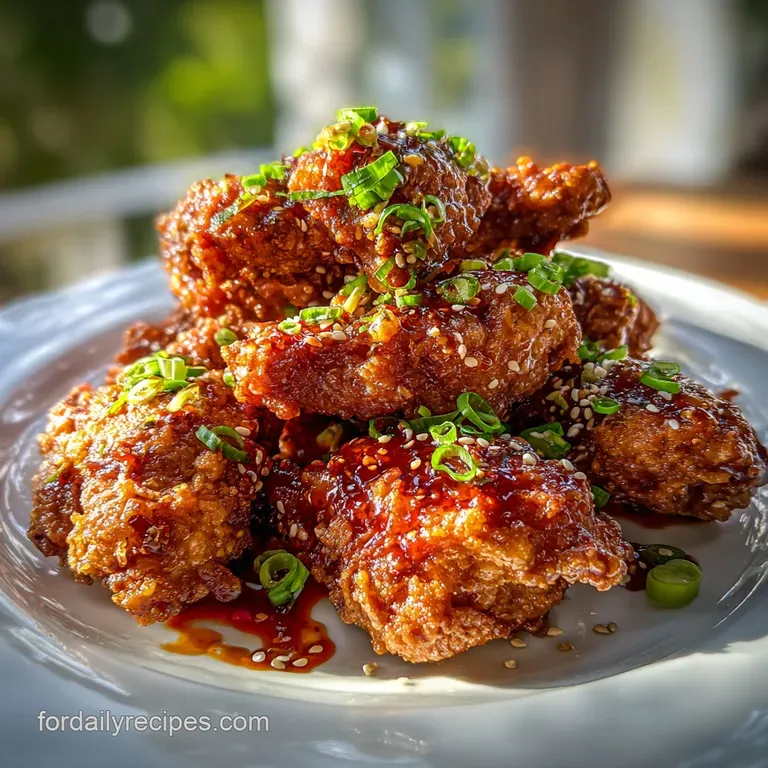
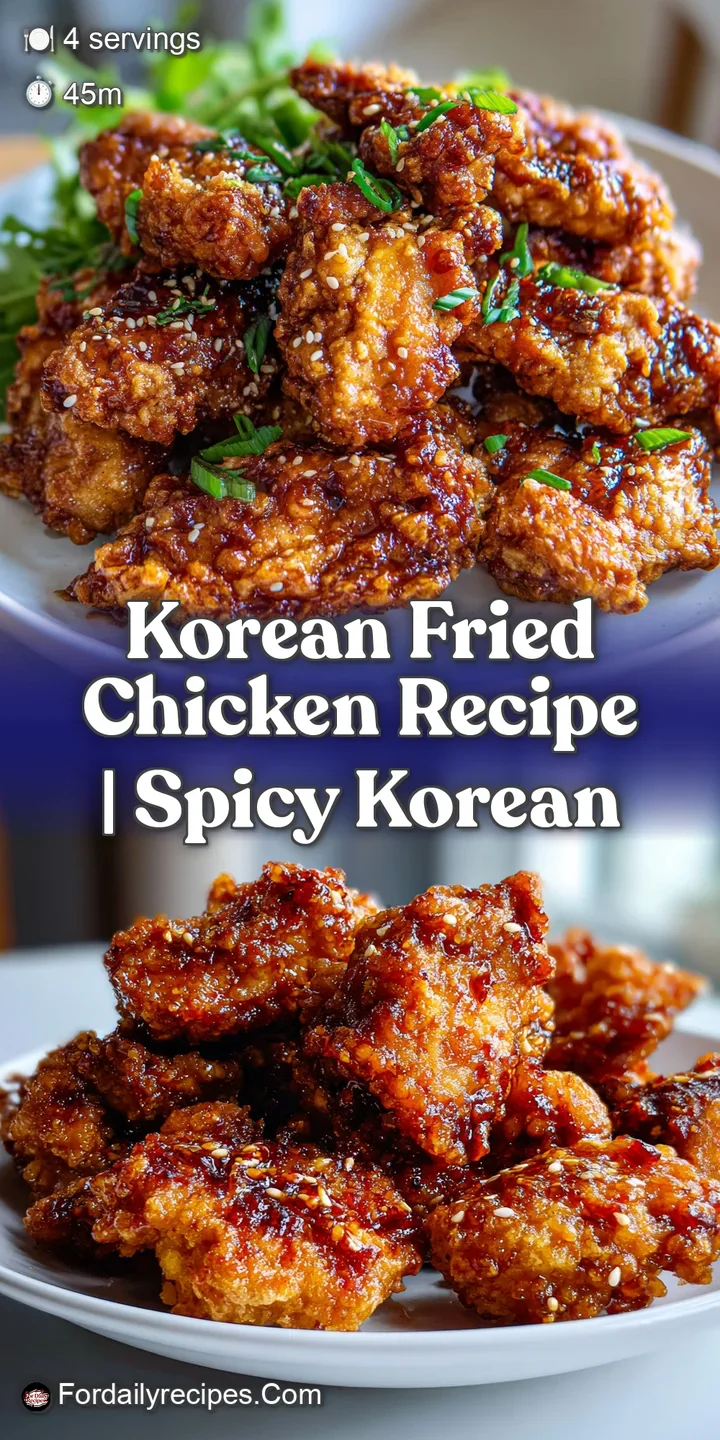
We’re talking about a crust so light it shatters like glass, paired with a glaze that balances the deep, fermented funk of gochujang with just enough honey to keep you coming back for another bite.
Trust me, once you see how the vodka and potato starch react in the hot oil, you'll never go back to basic breading. This is the kind of weekend project that makes your kitchen smell like a Seoul night market and makes everyone at the table wonder if you've been taking secret chef classes.
Let's get into the mechanics of the crunch. Achieving the Ultimate Crunch With This Korean Fried Chicken Recipe
To get that legendary texture, we have to look at the science of the batter. Unlike American style frying which relies on a thick, craggy flour coating, this technique uses a high ratio of starches. This creates a thin, brittle shell that doesn't soak up oil like a sponge.
It’s all about moisture management and surface area.
Mastering the Double Fry Method
The secret weapon is the double fry. The first round at a lower temperature cooks the meat through and sets the starch. The second round, at a higher heat, flash evaporates any remaining moisture in the crust, leaving it impossibly light and airy. It’s the difference between "good" and "unforgettable."
Leveraging Potato Starch for Aeration
We use potato starch because it has larger granules than cornstarch. When it hits the oil, those granules swell and create tiny air pockets. This results in a texture that is less "hard" and more "shatter crisp." Adding a splash of vodka to the batter further helps because alcohol evaporates much faster than water, which sets the crust before it has a chance to get tough.
Balancing the Spicy Sweet Glaze
The sauce is a masterclass in balance. You have the heat from the gochujang, the savory depth of low sodium soy sauce, and the floral sweetness of honey. It needs to be simmered just until it’s thick enough to coat a spoon too thin and it makes the chicken soggy; too thick and it becomes a sticky candy coating.
The Science of Why it Works
Starch Gelatinization: The combination of potato and corn starch creates a non linear polymer network that traps less oil while forming a rigid, moisture resistant barrier.
Alcohol Evaporation: Using vodka in the batter lowers the boiling point of the liquid, causing it to flash off rapidly in the oil and creating an ultra light, aerated crust.
Vital Stats for Your Weekend Culinary Adventure
| Feature | Fresh Preparation | Shortcut Version | Honest Trade off |
|---|---|---|---|
| Crust Texture | Shatter crisp and light | Dense and doughy | Shortcuts often use only AP flour, which lacks the glass like snap. |
| Glaze Depth | Complex, fermented funk | One dimensional sweet | store-bought sauces lack the punch of fresh ginger and toasted sesame oil. |
| Moisture Content | Succulent and juicy | Potentially dry | Fresh wings retain more internal moisture compared to pre frozen, pre breaded options. |
When you're aiming for that signature crunch, don't even bother with low-fat substitutes or skipping the starch blend. The ratio of 1/2 cup potato starch to 1/4 cup each of AP flour and cornstarch is the sweet spot I discovered after about a dozen failed batches.
It's the only way to get that professional finish at home.
The Alchemy of Umami and Starch Ratios
| Ingredient | Science Role | Pro Secret |
|---|---|---|
| Potato Starch | Structural rigidity | Use high-quality starch for a thinner, crispier shell. |
| Gochujang | Fermented base | Look for "Gold" grade for a deeper, more nuanced heat. |
| Vodka | Rapid dehydration | Keep it ice cold to prevent gluten development in the flour. |
| Ginger | Protease enzymes | Freshly grated ginger helps tenderize the meat while it marinates. |
Selecting the right components is the foundation of this dish. For the chicken, we're using 2 lbs chicken wings, flats and drumettes separated. This size ensures they cook through during the first fry without the outside burning.
For the base seasoning, 1 tsp kosher salt and 1/2 tsp black pepper, freshly cracked, provide the essential savory floor.
For the Chicken & Marinade
- 2 lbs chicken wings: Separated into flats and drumettes. Why this? Provides the perfect skin to meat ratio for maximum crunch.
- 1 tbsp ginger (finely grated): Use fresh ginger for a bright, peppery bite.
- 2 tbsp soju or dry white wine: Helps neutralize any gamey scents and begins the tenderizing process.
- 1 tsp kosher salt: Use Diamond Crystal if possible; it clings better to the skin.
For the Korean Fried Chicken Batter Recipe
- 1/2 cup potato starch: Essential for the glass like texture. (Sub: Cornstarch, though the crust will be harder).
- 1/4 cup all purpose flour: Provides a bit of structure for the starches to cling to.
- 1/4 cup cornstarch: Increases the "snap" of the final crust.
- 1 tsp baking powder: Creates tiny CO2 bubbles for an airy finish.
- 1/2 cup ice cold water: Must be freezing to keep the gluten dormant.
- 2 tbsp vodka: The secret to a non greasy, rapid set crust.
For the Spicy Korean Fried Chicken Sauce Recipe
- 3 tbsp gochujang: This is the soul of the dish. (Sub: Sriracha + a pinch of miso for depth).
- 2 tbsp low sodium soy sauce: Adds umami without making it overly salty.
- 1/4 cup honey: Provides the glossy sheen and balances the heat.
- 2 tbsp rice vinegar: Cuts through the fat of the fried skin.
- 3 cloves garlic (minced): Sautéed briefly to release aromatic oils.
- 1 tbsp toasted sesame oil: Add this at the very end to preserve the delicate aroma.
Essential Tools for Achieving High Heat Precision
You don't need a commercial kitchen, but a heavy bottomed pot is non negotiable. I prefer using a large enameled cast iron Dutch oven because it holds heat like a champ. When you drop cold chicken into hot oil, the temperature plummets.
A heavy pot minimizes that drop, ensuring the chicken fries rather than simmers in oil.
A digital thermometer is your best friend here. If you're guessing the oil temperature, you're guessing the final texture. We need 325°F for the first fry and 375°F for the second. Also, grab a wire cooling rack.
Never, ever put fried chicken directly onto paper towels the steam gets trapped underneath and turns your hard earned crunch into mush in seconds.
Chef's Note: If you have a spider strainer, use it. It allows you to lift the chicken out while letting the oil drain instantly, which is vital for maintaining the heat of the oil between batches.
step-by-step Guide to Frying Mastery
Preparing the Protein
- Pat the chicken dry. Use paper towels to remove every trace of surface moisture. Note: Dry skin is the only way to get the starch to adhere properly.
- Massage the marinade. Toss the wings with the 1 tsp salt, 1/2 tsp pepper, 1 tbsp grated ginger, and 2 tbsp soju.
- Rest the wings. Let them sit for 15 minutes until the aromatics have permeated the meat.
Coating for Maximum Crunch
- Whisk the dry base. Combine 1/2 cup potato starch, 1/4 cup flour, 1/4 cup cornstarch, and 1 tsp baking powder in a large bowl.
- Create the slurry. Gradually whisk in 1/2 cup ice cold water and 2 tbsp vodka until the batter is smooth and thin, like heavy cream.
- Dredge the chicken. Dip each wing into the batter, letting the excess drip off.
Executing the First Fry
- Fry at 325°F. Carefully lower the wings into the oil in batches.
- Initial cook. Fry for 8-10 minutes until the coating is pale gold and firm to the touch.
- Rest and drain. Move the wings to a wire rack for 5 minutes. Note: This allows the internal moisture to migrate to the surface before the second fry.
Perfecting the Second Fry
- Fry at 375°F. Crank up the heat and return the wings to the oil.
- Final crisp. Fry for 2-3 minutes until the wings are deep golden brown and sound hollow when tapped.
Simmering the Signature Glaze
- Sauté the aromatics. In a separate pan, cook 3 cloves minced garlic and 1 tsp ginger in a splash of oil.
- Whisk the liquids. Add 3 tbsp gochujang, 2 tbsp soy sauce, 1/4 cup honey, and 2 tbsp rice vinegar.
- Reduce the sauce. Simmer for 3 minutes until the glaze is thick, glossy, and bubbling vigorously.
Finishing the Dish
- The final toss. Place the hot wings in a large bowl and pour the glaze over them.
- Emulsify the oils. Add 1 tbsp toasted sesame oil and toss rapidly until every wing is completely encased in a velvety, red sheen.
Navigating Potential Roadblocks for Perfect Texture
One mistake I once made was crowding the pan. I was hungry and impatient, so I dumped all 2 lbs of wings in at once. The oil temperature crashed, the batter basically dissolved into the oil, and I ended up with greasy, naked chicken. Always work in batches, even if it takes a little longer.
Preventing a Soggy Crust
If your chicken comes out soft despite the double fry, your oil temperature likely dropped too low. Ensure you're using a thermometer and wait for the oil to return to 375°F before starting the next batch. Also, ensure your Chicken Thigh Marinade recipe techniques from other dishes aren't confusing you unlike a wet marinade for roasting, we need the surface of these wings relatively dry before battering.
| Problem | Root Cause | Solution |
|---|---|---|
| Batter Falling Off | Surface was too wet | Pat chicken bone dry before dredging in starch. |
| Glaze is Too Thin | Not reduced enough | Simmer until it coats the back of a spoon and leaves a clear path when a finger is swiped across. |
| Chicken is Too Dark | Oil too hot or too much sugar | Lower the heat to 325°F for the first fry and ensure honey isn't added until the sauce stage. |
Fixing a Broken Sauce
If your glaze looks greasy or separated, it's usually because the honey and gochujang haven't fully emulsified. Whisk in a teaspoon of water and keep it over low heat; the steam will help bring the fats and sugars back together into a smooth, velvety coating.
Stopping the Garlic from Burning
Garlic turns bitter the second it crosses the line from golden to brown. When making the glaze, keep your heat at medium low. You want to smell the garlic that pungent, sweet aroma but you don't want to see it turn dark. If it does, toss it and start the sauce over.
It’s the only way to save the dish.
Exploring Diverse Glazes and Global Flavor Profiles
While the spicy gochujang version is the gold standard, the technique itself is a blank canvas. If you're looking for something that transcends borders, you can apply the same starch batter method and toss the finished wings in a variety of international sauces.
The Soy Garlic Twist
For those who prefer a non spicy version, replace the gochujang with an extra tablespoon of soy sauce and a splash of brown sugar. This creates a savory, salty sweet profile that is very common in many Greek Recipes where honey and lemon are used, though here we lean into the Asian pantry.
The Air Fryer Health Swap
If you want the crunch without the vat of oil, you can air fry these. Lightly spray the battered wings with oil and air fry at 375°F for 15 minutes, flipping halfway.
Note: You will lose about 20% of the "shatter" factor, but it's still significantly crispier than a standard baked wing.
| Variation | Modification |
|---|---|
| a lighter crust | increase the potato starch and decrease the AP flour |
| more "crag" | let the battered chicken sit for 2 minutes before frying so the starch hydrates slightly |
| maximum heat | add a teaspoon of gochugaru (Korean chili flakes) to the glaze |
Preserving the Shatter and Reducing Kitchen Waste
Fried food is notoriously difficult to store, but it’s not impossible. If you have leftovers, do not put them in the microwave unless you want to eat a rubber tire. Instead, use an oven or air fryer at 350°F for about 5-8 minutes.
This will re crisp the starch and melt the glaze back into a delicious sheen.
For storage, keep the chicken in an airtight container in the fridge for up to 3 days. You can also freeze the chicken after the first fry. Once they've cooled, freeze them on a tray, then move to a bag.
When you're ready to eat, do the second fry directly from frozen (adding 2 minutes to the time).
Zero Waste Tip: Don't throw away that leftover frying oil! Once it cools, strain it through a coffee filter. Since we used starches and a clean batter, the oil can be reused 2-3 more times for frying or even as a base for a spicy chili oil.
The leftover ginger peels can be simmered with water and honey to make a quick soothing tea.
Presentation Ideas That Transcend Typical Pub Fare
When you're ready to serve, don't just pile them on a plate. This dish deserves some flair. I love serving these wings on a large wooden board or a slate platter to make the red glaze pop.
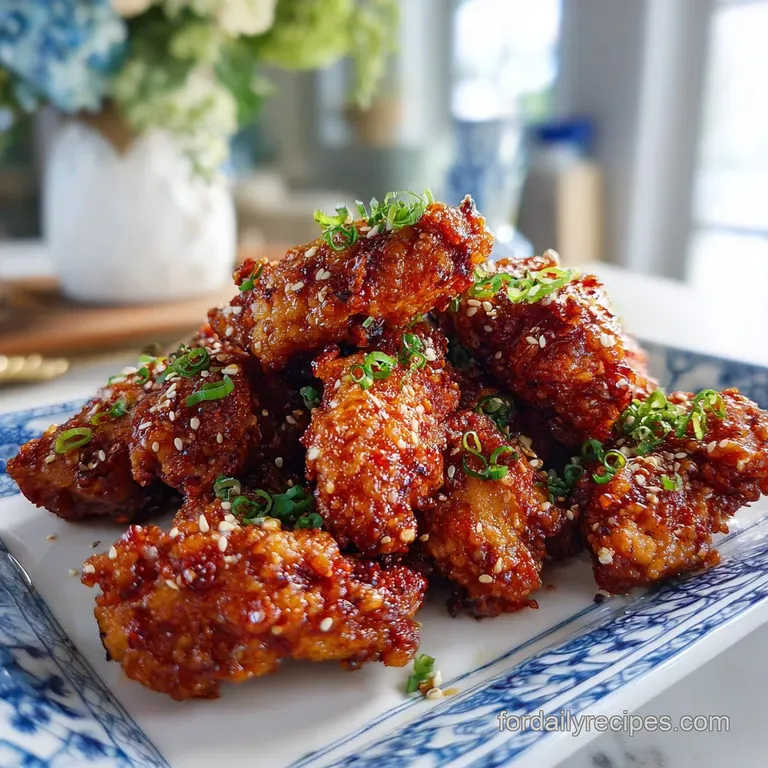
Sprinkle them generously with toasted sesame seeds and thinly sliced scallions on a bias it adds a fresh, oniony crunch that cuts through the richness.
Pair these wings with "chicken mu" (pickled radish cubes). The acidity and cold temperature of the radish act as a palate cleanser between the spicy, hot bites of chicken. Honestly, don't even bother with ranch or blue cheese; they’ll just mask the complex fermented flavors we worked so hard to build.
Addressing Technical Details for Home Kitchen Success
Substituting Potato Starch
While I swear by potato starch for that "glass like" finish, you can use 100% cornstarch if you're in a pinch. The result will be a bit harder and crunchier, rather than light and shattering, but it still beats all purpose flour any day of the week.
Using Chicken Breast Instead
You can definitely use breast meat, but cut them into uniform 1 inch nuggets. Because breast meat is leaner, reduce the first fry time to about 5-6 minutes to avoid drying them out. The double fry is even more critical here to keep the lean meat protected by the crust.
Solving Dark Crust Issues
If your chicken looks burnt but isn't crispy, your oil is likely too dirty or too hot. Old oil has a lower smoke point and will brown the starch before it has time to dehydrate. Always start with fresh or well strained oil and use a thermometer to stay within the 325°F to 375°F range.
The Gochujang Requirement
Is gochujang necessary? In my opinion, yes. It provides a unique, thick texture and a fermented funk that you can't get from standard hot sauces. However, if you can't find it, a mix of Sriracha, a dash of soy sauce, and a teaspoon of miso paste can get you about 80% of the way there.
Keeping Batches Warm
If you're cooking for a crowd, keep a baking sheet with a wire rack in a 200°F oven. As the wings come out of the second fry and get tossed in the sauce, place them in the oven. The dry heat will keep the glaze from softening the crust while you finish the rest of the 2 lbs of chicken.
- Myths Debunked
- 1. Myth
- Searing or frying meat "seals in" the juices. Truth: Moisture loss happens regardless of the crust; the double fry actually manages moisture by letting it escape between fries so the crust stays crisp.
- 2. Myth
- You need a dedicated deep fryer for this. Truth: A heavy bottomed Dutch oven is actually superior because of its thermal mass and ease of cleaning.
- 3. Myth
- Alcohol in the batter is just for flavor. Truth: Vodka is a functional ingredient that inhibits gluten and evaporates faster than water, which is the literal secret to the "Korean crunch."
Recipe FAQs
What are the ingredients of Korean fried chicken?
Key ingredients include chicken pieces, a batter made from potato starch, all-purpose flour, cornstarch, baking powder, ice-cold water, and vodka. The glaze typically contains gochujang, low sodium soy sauce, honey, rice vinegar, minced garlic, and toasted sesame oil.
What's the secret to Korean chicken's flavor?
The secret lies in the unique batter and double frying technique, creating an exceptionally crisp crust. The flavorful glaze, a balance of spicy gochujang, sweet honey, and savory soy sauce, is crucial for that signature taste.
How is Korean fried chicken different from normal fried chicken?
Korean fried chicken features an incredibly thin, shatteringly crisp crust achieved through a starch heavy batter and a double fry. Unlike American styles that often use thicker, craggier flour coatings, it's lighter and less greasy.
Should I marinate Korean fried chicken?
Yes, a short marinade is beneficial for flavor and tenderness. Typically, wings are tossed with salt, pepper, grated ginger, and a bit of soju or white wine for about 15 minutes before battering.
What kind of oil is best for frying Korean chicken?
A neutral flavored oil with a high smoke point, such as canola, vegetable, or peanut oil, is ideal. Use a generous amount in a heavy bottomed pot to maintain consistent high temperatures crucial for achieving the perfect crispness.
Why is potato starch so important for Korean fried chicken?
Potato starch is essential for creating the signature glass like, delicate crust. Its larger granules absorb less oil and create more air pockets during frying than cornstarch alone, resulting in a lighter, shatterproof texture.
Can I make Korean fried chicken less spicy?
Yes, you can easily adjust the spice level by reducing the amount of gochujang in the glaze. For a non-spicy alternative, consider a soy-garlic glaze instead, similar to the flavor profiles found in some Greek Recipes.
Korean Fried Chicken Recipe
Ingredients:
Instructions:
Nutrition Facts:
| Calories | 778 kcal |
|---|---|
| Protein | 41.8 g |
| Fat | 49.2 g |
| Carbs | 39.5 g |
| Fiber | 1.2 g |
| Sugar | 17.4 g |
| Sodium | 1120 mg |
