Greek Roasted Potatoes: Crispy and Creamy
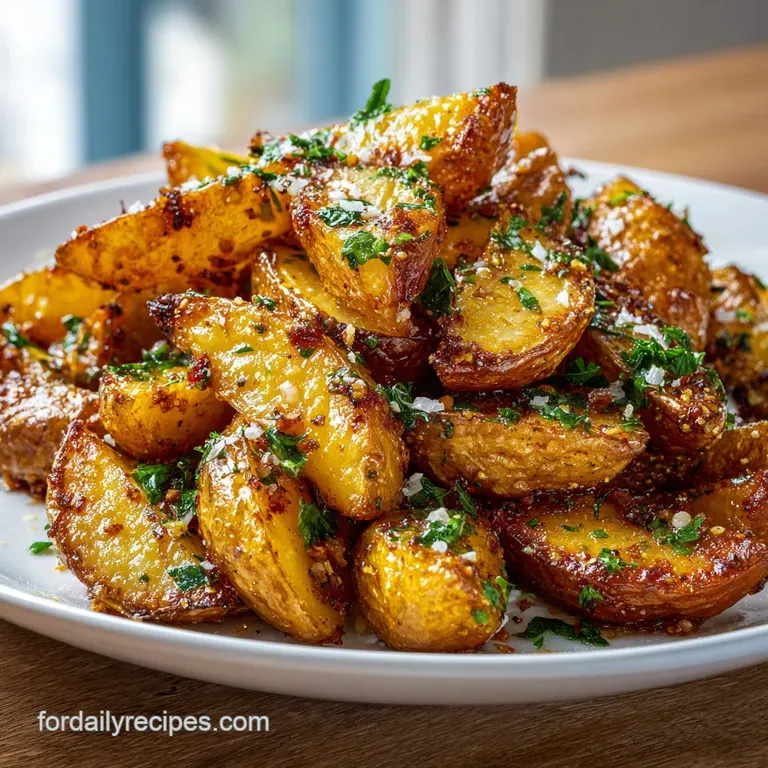
- Time: Active 15 minutes, Passive 50 minutes, Total 65 minutes
- Flavor/Texture Hook: Shatter crisp edges with a tangy, garlicky center
- Perfect for: Sunday roasts, Mediterranean dinner parties, or high end meal prep
- Secrets of Authentic Greek Roasted Potatoes
- Mastering the Shatter Crisp Crust Technique
- Essential Specs for Timely Results
- Selecting Ingredients for Extraordinary Flavor
- Proper Gear for Even Roasting
- Steps for Achieving Golden Perfection
- Fixes for Common Roasting Challenges
- Creative Adaptations for the Table
- Storing and Reviving Your Leftovers
- Presentation Tips for Better Serving
- Recipe FAQs
- 📝 Recipe Card
Secrets of Authentic Greek Roasted Potatoes
Have you ever wondered why the potatoes at a high end Greek taverna taste so much more complex than the ones we toss in the oven at home? There is a paradoxical secret sitting in that roasting pan.
Usually, we are told that moisture is the enemy of crispiness, but in this specific corner of the culinary world, liquid is actually your best friend. The first time I saw a chef pour a heavy stream of chicken broth and lemon juice over a tray of raw potatoes, I thought they were making soup, not a side dish.
I waited for the soggy disappointment, but what came out was something that transcends borders a potato that had literally absorbed its own weight in flavor before being fried in its own fat.
The aroma that hits you when the oven door opens is a sharp, bright mix of toasted oregano and caramelizing lemon sugar. It is the kind of scent that fills the house and makes people wander into the kitchen without being called. These aren't just roasted starch; they are an experience of textures.
You get that initial crunch that shatters against your teeth, followed immediately by a center so soft it almost feels like it was whipped. It is a contrast that feels adventurous and deep, turning a humble root vegetable into something extraordinary that usually disappears from the table faster than the main course.
We are going to move past the basic "oil and salt" routine. We are looking for that mahogany dark crust and the zingy, salty punch that makes these potatoes legendary. By the time we are done, you will understand how to balance the acidity of the lemon with the richness of the olive oil to create an emulsion that would make a professional saucier jealous.
It is a simple set of steps, but the timing and the ratios are where the magic actually happens.
Mastering the Shatter Crisp Crust Technique
The reason this recipe works so well isn't just luck; it is a two phase cooking process happening simultaneously in your pan. Most people skip the "braising" part of roasting, but for Greek potatoes, it is mandatory.
When you first slide that pan into the oven, the potatoes are submerged in a bath of broth, lemon juice, and oil. The broth acts as a heat conductor, cooking the interior of the potato wedges until they reach a state of starch gelatinization. This makes the insides creamy rather than dry and mealy.
As the oven's dry heat goes to work, the water in the chicken broth slowly evaporates. This is the turning point. As the liquid disappears, the concentrated oils and fats that were once floating on top begin to settle directly onto the surface of the potatoes.
Now, instead of boiling, the potatoes are essentially shallow frying in a lemon infused fat. This is what creates that incredibly thick, craggy crust that you simply cannot get with oil alone.
- Acidic Structural Integrity: The lemon juice lowers the pH, which prevents the potato pectin from breaking down too quickly, keeping the wedges intact while the insides soften.
- Emulsion Adhesion: Whisking the oil and broth creates a temporary emulsion that coats every nook and cranny of the potato more effectively than oil alone.
- Sugar Caramelization: Natural sugars in the lemon juice and the starches of the potato undergo a transformation under the high heat, resulting in a deep mahogany color.
- Herb Infusion: The long roasting time allows the essential oils in the dried oregano to bloom into the fat, flavoring the potato from the outside in.
| Cook Method | Prep Time | Texture Result | Best Use Case |
|---|---|---|---|
| Traditional Braise Roast | 15 minutes | Soft center, thick crust | Weekend dinner / Entertaining |
| over High heat Dry Roast | 5 minutes | Evenly crispy, drier center | Quick weeknight side |
| Air Fryer Method | 10 minutes | Very crispy, less flavor depth | Small batches / Quick fix |
This comparison highlights that while speed is tempting, the traditional braise roast method is the only way to achieve that specific "custard like" interior that defines the dish. If you are in a rush, you can check out my Air Fryer Baked Potatoes recipe for a faster alternative, but for the full Mediterranean experience, the oven is your best tool. The extra time spent waiting for the liquid to evaporate is where the flavor depth truly develops.
Essential Specs for Timely Results
In my kitchen, I’ve learned that timing is everything when you’re working with emulsions. If you pull these out 10 minutes too early, you’ll have delicious boiled potatoes sitting in a puddle of oil.
If you wait 10 minutes too long, the garlic will turn from sweet to bitter. We are aiming for that 50 minute "sweet spot" where the liquid has just finished vanishing, leaving behind a sizzling pan of gold.
Precision matters here because the thickness of your potato wedges dictates the moisture release. I always aim for wedges that are about 1 inch thick at their widest point. This ensures they don't turn to mush before the crust has a chance to form.
We are also looking for a specific temperature — 425°F (220°C) which is hot enough to brown the sugars but not so hot that it scorched the delicate dried oregano.
- Oven Temperature: 425°F (220°C) Do not drop lower, or you won't get the crisp.
- Pan Type: Metal roasting pan (avoid glass, as it doesn't conduct heat as sharply for browning).
- Internal Check: The potatoes should offer zero resistance to a paring knife.
Selecting Ingredients for Extraordinary Flavor
The quality of your ingredients in a dish this simple is what makes it move from "good" to "unforgettable." I always reach for Yukon Gold potatoes. They have a naturally buttery flavor and a medium starch content that holds its shape while still becoming velvety.
If you use a Russet, the potato might fall apart into the sauce; if you use a Red Bliss, it might stay too waxy and refuse to absorb the broth.
For the olive oil, this is the time to use the good stuff. We aren't just using it for lubrication; it is a primary flavor component. An extra virgin olive oil with peppery notes will stand up beautifully against the punchy lemon juice. Speaking of lemon, please use fresh.
The bottled stuff has a metallic aftertaste that becomes very apparent once it's concentrated in a roasting pan.
| Component | Science Role | Pro Secret |
|---|---|---|
| Yukon Gold Potatoes | Starch structure | Peel them to allow maximum liquid absorption into the flesh. |
| Chicken Broth | Moisture & Umami | Use a low sodium version so you can control the salt levels perfectly. |
| Dried Greek Oregano | Aromatic depth | Rub the herbs between your palms before adding to release the oils. |
I've found that whisking the liquids together before pouring is a step most people skip, but it's vital. If you just pour them in separately, the oil will sit on top and the broth on the bottom, and they won't interact correctly with the potato starch. We want a unified liquid. If you're a fan of rich textures, you might notice how the starch here reminds you of my Buttermilk Mashed Potatoes, where the fat and liquid work together for a creamy finish.
Proper Gear for Even Roasting

You don't need a professional kitchen to make these, but the material of your pan actually changes the outcome. I strongly recommend a heavy duty metal roasting pan or a large rimmed baking sheet. Metal is a fantastic heat conductor, which means the bottom of your potatoes will get just as crispy as the tops.
Glass or ceramic pans tend to hold onto moisture longer, which can lead to the "soggy bottom" syndrome that we are trying to avoid.
Another thing to consider is the size of the pan. You want your potatoes to have some breathing room. If they are piled three layers deep, they will steam instead of roast. We want them in a single layer, or at least mostly spread out, so the air can circulate.
A standard 9x13 inch pan works perfectly for the 3 lbs of potatoes called for in this recipe.
Chef's Tip: If you find your potatoes aren't browning as much as you'd like on the bottom, move the rack to the lowest position for the final 10 minutes. This puts the metal pan in closer contact with the heat source, giving those edges an extra crispy finish.
Steps for Achieving Golden Perfection
- Preheat your oven. Set it to 425°F (220°C). This high heat is essential for the evaporation phase of the cook.
- Prepare the potatoes. Peel 3 lbs of Yukon Gold potatoes and cut them into thick wedges. Note: Aim for 6-8 wedges per potato depending on size.
- Whisk the emulsion. In a bowl, combine 0.5 cup extra virgin olive oil, 0.5 cup chicken broth, 0.33 cup lemon juice, 6 minced garlic cloves, 1.5 tbsp dried oregano, 1 tsp sea salt, 0.5 tsp black pepper, and 0.5 tsp smoked paprika. Whisk until the oil and broth look unified.
- Combine in the pan. Place the wedges into a 9x13 metal roasting pan and pour the mixture over them.
- Toss with your hands. This is the best way to ensure every single surface of the potato is covered in that flavor packed oil.
- Arrange the wedges. Spread them out so they are mostly in a single layer. They should be nestled together but not buried.
- Slide into the oven. Place the pan on the middle rack.
- Roast for 50 minutes. You are waiting for the liquid to be completely absorbed or evaporated. Watch for the edges to turn deep golden brown and the liquid to stop bubbling.
- The final check. Insert a knife; it should slide through like butter. The pan should be sizzling with only oil left at the bottom.
- Let them rest. Give them 5 minutes out of the oven before serving. This allows the crust to firm up and the interior to set.
Fixes for Common Roasting Challenges
Even with a straightforward recipe, the oven can be a fickle beast. The most common heartbreak with Greek roasted potatoes is when they come out "wet." This usually happens because there was too much liquid for the specific surface area of your pan, or your oven temperature isn't calibrated correctly.
If you see the 50 minute mark approaching and there is still a half inch of broth in the pan, don't panic. Just crank the heat up or move the pan to a higher rack.
Another issue is the garlic. Because we are roasting at 425°F, minced garlic can sometimes burn if it's sitting right on top of a potato exposed to the direct heat. This is why tossing the potatoes thoroughly is so important the oil helps protect the garlic from scorching.
Managing Excess Pan Liquid
If your potatoes are tender but the pan is still full of liquid, the "braise" worked but the "roast" is lagging. This is often due to using a pan that is too small or crowded.
| Problem | Root Cause | Solution |
|---|---|---|
| Soggy potatoes | Too much liquid left | Drain half the liquid and return to oven at 450°F for 10 mins. |
| Burnt garlic | Garlic was on top | Next time, tuck the garlic bits under the potatoes or into the oil. |
| Uneven browning | Potatoes overcrowded | Use a larger pan or split between two pans to allow air flow. |
Common Mistakes Checklist
- ✓ Don't skip the broth: It might feel counterintuitive for "crispy" potatoes, but it’s the secret to the creamy interior.
- ✓ Avoid "low-fat" versions: You need that half cup of olive oil to create the frying effect once the water is gone.
- ✓ Check your oven temp: Use an oven thermometer if you can; many ovens run 25 degrees cold, which ruins the crust.
- ✓ Peel the potatoes: While skin on is great for fries, the skin acts as a barrier here, preventing the potato from absorbing the lemon oregano infusion.
- ✓ Don't stir too often: Let them sit so they can develop a "fond" or crust against the metal pan.
Creative Adaptations for the Table
While the classic version is hard to beat, there are plenty of ways to make this dish your own. I often think of this recipe as a base for a full Mediterranean feast. One of my favorite tricks is to turn this into a one pan meal.
Additions for a Full Meal
You can actually transform this into Greek potatoes and chicken by nestling chicken thighs (bone in, skin on) right into the pan with the potatoes. The chicken fat renders out into the potatoes, making them even richer, and the lemon juice keeps the chicken incredibly moist.
Just make sure to increase the roasting time by about 10-15 minutes to ensure the chicken is cooked through to 165°F.
Tangy Feta Cheese Additions
If you want to take this to a more indulgent place, try making Greek potatoes with feta. Five minutes before the potatoes are done, crumble about 4 ounces of high-quality sheep's milk feta over the top. Put it back in the oven just until the cheese gets soft and slightly browned at the edges.
The saltiness of the feta against the bright lemon is a match made in heaven.
| Original Ingredient | Substitute | Why It Works |
|---|---|---|
| Chicken Broth | Vegetable Broth | Keeps it vegetarian while maintaining the moisture. |
| Dried Oregano | Dried Thyme | Offers a more floral, earthy vibe but still very Mediterranean. |
| Smoked Paprika | Sweet Paprika | Removes the smoky element if you want a cleaner lemon flavor. |
Storing and Reviving Your Leftovers
Potatoes are notoriously difficult to reheat because their starches undergo "retrogradation," which can make them grainy when cold. However, because these were roasted in so much olive oil, they actually hold up better than your average fry. You can keep these in an airtight container in the fridge for up to 4 days.
For the zero waste enthusiasts, the leftover oil and "bits" at the bottom of the roasting pan are pure gold. Don't throw them away! Use that flavorful oil to sauté some kale or spinach the next day, or drizzle it over a piece of grilled fish.
It’s packed with garlic, oregano, and potato starch that acts as a natural thickener.
- Fridge: Store in glass containers to prevent the oil from picking up plastic scents. Good for 4 days.
- Freezer: I don't recommend freezing these; the texture of the potato becomes mealy once thawed.
- Reheating: Avoid the microwave at all costs! It will turn your beautiful crust into a rubbery mess. Instead, pop them back into a toaster oven or air fryer at 350°F for 10 minutes until they sizzle again.
Presentation Tips for Better Serving
When you're ready to serve, don't just dump them into a bowl. These potatoes have beautiful craggy edges and dark spots that deserve to be seen. I like to serve them on a large, flat platter. This prevents them from steaming each other in a deep bowl, which would soften that crust we worked so hard for.
Freshness is the final key. While we used dried oregano for the roasting (because it handles heat better), a sprinkle of fresh flat leaf parsley or even a few fresh oregano leaves right before serving adds a pop of green and a hit of raw herbal flavor that cuts through the richness of the oil.
- The Garnish: A final light dusting of flaky sea salt (like Maldon) right before serving adds a tactile crunch.
- The Plating: Squeeze one final fresh lemon wedge over the platter just as it hits the table to revive those bright top notes.
- The Pairing: These are the natural partners for lamb chops, grilled sea bass, or a simple roast chicken.
Honestly, don't even bother with low-fat versions of this dish. The joy of Greek potatoes is in the decadence of the oil and the brightness of the lemon. It is a dish that feels like a celebration of simple, global ingredients, and once you see that first potato "shatter" under your fork, you'll never go back to plain roasted spuds again.
Trust me on this the emulsion is the secret you've been looking for.
Recipe FAQs
What are Greek potatoes?
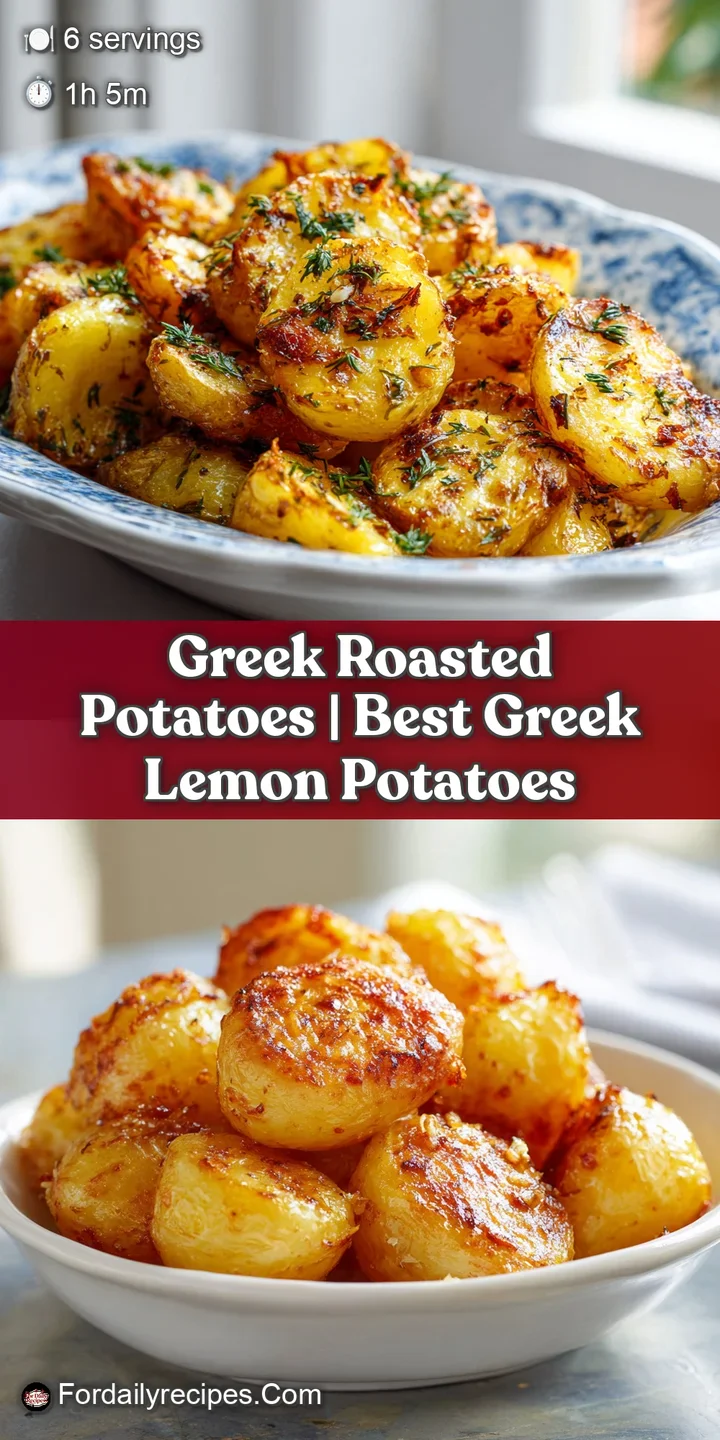
They are Yukon Gold wedges roasted in a lemon oregano emulsion. By combining olive oil, chicken broth, and aromatics, the potatoes braise in liquid initially before crisping into a golden finish.
What's the secret to the best Greek potatoes?
Do not skip the chicken broth. While it seems counterintuitive to add liquid, it ensures the potatoes soften into a creamy, flavorful interior while the olive oil later fries the exterior for a crisp crust.
What are Greek roasted potatoes called?
They are traditionally known as Patates Riganates. The name translates to "oregano potatoes," highlighting the primary herb used to flavor the roast.
How to make Tina Fey Greek potatoes?
Follow the standard method using 3 lbs of Yukon Gold potatoes. Since this is a classic regional preparation, the technique remains consistent: toss wedges in the oil, broth, and lemon mixture, then roast at 425°F for 50 minutes until the liquid evaporates.
How to ensure the potatoes don't turn out soggy?
Arrange the wedges in a single layer. Crowding the pan traps steam, preventing the crisping process; if you mastered this technique of managing surface area here, you can achieve similar results with our Cheesy Hashbrown Casserole to ensure even browning.
Is it true I should leave the skins on for extra nutrients?
No, this is a common misconception. You must peel the potatoes because the skin acts as a barrier, preventing the lemon and oregano infusion from fully penetrating the flesh.
How to store and reheat leftovers?
Keep them in an airtight container in the fridge for up to 4 days. Because they are roasted in a significant amount of olive oil, they reheat better than standard roasted potatoes without becoming grainy.
Greek Roasted Potatoes
Ingredients:
Instructions:
Nutrition Facts:
| Calories | 338 kcal |
|---|---|
| Protein | 4.5 g |
| Fat | 18.2 g |
| Carbs | 39.4 g |
| Fiber | 5.0 g |
| Sugar | 1.8 g |
| Sodium | 416 mg |
