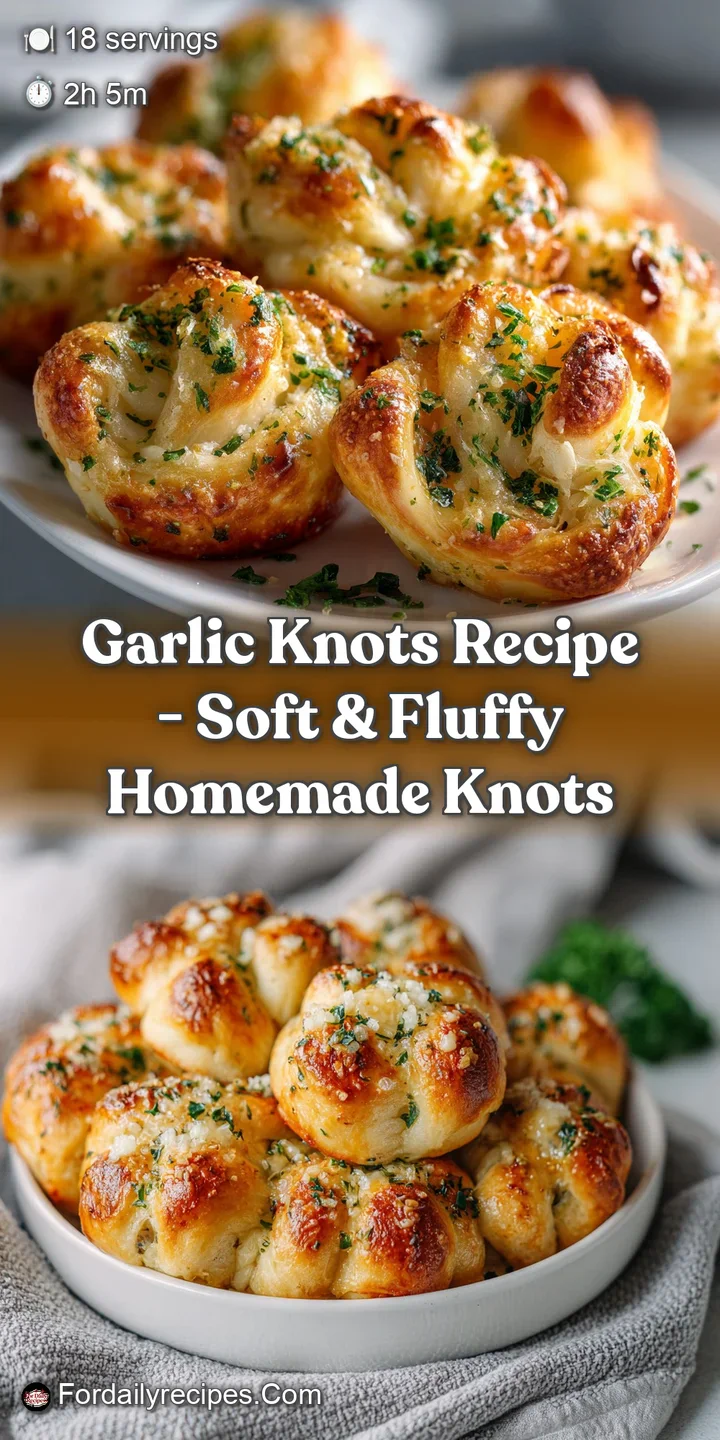
Garlic Knots Recipe
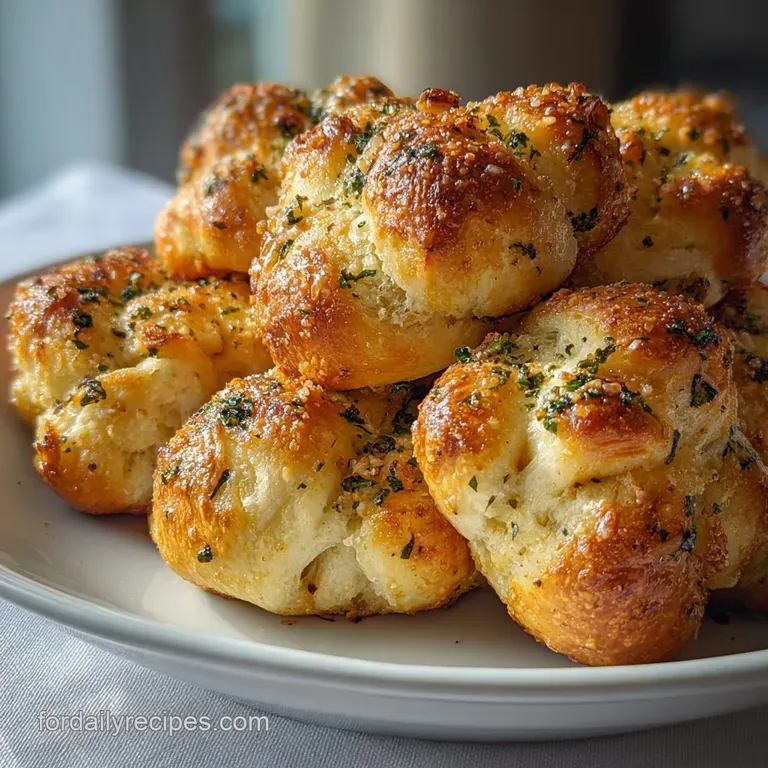
- Time: Active 15 minutes, Passive 1 hours 50 mins, Total 2 hours 5 mins
- Flavor/Texture Hook: Shatter crisp exterior with a velvety, garlic soaked interior
- Perfect for: Game day snacks, pasta night sides, or impressive party appetizers
- Mastering This Authentic Homemade Garlic Knots Recipe
- The Irresistible Pull of Freshly Baked Garlic Knots
- Analyzing the Components for Better Baking Success
- Gathering the Elements for Your Dough
- Essential Kitchen Tools for Smooth Prep
- Bringing It Together for the Perfect Golden Bake
- Troubleshooting Common Baking Hurdles with Ease
- Scaling the Recipe for Any Crowd Size
- Adapting the Flavors for Dietary Needs
- Proper Guidelines for Storage and Reheating
- Creative Ways to Present Your Finished Knots
- Garlic Knots Recipe FAQs
- 📝 Recipe Card
Mastering This Authentic Homemade Garlic Knots Recipe
Picture this: you walk into your favorite local pizza joint and that immediate, heavy scent of sizzling garlic and toasted dough hits you. It's almost intoxicating. I spent years trying to get that exact "shatter" on the outside while keeping the middle soft enough to soak up every drop of butter.
My first few attempts were basically garlic flavored hockey pucks, but I finally realized the secret isn't just the garlic it's the hydration and the honey.
We are going for that heritage feel here, like something passed down through generations of bakers who knew exactly how to handle bread flour. This isn't about rushing; it's about letting the yeast do the heavy lifting so you end up with a pillowy texture that rivals any New York street corner shop.
Honestly, once you smell these in the oven, you'll realize why we don't settle for the frozen stuff.
We are going to treat the dough with respect, giving it the time it needs to rise and develop flavor. This isn't just another side dish; it's the star of the table. Trust me, the way the 115g of unsalted butter interacts with the finely minced garlic is nothing short of culinary magic.
The Irresistible Pull of Freshly Baked Garlic Knots
- The Yeast Honey Synergy: Honey provides immediate glucose for the yeast to consume, leading to a more vigorous rise and a deeper golden hue during the bake.
- Gluten Network Formation: Using 500g of bread flour instead of all purpose ensures a higher protein content, which creates the "chew" necessary to support the heavy garlic glaze.
- Amylase Activation: The warm water (105°F–115°F) triggers enzymes that break down starches into sugars, adding a subtle natural sweetness to the dough.
The Physics of the Rise
The honey acts as a high octane fuel for the 7g of active dry yeast, creating rapid CO2 production. This gas gets trapped in the strong gluten net of the bread flour, causing the knots to puff into airy clouds rather than dense lumps.
| Method | Time | Texture | Best For |
|---|---|---|---|
| Classic Yeast | 2 hours 5 mins | Airy and chewy | Traditional flavor seekers |
| Cold Ferment | 24 hours | Complex and tangy | make-ahead meal prep |
| No Yeast (Baking Powder) | 30 minutes | Cake like and dense | Emergency hunger pangs |
Choosing the classic method used in this garlic knots recipe gives you that specific yeast forward aroma that fills the whole house. If you are a fan of bold flavors, you might even consider pairing these with a Seafood Boil Sauce Recipe for a dipping experience that is absolutely over the top.
Analyzing the Components for Better Baking Success
| Ingredient | Science Role | Pro Secret |
|---|---|---|
| 500g Bread Flour | Structural Integrity | Sift it twice to ensure maximum aeration before mixing. |
| 115g Unsalted Butter | Moisture & Tenderness | Use high-quality European butter for a higher fat percentage. |
| 6 Cloves Fresh Garlic | Flavor Compound (Allicin) | Microplane the garlic for a velvety texture in the glaze. |
Selecting the right ingredients is the difference between a "good" snack and a "why is the tray already empty?" experience. While many people reach for garlic powder, the 6 cloves of fresh garlic listed here are non negotiable for that pungent, authentic bite.
Gathering the Elements for Your Dough
- 500g bread flour: Provides the necessary protein for a chewy structure.
- Substitute: All purpose flour. Why this? Results in a softer, slightly less chewy texture.
- 325ml warm water: Activates the yeast at 105°F–115°F.
- Substitute: Warm milk. Why this? Adds richness and creates a softer, browned crust.
- 7g active dry yeast: The leavening agent for our rise.
- Substitute: Instant yeast. Why this? Skip the blooming step and mix directly with flour.
- 15g honey: Feeds the yeast and adds a hint of sweetness.
- Substitute: Granulated sugar. Why this? Provides sweetness but lacks the floral notes of honey.
- 30ml extra virgin olive oil: Adds fat for a supple dough.
- Substitute: Avocado oil. Why this? Neutral flavor with a high smoke point.
- 10g fine sea salt: Regulates yeast growth and enhances flavor.
- Substitute: Kosher salt. Why this? Use 1.5x the volume if using Diamond Crystal.
- 115g unsalted butter: The base for our luxurious glaze.
- Substitute: Salted butter. Why this? Reduce the added sea salt slightly to compensate.
- 6 cloves fresh garlic: The aromatic heart of the dish.
- Substitute: Roasted garlic. Why this? Gives a milder, sweeter, caramelized flavor profile.
- 3 tbsp fresh parsley: Adds color and a clean finish.
- Substitute: Dried parsley. Why this? Use 1 tbsp; flavor is less vibrant.
- 30g grated Parmesan cheese: Adds a salty, umami kick.
- Substitute: Pecorino Romano. Why this? Offers a sharper, saltier sheep's milk tang.
- 0.5 tsp red pepper flakes: Provides a subtle back of-the throat heat.
- Substitute: Cayenne pepper. Why this? Use a pinch for a more uniform heat.
Essential Kitchen Tools for Smooth Prep
Having the right gear makes this garlic knots recipe feel like a breeze rather than a chore. You'll definitely want a sturdy stand mixer (like a KitchenAid) to handle the 500g of bread flour, as the dough can get quite tacky during the initial mix.
A bench scraper is also your best friend here for dividing the dough into 18 even pieces without tearing the delicate gluten strands.
Don't forget a heavy duty baking sheet lined with parchment paper. This prevents the bottom of the knots from sticking when that 115g of butter starts to melt and sizzle. If you really want to be precise, use a digital kitchen scale to weigh your dough portions so every knot bakes at the exact same rate.
Bringing It Together for the Perfect Golden Bake
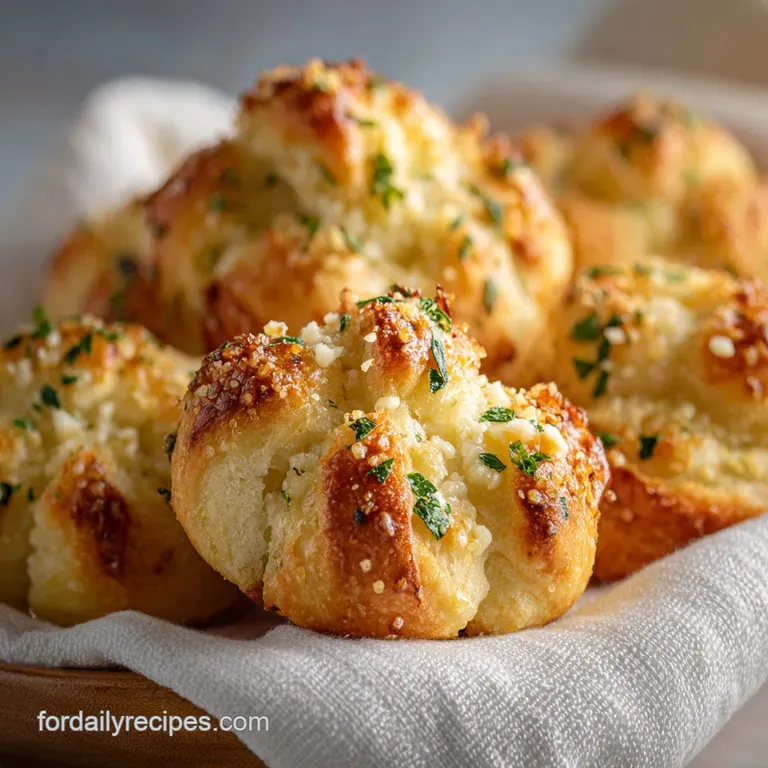
1. The Fermentation Phase
Mix 325ml warm water, 15g honey, and 7g active dry yeast in a bowl. Wait 5-10 minutes until the mixture is frothy and smells like a brewery. This ensures your yeast is alive and kicking.
2. The Signature Dough
Add 500g bread flour, 30ml olive oil, and 10g fine sea salt to the yeast mixture. Knead for 8 minutes until the dough is smooth, elastic, and bounces back when poked.
3. The First Rise
Place the dough in a greased bowl and cover with a damp cloth. Let it sit for 1 hours until it has doubled in size. Note: Cold kitchens may require more time.
4. The Shaping Masterclass
Punch down the dough and divide into 18 equal pieces. Roll each piece into a 6 inch rope and tie into a simple overhand knot, tucking the ends underneath.
5. The Secondary Proof
Arrange knots on a baking sheet and cover lightly. Let them rest for 30 minutes until they look puffy and soft.
6. The Initial Bake
Preheat your oven to 400°F. Bake the knots for 12-15 minutes until the tops are just starting to turn a pale golden brown.
7. The Garlic Herb Glaze
While baking, melt 115g butter and sauté 6 cloves of minced garlic for 1 minute until the kitchen smells like a dream but the garlic is still pale. Stir in 3 tbsp parsley and 0.5 tsp red pepper flakes.
8. The Final Polish
Remove knots from the oven and immediately toss them in a large bowl with the garlic butter. Shower them with 30g Parmesan cheese while they are still steaming so the cheese adheres to the buttery surface.
Troubleshooting Common Baking Hurdles with Ease
Why Your Knots Are Dense
If your knots feel more like stones than clouds, you likely under proofed the dough or your water was too hot, killing the yeast. Bread flour needs time to relax; if the dough keeps shrinking back when you try to roll it into ropes, let it rest for another 10 minutes.
| Problem | Root Cause | Solution |
|---|---|---|
| Dough won't rise | Dead yeast or cold room | Check yeast expiration; move dough to a warmer spot. |
| Garlic tastes bitter | Overcooked garlic | Sauté garlic on low heat for only 60 seconds. |
| Knots are soggy | Too much glaze too early | Apply half the butter after baking, half before serving. |
One mistake I once made was pouring all the butter over the knots while they were still on the baking sheet. They ended up sitting in a pool of fat, making the bottoms greasy. Now, I always toss them in a separate bowl. This is a similar logic to how you might handle a Buttermilk Biscuits Recipe — you want the fat to coat, not soak until soggy.
Common Mistakes Checklist
- ✓ Always use a thermometer to check your water temperature (105°F-115°F).
- ✓ Don't add too much extra flour during kneading; the dough should be slightly tacky.
- ✓ Ensure the garlic is finely minced, not chunky, for better flavor distribution.
- ✓ Let the knots rest for the full second proof to get that airy interior.
- ✓ Brush the knots with a little olive oil before the first bake to prevent drying.
Scaling the Recipe for Any Crowd Size
If you are hosting a large party, you can easily double this recipe. Use 1kg of bread flour and 650ml of water. Note: when doubling, only increase the yeast to 12g and the salt to 15g to maintain a controlled fermentation.
You will likely need to bake in two separate batches to avoid overcrowding the oven, which can lead to uneven browning and trapped steam.
For a smaller batch, simply halve all ingredients. Since 7g of yeast is roughly one standard packet, use half a packet and save the rest in an airtight container in the fridge. Use a smaller 8x8 inch pan to keep the knots close together, which helps them rise upward rather than outward.
| Servings | Dough Weight | Pan Size | Bake Time |
|---|---|---|---|
| 9 Knots | ~440g | 8x8 inch | 12-14 mins |
| 18 Knots | ~880g | 12x17 inch | 15 minutes |
| 36 Knots | ~1.7kg | Two 12x17 inch | 18-20 mins |
Adapting the Flavors for Dietary Needs
For a vegan alternative, swap the 115g of butter for a high-quality plant based butter stick or even a refined coconut oil. The 30g of Parmesan can be replaced with nutritional yeast or a vegan parmesan alternative.
The 15g of honey can be substituted with maple syrup or agave nectar with almost no change to the final texture.
If you want a cheesy garlic knots recipe, you can stuff a small cube of mozzarella into the center of each dough ball before tying the knot. This creates a "stuffed" effect that is absolutely velvety when pulled apart. Just ensure the knot is tied tightly so the cheese doesn't leak out and burn on the pan.
Proper Guidelines for Storage and Reheating
- Fridge: Store in an airtight container for up to 4 days. The butter will solidify, so they will need proper reheating to regain their texture.
- Freezer: These freeze beautifully! Wrap individual knots in foil and place in a freezer bag for up to 2 months.
- Reheating: Avoid the microwave as it makes the dough gummy. Instead, wrap them in foil and bake at 350°F for 10 minutes. For a "fresh" taste, brush with a tiny bit of extra melted butter after heating.
- Zero Waste: If you have leftover knots that have gone slightly stale, chop them up and bake them at 300°F until completely hard to create the best garlic croutons you've ever had in your life.
Creative Ways to Present Your Finished Knots
When it comes to serving this garlic knots recipe, presentation is everything. I love stacking them in a high pyramid on a wooden board, letting the extra 3 tbsp of parsley and 30g of Parmesan fall where they may. It looks rustic and inviting. Place a small bowl of warm marinara sauce or even some homemade mayo recipe spiked with lemon and herbs in the center for dipping.
Another trick is to serve them in a basket lined with a checkered cloth. The cloth helps trap just enough heat to keep them soft while you are eating. If you're feeling fancy, you can even sprinkle a few flakes of Maldon sea salt over the top right before serving to give that extra "pop" of flavor.
Whatever you do, serve them warm there is nothing like that first buttery, garlic filled bite.
Garlic Knots Recipe FAQs
What ingredients do I need for garlic knots?
You'll need bread flour, water, yeast, honey, olive oil, salt, butter, fresh garlic, parsley, and Parmesan cheese. Bread flour provides the chewy structure, while fresh garlic and butter create the signature glaze. Honey feeds the yeast and adds a touch of sweetness.
Can I use pizza dough for garlic knots?
Yes, you can. Pizza dough is very similar to garlic knot dough, though garlic knot dough often has a bit more enrichments like honey or extra butter for tenderness. You might find the flavor and texture slightly different, but it will still be delicious.
Are garlic knots just pizza dough?
Not exactly, though they are very similar. Both typically use a yeasted bread dough. However, garlic knots are specifically shaped into knots and generously coated with a garlic butter glaze, distinguishing them from plain pizza dough.
What kind of flour is best for garlic knots?
Bread flour is best for garlic knots. Its higher protein content creates a stronger gluten network, resulting in a chewier, more substantial texture that holds up well to the rich garlic glaze. If you enjoyed mastering dough hydration here, see how it applies in our Focaccia recipe.
How do I make garlic knots extra fluffy?
Ensure proper proofing and use bread flour. Give the dough adequate time to rise in a warm place, typically doubling in size, and then allow the shaped knots a second rest before baking. Bread flour also contributes to a lighter texture compared to all-purpose.
Why are my garlic knots dense?
Density usually means under proofing or inactive yeast. Make sure your yeast is fresh and activated in warm (not hot) water. Allow the dough ample time to rise in a sufficiently warm environment until it visibly doubles in size.
How should I store leftover garlic knots?
Store cooled knots in an airtight container at room temperature for up to 2 days. For longer storage, freeze them in a single layer on a baking sheet until firm, then transfer to a freezer bag for up to 2 months. Reheat in the oven for best results.
Garlic Knots Recipe
Ingredients:
Instructions:
Nutrition Facts:
| Calories | 172 calories |
|---|---|
| Protein | 3.7 g |
| Fat | 7.3 g |
| Carbs | 21.2 g |
| Fiber | 0.8 g |
| Sugar | 1.1 g |
| Sodium | 240 mg |
