Baked Potato in Oven Wrapped in Foil with Butter
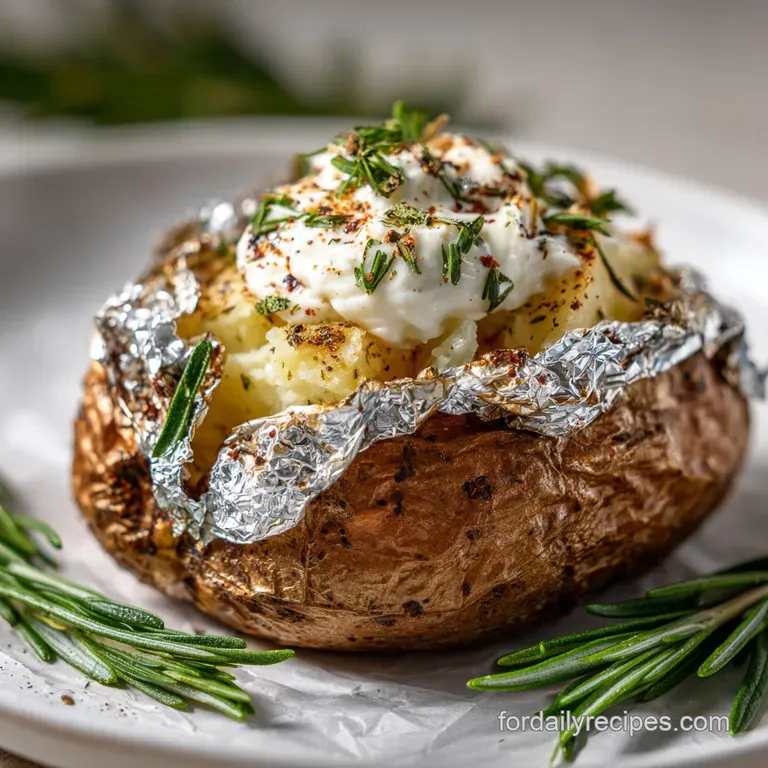
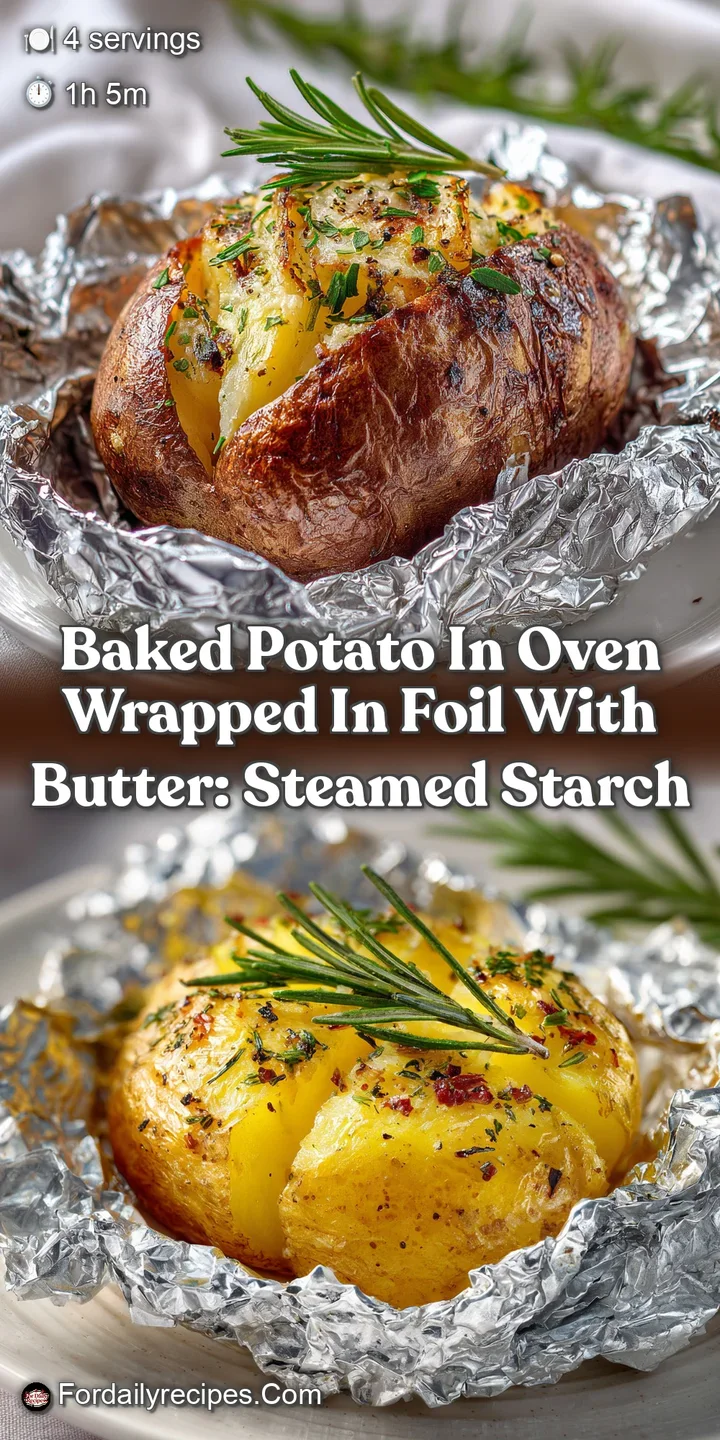
- Time: Active 5 minutes, Passive 1 hour, Total 1 hour 5 minutes
- Flavor/Texture Hook: Silky, buttery interior with a subtle salty bite on the skin.
- Perfect for: Sunday family roasts, busy weeknight steak nights, or a simple comfort food lunch.
- Baked Potato in Oven Wrapped in Foil with Butter
- Science Behind the Steaming Technique
- Component Analysis for Fluffy Interiors
- Heritage Ingredients and Smart Swaps
- Essential Tools for Even Roasting
- Simple Steps for Best Results
- Avoiding Common Kitchen Mistakes
- Comparison of Baking Techniques
- Scaling for Larger Groups
- Starch Myths and Truths
- Storing and Repurposing Your Leftovers
- Perfect Pairings for Main Courses
- Common Foil Baking Queries
- Recipe FAQs
- 📝 Recipe Card
Baked Potato in Oven Wrapped in Foil with Butter
There is a specific kind of magic in the smell of a potato hitting a hot oven, isn't there? It reminds me of my grandmother's kitchen, where the simplest ingredients were treated like heritage treasures. This recipe reveals the perfect baked potato in the oven wrapped in foil, complete with butter and salt.
It isn't just about heat, it is about creating a tiny, pressurized steam chamber that transforms a humble root vegetable into something ethereal.
I remember the first time I tried to skip the foil. I wanted that "modern" rustic skin, but I ended up with a potato that felt more like a baseball than a meal. That's when I realized the foil isn't just a wrapper, it is a tool.
It traps the moisture escaping from the potato, forcing it back into the starches until they yield and soften completely.
We are going for that classic, steakhouse style experience today. Think of a potato so tender it practically sighs when you split it open with a fork. We'll use high-quality salted butter and flaky salt to ensure the flavor is deep and lingering.
It's a method passed down through generations because, quite frankly, it just works.
Science Behind the Steaming Technique
- Starch Gelatinization: At 200°C, the moisture inside the potato heats up and breaks down the starch granules, turning them from hard pellets into a soft, fluffy mesh.
- Convection Insulation: The aluminum foil reflects heat inward while preventing the exterior from drying out too quickly, allowing the core to reach the necessary 98°C without the outside burning.
- Thermal Conductivity: Metal conducts heat faster than air, so the foil helps distribute the oven's energy more evenly across the entire surface of the Russet.
Component Analysis for Fluffy Interiors
| Component | Science Role | Pro Secret |
|---|---|---|
| Russet Potato | High starch, low moisture | Pick ones that feel heavy for their size to ensure they aren't hollow. |
| Kerrygold Salted Butter | Fat for mouthfeel | Use room temperature butter so it melts instantly into the hot starch. |
| Maldon Flaky Sea Salt | Flavor enhancer | Apply to the oiled skin before wrapping to "season through" the peel. |
| Bertolli Olive Oil | Heat conductor | A thin coating prevents the skin from sticking to the foil during the long roast. |
Heritage Ingredients and Smart Swaps
For this dish, I always reach for four large Russet potatoes, about 275g each. They have the thick skin and high starch content required for that signature flaky texture. If you're out of Russets, you can use Yukon Gold, but keep in mind they will be more "creamy" than "fluffy."
We'll also need 2 tsp of extra virgin olive oil and 4 tbsp of salted butter. I find that Kerrygold or another high fat European butter makes a massive difference here. Finish it off with 1 tsp of flaky sea salt and 0.25 tsp of freshly cracked black pepper.
| Original Ingredient | Substitute | Why It Works |
|---|---|---|
| Salted Butter | Ghee (Clarified Butter) | Higher smoke point and nuttier flavor. Note: Lacks the creamy milk solids of fresh butter. |
| Russet Potato | Yukon Gold Potato | Thinner skin and naturally buttery. Note: Results in a denser, waxier texture than a traditional baker. |
| Extra Virgin Olive Oil | Avocado Oil | Neutral flavor and very high heat tolerance. |
Essential Tools for Even Roasting
You don't need much, but a heavy duty Reynolds Wrap Aluminum Foil is non negotiable. The cheap, thin stuff tends to tear when you're trying to get a tight seal. I also recommend a Lodge Cast Iron Baking Pan or a sturdy rimmed baking sheet to catch any rogue drips of oil.
A fork is your best friend here, not just for eating, but for "docking" the potato. This lets a tiny bit of steam escape so the potato doesn't literally explode in your oven. It sounds dramatic, but I've cleaned potato shrapnel off an oven ceiling before, and trust me, it’s a mistake you only make once.
Simple Steps for Best Results
- Preheat oven. Set your temperature to 200°C. Note: High heat is vital for activating the starch gelatinization process immediately.
- Scrub potatoes. Wash the 4 Russets under cold water using a vegetable brush. Note: Removing surface dirt prevents "earthy" off flavors from permeating the foil.
- Dry thoroughly. Pat each potato dry with a clean kitchen towel. Note: Excess water on the skin will cause the oil to slide off rather than coat.
- Pierce skin. Use a fork to poke 6-8 deep holes into each potato. Note: This prevents internal pressure from cracking the skin during the roast.
- Apply oil. Rub 0.5 tsp of olive oil over the surface of each potato. Note: The oil acts as a glue for the salt and helps the skin stay supple.
- Season exterior. Sprinkle the sea salt evenly over the oiled skins. Note: This creates a savory crust that makes the skin actually worth eating.
- Wrap tightly. Place each potato on a square of foil and fold the edges over to seal it completely. Note: A tight wrap ensures the potato "steams" in its own juices.
- Bake potatoes. Place the wrapped potatoes directly on the oven rack. Note: Cook for 1 hour until the potato feels soft when squeezed with a mitt.
- Release steam. Remove from the oven and carefully slit the foil open. Note: Be careful of the initial puff of hot steam as you open the packet.
- Fluff and serve. Slice down the center, add 1 tbsp of butter and the black pepper. Note: Use a fork to mash the butter into the hot flesh immediately.
Chef's Note: If you want a slightly crispier skin after the steaming process, unwrap the potatoes for the final 10 minutes of baking. This allows the surface moisture to evaporate while keeping the inside velvety.
Avoiding Common Kitchen Mistakes
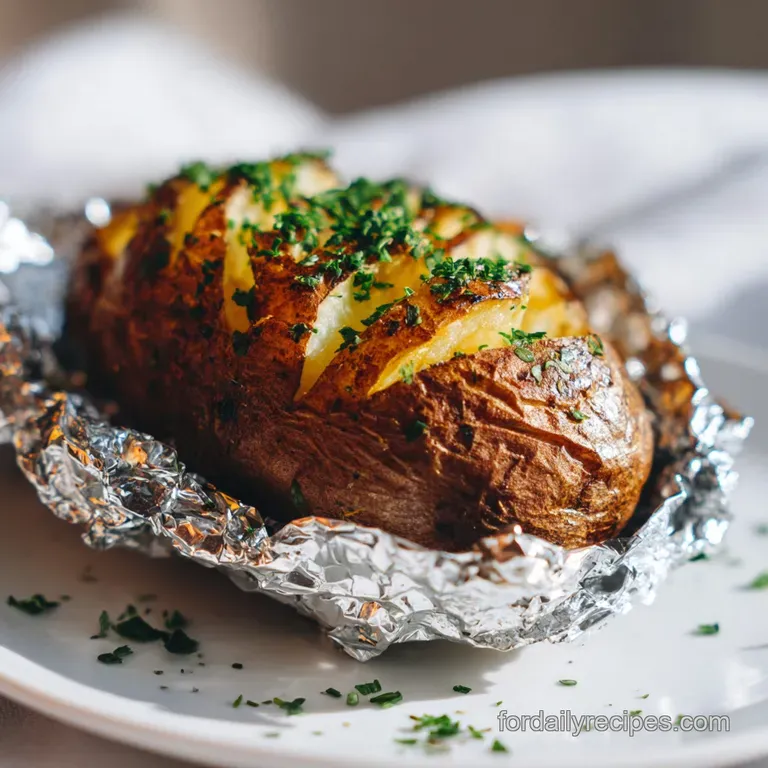
The biggest heartbreak is a potato that looks beautiful but feels like a wet sponge inside. This usually happens because the oven wasn't hot enough or the potato was too small for the cooking time. If you're serving these alongside a big main dish, like my Seafood Boil Sauce Recipe, you want that potato to be a sturdy vessel for all those juices.
Preventing Gummy Internal Texture
If the interior feels sticky or gummy, it's likely a temperature issue. When potatoes cook too slowly, the starches don't burst properly. Always ensure your oven is fully preheated before the potatoes go in.
Handling Overcooked Skin Bitterness
Sometimes, if the oil is applied too heavily or the heat is too high for too long, the skin can take on a bitter, charred taste. Stick to the 200°C mark and ensure you're using a high-quality oil with a decent smoke point.
| Problem | Cause | Fix | Pro Tip |
|---|---|---|---|
| Hard Center | Underbaked | Bake for 15 mins more | Check with a metal skewer; it should slide in like butter. |
| Soggy Skin | Trapped moisture | Unwrap for 5 mins | Let the potato rest for 2 mins after unwrapping before slicing. |
| Gray Flesh | Old potatoes | Use fresh Russets | Store potatoes in a dark, cool spot, never the fridge. |
Comparison of Baking Techniques
| Method | Texture Outcome | Speed |
|---|---|---|
| Fresh (Foil Wrap) | Silky, steamed, soft skin | 1 hour |
| Shortcut (Microwave) | Dense, slightly rubbery | 10 minutes |
Scaling for Larger Groups
If you're hosting a big family dinner and need to double the recipe, you'll need 8 potatoes. The beauty of this method is that they don't take up much space. However, when you crowd the oven with 8 large Russets, the total cook time might increase by about 10-15 minutes because the potatoes absorb so much of the oven's initial heat.
When scaling down for just one or two people, the time remains the same. Don't be tempted to crank the heat to 225°C to save time; you'll just end up with a burnt exterior and a raw core. Patience is the secret ingredient here. If you're looking for something else to bake while the oven is on, these potatoes go beautifully with a side of my 3 Ingredient Biscuit recipe for a real carbohydrate feast.
Starch Myths and Truths
One of the oldest myths is that you should soak potatoes in salted water before baking to make them fluffier. In reality, this just adds unnecessary moisture to a vegetable we are trying to steam dry. The high starch in a Russet is already designed to be fluffy; you just need to apply heat correctly.
Another common misconception is that the shiny side of the foil should face inward to cook faster. Science tells us the difference is so negligible it wouldn't even save you 30 seconds of cook time. Just wrap it and get it in the oven.
Storing and Repurposing Your Leftovers
- Storage: Keep leftover potatoes in the fridge for up to 4 days. Leave them in the foil until they are cool, then transfer to an airtight container.
- Zero Waste: Don't toss the skins! If you have leftovers, scoop out the centers for mashed potatoes and fry the skins in a little oil with salt for "potato skin crisps."
- Freezing: You can freeze baked potatoes for up to 2 months. Thaw in the fridge overnight before reheating.
For a sweet treat after such a savory meal, you might enjoy making a batch of my Peanut Butter Fudge Recipe. It’s the perfect way to round out a "comfort food" day.
Perfect Pairings for Main Courses
- Steakhouse Vibes: Serve with a seared ribeye and a dollop of sour cream and chives.
- The "Loaded" Route: Top with crispy bacon bits, sharp cheddar, and pickled jalapenos.
- Veggie Style: Stuff with roasted broccoli and a quick cheese sauce.
Common Foil Baking Queries
Optimal Internal Temperature for Doneness
A potato is perfectly baked when its internal temperature hits between 96°C and 99°C. If you have a meat thermometer, use it! It's the most reliable way to know your dinner is ready without cutting it open.
Reasons for Potato Browning Inside
Sometimes you'll find a brown spot or ring inside a potato. This is usually "sugar end" or "hollow heart," caused by irregular growing conditions (like a sudden heatwave) while the potato was still in the ground. It’s not harmful, but it’s not tasty either just scoop it out.
Using Foil Versus Bare Skin
While baking a potato without foil gives you a very crispy, salty skin, the foil method is superior for that specific "steamed" texture that absorbs butter like a sponge. It’s a matter of preference, but for the ultimate butter delivery system, foil wins every time.
If you want X, do Y: If you want a crispier skin, remove the foil for the last 10 minutes of baking. If you want a creamier texture, use Yukon Gold potatoes instead of Russets.
If you want a garlic infusion, tuck a smashed clove of garlic inside the foil wrap.
Recipe FAQs
How to cook a foil wrapped potato in the oven?
Preheat to 400°F (200°C). Scrub and dry the potato, pierce it several times with a fork, rub lightly with oil and salt, then wrap tightly in heavy duty foil. Bake directly on the oven rack for about 60 minutes until tender when squeezed.
Is it better to bake a potato at 350 or 400?
400°F is generally better for foil wrapping. Higher heat activates the starch gelatinization process faster, resulting in a fluffier interior before the exterior overcooks. At 350°F, the bake time becomes excessive, increasing the risk of a dry interior.
Do potatoes bake faster if they're wrapped in foil?
No, foil slows down the skin crisping but maintains internal moisture. Wrapping traps steam, which cooks the inside through conduction, but it prevents direct heat from drying the surface. If you aim for crispness, bake unwrapped; for steam cooking, foil is best.
How do I avoid soggy foil wrapped potatoes?
Ensure the potato is completely dry before wrapping and pierce it well. Excess surface water turns to steam and softens the skin too much; piercing allows some internal steam to escape gently. For extra assurance, unwrap them for the final 10 minutes of baking.
Can I skip the oil coating before wrapping?
No, skipping the oil is not recommended for best results. The oil acts as a thermal conductor and ensures the salt adheres evenly to the skin; without it, the skin can sometimes stick unpleasantly to the foil.
What is the best type of potato for this method?
Always use a Russet potato. Russets have the high starch content necessary to transform into a light, fluffy texture when steamed inside the foil. Using a waxy potato, like a red bliss, will yield a denser, creamier result, similar to boiling.
Is there a way to incorporate garlic flavor during the bake?
Yes, simply tuck a smashed clove of garlic inside the foil packet before sealing. The steam environment will gently infuse the potato flesh with a subtle, savory garlic essence as it cooks, much like how flavors meld in slow cooking preparations.
Foil Baked Potato With Butter
Ingredients:
Instructions:
Nutrition Facts:
| Calories | 385 kcal |
|---|---|
| Protein | 6 g |
| Fat | 15 g |
| Carbs | 58 g |
| Fiber | 5 g |
| Sugar | 2 g |
| Sodium | 675 mg |
