Easy Peach Scones: Flaky and Fruit-Studded
- Time: Active 15 minutes, Passive 20 minutes, Total 35 minutes
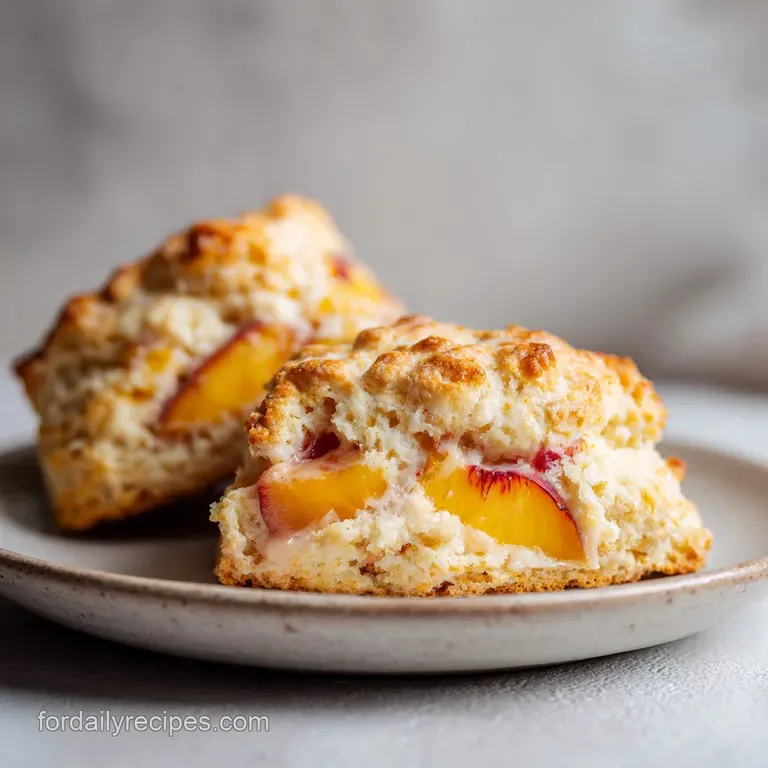
- Flavor/Texture Hook: Shatter crisp edges with a velvety, fruit studded center
- Perfect for: Rapid weekend brunches or a no fuss afternoon treat
- Why This Method Works Best
- Critical Recipe Specs and Benchmarks
- Essential Components and Substitutions
- Minimalist Tools for Fast Results
- Step-by-Step Folding and Shaping
- Avoiding Heavy or Soggy Results
- Customizing Your Stone Fruit Bakes
- Keeping Scones Fresh for Days
- Perfect Pairings for Summer Mornings
- Recipe FAQs
- 📝 Recipe Card
The aroma of caramelized stone fruit hitting a hot baking sheet is something I never get tired of, but for a long time, my kitchen was a graveyard of "scone failures." You know the type: those heavy, dense triangles that feel more like paperweights than breakfast.
I used to pull trays out of the oven only to find a puddle of peach juice had turned my beautiful dough into a soggy, flat mess. It was frustrating because I wanted that specific contrast of a crisp exterior and a light, tender crumb.
Most recipes ignore the fact that fresh peaches are basically water balloons. If you just toss them into the dough, they leak, the gluten gets overworked trying to soak up the extra liquid, and you end up with a rubbery disaster. I realized I needed a method that respected my time and my ingredients.
I didn't want to spend all morning "delicately folding" or "chilling for hours." I needed a quick fix that actually worked for a busy person who just wants a decent pastry before the coffee gets cold.
This easy peach scones recipe is the targeted fix for every soggy, leaden scone you've ever baked. By using frozen butter and a clever little coating for the fruit, we bypass the technical traps that usually ruin fruit based bakes. We're going for maximum lift and minimum effort.
It's about working smart with the temperature of your fat and the moisture of your fruit. Let's get into why this specific approach keeps things so light.
Why This Method Works Best
- Frozen Fat Pockets: Using a box grater for frozen butter ensures tiny, uniform shards. These shards melt in the oven, creating steam that pushes the dough layers apart for a flaky shatter.
- Juice Absorption: Tossing the diced peaches in cornstarch creates a protective barrier. This prevents the fruit juice from bleeding into the dough and making it gummy during the bake.
- Acid Interaction: The buttermilk reacts instantly with the baking powder, producing carbon dioxide bubbles. This chemical lift happens fast, which is why we get the dough into the oven quickly.
- Reduced Gluten Development: Minimal handling and a shaggy dough consistency keep the crumb tender. The more you mix, the tougher the scone becomes, so we stop the moment it holds together.
| Method | Time | Texture | Best For |
|---|---|---|---|
| Oven (Standard) | 20 minutes | Crisp, even golden crust | Traditional high rise scones |
| Stovetop (Skillet) | 15 minutes | Denser, biscuit like crumb | Smaller batches, no oven access |
| Air Fryer | 12 minutes | Very crunchy exterior | Quick individual servings |
Using the oven is my go to because the ambient heat allows the scones to rise vertically. Stovetop methods are great for a quick fix, but you lose that classic "shatter" on the top surface. If you're looking for another quick project, you might enjoy this three ingredient biscuits recipe which uses a similar cold fat technique to achieve a flaky rise in record time.
Critical Recipe Specs and Benchmarks
Before you start, make sure your oven is truly preheated to 200°C (400°F). A cold oven is the enemy of a flaky scone because the butter will melt slowly rather than steaming.
Use a kitchen scale if you have one, but if you're using cups, the "spoon and level" method is your best friend to avoid packing too much flour into the mix.
| Ingredient | Science Role | Pro Secret |
|---|---|---|
| Frozen Butter | Steam production | Grate it directly into the flour to keep it cold |
| Buttermilk | Tenderizer/Activator | The acid breaks down gluten for a softer bite |
| Cornstarch | Moisture control | It "gels" the peach juices so they don't soak the dough |
| Coconut Sugar | Flavor/Color | Adds a subtle caramel note and a darker gold crust |
Wait, why coconut sugar? I find it gives a deeper, almost toasted flavor compared to plain white sugar. It also has a lower moisture content, which helps keep the edges of the easy peach scones recipe from getting too soft. It's a small swap that makes a big difference in the final flavor profile.
Essential Components and Substitutions
To get the best results, stick to the cold stuff. I'm talking "straight from the back of the fridge" cold. If your kitchen is particularly warm, you might even want to chill your mixing bowl for five minutes. It might sound overkill, but the colder the dough, the better the rise.
- 2 cups all purpose flour: The structural base. (Sub: 1:1 gluten-free baking blend works well here).
- 1/4 cup coconut sugar: For sweetness and color. Why this? It provides a rich caramel undertone without being cloying. (Sub: Brown sugar).
- 1 tablespoon baking powder: Our primary leavening agent. (Sub: 1 tsp baking soda + 1/2 tsp cream of tartar).
- 1/2 teaspoon fine sea salt: To balance the sugars and fruit.
- 1/2 cup unsalted grass fed butter, frozen: The source of flakiness. (Sub: Frozen coconut oil for a dairy-free version).
- 1/2 cup cold buttermilk: The liquid binder and tenderizer. (Sub: 1/2 cup milk + 1/2 tsp lemon juice).
- 1 large egg, cold: Adds richness and helps the structure set.
- 1.5 cups fresh peaches, diced small: The star of the show. Why this? Fresh stone fruit provides the best texture and natural sweetness. (Sub: Thawed, well drained frozen peaches).
- 1 teaspoon pure vanilla bean paste: For aromatic depth. (Sub: Vanilla extract).
- 1/4 teaspoon ground ginger: To complement the peach flavor.
- 1 tablespoon cornstarch: To coat the fruit.
Chef's Tip: If your peaches are incredibly ripe and juicy, increase the cornstarch to 1.5 tablespoons. It acts like a safety net for the dough.
Minimalist Tools for Fast Results
You don't need a stand mixer or a food processor for this. In fact, using your hands and a simple box grater is actually better because it prevents you from overworking the dough. I prefer a large stainless steel bowl because it holds the cold better than plastic.
- Box Grater: For the butter. This is the fastest way to get "pea sized" pieces without a pastry cutter.
- Large Bowl: Plenty of room to toss the ingredients without making a mess.
- Baking Sheet + Parchment: To prevent sticking and ensure the bottoms don't burn.
- Spatula: A stiff silicone spatula is perfect for folding the shaggy dough.
- Knife or Bench Scraper: To cut the disk into those classic wedges.
If you find yourself with extra fruit after dicing your 1.5 cups, don't let them go to waste. You can whip up a Peach Milkshake recipe in about 5 minutes while the scones are in the oven. It's a great way to use up those bruised or overripe bits that didn't make the cut for the scones.
step-by-step Folding and Shaping

- Prep the oven: Preheat to 200°C (400°F). Line your baking sheet with parchment paper.
- Mix dry ingredients: Whisk the flour, coconut sugar, baking powder, salt, and ginger in your large bowl.
- Grate the butter: Using the coarse side of a box grater, shred the frozen butter directly into the flour. Note: This keeps the butter from melting under the warmth of your hands.
- Toss and coat: Use a fork to gently toss the butter shreds into the flour until they look like coarse pebbles.
- Prep the wet mix: In a small bowl, whisk the buttermilk, egg, and vanilla. In another bowl, toss the peaches with cornstarch.
- Combine ingredients: Create a well in the dry mix, pour in the liquids and the peaches.
- Fold the dough: Use a spatula to fold until a shaggy dough forms. Do not keep mixing once the flour streaks disappear.
- Shape and cut: Turn the dough onto a floured surface. Pat into an 8 inch disk (about 2cm thick). Slice into 8 wedges.
- Bake: Place on the sheet, brush with a little buttermilk, and bake for 18-22 minutes until golden brown and firm to the touch.
Avoiding Heavy or Soggy Results
One of the biggest issues people have with this easy peach scones recipe is the dough becoming too wet. If your peaches are very ripe, they release juice the second they hit the sugar in the dough. This is why we dice them and coat them in cornstarch right before adding them to the bowl.
If the dough feels like it's sticking to your hands like glue, don't panic just add a tablespoon more flour.
Why Your Scones Are Flat
If your scones didn't rise, your baking powder might be expired, or your butter was too soft. When butter is room temp, it just blends into the flour rather than creating those necessary steam pockets. Always use frozen butter for that vertical lift.
Why Your Scones Are Tough
Toughness comes from over kneading. Once the liquid hits the flour, gluten starts to develop. You want just enough structure to hold the fruit, not a bread like chew. Stop mixing the second you don't see dry flour.
| Problem | Root Cause | Solution |
|---|---|---|
| Scones spread too much | Butter was too warm | Freeze the shaped wedges for 10 mins before baking |
| Dough is very sticky | Peaches were too juicy | Increase cornstarch or add 1 tbsp extra flour |
| Bottoms are burning | Oven rack is too low | Move the tray to the center rack or use two pans |
Common Mistakes Checklist:
- ✓ Using room temperature butter (this is the #1 reason for flat scones).
- ✓ Over mixing the dough until it’s smooth (it should look messy and shaggy).
- ✓ Forgetting to preheat the oven (the initial heat blast is vital for the rise).
- ✓ Slicing the fruit too large (small chunks ensure every bite has fruit without breaking the structure).
- ✓ Not flouring your work surface (this dough is hydrated and needs a little help not sticking).
Customizing Your Stone Fruit Bakes
While the easy peach scones recipe is a classic, you can easily swap the fruit based on what's in season. Nectarines or apricots work perfectly with the exact same measurements. If you're feeling adventurous, you could even add a handful of white chocolate chips to the dry mix for a more decadent dessert vibe.
- For a "Peach Scones with Canned Peaches" Version: Drain the peaches extremely well and pat them dry with paper towels before dicing. Since canned peaches are softer, fold them in very gently at the very end to avoid turning them into mush.
- For a Vegan Friendly Variation: Use frozen vegan butter sticks and replace the buttermilk with soy milk mixed with a teaspoon of apple cider vinegar. Use a "flax egg" or just a splash more milk to bind.
- Spiced Variation: Increase the ginger to 1/2 teaspoon and add 1/2 teaspoon of cinnamon for a warmer, autumnal flavor profile.
If you want a different texture, try swapping half the all purpose flour for whole wheat pastry flour. It adds a nutty depth that pairs beautifully with the coconut sugar. Just keep in mind that whole wheat flour absorbs more liquid, so you might need an extra tablespoon of buttermilk to get the dough to come together.
Keeping Scones Fresh for Days
Scones are notoriously best eaten within an hour of leaving the oven, but we can't always finish eight in one sitting. To store them, let them cool completely on a wire rack. If you put them in a container while they're still warm, the residual steam will turn the crust soft and damp.
- Storage: Keep in an airtight container at room temperature for up to 2 days. For longer storage, the fridge will keep them for 5 days, though the crust will lose its crunch.
- Freezing: These freeze beautifully. Wrap individual baked scones in foil and place them in a freezer bag for up to 3 months.
- Reheating: Avoid the microwave! It makes them rubbery. Instead, pop them in a 175°C (350°F) oven or toaster oven for 5-8 minutes. This restores the "shatter" to the edges and warms the fruit center.
- Zero Waste Tip: If you have leftover buttermilk, use it to make a simple glaze with powdered sugar and a drop of vanilla to drizzle over the scones once they're cool.
Perfect Pairings for Summer Mornings
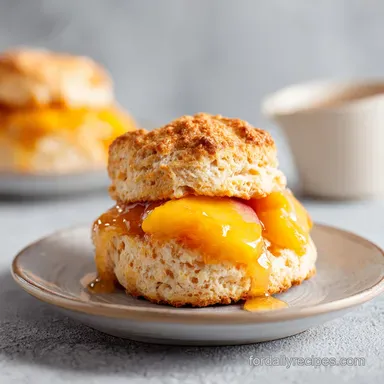
These scones aren't just for breakfast; they make an incredible base for a "deconstructed" shortcake. Split a warm scone in half, add a dollop of Greek yogurt or whipped cream, and top with more fresh peach slices. The slight ginger kick in the dough really cuts through the richness of the cream.
If you're hosting a brunch, serve these alongside some savory options like soft scrambled eggs or crispy bacon. The sweetness of the peaches and the coconut sugar provides a nice balance to salty sides. I also love serving these with a cold glass of iced tea or a light roast coffee.
The vanilla bean paste in the dough brings out the floral notes in the peaches, making it feel much more sophisticated than a 35 minute recipe has any right to be.
Don't be afraid to get messy with the shaping. Real home baked scones should look a bit rustic. Those craggy edges are exactly what turn into the best crispy bits once they hit the heat. This recipe is designed to be reliable, fast, and repeatable the kind of thing you can whip up on a whim when you see a basket of perfect peaches at the market. Enjoy the sizzle, the aroma, and that first flaky bite. For more fruit forward ideas, check out the Southern peach cobbler which is a great option if you have a larger crowd to feed.

Recipe FAQs
What is the 15 minute rule for scones?
This refers to the total preparation time needed before the dough hits the oven. You must work quickly to mix, pat, and slice your dough within this window to ensure the butter remains frozen, which is essential for creating flaky layers.
What is the secret to making good scones?
Use frozen butter and cold ingredients exclusively. Keeping the butter and buttermilk chilled prevents premature melting, which creates steam pockets that cause the scone to rise into a light, tender crumb. If you enjoyed mastering the texture control here, the same fat-ratio logic applies to our homemade dinner rolls for consistent results.
What is the secret ingredient in scones?
Vanilla bean paste and ground ginger. These ingredients provide a sophisticated aromatic depth that elevates the natural sweetness of the fresh peaches without requiring heavy glazes.
What to avoid when making scones?
Never overmix the dough. Stop folding the mixture as soon as a shaggy dough forms; excessive handling develops gluten, which transforms your scones from light and airy into tough and biscuit like.
How to keep the peaches from making the dough soggy?
Toss the diced peaches with cornstarch before folding them in. The cornstarch absorbs excess moisture from the fruit during the 18-22 minute bake time, keeping the interior of your scone perfectly tender.
Is it true that I should use a food processor to mix the butter?
No, this is a common misconception. A box grater is superior because it gives you control over the size of the butter shreds, ensuring they stay cold and distinct throughout the mixing process.
How to achieve the perfect golden brown crust?
Brush the tops with a small amount of cold buttermilk before baking. This light wash encourages even browning and creates a slight sheen when the scones reach their finish at 400°F.
Easy Peach Scones Recipe
Ingredients:
Instructions:
Nutrition Facts:
| Calories | 271 kcal |
|---|---|
| Protein | 4.8 g |
| Fat | 12.8 g |
| Carbs | 34.8 g |
| Fiber | 1.4 g |
| Sugar | 8.2 g |
| Sodium | 298 mg |
