Cranberry Orange Bread: Velvety Citrus Loaf
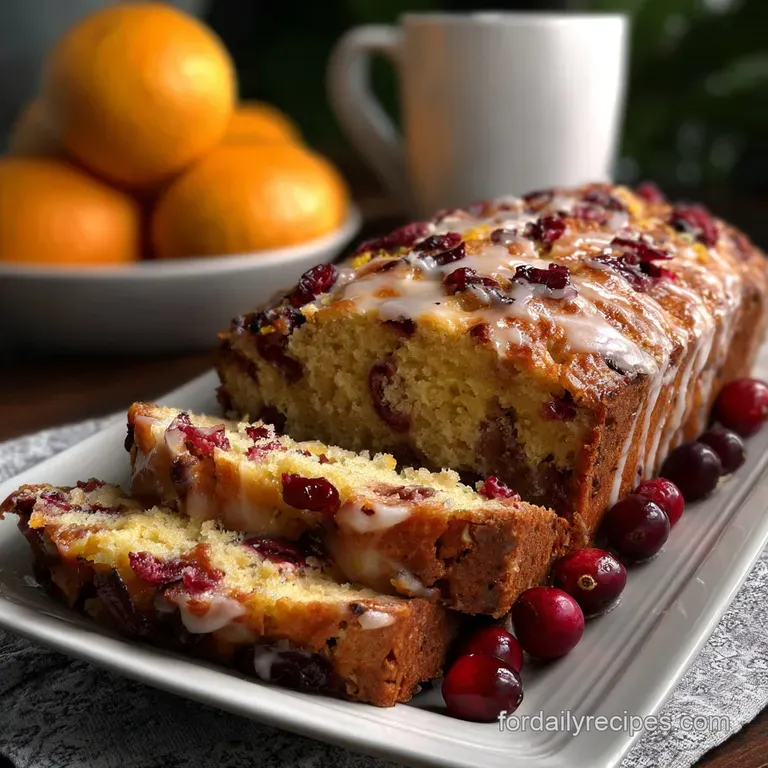
- Time: Active 15 minutes, Passive 1 hours, Total 1 hours 15 mins
- Flavor/Texture Hook: Zesty citrus aroma with a buttery, velvety crumb and tart berry bursts
- Perfect for: Heritage holiday brunches or a thoughtful homemade gift for neighbors
- The Time Honored Balance of Tart Berries and Citrus
- Why Your Kitchen Will Smell Like Festive Memories
- The Ingredients That Create Our Golden Loaf
- The Building Blocks of Your Citrus Bread
- Tools Needed for This Heirloom Recipe
- Step-by-Step Guide to Baking Citrus Bliss
- Solving Sogginess and Ensuring a Flawless Rise
- Adjusting Your Bake for Groups or Solo Snacking
- Debunking Kitchen Tales About Citrus Breads
- Preserving the Freshness of Your Cranberry Loaf
- Recipe FAQs
- 📝 Recipe Card
Right then, imagine walking into a kitchen where the air is heavy with the scent of bright citrus and melting butter. That’s the magic of this Cranberry Orange Bread. It isn't just a recipe, it’s a sensory experience that reminds me of the heritage bakes my grandmother used to pull from her oven every December.
There’s something so grounding about the way the tartness of the berries cuts through the sweetness of the glaze, creating a balance that feels both sophisticated and deeply nostalgic.
I’ve spent years tinkering with the ratios to get that specific "shatter on-the tongue" crust while keeping the center incredibly moist. Trust me on this, many versions out there end up way too dry, almost like a crumbly biscuit, but we’re aiming for something much more refined.
We want a loaf that holds its shape but feels like a velvety hug when you take a bite.
We’ve all had those bakes that look beautiful but taste like nothing but flour. Not here. By rubbing the zest directly into the sugar, we’re performing a little bit of kitchen alchemy, pulling the essential oils out of the peel and scenting the entire loaf from the inside out.
You’ll smell it the second it hits the oven, and honestly, your whole house will smell better than any candle you could buy.
The Time Honored Balance of Tart Berries and Citrus
When we talk about a Cranberry Orange Bread, we’re looking for a specific harmony. The oranges provide the high notes that floral, sunny acidity while the cranberries bring the bass notes of tart, juicy depth.
In our heritage focused kitchen, we don't rush the process, even if the active work only takes a few minutes. We respect the ingredients, especially the buttermilk, which works behind the scenes to ensure the texture stays silky for days.
This recipe is a classic for a reason. It doesn't rely on flashy tricks or modern shortcuts that sacrifice flavor. Instead, it’s about the quality of your zest and the temperature of your butter.
I remember the first time I made this and forgot to toss the berries in flour; they all sank to the bottom in a purple, soggy mess. We've learned from those mistakes so you don't have to.
What sets this version apart is the orange glaze. It’s not just a sugary afterthought. We use freshly squeezed juice to create a topping that seeps slightly into the warm crust, creating a citrus forward "snap" when you bite into it.
It’s the kind of bread that begs for a thick smear of salted butter and a quiet morning with a hot cup of tea.
Why Your Kitchen Will Smell Like Festive Memories
The secret to this loaf isn't hidden in a fancy gadget; it’s in the way we treat the fats and the acids. By using melted, cooled butter instead of creaming softened butter, we’re aiming for a denser, more pound cake like structure that still feels light on the palate.
The interaction between the buttermilk and the leavening agents creates a beautiful, even rise that looks professional but tastes like home.
The Science of Why it WorksZest Abrasion: Rubbing orange zest into granulated sugar uses the sugar crystals as an abrasive to rupture the oil glands in the peel, releasing limonene and other aromatic compounds for a deeper flavor.
Acid Base Leavening: The lactic acid in buttermilk reacts immediately with the baking soda to produce carbon dioxide bubbles, ensuring the bread rises even with the weight of heavy berries.
Quick Decision Table for Perfect Doneness
| Thickness | Internal Temp | Rest Time | Visual Cue |
|---|---|---|---|
| Standard Loaf (9x5) | 200°F - 205°F | 15 minutes | Deep golden crust with a visible center crack |
| Mini Loaves | 195°F - 200°F | 10 minutes | Edges pull away slightly from the pan sides |
| Muffin Tins | 190°F - 195°F | 5 minutes | Tops spring back firmly when pressed lightly |
Getting the temperature right is the difference between a loaf that’s "fine" and one that’s legendary. If you pull it too early, the center will be gummy, especially around those juicy cranberries. Much like when I'm checking the consistency of my Sweet Cornbread Recipe, a wooden skewer should come out with just a few moist crumbs, never wet batter.
The Ingredients That Create Our Golden Loaf
Every component in this Cranberry Orange Bread serves a specific purpose in the heritage of the bake. We aren't just tossing things in a bowl; we’re building a foundation of flavor.
Using full fat buttermilk is a non negotiable for me low-fat versions just don't provide that same velvety mouthfeel that defines a true heirloom recipe.
Component Analysis
| Ingredient | Science Role | Pro Secret |
|---|---|---|
| Fresh Orange Zest | Flavor Carrier | Rub it into the sugar until the mixture looks like wet sand. |
| Full fat Buttermilk | Tenderizer | The acid breaks down gluten strands for a softer crumb. |
| Melted Butter | Moisture & Fat | Use high-quality grass fed butter for a richer, golden hue. |
| Fresh Cranberries | Acid & Texture | Toss them in a spoonful of flour to prevent them from sinking. |
Selecting your berries matters too. While dried cranberries work in a pinch (and we'll talk about that swap later), fresh or frozen berries provide those "pops" of tart juice that contrast so beautifully with the sweet orange glaze.
When they burst in the oven, they create little pockets of jammy goodness throughout the bread.
The Building Blocks of Your Citrus Bread
Before we get to the mixing, let's look at what you'll need. Most of these are likely already in your pantry, which is the beauty of time honored baking. It’s about making something extraordinary out of the ordinary.
- Granulated sugar (1 cup): Why this? Provides sweetness and the necessary abrasive for zest oils.
- Fresh orange zest (2 tbsp): Why this? The primary source of aromatic citrus flavor.
- All purpose flour (2 cups + 1 tbsp): Why this? Provides the structural framework for the loaf.
- Baking powder (1.5 tsp) & Baking soda (0.5 tsp): Why this? Our dual action lift system.
- Fine sea salt (0.5 tsp): Why this? Sharpens the sweetness and brightness of the fruit.
- Full fat buttermilk (1 cup): Why this? Adds tang and ensures a moist, tender crumb.
- Unsalted butter (0.5 cup): Why this? Melted and cooled for a rich, buttery finish.
- Large egg (1): Why this? Binds the batter and adds richness.
- Freshly squeezed orange juice (0.25 cup for batter + 2 tbsp for glaze): Why this? Adds liquid acidity and reinforces the orange theme.
- Pure vanilla extract (1 tsp): Why this? Rounds out the citrus notes with a warm floral scent.
- Fresh or frozen cranberries (1.5 cups): Why this? The star of the show; tart and vibrant.
- Powdered sugar (1 cup): Why this? For the final, snowy white sweet glaze.
Ingredient Substitutions
| Original Ingredient | Substitute | Why It Works |
|---|---|---|
| Full fat Buttermilk | Greek Yogurt + Milk | Similar acidity levels. Note: May result in a slightly thicker batter. |
| Fresh Cranberries | Dried Cranberries | Use 1 cup instead. Note: Texture is chewier and much sweeter. |
| Unsalted Butter | Coconut Oil (melted) | Same fat ratio. Note: Adds a slight tropical hint to the aroma. |
If you find yourself out of buttermilk, don't panic. You can make a "cheat" version by adding a tablespoon of lemon juice to a cup of whole milk and letting it sit for 10 minutes. It won't be quite as thick as the real deal, but it’ll save your bake. For another sturdy loaf, you might find the crumb structure of my Dutch Oven Bread recipe interesting, though it's a completely different leavening style.
Tools Needed for This Heirloom Recipe
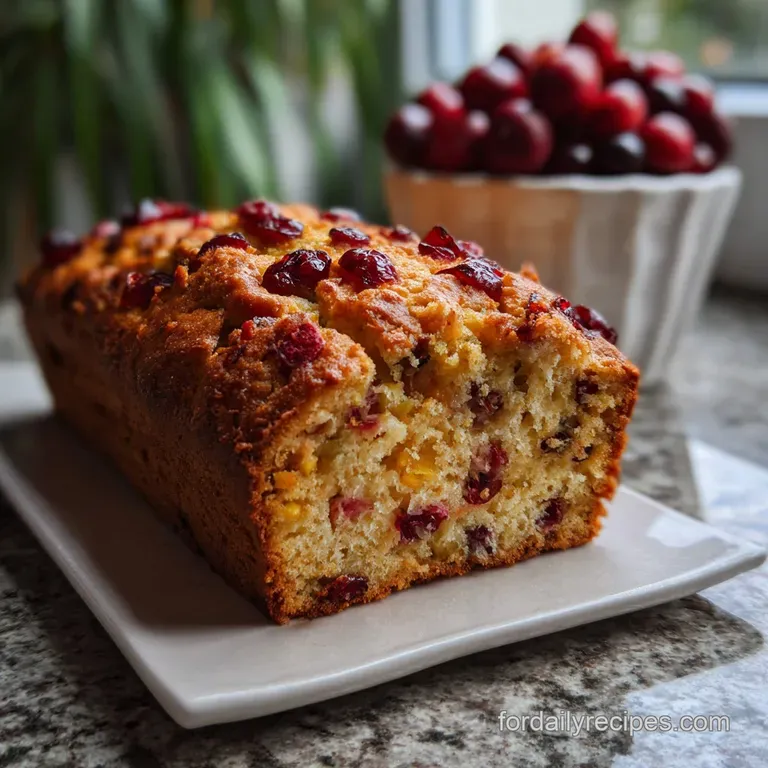
You don't need a kitchen full of high tech gear to make a perfect Cranberry Orange Bread. In fact, keeping it simple often yields better results because you're more in tune with the batter.
- 9x5-inch loaf pan: The classic size for an even bake.
- Large mixing bowl: For your dry ingredients.
- Medium mixing bowl: To whisk the wet components.
- Microplane or zester: Essential for getting just the zest without the bitter white pith.
- Silicone spatula: Perfect for folding in the berries without overworking the flour.
- Wire cooling rack: Critical for preventing a soggy bottom.
- Parchment paper: To create a "sling" for easy removal.
Chef's Tip: Always zest your oranges directly over the sugar. This ensures that every single drop of the spray from the peel those precious essential oils lands right in the bowl where it belongs.
step-by-step Guide to Baking Citrus Bliss
- Prep the oven. Heat your oven to 350°F and grease a 9x5 loaf pan, lining it with parchment paper for easy lifting later.
- Infuse the sugar. Combine 1 cup granulated sugar and 2 tbsp orange zest in your large bowl. Use your fingertips to rub the zest into the sugar until it looks like damp orange sand and smells incredibly fragrant.
- Mix dry ingredients. Whisk 2 cups flour, baking powder, baking soda, and sea salt into the scented sugar until well combined.
- Whisk the wet. In your medium bowl, whisk together the room temperature buttermilk, melted and cooled butter, egg, 0.25 cup orange juice, and vanilla until the mixture is silky and pale yellow.
- Combine the two. Pour the wet ingredients into the dry. Use your spatula to gently fold them together until just a few streaks of flour remain. Note: Overmixing will make the bread tough like a biscuit.
- Coat the berries. Toss 1.5 cups cranberries with the remaining 1 tbsp flour in a small bowl until they are evenly white and dusty.
- Fold in fruit. Gently fold the floured cranberries into the batter. The batter will be thick and heavy.
- Bake the loaf. Spread the batter into the prepared pan. Bake for 1 hours (60 minutes) until the top is golden brown and a skewer comes out clean.
- Cool properly. Let the bread rest in the pan for 15 minutes, then lift it out onto a wire rack until it is completely cool to the touch.
- Glaze and serve. Whisk 1 cup powdered sugar with 2 tbsp orange juice. Drizzle over the cooled loaf until it drips down the sides in thick, white ribbons.
Solving Sogginess and Ensuring a Flawless Rise
Even with a time honored recipe, things can go sideways. The most common heartbreak with this Cranberry Orange Bread is the dreaded soggy bottom. This usually happens because the berries release too much moisture or the bread sits in the pan too long after baking.
Why Your Bread Might Be Gummy
If the texture feels dense or wet, check your buttermilk temperature. Cold ingredients don't emulsify as well with melted butter, which can lead to an uneven crumb. Also, ensure you aren't using too much orange juice in the batter stick to the 0.25 cup.
Any more will throw off the pH balance and affect the rise.
| Problem | Root Cause | Solution |
|---|---|---|
| Berries all at bottom | Heavy fruit vs light batter | Toss berries in flour first; it helps them "grip" the batter. |
| Sunken center | Underbaked or too much soda | Use an oven thermometer; bake until it hits 200°F internally. |
| Tough, dry texture | Overmixing | Stop folding the second the flour streaks disappear. |
Common Mistakes Checklist
- ✓ Ensure your egg and buttermilk are at room temperature (prevents butter from seizing).
- ✓ Don't skip the parchment paper sling; it prevents the delicate crust from tearing.
- ✓ Measure your flour using the "spoon and level" method rather than scooping directly with the cup.
- ✓ Let the bread cool completely before glazing, or the sugar will just melt into a transparent puddle.
- ✓ Check your baking powder's expiration date; old leaveners are the #1 cause of flat loaves.
Adjusting Your Bake for Groups or Solo Snacking
If you’re baking for a holiday crowd, you’ll likely want to double this recipe. Because this is a "quick bread" (meaning no yeast), it scales fairly well, but you have to be careful with the leavening.
If you double everything, the sheer volume of batter can sometimes weigh down the bubbles before they set in the oven.
When doubling, I recommend using two separate 9x5 pans rather than one giant one. This ensures the heat can reach the center of both loaves evenly. For a single loaf, you’ll stick to the 1 hour bake time, but if you have two loaves in the oven at once, you might need to add 5-10 minutes to the total time.
If you want to make mini loaves for gifts, reduce the baking time to about 35-40 minutes. Keep a close eye on them; because they are smaller, they can dry out much faster than a full sized loaf.
Debunking Kitchen Tales About Citrus Breads
There’s a common myth that you must use fresh cranberries for the "best" results. While fresh is wonderful for that tart "pop," frozen berries are actually often better because they hold their shape longer in the heat of the oven, preventing the batter from turning entirely pink. Just don't thaw them first!
Another misconception is that more orange juice equals more flavor. In reality, the juice is mostly water and sugar. The true "soul" of the orange flavor lives in the zest. If you want a punchier citrus profile, add more zest, not more juice.
Adding too much juice will simply make the batter too thin and lead to a collapsed loaf.
Finally,, some say you should never use a bread machine for this type of recipe. While I prefer the texture of the oven baked crust, most modern machines have a "cake" or "quick bread" setting that works perfectly fine for this Cranberry Orange Bread.
Just be sure to remove the paddle as soon as the mixing is done to avoid a giant hole in your heritage loaf.
Preserving the Freshness of Your Cranberry Loaf
Once the glaze has set, this bread keeps remarkably well. The moisture from the berries and the fat from the buttermilk actually help it stay soft longer than most standard breads.
- Storage: Keep at room temperature in an airtight container for up to 3 days. If you live in a very humid climate, the fridge is better after 24 hours to prevent the berries from spoiling.
- Freezing: This loaf freezes beautifully. Wrap the unglazed loaf tightly in plastic wrap, then a layer of foil. It will stay fresh for up to 3 months. Thaw at room temperature before adding the glaze.
- Zero Waste Tip: If the loaf does start to get a bit dry after a few days, don't toss it! Use the slices to make a decadent cranberry orange bread pudding. The citrus and berry notes make for a much more interesting dessert than plain old white bread. You can also toast a slice and top it with a bit of orange marmalade to lean into those citrus vibes.
For those quiet afternoons when you want a little something sweet but not overwhelming, a slice of this bread is the perfect companion. It carries the weight of tradition but the brightness of the season. Enjoy the process, breathe in that citrus steam, and savor every buttery crumb! For a different kind of citrus treat, you might even enjoy an Orange Crush Recipe while your bread is in the oven.

Recipe FAQs
Can I use dried cranberries in cranberry bread?
Yes, but with adjustments. Dried cranberries are sweeter and chewier; use about 1 cup and consider reducing sugar slightly. They don't release moisture like fresh ones, so the texture will be different, more like a dense muffin.
Do orange and cranberry flavors complement each other?
Absolutely, they are a classic pairing. The bright, zesty notes of orange cut through the tartness of cranberries beautifully, creating a balanced sweet and tangy flavor profile that's widely loved.
Should cranberry orange bread be refrigerated?
Refrigeration is best for longer storage. At room temperature, it stays fresh for about 3 days, but refrigerating it in an airtight container can extend its life to about a week, preventing mold and keeping the berries from spoiling.
Is low GI cranberry bread healthy?
It can be, depending on ingredients. A "low GI" bread typically uses whole grains and less refined sugar. Our recipe focuses on fresh ingredients like cranberries and orange zest for natural flavor, making it a wholesome choice for a treat.
Can I use frozen cranberries instead of fresh?
Yes, frozen cranberries work well. You don't need to thaw them first; just toss them in flour and add them directly to the batter, similar to fresh. They tend to hold their shape slightly better during baking than fresh ones.
How long does cranberry orange bread stay fresh?
Up to 3 days at room temperature. For optimal freshness and to prevent spoilage, especially in warmer climates, store it in an airtight container. If you anticipate needing it for longer, freezing is an excellent option.
Why do cranberries sometimes sink to the bottom of the bread?
This often happens when the batter is too thin or the berries aren't coated. Tossing the cranberries in a tablespoon of flour before adding them to the batter helps them grip the dough better, preventing them from sinking during baking. If you enjoyed mastering this technique, see how similar coating methods help ingredients stay put in our Sausage Balls Recipe: The Classic Cheesy Appetizer.
Cranberry Orange Bread
Ingredients:
Instructions:
Nutrition Facts:
| Calories | 278 kcal |
|---|---|
| Protein | 3.5 g |
| Fat | 9.1 g |
| Carbs | 46.5 g |
| Fiber | 1.1 g |
| Sugar | 29.2 g |
| Sodium | 184 mg |
