Cottage Cheese Chicken Alfredo
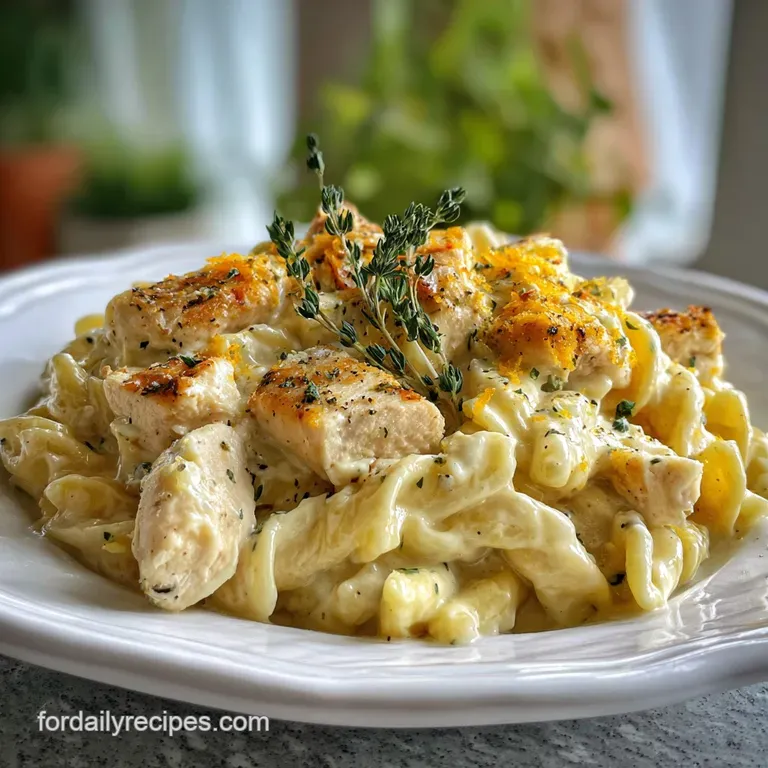
- Time: Active 15 minutes, Passive 15 minutes, Total 30 minutes
- Flavor/Texture Hook: Savory garlic sizzle with a velvety, protein packed finish
- Perfect for: High protein meal prep and budget-friendly family dinners
- High Protein Cottage Cheese Chicken Alfredo
- Quick Specs for Busy Cooks
- The High Protein Ingredient Breakdown
- Essential Tools for Quick Meals
- Step by Step Cooking Instructions
- Fix Your Sauce Instantly
- Smart Dietary Variations
- Fresh Leftovers Reheating Tips
- Best Sides for Italian Dinners
- Kitchen Myths Debunked
- High in Sodium
- Recipe FAQs
- 📝 Recipe Card
High Protein Cottage Cheese Chicken Alfredo
The sizzle of sliced chicken hitting a hot pan of olive oil is one of those sounds that immediately wakes up the kitchen. I remember the first time I tried swapping heavy cream for cottage cheese; I was skeptical, thinking I'd end up with a grainy, weird mess that my family would push around their plates.
But then the blender did its thing, and the sauce turned into this glossy, ivory pool of goodness that coated every strand of fettuccine.
Honestly, the real magic happens when that hint of nutmeg hits the heat. It’s a tiny pinch, but it bridges the gap between the tangy cottage cheese and the sharp parmesan, making the whole dish taste much more expensive than it actually is.
We've all had those nights where we want the comfort of a big pasta bowl but don't want the post dinner food coma, and this is exactly where this version shines.
I've made my share of mistakes with this one, like adding the sauce to a boiling pan and watching it curdle into a sad scramble. We won't let that happen to you. This is about working smarter, using budget friendly staples like cottage cheese and chicken breast to create something that feels like a weekend treat on a Tuesday night budget.
The Physics of the Protein Emulsion
The secret lies in the casein protein structure of the cottage cheese, which, when blended, creates a stable suspension that mimics the mouthfeel of fat. By keeping the heat low during the final toss, you prevent these proteins from tightening and "weeping" liquid, ensuring the sauce stays bonded to the pasta.
Chef Tip: Freeze your parmesan block for 10 minutes before grating; it prevents the cheese from clumping and creates "snow like" shreds that melt instantly into the sauce.
Quick Specs for Busy Cooks
When you're trying to decide if you have time for this between work and the gym, these numbers are your best friend. This comparison helps you choose the best route for your specific kitchen setup tonight.
| Method | Total Time | Texture | Best For |
|---|---|---|---|
| Stovetop | 30 minutes | Silky and glossy | Immediate serving |
| Oven Finish | 40 minutes | Bubbly and toasted | Large family gatherings |
| Meal Prep | 25 minutes | Dense and thick | Cold reheating later |
If you’re looking for a slightly different flavor profile, this technique works beautifully with the base of a Simple Chicken Alfredo recipe too. It's all about that creamy texture without the heavy lifting.
The High Protein Ingredient Breakdown
Understanding what each component brings to the pan makes you a better cook. We aren't just tossing things in; we are building layers of flavor using basic pantry items.
| Ingredient | Science Role | Pro Secret |
|---|---|---|
| 2 cups Cottage Cheese | Primary Emulsifier | Use 2% fat for the best balance of creaminess and stability. |
| 1/2 cup Parmesan | Structural Binder | Always grate fresh to avoid the starchy coating on pre shredded bags. |
| 8 oz Fettuccine | Starch Source | Save the pasta water! It’s the "liquid gold" that thins the sauce perfectly. |
Choosing the right pasta shape is also a factor. Fettuccine provides the surface area needed for a thick sauce like this, but penne is fantastic if you're tossing this into a container for work tomorrow.
Essential Tools for Quick Meals
You don't need a professional kitchen, but a few specific items make this much easier. A high speed blender is non negotiable here because we need to completely obliterate those cottage cheese curds. If you leave even a few, the texture just isn't right.
A large heavy bottomed skillet is your second best friend. You want something that holds heat evenly so your chicken sears rather than steams. I usually reach for my 12 inch cast iron or a solid stainless steel pan. Also, grab a pair of silicone tipped tongs.
They make tossing the long fettuccine strands much easier than using a spoon, ensuring every inch of pasta gets its coat of velvet sauce.
step-by-step Cooking Instructions
Let's get into the actual flow of the kitchen. Timing is everything with pasta, so have your blender ready before the water even starts to boil.
- Boil the water. Use a large pot with plenty of salt. Note: The water should taste like the sea to season the pasta from the inside out.
- Blend the base. Combine 2 cups cottage cheese, 1/2 cup parmesan, 3 cloves minced garlic, 1 tsp lemon juice, and a pinch of nutmeg in the blender. Note: Blend until it is completely smooth and no curds remain.
- Prep the protein. Season 1 lb sliced chicken breast with 1 tsp Italian seasoning, salt, and pepper.
- Sear the chicken. Heat 1 tbsp olive oil in your skillet over medium high heat. Add chicken and cook for 5-7 minutes until golden and crackling.
- Cook the pasta. Drop 8 oz fettuccine into the boiling water. Cook for 1-2 minutes less than the package says until firm to the bite (al dente).
- Reserve the water. Before draining, scoop out about 1 cup of the cloudy pasta water. Note: This starch heavy liquid is the secret to a smooth sauce.
- Lower the heat. Turn the skillet heat down to low. This is the most important step to prevent the cheese from breaking.
- Combine ingredients. Add the drained pasta and the blended sauce to the skillet with the chicken.
- Emulsify the sauce. Toss everything together, adding the reserved pasta water 1 tablespoon at a time until the sauce is glossy and velvety.
- Final garnish. Top with fresh parsley and an extra crack of black pepper before serving immediately.
Chef Tip: Add a teaspoon of pasta water to the blender if the sauce is too thick to move the blades; it starts the emulsification process early.
Fix Your Sauce Instantly
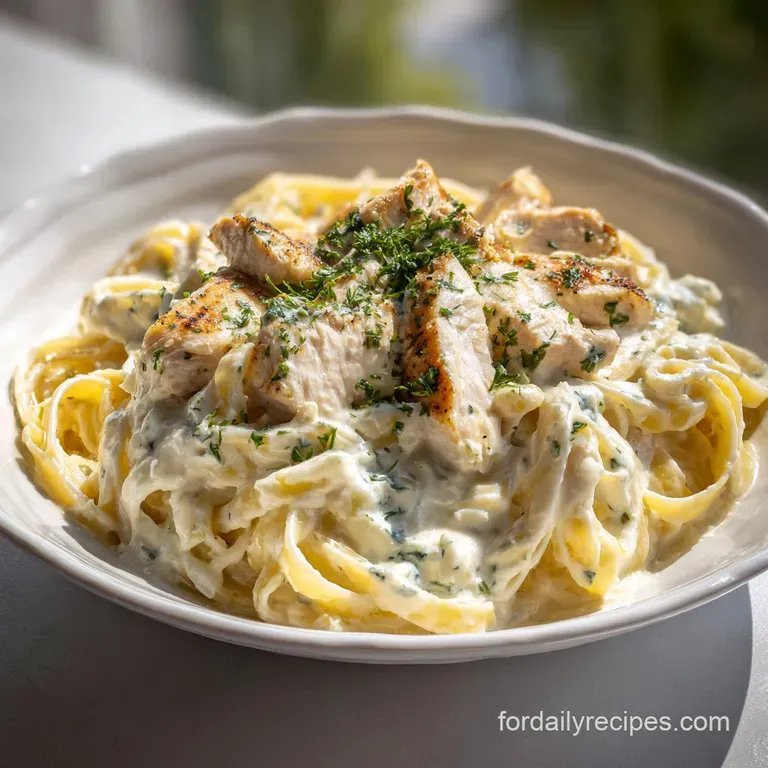
Sometimes things don't go perfectly, especially if the heat gets away from you. If your sauce looks a bit grainy or the chicken feels dry, don't panic. Most kitchen "disasters" are just opportunities for a quick fix.
The Grainy Sauce Dilemma
If you see the sauce starting to look like tiny beads instead of a smooth liquid, your pan is too hot. The proteins in the cottage cheese are tightening up. Immediately pull the pan off the heat and whisk in a splash of cold pasta water.
This lowers the temperature quickly and can sometimes "relax" the proteins back into a smooth state.
| Problem | Root Cause | Solution |
|---|---|---|
| Thin/Runny Sauce | Too much pasta water | Simmer on very low for 2 mins or add extra parmesan. |
| Clumping Cheese | Added cheese to boiling liquid | Remove from heat and whisk vigorously with pasta water. |
| Dry Chicken | Overcooked or heat too high | Slice thinner and reduce cook time by 2 minutes next time. |
For those looking to prep this ahead, consider our Chicken Garlic Parmesan recipe which handles reheating exceptionally well.
Common Mistakes Checklist: ✓ Pat the chicken completely dry before searing to ensure a golden crust. ✓ Never skip the blender; hand whisking cottage cheese will always leave lumps. ✓ Keep the heat on low once the sauce is added to prevent curdling.
✓ Use freshly grated parmesan to ensure it melts smoothly into the emulsion. ✓ Add the lemon juice last if you want a brighter, tangier finish.
Smart Dietary Variations
We all have different needs, and this recipe is incredibly flexible. Whether you're cutting carbs or looking for a budget swap, there’s a way to make this work.
When scaling this recipe down for one person, it’s best to blend the full batch of sauce and keep the extra in a jar. Reducing the sauce ingredients by 75% often leaves too little volume for the blender to catch, resulting in a chunky mess.
If you're doubling it for a crowd, keep your spices at 1.5x the original amount; nutmeg and black pepper can quickly overwhelm a large pot if you strictly double them.
| Original Ingredient | Substitute | Why It Works |
|---|---|---|
| Fettuccine | Zucchini Noodles | Lowers carbs significantly. Note: Add noodles at the very end to prevent sogginess. |
| Chicken Breast | Canned Chickpeas | Great budget friendly vegetarian swap with similar protein. |
| Parmesan | Nutritional Yeast | Adds a similar nutty/savory flavor while being dairy-free (use tofu for the base). |
If you're interested in the science of the dairy base itself, you might enjoy learning the foundations in our How To Make Cheese recipe.
The Ultra Low Carb Twist
Swap the pasta for spaghetti squash or shirataki noodles. Since these don't provide starch water, you may need to add a splash of chicken broth to the sauce to get that same silky consistency.
The Vegetarian Lean
Instead of chicken, try roasted cauliflower florets. The nuttiness of the roasted vegetable pairs perfectly with the nutmeg in the sauce, and it keeps the meal very light.
Fresh Leftovers Reheating Tips
Storage is straightforward, but reheating is where most people fail with cottage cheese sauces. You want to avoid the microwave if possible, as it creates hot spots that will scramble the cheese proteins.
Storage: Keep in an airtight container in the fridge for up to 4 days. I don't recommend freezing this specific sauce because the emulsion breaks when thawed, resulting in a watery, grainy texture that is almost impossible to fix.
Reheating: Put the pasta in a skillet over low heat. Add a splash of milk or water to loosen things up. Stir constantly just until it's warm. If you must use a microwave, do it in 30 second bursts at 50% power, stirring between each interval.
Zero Waste Tip: If you have leftover sauce but no pasta, use it as a high protein veggie dip or spread it over a piece of toasted sourdough with a slice of tomato. It’s essentially a savory, garlic infused protein spread!
Best Sides for Italian Dinners
To keep this meal balanced, you want something with a bit of "crunch" or acidity to cut through the richness of the alfredo. A heavy pasta dish always feels better when paired with something bright.
Charred Lemon Broccolini
Toss broccolini with a little olive oil and salt, then sear it in the same pan you used for the chicken (after the chicken is done). The charred bits and the squeeze of fresh lemon at the end provide a bitter, bright contrast to the creamy pasta. It’s efficient because you’re using one less pan.
Arugula Side Salad
A simple bed of arugula with a quick balsamic vinaigrette is a classic for a reason. The peppery bite of the greens acts as a palate cleanser between bites of the savory, garlic heavy alfredo.
Decision Shortcut: If you want maximum creaminess, use full fat cottage cheese and an extra tablespoon of pasta water. If you want maximum protein, increase the chicken to 1.5 lbs and use 0% fat cottage cheese.
If you want maximum flavor, toast the minced garlic in the olive oil for 30 seconds before adding the chicken.
Kitchen Myths Debunked
Many people believe that cottage cheese is only for cold salads or diet plates. That’s simply not true. When heat is applied correctly meaning low and slow it behaves much like a soft ricotta or a heavy cream.
Another common myth is that you must use expensive "high protein" pasta for this to be a healthy meal. The truth is, the cottage cheese and chicken already provide about 50g of protein per serving. Standard semolina pasta is perfectly fine and much easier on the wallet.
Finally, don't believe that you can't get a good sear on chicken breast without butter. Using a high smoke point oil like olive oil and letting the pan get truly hot before adding the meat will give you that "shatter" crust on the outside while keeping the inside juicy. Just don't crowd the pan!
If the pieces are touching, they will steam instead of sear.
This Cottage Cheese Chicken Alfredo is proof that you don't need fancy ingredients to make a meal that feels like a splurge. It’s efficient, it’s smart, and it actually works for real life. Give it a go tonight your muscles and your wallet will thank you.
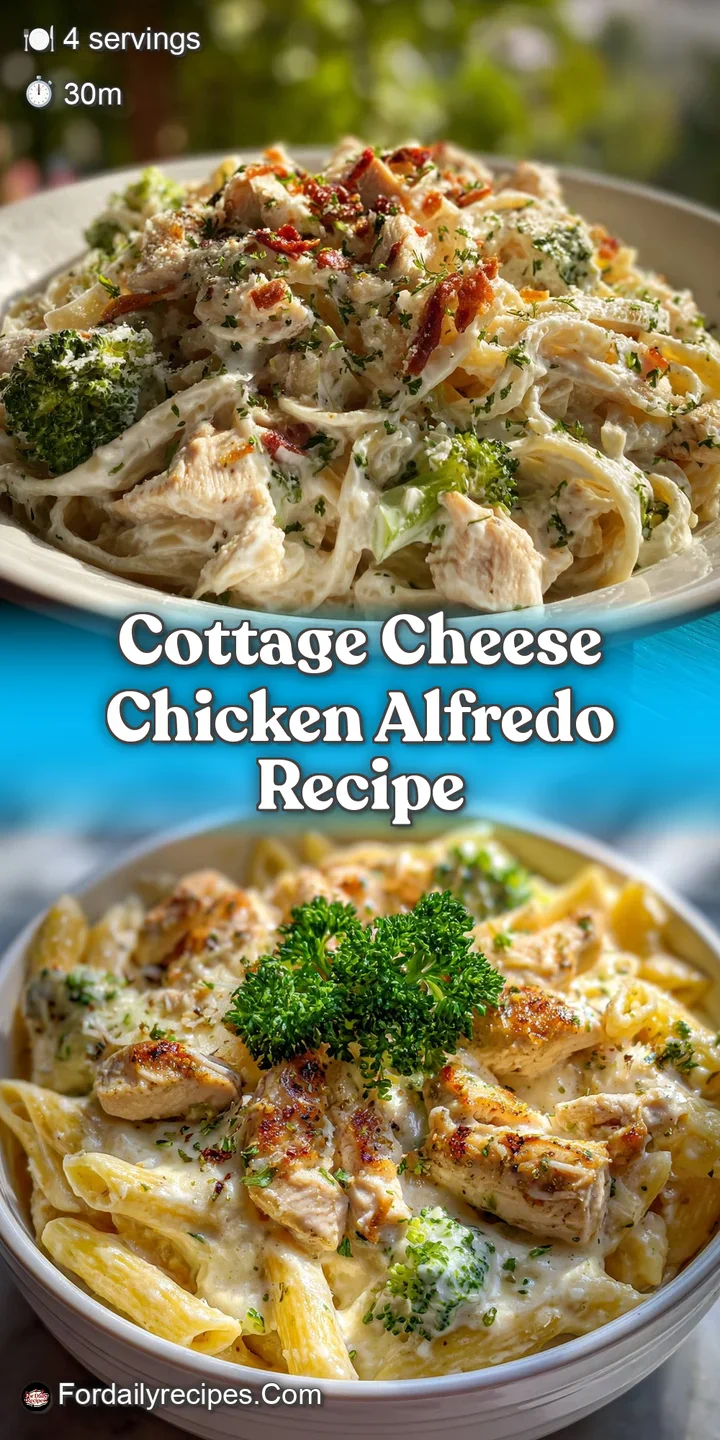
High in Sodium
938 mg mg of sodium per serving (41% % of daily value)
The American Heart Association recommends limiting sodium intake to no more than 2,300mg per day for most adults.
Sodium Reduction Tips for this Recipe
-
Low-Sodium Cheese-15%
Replace regular Parmesan cheese with a low-sodium or reduced sodium Parmesan. This can significantly cut down on sodium content.
-
Skip Added Salt-25%
Eliminate the added salt entirely. The other ingredients already contribute sodium, and you can enhance flavor with herbs and spices.
-
Low-Sodium Cottage Cheese-15%
Opt for a low-sodium or sodium free cottage cheese. This will noticeably lower the overall sodium level of the dish.
-
Fresh Herbs > Salt
Boost flavor with fresh herbs like basil, oregano, or thyme instead of relying on salt. Combine with garlic, pepper and nutmeg.
Recipe FAQs
Can I use low-fat cottage cheese for this recipe?
Yes, but be mindful of texture. low-fat cottage cheese can work, but it may result in a slightly less creamy sauce. For the silkiest results, 2% or full fat is recommended.
What is the secret to getting a smooth sauce from cottage cheese?
Blend it thoroughly until completely smooth. A high speed blender is key to breaking down the curds and creating a velvety emulsion that mimics heavy cream.
Why is my sauce grainy or curdled?
The pan was likely too hot when the sauce was added. High heat causes the proteins in cottage cheese to tighten and separate. Always add the sauce to low heat and toss gently.
How do I prevent the sauce from becoming too thick?
Reserve pasta water and add it gradually. This starchy liquid is the secret to achieving a glossy, perfectly coated sauce. Add it a tablespoon at a time until the desired consistency is reached.
Can I make this recipe vegetarian?
Yes, substitute the chicken with roasted vegetables or plant based protein. Roasted cauliflower florets or pan-fried tofu cubes are excellent alternatives that absorb the sauce beautifully.
How long does the leftover sauce last?
Up to 4 days in an airtight container in the refrigerator. Reheat gently over low heat, adding a splash of milk or water to loosen, as microwaving can cause the sauce to separate.
What pasta shapes work best with this sauce?
Fettuccine is ideal for its surface area, but others work too. Shapes like linguine, spaghetti, or even penne will hold the sauce well. If you're looking for a different pasta dish, consider trying a Ditalini Pasta Recipe: Cozy Chickpea Pancetta Stew for a hearty option.
Cottage Cheese Chicken Alfredo
Ingredients:
Instructions:
Nutrition Facts:
| Calories | 523 kcal |
|---|---|
| Protein | 50g |
| Fat | 13g |
| Carbs | 48g |
| Fiber | 2g |
| Sugar | 5g |
| Sodium | 938mg |
