Chicken Garlic Parmesan Pasta: Silky & Crisp
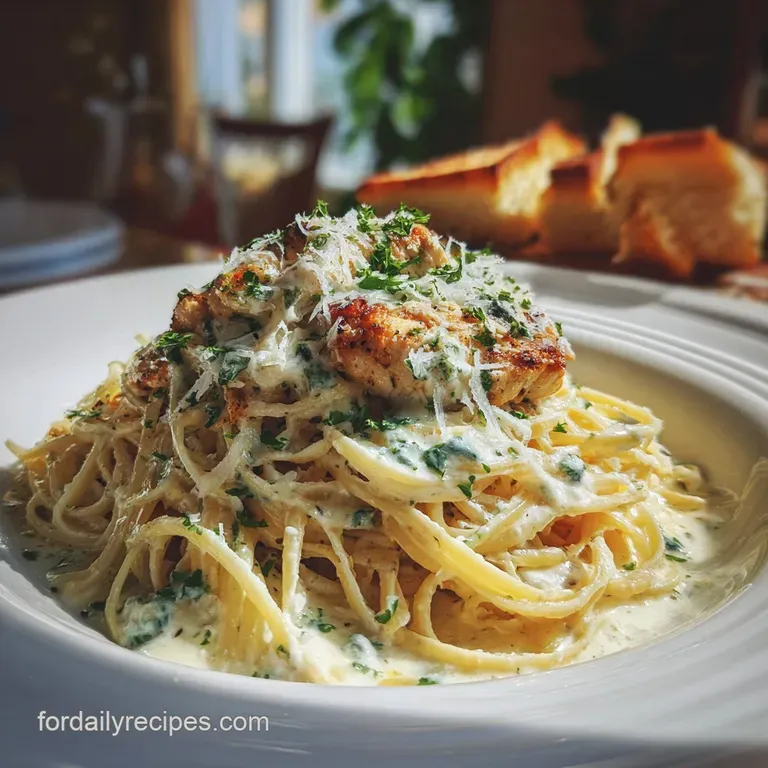
- Time: Active 10 mins, Passive 15 mins, Total 25 mins
- Flavor/Texture Hook: Silky, velvety sauce with a shatter crisp chicken sear
- Perfect for: A comforting family Sunday dinner or a cozy date night
- The Ultimate Chicken Garlic Parmesan Pasta
- The Physics of Silky Cream Emulsion
- Component Analysis
- Selecting Elements for Heritage Flavor
- Kitchen Tools for Consistent Success
- Steps for a Fragrant Pasta Finish
- Solving Common Creamy Sauce Issues
- Variations to Suit Your Family
- Storing Leftovers for Lasting Quality
- Perfect Sides for Rich Pasta
- Debunking Kitchen Myths
- High in Sodium
- Recipe FAQs
- 📝 Recipe Card
The Ultimate Chicken Garlic Parmesan Pasta
The moment the butter hits the pan and meets those six minced cloves of garlic, the kitchen transforms. It is a scent that carries through generations, a warm perfume of nutty, sweet, and sharp notes that promises a meal worth sitting down for.
I remember my grandmother’s kitchen always smelling like this on rainy afternoons, the steam from the pasta pot fogging up the windows while the sizzle of chicken strips provided the background music to our conversations.
We aren't just making a meal here; we're creating a texture that feels like a warm embrace. This Chicken Garlic Parmesan Pasta relies on the heritage of simple, high-quality ingredients coming together through heat and timing.
While there are many versions out there, including the famous garlic parmesan chicken pasta tiktok trends or the buffalo wild wings garlic parmesan chicken pasta, our version focuses on the velvety balance of fresh cream and aged cheese.
You can expect a sauce that is thick enough to coat the back of a spoon but light enough that it doesn't feel heavy on the palate. The smoked paprika on the chicken adds a subtle earthy undertone that cuts through the richness of the parmesan, creating a complex flavor profile that stays with you.
Let's walk through how to master this time honored dish together.
The Physics of Silky Cream Emulsion
Starch Binding: The 120 ml of reserved pasta water acts as a bridge between the heavy cream and the fats, preventing the sauce from "breaking" or becoming oily.
Protein Denaturation: Searing the 680 grams of chicken strips at high heat locks in the juices by creating a Maillard crust, ensuring the meat stays tender inside the creamy sauce.
Fat Saturation: Using 55 grams of unsalted butter alongside heavy cream creates a stable fat in-water emulsion that carries the garlic essence into every crevice of the pasta.
| Servings | Ingredient Adjustments | Pan Size | Cook Time |
|---|---|---|---|
| 2 People | 340g Chicken, 170g Pasta | 25cm Skillet | 20 mins |
| 4 People | 680g Chicken, 340g Pasta | 30cm Skillet | 25 mins |
| 8 People | 1.3kg Chicken, 680g Pasta | Large Stockpot | 40 mins |
Calculating your portions before you start ensures that the ratio of sauce to noodle remains consistent. If you are cooking for a larger crowd, remember to work in batches when searing the chicken strips to avoid crowding the pan, which leads to steaming rather than browning.
Component Analysis
| Ingredient | Science Role | Pro Secret |
|---|---|---|
| Heavy Cream | Provides the fat base for the velvety emulsion. | Use room temperature cream to prevent the sauce from breaking when hitting the hot pan. |
| Parmesan Cheese | Acts as a natural thickener and flavor enhancer. | Always grate your own from a block; pre shredded cheese is coated in starch that ruins the texture. |
| Pasta Water | The liquid gold that binds fat and starch together. | Scoop it out right before draining when the starch concentration is at its highest. |
Selecting Elements for Heritage Flavor
To truly capture the essence of this chicken garlic parmesan pasta recipe, every element must be chosen with care. I always look for a block of Parmigiano Reggiano that has been aged for at least 24 months to get those tiny, salty crystals that provide a delightful crunch and deep umami.
- 1.5 lbs (680g) Chicken breast: Sliced into 1 inch strips for rapid, even cooking. Why this? Strips maximize surface area for the flavorful smoked paprika crust.
- 1 tsp Smoked paprika: Adds color and a hint of woodsy warmth.
- 1 tsp Kosher salt: Enhances the natural juices of the poultry.
- 1/2 tsp Cracked black pepper: Provides a subtle, sharp bite.
- 2 tbsp (30ml) Avocado oil: A high smoke point oil that won't burn during the sear.
- 12 oz (340g) Fettuccine or penne: The classic vessel for a creamy sauce.
- 4 tbsp (55g) Unsalted butter: Controls the salt levels while adding rich fat.
- 6 cloves Garlic: Mined finely to release the maximum amount of essential oils.
- 1 cup (240ml) Heavy cream: The foundation of our velvety coating.
- 1 cup (100g) Freshly grated parmesan: Use the fine side of your grater.
- 1/2 cup (120ml) Reserved pasta water: The secret to a non greasy finish.
- 1 tbsp Fresh parsley: Adds a bright, grassy finish to the rich plate.
- 1/4 tsp Red pepper flakes: A gentle heat that wakes up the garlic.
| Original Ingredient | Substitute | Why It Works |
|---|---|---|
| Heavy Cream | Whole Milk + 1 tbsp Flour | Creates a lighter sauce, but requires a roux for thickness. |
| Avocado Oil | Grapeseed Oil | Both have high smoke points that allow for a hard sear without acrid smoke. |
| Fettuccine | gluten-free Rotini | The spirals hold the sauce well. Note: Texture is slightly softer. |
When you are looking for a healthy chicken garlic parmesan pasta, you might consider swapping the cream for a Greek yogurt and milk mixture, though you'll need to be careful with the heat to prevent curdling.
Kitchen Tools for Consistent Success
A heavy bottomed skillet is your best friend here. I prefer using a cast iron or a heavy stainless steel pan such as a Lodge or All Clad. These materials hold heat exceptionally well, ensuring that when the chicken strips hit the oil, they sizzle immediately rather than simmering in their own juices.
You will also need a sturdy pair of tongs to flip the chicken strips one-by-one. For the sauce, a silicone whisk is better than metal if you are using a non stick pan, as it helps emulsify the cream and cheese without scratching the surface. Finally, don't forget a microplane or a fine grater.
The finer the parmesan, the faster it melts into that silky dream we're aiming for.
Steps for a Fragrant Pasta Finish
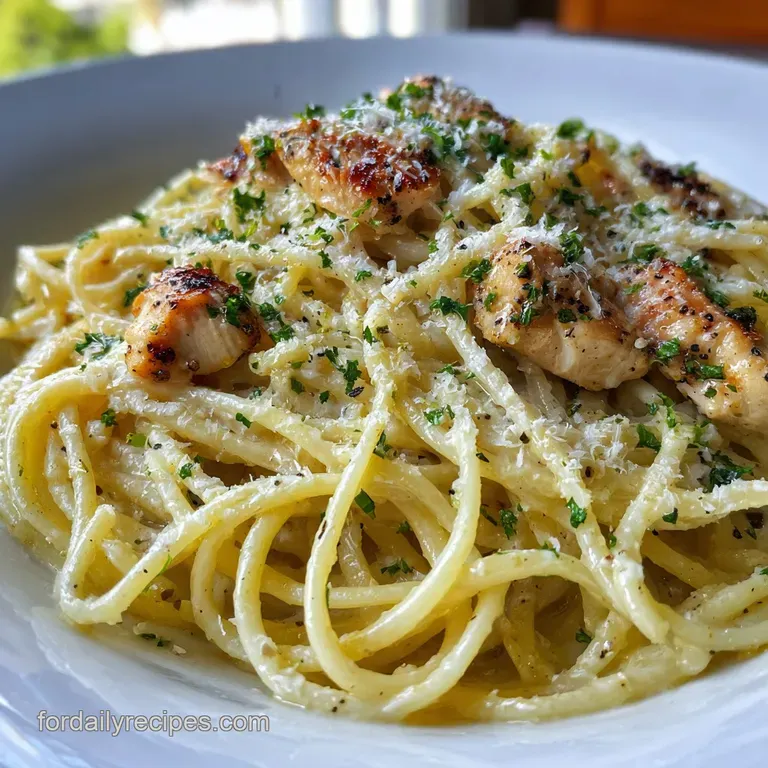
1. The Golden Sear
Toss the 680g of chicken strips with the smoked paprika, salt, and pepper until well coated. Heat the 30ml of avocado oil in your skillet over medium high heat. Place the strips in the pan, ensuring they aren't overlapping.
Cook for 3 to 4 minutes per side until the edges are golden brown and the aroma of toasted paprika fills the air.
2. The Garlic Base
Remove the chicken and set it aside on a plate. Reduce the heat to medium and add the 55g of butter. Once the butter is foaming, stir in the 6 minced garlic cloves and the red pepper flakes. Sauté for about 1 minute until the garlic turns a pale gold and smells sweet rather than pungent.
3. Creating the Velvet Emulsion
Slowly pour in the 240ml of heavy cream. Use your whisk to scrape up any browned bits (the fond) from the bottom of the pan. Let the cream simmer gently for 2 to 3 minutes. Note: This infuses the cream with the chicken and garlic flavors.
4. The Final Toss
Whisk in the 100g of parmesan cheese in small handfuls, stirring constantly until melted. Add the cooked pasta and the 120ml of reserved pasta water. Toss everything together for 2 minutes until the sauce thickens and clings to the noodles like a silk ribbon.
Fold the chicken back in and garnish with fresh parsley.
Chef's Tip: Freeze your block of parmesan for 10 minutes before grating. It makes the cheese firmer and prevents it from clumping or melting from the heat of your hands, resulting in a much finer "snow" that melts instantly into the sauce.
Solving Common Creamy Sauce Issues
One of the most frustrating moments in the kitchen is watching a beautiful sauce turn into a clumpy, oily mess. This usually happens when the heat is too high or the cheese is added too quickly. If your sauce looks like it’s separating, don't panic.
A splash of that hot, starchy pasta water and a vigorous whisking off the heat can often bring it back to life.
The Clumpy Cheese Crisis
If the parmesan gathers into a rubbery ball instead of melting, the temperature was likely too high. The proteins in the cheese tighten up and squeeze out the fat when they hit boiling liquid.
| Problem | Root Cause | Solution |
|---|---|---|
| Sauce is grainy | Pre shredded cheese used | Use freshly grated cheese from a block next time. |
| Oily separation | Heat was too high | Remove from heat and whisk in a tablespoon of cold cream. |
| Sauce is too thin | Not enough reduction | Simmer for 2 more minutes or add extra cheese. |
Common Mistakes Checklist
- ✓ Pat the chicken completely dry before seasoning to ensure a crisp sear.
- ✓ Never rinse your pasta after boiling; you need that surface starch to hold the sauce.
- ✓ Add the parmesan only after the cream has finished simmering to prevent curdling.
- ✓ Keep a cup of pasta water handy right up until the moment of serving.
- ✓ Use a pan large enough to toss the pasta freely without crowding the ingredients.
Variations to Suit Your Family
For those looking for a different experience, this dish is incredibly flexible. If you have more time on your hands, you can try a chicken garlic parmesan pasta slow cooker version.
You would essentially slow cook the chicken in the garlic, butter, and a bit of chicken broth for 4 hours on low, then stir in the cream and cheese at the very end.
Wholesome Healthy Twists
If you want to lighten things up, try swapping half the pasta for sautéed zucchini ribbons. The texture remains satisfying, and the squash picks up the garlic cream beautifully. For another variation, you can look at my Mexican Chicken Recipe for inspiration on how to use lime and cilantro to brighten up a heavy poultry dish.
Bold Flavor Variations
- The Buffalo Twist: Add 2 tablespoons of hot sauce to the cream for a spicy kick similar to the buffalo wild wings garlic parmesan chicken pasta style.
- The Garden Addition: Stir in two handfuls of fresh baby spinach during the final toss; the residual heat will wilt it perfectly.
- The Mushroom Deep Dive: Sauté 200g of sliced cremini mushrooms with the garlic for an earthy, forest floor depth of flavor.
This stove method is much more controlled than a garlic parmesan chicken pasta instant pot version, which can sometimes overcook the delicate cream. However, if you are in a rush, the pressure cooker can work if you add the dairy after the pressure release. For another creamy favorite, my Simple Chicken Alfredo recipe uses a similar technique with even fewer ingredients.
Storing Leftovers for Lasting Quality
Creamy pastas are notoriously tricky to reheat because the fat tends to separate from the liquid. Store any leftovers in an airtight glass container in the fridge for up to 3 days. When you're ready to eat, don't just microwave it on high.
Instead, put it in a small saucepan with a splash of milk or water over low heat, stirring gently until it comes back together.
For a zero waste approach, don't throw away those parmesan rinds! Keep them in a bag in your freezer. The next time you make a soup or a slow simmered tomato sauce, drop a rind in. It will release incredible depth and saltiness as it softens.
Perfect Sides for Rich Pasta
Since this pasta is quite decadent, I usually pair it with something bright and acidic. A simple arugula salad with a lemon vinaigrette works wonders to cleanse the palate between bites of the velvety sauce.
If you want something heartier, roasted broccoli with a dash of red pepper flakes provides a nice charred contrast to the smooth cream.
This dish also sits beautifully next to a Chile Relleno Casserole recipe if you're hosting a multi dish comfort food feast. The key is balance; the heaviness of the garlic and cream needs a sharp or crisp partner to make the meal feel complete.
Debunking Kitchen Myths
A common misconception is that adding oil to the pasta water prevents the noodles from sticking. In reality, it just makes the pasta greasy, which prevents the garlic parmesan sauce from actually clinging to the strands.
The only thing that prevents sticking is using a large enough pot of water and giving it a good stir in the first two minutes of boiling.
Another myth is that you must use "cooking wine" for depth. Please, never use anything labeled "cooking wine" they are often loaded with unnecessary salt. If a recipe calls for wine and you want to use it, use something you would actually enjoy drinking.
In this specific recipe, the richness comes from the fat and the garlic, so wine isn't even necessary to achieve that time honored flavor we love.
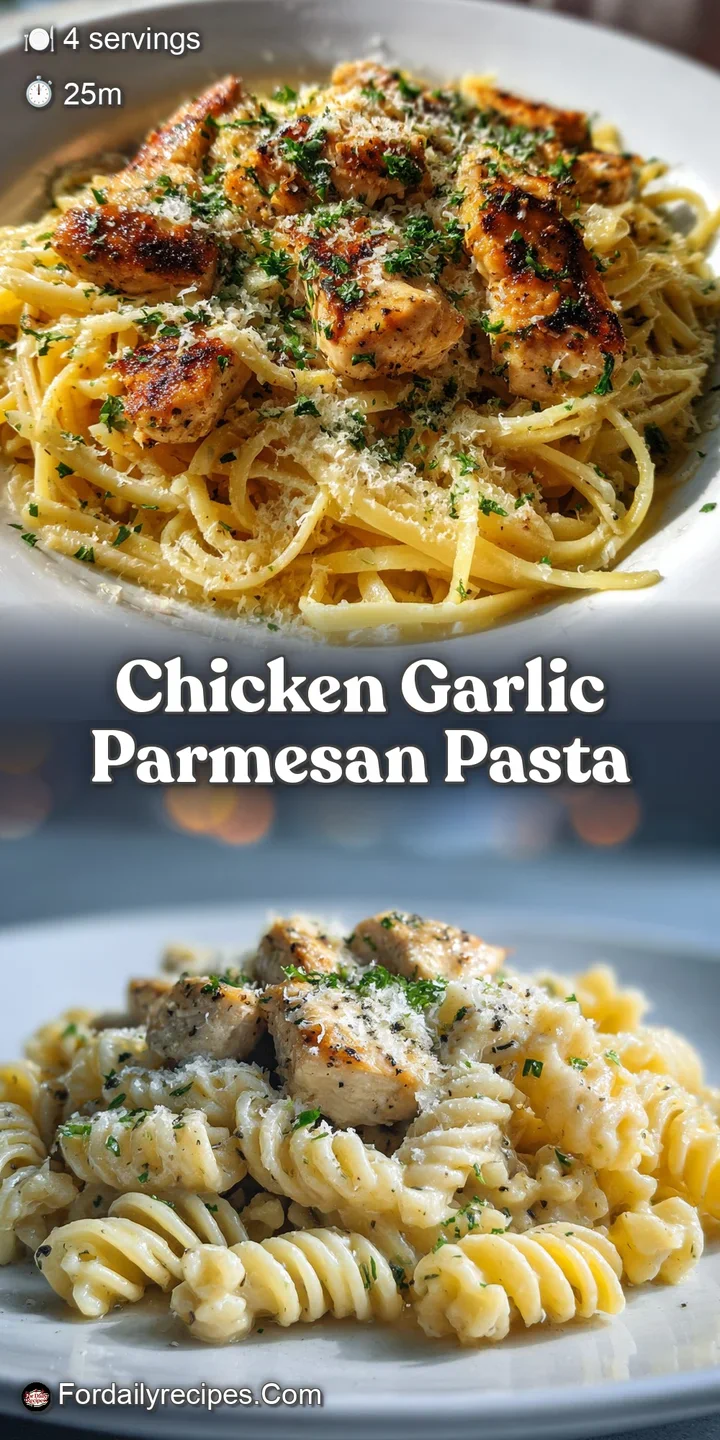
High in Sodium
1125 mg mg of sodium per serving (49% % of daily value)
The American Heart Association recommends limiting sodium intake to about 2,300mg per day for most adults. Reducing sodium can help maintain healthy blood pressure.
Sodium Reduction Tips for Fettuccine Alfredo
-
Reduce Parmesan-15%
Parmesan cheese is a significant source of sodium. Reduce the amount of Parmesan by half or use a low-sodium parmesan, which can reduce sodium up to 15% without sacrificing flavor.
-
Reduce Added Salt-25%
The recipe calls for 1 tsp of kosher salt. Reduce the amount of added salt by half, or eliminate it entirely, tasting as you cook. You can always add more at the end. This simple change can cut sodium by up to 25%.
-
Use Unsalted Butter
This recipe already uses unsalted butter. Using unsalted butter is important to control the sodium content in your dish.
-
Spice It Up
Enhance the flavor with sodium free herbs and spices! Experiment with garlic powder, onion powder, or Italian seasoning to boost the taste without adding extra sodium. Consider adding additional fresh parsley or basil.
-
Skip Brining the Chicken-5%
Ensure the chicken breasts are not pre-brined or injected with a sodium solution. Purchase chicken labeled as 'no salt added'.
Recipe FAQs
What goes with garlic parmesan chicken pasta?
A simple green salad or roasted vegetables. A bright arugula salad with a lemon vinaigrette provides a palate cleansing contrast to the rich pasta. Roasted broccoli or asparagus also works well.
What are common mistakes when making chicken parm pasta?
Overcrowding the pan, rinsing pasta, or adding cheese too early. Overcrowding leads to steamed chicken instead of a good sear, rinsing washes off starch needed for sauce adhesion, and adding cheese too soon can cause curdling.
Does pasta go with chicken parmesan?
Yes, it's a classic pairing. Chicken parmesan flavors are traditionally served over or alongside pasta, making it a complete and comforting meal.
What's the secret to a creamy garlic parmesan sauce?
Using reserved pasta water and adding cheese off the heat. The starchy pasta water helps emulsify the sauce, and whisking in the parmesan off the heat prevents it from becoming grainy or oily.
Can I use whole milk instead of heavy cream for the sauce?
Yes, but you'll need to thicken it. Substitute half the heavy cream with whole milk and add a tablespoon of flour cooked into a roux, or use a cornstarch slurry. This approach is similar to techniques used for lighter sauces in our Chicken Orzo Soup Ready in 30 Min recipe.
How do I prevent the chicken from getting tough?
Sear it quickly and don't overcook. Strips of chicken breast cook very fast; aim for a golden brown sear in about 3-4 minutes per side, then finish it in the sauce.
Is it true that adding oil to pasta water prevents sticking?
No, this is a common misconception. Oil in pasta water actually creates a barrier, preventing your sauce from clinging properly to the noodles. A large pot of water and stirring in the first few minutes of boiling is the best way to prevent sticking.
Chicken Garlic Parmesan Pasta
Ingredients:
Instructions:
Nutrition Facts:
| Calories | 1063 kcal |
|---|---|
| Protein | 73.6 g |
| Fat | 52.6 g |
| Carbs | 67.3 g |
| Fiber | 2.8 g |
| Sugar | 2.4 g |
| Sodium | 1125 mg |
