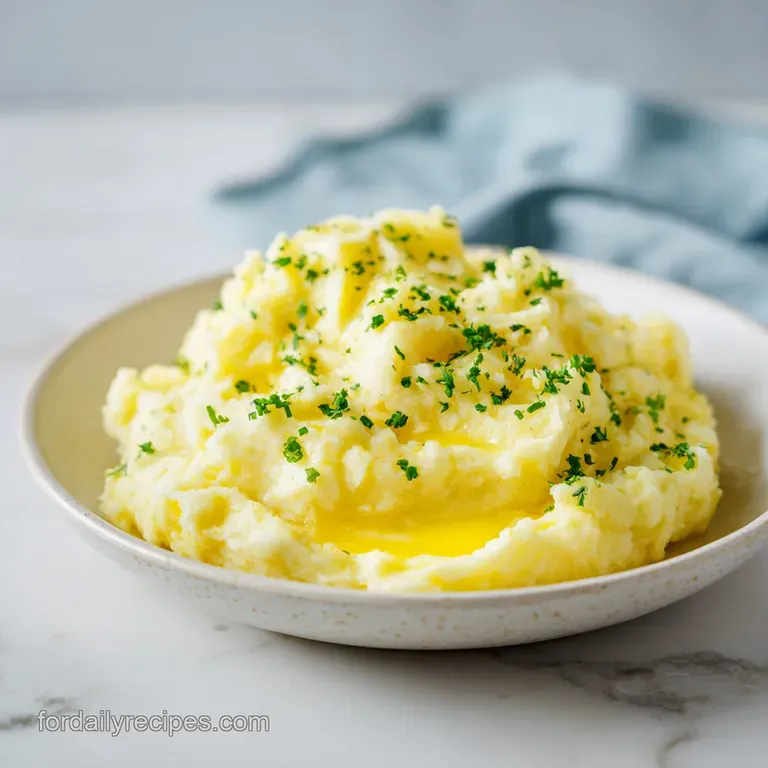
Cheesy Mashed Potatoes: Velvety and Rich
- Time: Active 10 minutes, Passive 15 minutes, Total 25 minutes
- Flavor/Texture Hook: Sharp, nutty cheddar notes paired with a velvety, cloud like potato crumb
- Perfect for: Heritage holiday dinners, Sunday family roasts, or beginner friendly comfort meals
- Achieving the Best Cheesy Mashed Potatoes Heritage
- Why This Specific Method Succeeds
- Component Analysis for Optimal Texture
- The Essential Elements and Substitutes
- Tools Required for a Silky Finish
- Instruction Guide for Incorporating Flavor
- Troubleshooting the Potato Texture
- Scaling for Large Heritage Gatherings
- Debunking Traditional Potato Myths
- Creative Modern Twists and Substitutions
- Storage Guidelines and Zero Waste
- Selecting the Best Complements
- Recipe FAQs
- 📝 Recipe Card
Achieving the Best Cheesy Mashed Potatoes Heritage
The kitchen fills with the sharp, pungent aroma of freshly shredded white cheddar hitting the steam rising from the pot. It’s a sensory signal that something rich and time honored is happening.
If you’ve ever sat down to a plate of spuds only to find they have the consistency of library paste or a watery, broken mess where the oil separates from the vegetable, you know the quiet disappointment of a failed side dish.
We’ve all been there trying to save a gummy batch by adding more milk, only to make it worse.
This recipe solves those specific textural failures by focusing on the starch to fat ratio and the crucial removal of excess moisture. By using a heritage style approach that blends two distinct potato varieties, we get the structural integrity of the Russet and the buttery, waxier finish of the Yukon Gold.
This isn't just about mashing things together; it’s about a sequence of operations that ensures every forkful is velvety and holds its shape on the plate.
We are looking for a specific mouthfeel here: one that is substantial yet light, with the tang of Greek yogurt cutting through the heavy richness of the sharp cheddar. You won’t find any bland, one note flavors here.
Instead, the smashed garlic cloves boiled right along with the potatoes infuse every cell of the starch with a subtle, aromatic depth that makes these Cheesy Mashed Potatoes stand out from any basic box mix or rushed weeknight version.
Why This Specific Method Succeeds
The 50/50 Starch Hybrid: Russets provide the fluffy volume while Yukon Golds offer a natural buttery richness and smoother cell structure.
The Cold Start Enzyme Activation: Starting potatoes in cold water ensures they cook evenly from the center out, preventing a mealy exterior and raw core.
The Steam Dry Secret: Returning the drained potatoes to a hot pot for 60 seconds evaporates residual water that would otherwise dilute the cheese sauce.
The Fat First Barrier: Folding in room temperature butter before adding milk or yogurt coats the starch granules, preventing them from bonding and turning gluey.
The Acid Balance: Greek yogurt provides a necessary acidity that brightens the heavy fats in the cheddar and Parmesan, keeping the flavor profile complex.
| Method | Total Time | Final Texture | Best For |
|---|---|---|---|
| Traditional Stovetop | 25 minutes | Velvety and light | Heritage holiday meals |
| Instant Pot Pressure | 18 minutes | Dense and creamy | Quick weeknight dinners |
| Slow Cooker Steep | 4 hours | Thick and chunky | Large potluck gatherings |
Selecting the right method depends entirely on your desired texture, but the stovetop version provides the most control over the final aeration. While a pressure cooker is faster, it often traps too much moisture, which can lead to a thinner consistency that doesn't hold the sharp cheddar as effectively as the traditional boil and steam approach.
Component Analysis for Optimal Texture
| Ingredient | Science Role | Pro Secret |
|---|---|---|
| Russet Potatoes | High starch content provides the "fluff" and absorption capacity for the dairy. | Always peel completely to avoid tough skins interfering with the ricer. |
| Sharp White Cheddar | Provides protein structure and a high fat content for a silky melt. | Shred your own from a block; pre shredded cheese is coated in cellulose which prevents a smooth melt. |
| Greek Yogurt | Acts as an emulsifier and provides lactic acid to balance the richness. | Use full fat versions to ensure the texture stays velvety rather than watery. |
| Smashed Garlic | Infuses the boiling water and the potato flesh with aromatic compounds. | Smash, don't mince, so you can rice it directly into the potatoes for a subtle flavor. |
The interaction between the starch in the potatoes and the fats in the cheese is what defines the success of this dish. If the potatoes are too wet, the fat will separate. If they are too dry, the cheese will clump.
This balance is why we utilize specific varieties of potatoes and a precise dehydration step after boiling.
The Essential Elements and Substitutes
- 1.5 lbs Russet potatoes: Peeled and diced into 1/2 inch cubes. Why this? Essential for a light, airy base that absorbs the warm milk.
- Substitute: Jewel Yams (will be much sweeter and softer).
- 1.5 lbs Yukon Gold potatoes: Peeled and diced into 1/2 inch cubes. Why this? Adds a natural buttery yellow hue and a creamy mouthfeel.
- Substitute: Red Bliss potatoes (will result in a slightly waxier texture).
- 4 cloves fresh garlic: Smashed. Why this? Infuses the potatoes with a mellow, roasted garlic undertone during boiling.
- Substitute: 1 tsp garlic powder added during the mashing phase.
- 1 tbsp sea salt: For the boiling water. Why this? Seasons the potato from the inside out as the cells expand.
- Substitute: Kosher salt (use 1.5 tbsp).
- 1 cup sharp white cheddar cheese: Freshly shredded. Why this? Offers a punchy, aged flavor that cuts through the starch.
- Substitute: Gruyère for a nuttier, more Alpine style flavor profile.
- 1/4 cup Parmesan cheese: Finely grated. Why this? Adds a salty, umami kick and helps stabilize the melt.
- Substitute: Pecorino Romano for a sharper, saltier tang.
- 1/2 cup plain Greek yogurt: Why this? Provides a velvety tang that is lighter than heavy sour cream.
- Substitute: Sour cream (richer, less acidic result).
- 1/4 cup whole milk: Warmed. Why this? Adjusts the final consistency without cooling down the hot potatoes.
- Substitute: Half and half for an ultra decadent finish.
- 3 tbsp unsalted butter: Room temperature. Why this? Emulsifies with the starch to create a silky, non gummy crumb.
- Substitute: Ghee for a more intense, toasted buttery flavor.
- 1/2 tsp black pepper: Freshly cracked. Why this? Adds a subtle floral heat to balance the dairy fats.
- Substitute: White pepper for a cleaner look and a more earthy bite.
Tools Required for a Silky Finish
To achieve that specific heritage quality texture, the tools you use are just as important as the ingredients. A standard potato masher works for a rustic, chunky style, but for a truly velvety result, a potato ricer is the gold standard.
It aerates the potatoes as they are pressed, ensuring no large lumps remain while preventing the over working of the starch that leads to a gluey mess.
You will also want a heavy bottomed pot, such as a Dutch oven (like those from Le Creuset), which retains heat effectively during the "steam drying" phase. A sturdy silicone spatula is better than a spoon for the final folding process, as it allows you to incorporate the cheese and yogurt gently without smashing the delicate potato cells we worked so hard to aerate.
Instruction Guide for Incorporating Flavor
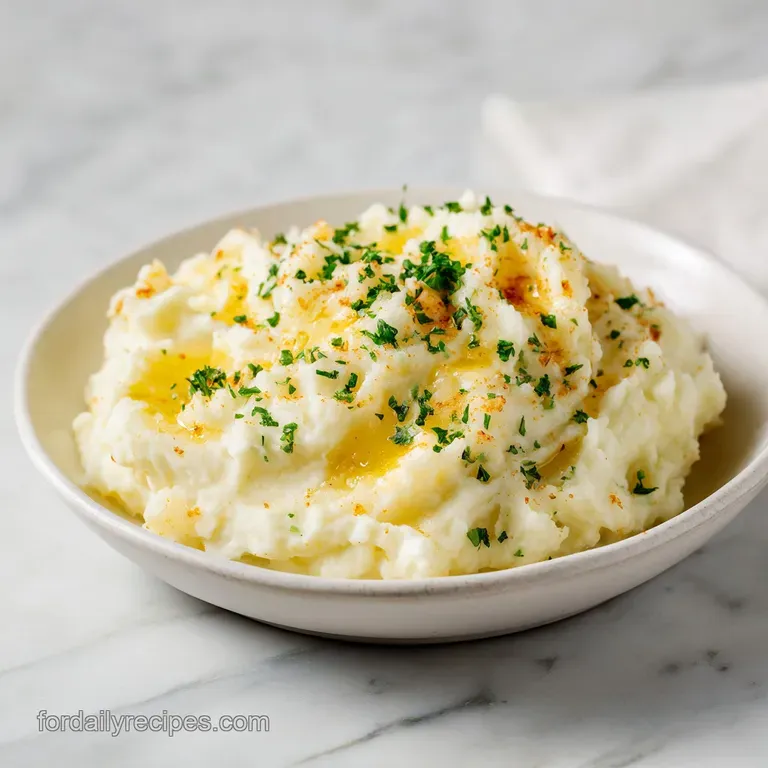
- Place diced Russet and Yukon Gold potatoes along with smashed garlic in a large pot.Note: Mixing the varieties ensures a balanced starch profile from the start.
- Cover with cold water by one inch and add sea salt.Note: Starting with cold water prevents the outside of the cubes from overcooking before the inside is tender.
- Bring to a boil, then reduce to a simmer and cook for 12–15 minutes until fork tender.Cook until the potato easily slides off a paring knife.
- Drain the potatoes thoroughly.Look for all visible liquid to be gone from the colander.
- Return them to the hot pot over low heat for 60 seconds, shaking the pan constantly.Note: This evaporates excess moisture, which is the key to preventing "soupy" spuds.
- Pass the hot potatoes and garlic through a potato ricer into a large bowl.The potatoes should look like thin, fluffy grains of rice.
- Fold in the room temperature butter immediately until fully incorporated.Note: The heat of the potatoes will melt the butter, coating the starch molecules.
- Slowly fold in the warmed milk and Greek yogurt using a spatula.Mix until the streaks of white disappear into the gold base.
- Gradually add the shredded cheddar and Parmesan, stirring until the cheese is melted.Continue until the texture is velvety and the cheese is fully integrated.
- Season with freshly cracked black pepper.Serve immediately while the cheese is at its peak elasticity.
Troubleshooting the Potato Texture
Why Your Spuds Turned Gummy
Gummy potatoes are usually the result of over working the starch. When potatoes are mashed too aggressively or processed in a blender or food processor, the starch cells rupture and release amylose, which creates a sticky, glue like consistency.
To avoid this, always use a ricer or a hand masher and stop as soon as the ingredients are combined. Once the starch has turned into "glue," it cannot be reversed, though you can sometimes mask it by turning the batch into a baked casserole with extra breadcrumbs on top.
If the Cheese Won't Melt
If you find that your cheddar is clumping rather than melting into a velvety sauce, your potatoes may have cooled down too much before the cheese was added. Cheese needs a specific temperature to emulsify with the dairy and starch.
If this happens, you can placed the bowl over a pot of simmering water (a bain marie) and gently fold until the heat recovers and the cheese incorporates. Never put the potatoes back over direct high heat, or the cheese will "break," leaving you with oily puddles and grainy solids.
| Problem | Root Cause | Solution |
|---|---|---|
| Grainy Texture | Cheese was cold or added too fast. | Use room temp cheese and fold in 1/4 cup at a time. |
| Watery Base | Potatoes weren't steam dried. | Increase the 60 second stovetop dry time next time. |
| Bland Flavor | Lack of salt in the boiling water. | Add a pinch of salt at the end, but focus on the water next time. |
During the troubleshooting process, you might find that the flavor is there, but the "look" is off. For a different visual take on a potato side, you might want to look into my Greek Roasted Potatoes which offer a completely different textural experience focusing on crispy edges rather than a velvety interior.
Common Mistakes Checklist
- ✓ Start with cold water to ensure even cooking throughout the potato cube.
- ✓ Do not skip the 60 second steam dry step; moisture is the enemy of a rich cheese melt.
- ✓ Shred your own cheese from a block to avoid the anti clumping agents found in pre shredded bags.
- ✓ Use a ricer instead of a hand mixer to keep the starch cells intact and prevent a gluey finish.
- ✓ Warm your milk before adding it to ensure the temperature of the mash stays high enough to melt the cheddar.
Scaling for Large Heritage Gatherings
When you need to feed a crowd, scaling this recipe is relatively straightforward, but you must be careful with the seasonings and the liquid ratios. For a double batch (12 servings), use 3 lbs of each potato variety.
However, do not simply double the salt in the water; increase it to 1.5 tablespoons rather than 2 to avoid over salting the core of the potato.
When scaling up, the time it takes to bring the large pot of water to a boil will increase significantly. Plan for an extra 10-15 minutes of "passive" time just for the water to reach temp. Plus,, when you get to the ricing step, work in batches.
If you rice 6 lbs of potatoes into one bowl, the bottom layer will lose heat quickly, making it harder to melt the cheese later. Keep the bowl covered with a clean kitchen towel between batches to trap the steam.
For smaller portions (3 servings), you can simply halve everything. Use a smaller saucepan to ensure the potatoes stay submerged in the water. For the egg based adjustments often found in baking, if a recipe called for an egg and you were halving it, you'd whisk it and use half.
Here, we don't have that issue, but you should still be precise with the yogurt and milk measurements to maintain that velvety finish.
Debunking Traditional Potato Myths
One of the most persistent myths is that adding potatoes to already boiling water saves time and creates a better texture. In reality, this causes the outside of the potato to overcook and potentially disintegrate before the inside is even warm, leading to a lumpy, uneven mash. Always start with cold, salted water.
Another common misconception is that "the more you mash, the creamier they get." As we've discussed, the opposite is true. Creaminess comes from the fat content and the starch variety, not the physical labor of mashing. In fact, if you want a lighter, more "airy" profile, you might enjoy comparing this to my Buttermilk Mashed Potatoes which use the acidity of buttermilk to create a much different structural lift than the heavy cheddar used here.
Creative Modern Twists and Substitutions
If you want to deviate from the heritage sharp cheddar path, there are several ways to modernize this dish. For a smoky profile, swap half the white cheddar for a smoked Gouda. The smokiness pairs beautifully with the smashed garlic and adds a layer of complexity that feels very contemporary.
If you are looking for something lighter, you can replace the whole milk with a vegetable broth, though you will lose some of that velvety opacity. To maintain the richness while changing the flavor, a dollop of horseradish or a tablespoon of Dijon mustard folded in at the very end can provide a "sharp" bite that differs from the dairy driven tang of the Greek yogurt.
| Original Ingredient | Substitute | Why It Works |
|---|---|---|
| Sharp White Cheddar | Smoked Gruyère | Adds a deep, campfire like richness. Note: Result will be much saltier. |
| Whole Milk | Heavy Cream | Increases the fat content for a restaurant style finish. |
| Greek Yogurt | Mascarpone | Creates an ultra thick, velvety texture with less acidity. |
Storage Guidelines and Zero Waste
These potatoes will stay fresh in the refrigerator for up to 4 days when kept in a tightly sealed airtight container. The cheese and starch will firm up significantly once cold, turning the velvety mash into a solid block.
This is actually a benefit for zero waste cooking; you can slice the cold leftovers, dredge them in flour, and fry them in butter to create "potato cakes" the next morning.
To reheat, do not use the microwave if possible, as it can cause the dairy to separate and the edges to become rubbery. Instead, place the potatoes in a small saucepan over low heat. Add a splash of milk or a knob of butter and stir constantly until they loosen up and return to their original velvety state.
Freezing: You can freeze these for up to 2 months. The high fat content from the cheddar and butter actually helps protect the potato cells from freezer burn. Thaw in the fridge overnight before reheating on the stovetop.
If the texture seems a bit grainy after thawing, a quick whisk with a tablespoon of warm milk usually brings it back to life.
Selecting the Best Complements
This heritage dish is a powerhouse on its own, but it truly shines when paired with proteins that offer a contrasting texture. Think of a roast chicken with a "shatter crisp" skin or a seared steak with a heavy crust.
The velvety smoothness of the potatoes provides the perfect landing spot for meat juices or a traditional mushroom gravy.
If you are serving this as part of a larger spread, consider the balance of the plate. Since these spuds are quite rich and sharp, a bright, acidic side dish like a vinegar based slaw or roasted green beans with lemon zest can help cut through the dairy.
Avoid serving them alongside other heavy, cheese laden dishes unless it's a holiday feast where decadence is the primary goal. The goal is to let the sharp white cheddar be the star of the starch component without overwhelming the palate.

Recipe FAQs
How to avoid gummy or gluey mashed potatoes?
Use a potato ricer instead of a food processor. Overworking the potatoes ruptures starch cells and releases excess amylose; if you enjoyed mastering this texture control here, see how the same principle of preventing excess starch release applies to our shatter crisp home fries.
Why is it necessary to shake the potatoes in the hot pot after draining?
This step removes excess moisture. Shaking the drained potatoes over low heat for 60 seconds ensures the spuds are dry, which prevents the final mixture from becoming watery once you add the dairy and cheese.
Is it true I should start boiling potatoes in hot water to save time?
No, this is a common misconception. You must start with cold water to ensure the potato cubes cook evenly; adding them to boiling water causes the exterior to overcook and fall apart before the center reaches tenderness.
How to store leftovers?
Keep them in an airtight container in the refrigerator for up to 4 days. Because the cheese and starch firm up significantly, they become ideal for slicing and pan-frying into potato cakes the following day.
Why use both Russet and Yukon Gold potatoes?
Mixing varieties provides a balanced starch profile. Russets offer a fluffy, high starch texture, while Yukon Golds provide a creamy, buttery base that prevents the final mash from feeling too dry or grainy.
How to reheat leftovers without making them rubbery?
Place the potatoes in a small saucepan over low heat. Avoiding the microwave is essential because high intensity heat can cause the dairy to separate and the potato edges to turn rubbery.
How to ensure the cheese melts perfectly into the potatoes?
Fold the shredded cheese into the warm, riced potatoes gradually. Adding the cheese only after the potatoes have been riced and buttered ensures the residual heat melts the cheese into a smooth, velvety consistency without the risk of clumping.
Cheesy Mashed Potatoes
Ingredients:
Instructions:
Nutrition Facts:
| Calories | 357 kcal |
|---|---|
| Protein | 13g |
| Fat | 14g |
| Carbs | 45g |
| Fiber | 3.3g |
| Sugar | 2.5g |
| Sodium | 325mg |
