Champagne Cocktail
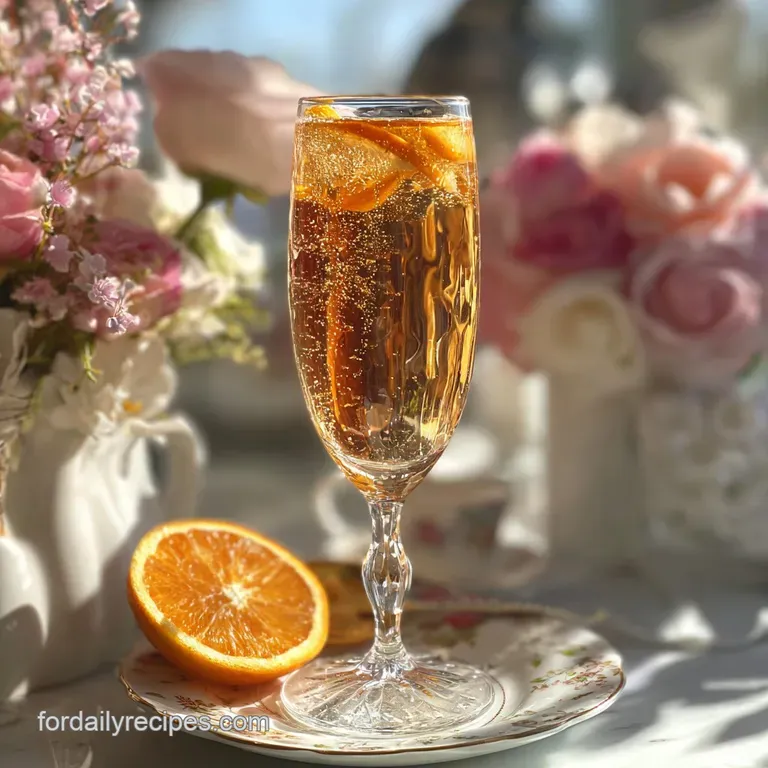
- Time: Active 3 mins, Passive 0 mins, Total 3 mins
- Flavor/Texture Hook: Crisp, effervescent, and aromatic with a velvety spice finish.
- Perfect for: New Year's Eve celebrations, elegant brunches, or sophisticated cocktail hours.
- Sophisticated Flavor Profiles That Work
- Essential Specifications for Hosting
- Selecting Your Premium Ingredients
- Necessary Professional Bar Tools
- Step by Step Mixing Guide
- Avoiding Common Bar Disasters
- Creative Twists and Ingredient Swaps
- Scaling for Large Parties
- Storage and Zero Waste Methods
- Elegant Serving and Enjoyment Tips
- Champagne Cocktail FAQs
- 📝 Recipe Card
Sophisticated Flavor Profiles That Work
The magic of this drink lies in the contrast between the dry acidity of the wine and the deep, woodsy notes of the cognac. When you add the bitters directly to the sugar cube, you're creating a concentrated "flavor bomb" that slowly dissolves.
- Nucleation Point: The rough surface of the sugar cube provides thousands of microscopic sites for CO2 bubbles to form and rise.
- Aromatic Bridge: Angostura bitters contain gentian and spices that bridge the gap between the fruity wine and the earthy brandy.
- Thermal Stability: Chilling the cognac prevents the ice cold champagne from warming up too quickly upon contact.
- Essential Oils: Expressing the lemon peel over the glass releases limonene, which cuts through the richness of the sugar and cognac.
Physics of the Fountain
The "fountain" effect happens because the sugar cube is porous. As the champagne hits the cube, the trapped air and the rough surface trigger a rapid release of carbon dioxide. This creates a steady, mesmerizing pillar of bubbles that carries the scent of the bitters directly to your nose.
Bitters vs Fruit Juice
Unlike a Mimosa which relies on sugar and acid from juice, this cocktail uses bitters to add complexity without masking the wine. The spice profile of the Angostura clove, cinnamon, and bark complements the yeastiness of a good sparkling wine.
It's a much deeper flavor experience than a standard fruit based drink.
The Non Negotiable Lemon
The lemon strip isn't just for looks. The oils in the zest are essential for balancing the drink's weight. Without that bright, citrusy "pop" at the rim of the glass, the cognac and sugar can feel a bit heavy. Trust me on this, skipping the zest is the biggest mistake you can make.
If you're looking for another scotch based classic to add to your repertoire, you should definitely check out my Stonecutter Cocktail recipe for a similar hit of sophistication.
| Wine Type | Finish Style | Best Pairing | Note |
|---|---|---|---|
| Champagne | Toasty/Acidic | Oysters/Caviar | The gold standard for complexity |
| Cava | Earthy/Dry | Tapas/Cheeses | Great budget friendly alternative |
| Prosecco | Floral/Sweet | Fruit/Dessert | Use "Extra Brut" to avoid oversweetening |
Essential Specifications for Hosting
Before you start popping corks, you need to have your logistics sorted. This drink is all about temperature and timing. If your wine is even slightly warm, the bubbles will be aggressive and the flavor will turn sharp. I always keep my cognac in the freezer for at least an hour before I plan on mixing.
| Servings | Sugar Cubes | Cognac Amount | Wine Needed |
|---|---|---|---|
| 1 Person | 1 cube | 0.5 oz | 4 oz |
| 4 People | 4 cubes | 2 oz | 16 oz (about 2/3 bottle) |
| 8 People | 8 cubes | 4 oz | 32 oz (approx 1.5 bottles) |
A standard 750ml bottle of champagne will give you about six of these cocktails. If you're hosting a larger group, it's always better to have an extra bottle on ice. There is nothing worse than running out of bubbles mid toast.
Selecting Your Premium Ingredients
Quality is everything here because there's nowhere for bad ingredients to hide. You don't need a $200 bottle of vintage Krug, but don't buy the "cooking wine" grade stuff either. Look for something labeled "Brut" or "Extra Brut" to ensure the drink doesn't become cloying.
- Champagne (4 oz): Chilled to roughly 45°F. Why this? Provides the structural acidity and carbonation needed.
- Substitute: Cava or a dry American sparkling wine.
- Cognac or Brandy (0.5 oz): Use a VSOP for better depth. Why this? Adds weight, warmth, and notes of dried fruit.
- Substitute: Bourbon for a "Seelbach" style twist.
- White Cane Sugar Cube (1 cube): Standard size (4g). Why this? Dissolves slowly to maintain consistent sweetness.
- Substitute: Half a teaspoon of granulated sugar (won't bubble as well).
- Angostura Bitters (4 dashes): The classic aromatic choice. Why this? Essential for that signature spicy, herbal backbone.
- Substitute: Peychaud’s bitters for a more floral, anise forward profile.
- Lemon Peel (1 strip): Freshly cut with no white pith. Why this? Provides the essential aromatic oils.
- Substitute: Orange peel for a softer, sweeter aroma.
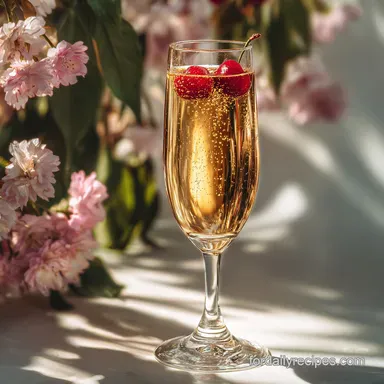
- Maraschino Cherry (1 cherry): Use the high end dark ones. Why this? A classic visual finish and a sweet treat at the end.
- Substitute: A fresh raspberry for a brighter look.
| Component | Science Role | Pro Secret |
|---|---|---|
| Sugar Cube | Nucleation Site | Soak the cube until it's fully saturated before adding wine |
| Angostura | Surfactant Control | More bitters actually stabilize the foam slightly |
| Cognac | Density Modifier | Keep it in the freezer to maintain the wine's chill |
Necessary Professional Bar Tools
You don't need a full chemistry set, but a few specific tools make the process seamless. For instance, using a proper Y peeler for the lemon ensures you get just the zest and none of the bitter white pith. I've ruined many drinks by being lazy with a paring knife.
- Champagne Flute: The tall, narrow shape preserves carbonation.
- Bar Spoon: For a very gentle stir if needed, though the bubbles usually do the work.
- Y Peeler: Essential for those wide, beautiful citrus twists.
- Jigger: Precision matters when you're only using 0.5 oz of cognac.
Chef's Tip: If you don't have a jigger, a standard tablespoon is exactly 0.5 oz. It's a lifesaver when you're making drinks for a crowd and can't find your bar tools.
step-by-step Mixing Guide

Let's crack on with the actual assembly. The order of operations is vital here. If you pour the wine first and then drop the cube, you'll likely have a sticky mess all over your counter.
Preparing the Base
- Saturate the cube. Place one white cane sugar cube on a small plate or directly in the bottom of a chilled flute.
- Apply the bitters. Carefully drop 4 dashes of Angostura Bitters directly onto the cube. Note: You want the cube to be completely soaked and turn a deep mahogany color.
- Add the spirit. Pour 0.5 oz of chilled Cognac or Brandy over the soaked sugar cube.
The Effervescent Finish
- Prepare for the pour. Hold the champagne flute at a slight 45 degree angle.
- Slowly add the wine. Pour 4 oz of chilled Champagne or Sparkling Wine into the glass. Wait for the initial sizzle and foam to subside before filling to the top.
- Watch the fountain. Observe the sugar cube as it begins to release a steady stream of bubbles from the bottom of the glass.
Final Garnishing Touches
- Express the oils. Take your lemon strip and twist it over the glass, skin side down. You should see tiny droplets of oil hitting the surface of the drink.
- Rub the rim. Run the lemon peel around the rim of the glass for an immediate aromatic hit.
- Add the garnish. Drop the lemon twist and one maraschino cherry into the glass. Serve immediately while the bubbles are most active.
Avoiding Common Bar Disasters
The biggest hurdle with a Champagne Cocktail is the "volcano effect." If the wine is too warm or poured too fast onto the sugar, the CO2 releases all at once. It's embarrassing and a waste of good wine.
Managing Overflowing Bubbles
If you see the foam rising too fast, stop pouring immediately. Don't try to "catch" it with your mouth that's a party foul. Just let it settle. This usually happens because the sugar cube has too much surface area or the wine wasn't chilled enough.
Fixing Flat Drinks
If your drink looks still and boring, your wine might be old or the glass might have soap residue. Soap is the enemy of bubbles. Always rinse your flutes with hot water and air dry them or use a lint free microfiber cloth.
| Problem | Root Cause | Solution |
|---|---|---|
| Excessive Foaming | Wine is too warm | Chill bottle to 45°F for at least 3 hours |
| No Fountain Effect | Granulated sugar used | Use a solid cane sugar cube for nucleation |
| Drink is too sweet | Prosecco used with sugar | Switch to a "Brut Nature" or "Extra Brut" wine |
Common Mistakes Checklist ✓ Never use room temperature wine; it will foam over and taste flabby. ✓ Don't skip the bitters on the cube; the "soaked cube" is the heart of the drink. ✓ Avoid "stirring" the drink vigorously; you'll kill the carbonation.
✓ Use fresh lemons only; old fruit has dried out oils that won't spray. ✓ Always pour the cognac BEFORE the wine to ensure they mix naturally.
Creative Twists and Ingredient Swaps
If you want to branch out, there are several ways to tweak this classic without losing its soul. For a more modern vibe, I sometimes swap the cognac for a botanical gin. It changes the drink from "warm and cozy" to "bright and garden fresh."
- The Grand Champagne: Use Grand Marnier instead of Cognac for an orange forward profile.
- The Sazerac Style: Use Peychaud’s bitters and rinse the glass with Absinthe before adding the sugar.
- The Holiday Spice: Use a cinnamon infused simple syrup instead of a sugar cube (though you lose some bubbles).
If you're in the mood for something with a fruity, vibrant punch, my French Martini recipe is another absolute winner for a party.
| Original Ingredient | Substitute | Why It Works |
|---|---|---|
| Cognac | Bourbon (0.5 oz) | Adds vanilla and oak notes. Note: Makes it a "Seelbach" style. |
| White Sugar Cube | Brown Sugar Cube | Adds a deeper, molasses like sweetness to the finish. |
| Lemon Peel | Orange Peel | Provides a softer, citrus aroma that pairs well with brandy. |
Scaling for Large Parties
Making these for twenty people is a different beast than making one for yourself. You don't want to be stuck behind the bar while everyone else is dancing.
- Batch the base: You can prep the sugar cubes in the glasses with the bitters and cognac up to 30 minutes before guests arrive. Cover them with a damp paper towel to keep the sugar from drying out.
- The "Assembly Line": Set out all the prepared glasses on a tray. When it's time to toast, have one person pour the wine while you follow behind with the lemon twists.
- Wine Calculation: For a party of 12, buy 3 bottles of champagne. This allows for a full glass for everyone plus a little extra for "top offs."
For more sparkling inspiration, take a look at this Cocktail to Elevate recipe which focuses on a unique reduction method.
Storage and Zero Waste Methods
Champagne is notoriously difficult to store once opened. If you have leftover wine, don't just leave it on the counter. Use a high-quality sparkling wine stopper (the kind with the little wings that clip onto the bottle neck).
- Fridge: A stopped bottle will stay bubbly for about 24 hours. After that, it's better for cooking.
- Zero Waste Bitters: If you have "bitters soaked" sugar at the bottom of a glass, don't just wash it away. You can actually use those leftovers to macerate berries for a dessert topping.
- Citrus Scraps: Don't toss the rest of that lemon! Slice it up and freeze the wheels for water or tea later in the week.
Elegant Serving and Enjoyment Tips
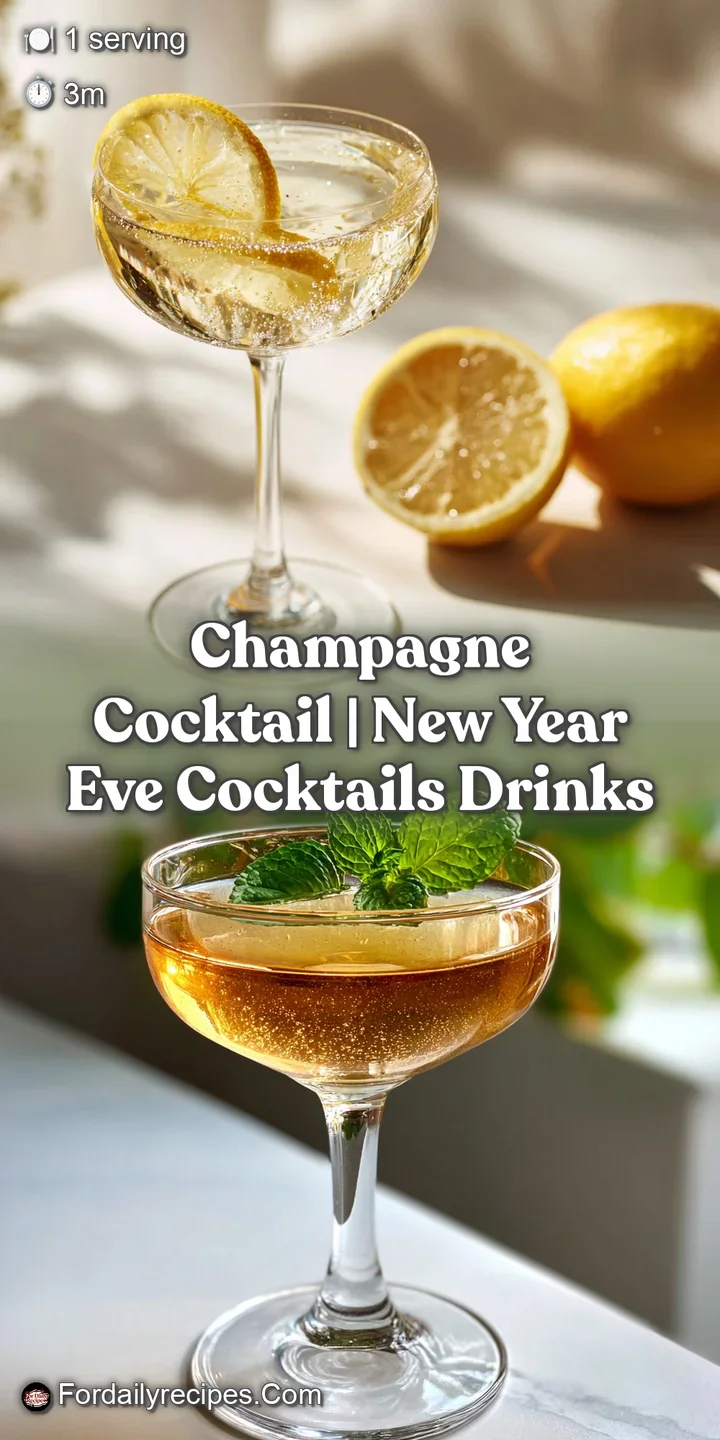
The presentation is half the fun with this drink. I always chill my glasses in the freezer for ten minutes before serving. A frosted glass holding a golden, bubbling liquid is the height of holiday glamour.
- The Cherry Placement: Drop the cherry in last. It should sink through the bubbles and rest at the bottom, slowly soaking up the cognac and bitters. It's the best "snack" at the end of the drink.
- Napkin Service: Because the glass is chilled, it will sweat. Provide a linen cocktail napkin to keep your guests' hands dry.
- Glassware Choice: While a flute is traditional, a vintage coupe glass looks stunning. Just be aware that the bubbles will dissipate faster in a wide coupe.
Bubbles and Metal Spoons
You might have heard the old trick of putting a silver spoon in the neck of a champagne bottle to keep it bubbly. Honestly, it doesn't work. The only thing that keeps bubbles in the bottle is cold temperatures and a proper seal. Invest in a real champagne stopper; it's worth the five dollars.
Sugar and Hangovers
People often think champagne cocktails cause worse hangovers because of the sugar. While sugar can speed up alcohol absorption, the real culprit is usually dehydration. Drink a glass of water for every cocktail, and you'll feel much better the next morning.
Right then, you're ready to ring in the new year like a pro. This cocktail is a masterclass in balance sweet, bitter, cold, and sparkling. It is simple enough to make at home but elegant enough for the fanciest ballroom. Grab your best bottle, find some sugar cubes, and let the fountain begin. Cheers!
Champagne Cocktail FAQs
What is the base spirit in a classic Champagne Cocktail?
Cognac is the traditional spirit. While brandy is a suitable substitute, Cognac provides a nuanced depth that complements the sparkling wine beautifully.
Can I use granulated sugar instead of a sugar cube?
No, stick with sugar cubes for the best results. Granulated sugar dissolves too quickly and won't create the signature "fountain" effect.
How do I prevent the Champagne Cocktail from overflowing?
Pour the sparkling wine slowly and at an angle. Ensure the wine is well chilled and wait for the initial foam from the sugar cube to subside before topping up the glass.
What kind of sparkling wine is best for a Champagne Cocktail?
Dry sparkling wines like Champagne, Cava, or Extra Brut Prosecco work best. Sweeter wines can make the cocktail too cloying, especially with the sugar cube.
Can I make a non-alcoholic version of the Champagne Cocktail?
Yes, use a quality non-alcoholic sparkling wine or sparkling cider. Omit the cognac and consider adding a splash of non-alcoholic spirit or a few extra dashes of bitters for complexity.
What is the purpose of expressing the lemon peel?
The lemon peel releases essential oils that balance the drink's sweetness and add aroma. This quick twist over the glass provides a bright, aromatic finish that cuts through the richness.
How should I chill the ingredients for optimal flavor?
Chill your sparkling wine to around 45°F (7°C) and the cognac in the freezer for at least an hour. Keeping the components cold prevents the wine from warming up too quickly and dulling the effervescence, much like keeping your ingredients cool for our Orange Crush Recipe: Bright & Fizzy Cocktail Made Simple.
Champagne Cocktail
Ingredients:
Instructions:
Nutrition Facts:
| Calories | 155 kcal |
|---|---|
| Protein | 0.1 g |
| Fat | 0 g |
| Carbs | 7.6 g |
| Fiber | 0.1 g |
| Sugar | 7.1 g |
| Sodium | 6 mg |
