Airy Vegan Donuts Recipe
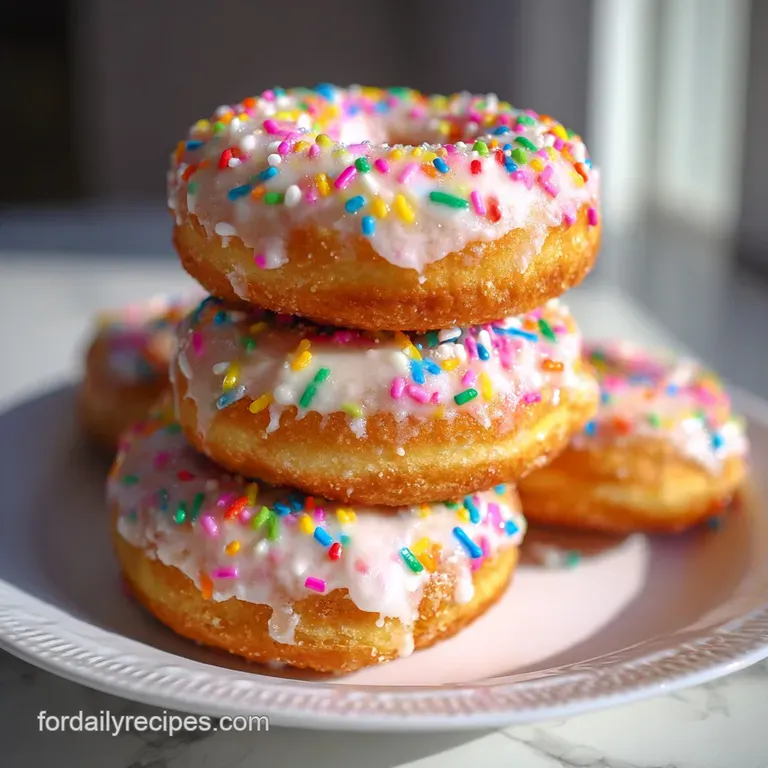
- Time: Active 20 mins, Passive 1 hours 10 mins, Total 1 hours 30 mins
- Flavor/Texture Hook: Airy, cloud like crumb with a high shine vanilla glaze
- Perfect for: Weekend brunch, birthday celebrations, or a wholesome afternoon treat
- Essential Specs for Success
- Component Analysis: The Dough Foundations
- Plant Forward Essentials and Clever Swaps
- Tools for a Professional Finish
- Step-by-Step Culinary Execution
- Solving Common Baking Obstacles
- Flavor Profiles and Strategic Substitutions
- Storage Wisdom and Waste Reduction
- Flavor Pairings and Morning Combinations
- Decision Shortcut: Choosing Your Style
- Recipe FAQs
- 📝 Recipe Card
Essential Specs for Success
The magic of this bake lies in the slow fermentation and the specific protein structure of the milk we use. While many people think vegan baking is just about replacing eggs, it’s actually about understanding how plant fats and sugars interact to create that iconic "yeasty" lift.
The Architecture of the Yeast Balloon: The agave nectar provides immediate glucose for the yeast to consume, creating carbon dioxide bubbles that are then trapped by the gluten network. This expansion is what gives us that light as-air feel instead of a dense, bread like donut.
| Method | Total Time | Texture | Best For |
|---|---|---|---|
| Oven Baked | 1 hours 30 mins | Soft and pillowy | Health conscious mornings |
| air-fried | 1 hours 15 mins | Crispy, golden exterior | Quick, crunchy cravings |
| Traditional Fry | 1 hours 10 mins | Rich and indulgent | Authentic bakery experience |
Choosing your method depends on the mood. The oven baked version is my personal favorite because it stays moist for longer, whereas air frying gives you a more immediate "crunch" but can dry out faster. If you find yourself craving something more substantial after a morning bake, you might enjoy the heartiness of a White Bean Soup Recipe for lunch to balance out the sweetness.
Component Analysis: The Dough Foundations
Understanding the "why" behind your ingredients ensures you never end up with a hockey puck. We are looking for specific reactions between the fats and the leavening agents.
| Ingredient | Science Role | Pro Secret |
|---|---|---|
| Unsweetened Soy Milk | Protein source | Use soy specifically; its protein content mimics dairy milk for better structure. |
| Active Dry Yeast | Leavening | Ensure your milk is exactly 110°F to wake it up without killing it. |
| Vegan Butter | Tenderness | Cold melted butter creates a tighter, more "cake like" crumb in the dough. |
| Agave Nectar | Yeast Fuel | Agave dissolves faster than sugar, giving the yeast a quicker "kickstart." |
Chef Tip: For an extra boost of flavor, I always add a tiny pinch of nutmeg to the dry flour. It’s that "secret" donut shop smell that makes everyone ask what your hidden ingredient is.
Plant Forward Essentials and Clever Swaps
To get the best results, use the exact quantities from the list below. I’ve tested these with various alternatives, and while some work, they do change the final "vibe" of the donut.
- 1 cup (240ml) unsweetened soy milk: Why this? Highest protein content of all plant milks for structural integrity.
- Substitute: Oat milk (full fat). It adds a slight sweetness but less "chew."
- 2 1/4 tsp (7g) active dry yeast: Why this? Provides that classic fermented aroma and height.
- Substitute: Instant yeast (use 2 tsp). No need to bloom in milk first.
- 1 tbsp (15ml) agave nectar: Why this? Pure liquid sugar for rapid yeast activation.
- Substitute: Maple syrup. Adds a woody depth but slightly more moisture.
- 3 1/4 cups (400g) all purpose flour: Why this? Balanced protein for a soft but sturdy shape.
- Substitute: White bread flour. Results in a chewier, more "bread like" donut.
- 1/4 cup (50g) organic cane sugar: Why this? Fine crystals that dissolve evenly into the dough.
- Substitute: Coconut sugar. Note: This will turn your dough a dark caramel color.
- 1 tsp sea salt: Why this? Sharpens the sweetness and strengthens gluten strands.
- 1/3 cup (75g) vegan butter, melted and cooled: Why this? Coats flour particles to keep the crumb tender.
- 1 tsp pure vanilla extract: Why this? Foundational aromatic for the dough base.
- 2 cups (240g) powdered sugar, sifted: Why this? Essential for a smooth, lump free glaze.
- 3 tbsp (45ml) oat milk: Why this? Neutral liquid to thin the glaze without adding soy flavor.
- 1 tsp vanilla paste: Why this? Those tiny black flecks signal a high-quality, professional finish.
If you are looking for a quicker, no bake protein fix during the week, my Peanut Protein Balls recipe uses many of these same pantry staples like agave and vanilla.
Tools for a Professional Finish
You don't need a professional bakery setup, but a few specific items make the process much smoother. I used to try cutting circles with a drinking glass, but a proper cutter makes a world of difference.
- Large mixing bowl: Plenty of room for the dough to double in size.
- Digital thermometer: To ensure your milk is between 105-110°F.
- Donut cutter (3 inch): Or two concentric circular cutters.
- Baking sheets and parchment paper: To prevent sticking without using extra oil.
- Wire cooling rack: Essential for letting the glaze set without the bottom getting soggy.
step-by-step Culinary Execution
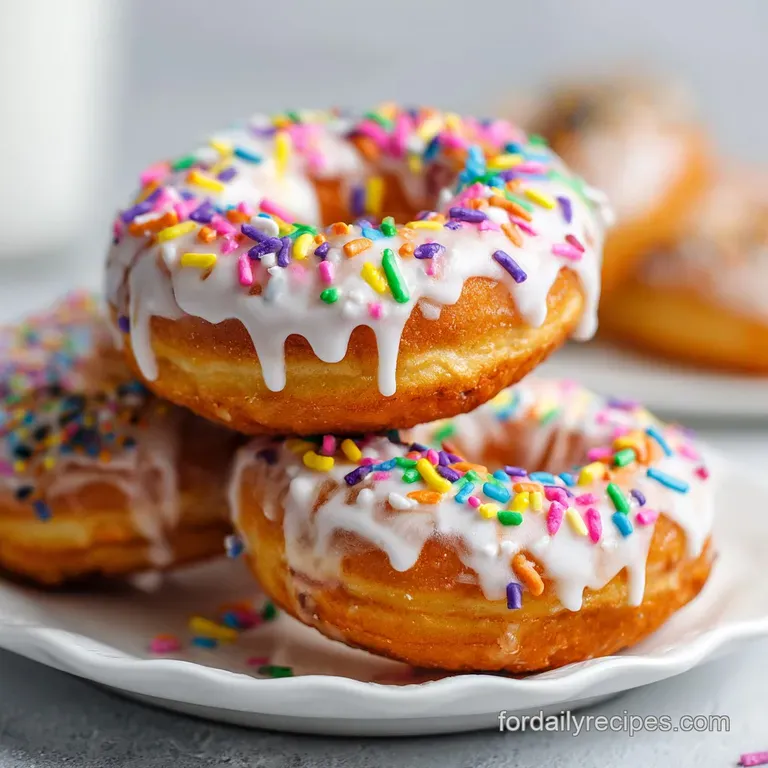
This is a plan based execution. Follow the timeline to ensure your yeast is happy and your dough is handled with care.
Phase 1: Activating Lift
Warm the 1 cup unsweetened soy milk to exactly 110°F. Whisk in the 1 tbsp agave nectar and sprinkle the 2 1/4 tsp active dry yeast over the top. Note: Let it sit for 5-10 mins until it looks like a frothy, bubbly cap has formed.
Phase 2: Mixing the Pillowy Dough
In a large bowl, whisk together 3 1/4 cups all purpose flour, 1/4 cup cane sugar, and 1 tsp sea salt. Pour in the yeast mixture, the 1/3 cup cooled melted vegan butter, and 1 tsp vanilla extract. Stir until a shaggy, sticky dough forms and no dry flour streaks remain.
Phase 3: Kneading Perfection
Turn the dough onto a lightly floured surface. Knead by hand for about 8 minutes until the surface is silky, smooth, and bounces back when poked. Note: Avoid adding too much extra flour; a slightly tacky dough makes a softer donut.
Phase 4: The Initial Proof
Place the dough in a lightly greased bowl and cover with a warm, damp cloth. Leave it in a draft free spot for 1 hour until it has clearly doubled in size. This is where the flavor develops!
Phase 5: Shape and Bake
Roll the dough out to 1/2 inch thickness. Cut out 12 donuts using your cutter. Place them on a parchment lined sheet, cover, and let them rise again for 20 minutes until they look puffy and delicate.
Bake at 350°F for 10 minutes until the bottoms are just barely golden.
Phase 6: Final Glazing
While the donuts cool slightly, whisk 2 cups powdered sugar, 3 tbsp oat milk, and 1 tsp vanilla paste. Dip each warm donut into the glaze until the top is completely submerged and shimmering. Place on a wire rack so the excess drips off, leaving a velvety finish.
Solving Common Baking Obstacles
Even with the best intentions, yeast can be a fickle friend. If things don't look right, it's usually a temperature or hydration issue.
Managing Unresponsive Dough
If your dough isn't rising after an hour, your environment might be too cold or your yeast might have been expired. Try moving the bowl into a turned off oven with a pan of boiling water on the rack below it. The steam creates a perfect proofing chamber.
Avoiding a Rubbery Texture
A rubbery donut usually comes from over kneading or adding too much flour. When the gluten is over developed, it becomes tough rather than airy. Stick to the 8 minute kneading rule and keep the dough as hydrated as possible.
| Problem | Root Cause | Solution |
|---|---|---|
| Donuts are dense | Under proofing | Let them rise longer in the second stage until they feel "full of air." |
| Glaze is translucent | Too much liquid | Add powdered sugar 1 tbsp at a time until it coats a spoon thickly. |
| Dough is too sticky | High humidity | Dust your hands with flour, but don't dump flour into the dough bowl. |
Common Mistakes Checklist:
- ✓ Always check the expiration date on your yeast packet before starting.
- ✓ Never use hot milk (over 120°F) or you will scald the yeast.
- ✓ Ensure the vegan butter is cooled; hot fat can also kill the leavening agent.
- ✓ Don't skip the second rise after cutting it’s the secret to the height.
- ✓ Sift your powdered sugar to avoid "white dots" in your beautiful glaze.
Flavor Profiles and Strategic Substitutions
Once you've mastered the base, you can play with the flavors. A simple change in the glaze or the dough spices can completely transform the experience.
Rich Vegan Chocolate Variations
Replace 1/4 cup of the flour with high-quality cocoa powder in the dough. For the glaze, whisk in 2 tbsp of cocoa powder and an extra splash of oat milk. This creates a deep, dark treat that feels much more sophisticated than a standard sugar donut.
Healthy Oil Free Tweaks
If you want to skip the vegan butter, you can use 1/3 cup of unsweetened applesauce. Note: This will make the donut denser and more "muffin like," but it keeps the recipe completely oil free. It’s a trade off between the traditional crumb and nutritional goals.
| Original Ingredient | Substitute | Why It Works |
|---|---|---|
| Vegan Butter | Refined Coconut Oil | Provides similar fat structure. Note: Must be refined or it adds a coconut flavor. |
| Cane Sugar | Monk Fruit Sweetener | 1:1 swap for lower glycemic index. Note: Can leave a slight cooling aftertaste. |
| Soy Milk | Almond Milk | Works well for flavor. Note: Slightly less rise due to lower protein levels. |
For those looking for a savory contrast to these sweet treats, a quick batch of my Hummus Recipe in20 minutes is a great way to prep for the week while your dough is rising.
Storage Wisdom and Waste Reduction
Baked donuts are best eaten the day they are made, but you can certainly save them for later if you follow a few rules.
- Fridge: Store in an airtight container for up to 3 days. To revive, microwave for 10 seconds to soften the crumb.
- Freezer: These freeze surprisingly well! Freeze them unglazed for up to 2 months. Thaw at room temp and then apply fresh glaze.
- Zero Waste Tip: Don't throw away the "holes" from the center! Bake them right alongside the donuts for 7-8 minutes for a quick snack. If you have stale donuts, chop them up and use them as a base for a vegan bread pudding.
Flavor Pairings and Morning Combinations
The Sunday Morning Classic consists of a warm donut and a strong cup of black coffee. The acidity of the coffee cuts right through the sweet vanilla glaze, creating a perfect balance.
The Ultimate Dessert Spread
If you're serving these for guests, I love putting out a "topping bar." Provide the glazed donuts and small bowls of crushed pistachios, dried rose petals, or even some flaky sea salt. It allows everyone to customize their treat and makes the whole experience feel like a professional pastry shop.
Chef Tip: For a "high shine" glaze that looks like it came from a magazine, dip the donuts while they are still slightly warm. This allows the first layer of glaze to soak in, then you can do a second dip once they’ve cooled completely for a thick, opaque finish.
Decision Shortcut: Choosing Your Style
- If you want a classic bakery look, use the vanilla paste for those beautiful black specks in the glaze.
- If you want a "fried" feel without the oil, brush the tops with a little extra melted vegan butter halfway through baking.
- If you are short on time, use instant yeast and skip the first 10 minute bloom step just mix it right into the flour.
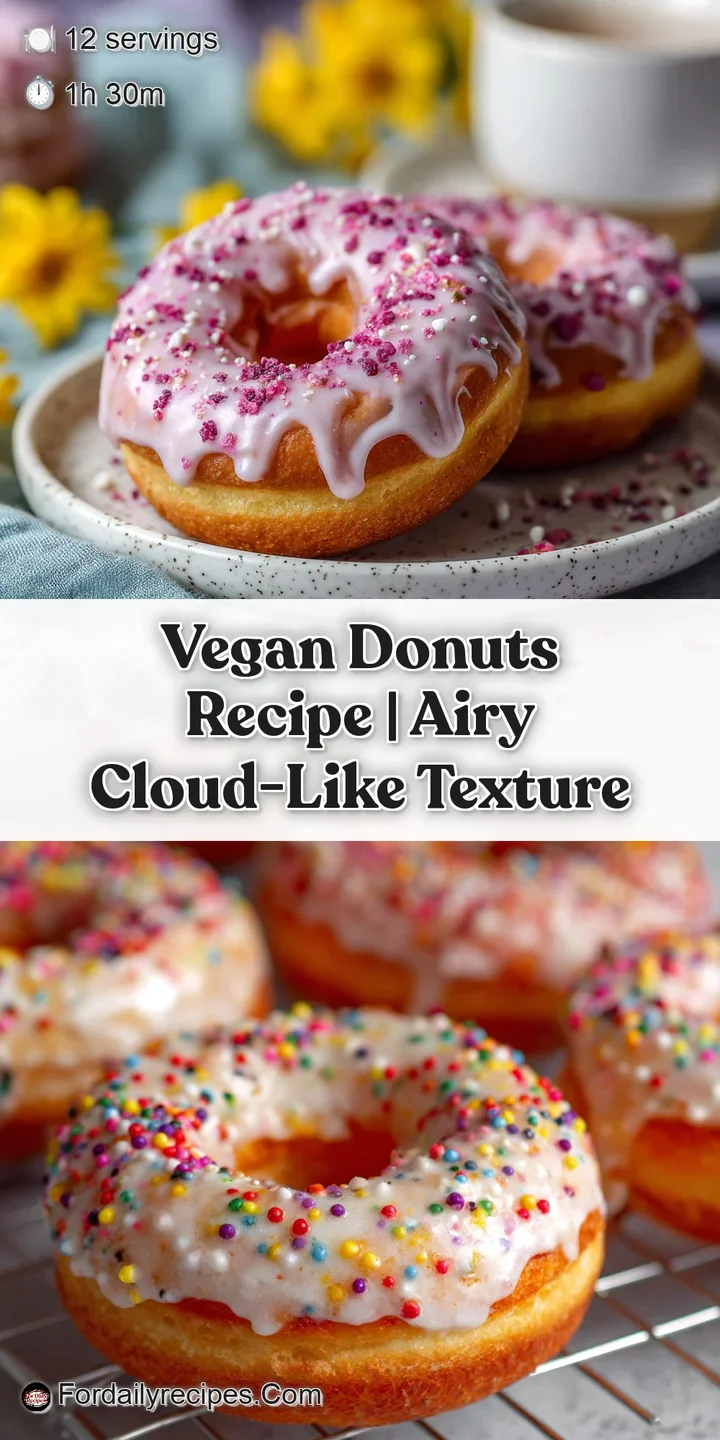
Recipe FAQs
What makes a vegan donut?
No eggs, dairy, or honey are used. Vegan donuts rely on plant based milk like soy or oat, vegan butter substitutes, and leavening agents like yeast or baking powder to achieve lift and tenderness.
What flour is best for vegan donuts?
All-purpose flour provides the best balance of structure and softness. While bread flour creates a chewier, bread like texture, AP flour supports the airy crumb we want, similar to the structure control needed in Sugar Cookies: The Ultimate Roll and-Cut Classic Recipe.
Does Krispy Kreme have any vegan doughnuts?
Currently, generally no, they do not offer a standard vegan option. Their classic Original Glazed recipe contains egg and dairy ingredients, so always check with your local franchise for limited time vegan offerings.
Does Dunkin donuts have any vegan donuts?
No, Dunkin does not currently list any dedicated vegan donuts. Most of their standard donut varieties contain egg or dairy derivatives in the dough or glaze, so you should stick to their bagels or hash browns for confirmed vegan options.
How to ensure my vegan donut dough is proofing correctly?
Check your temperature and time the rise accurately. The environment must be warm, ideally between 75°F and 80°F, for the yeast to activate effectively and produce the airy bubbles.
Can I substitute the soy milk for almond milk in this recipe?
Yes, but expect a slightly less structured rise. Soy milk has higher protein content, which helps create a stronger gluten framework, much like how we balance the structure in a Sweet Cornbread Recipe: Cast Iron Crispy by adjusting liquids.
Is it true that vegan donuts always taste too bready or cakey?
No, this is a common misconception when using improper fat ratios or over kneading. A properly made vegan donut should be light and tender; the key is using melted, cooled vegan butter to keep the crumb delicate, not dense like bread.
Airy Vegan Donuts Recipe
Ingredients:
Instructions:
Nutrition Facts:
| Calories | 278 kcal |
|---|---|
| Protein | 4.2 g |
| Fat | 5.5 g |
| Carbs | 52 g |
| Fiber | 1.3 g |
| Sugar | 26 g |
| Sodium | 210 mg |
