Traditional Harissa Paste Recipe
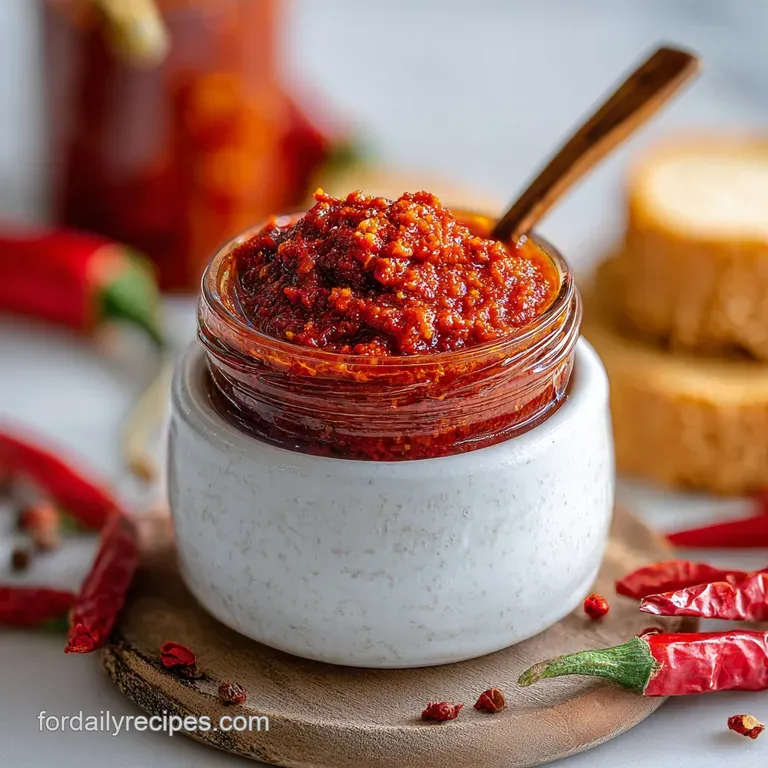
- Time: Active 15 minutes, Passive 5 minutes, Total 20 minutes
- Flavor/Texture Hook: A velvety, smoky sweet concentrate with a creeping, sun drenched heat.
- Perfect for: Bold meal prep, marinating proteins, or swirling into creamy dips.
- The Secret to Making Authentic Harissa Paste
- Core Details and Preparation Times
- Essential Ingredients for Deep Flavor
- Recommended Kitchen Tools and Gear
- Step By Step Blending Process
- Avoiding Common Kitchen Mistakes
- Simple Ways to Swap Ingredients
- Proper Storage and Freezing Methods
- Serving Suggestions and Food Pairings
- Recipe FAQs
- 📝 Recipe Card
The Secret to Making Authentic Harissa Paste
The first time I really encountered the soul of this condiment wasn't in a jar from a gourmet shop. I was standing in a sun baked courtyard, and the air was thick with the scent of toasted cumin and coriander seeds hitting a heavy stone mortar.
It was a smell that felt like it had weight, like you could lean against it. My friend’s grandmother was rhythmically crushing dried peppers that had been softened in warm water, and as the olive oil cascaded in, the mixture transformed from a gritty heap into a glossy, crimson sludge that stained the wood of her pestle forever.
That experience taught me that real flavor isn't just about heat; it’s about the landscape of the spices. Most store-bought versions are sharp with vinegar and flat on the palate, but when you make it yourself, you control the smoke, the sweetness, and that slow burn finish.
We aren't just making a sauce here; we’re creating a base that transcends borders and makes even a simple bowl of roasted vegetables feel like a weekend feast. Trust me, once you see that deep red oil separate and pool at the edges of your jar, you’ll never go back to the mass produced stuff.
We are going to take the long road with the flavors but the short road with the effort. By using a mix of dried chilies for depth and roasted bell peppers for body, we create a texture that is simultaneously rugged and velvety.
It is a bold, adventurous addition to your kitchen arsenal that turns ordinary ingredients into something extraordinary. Let's get into the mechanics of why this specific blend hits so differently.
The Physics of the Spice Bloom
Fat Soluble Extraction: Many of the aromatic compounds in cumin and coriander are oil soluble, meaning they only release their full potential when heated in fat or ground while warm. By toasting whole seeds, we vibrate those essential oils to the surface for a more intense olfactory experience.
Core Details and Preparation Times
Before we start tossing peppers into the blender, let's look at the logistics of this batch. We are aiming for a concentrated paste that lasts, so we aren't watering it down with unnecessary liquids. This is a punchy, high impact condiment where a little goes a long way.
| Method | Total Time | Texture | Flavor Profile |
|---|---|---|---|
| Classic Soaked | 20 minutes | Velvety/Smooth | Deep, earth driven, smoky |
| Pantry Shortcut | 8 minutes | Gritty/Coarse | Bright, acidic, sharp |
| Roasted Fresh | 45 minutes | Chunky/Saucy | Sweet, fruity, mild |
The reason we lean into the classic soaked method is all about the "snap." When you rehydrate dried Guajillo chilies, they lose their brittle nature and become pliable, allowing the blades to shear through the skin into a silk like consistency.
If you try to skip the soak, you'll end up with "chili dust" suspended in oil, which feels sandy on the tongue.
Essential Ingredients for Deep Flavor
Selecting the right chilies is like choosing the instruments for an orchestra. We want a base of mild, smoky fruitiness, topped with a few sharp notes of pure heat. This balance is what makes a Moroccan harissa recipe feel authentic rather than just spicy.
| Ingredient | Science Role | Pro Secret |
|---|---|---|
| Dried Guajillo | Bulk and Body | These provide the "leather and tea" notes without overwhelming heat. |
| Whole Cumin | Aromatic Anchor | Toasted whole seeds stay fresher longer than pre ground powder. |
| Extra Virgin Olive Oil | Preservation Emulsion | Acts as a barrier against oxygen, keeping the paste vibrant for weeks. |
You'll notice we are using roasted red bell peppers here. They serve as the "glue" for the paste. Without them, the mixture can feel a bit separated and harsh. The natural sugars in the bell peppers caramelize during the roasting process, providing a necessary counterpoint to the acidity of the lemon juice and apple cider vinegar.
To Unlock Volatile Aromatics
Don't just throw your spices into the blender cold. If you take three minutes to swirl the cumin, coriander, and caraway in a dry pan until they start to dance and smoke, you are literally changing the molecular structure of the oils.
This "blooming" phase ensures the flavor doesn't just sit on top of the tongue but lingers in the back of the throat.
Recommended Kitchen Tools and Gear
You don't need a professional kitchen to make this, but a few specific tools will make the process much smoother. While a mortar and pestle is traditional and provides a beautiful, irregular texture, a high speed blender or a small food processor is the modern way to achieve that professional, velvety finish.
- Cast Iron Skillet: For the spice toast. Cast iron holds heat evenly, preventing the seeds from scorching.
- High Speed Blender: Necessary to pulverize the chili skins into a smooth paste.
- Fine Mesh Strainer: If you really want a "boutique" finish, you can push the paste through a sieve to remove every last seed fragment.
- Glass Mason Jars: For storage. The oils in harissa will permanently stain plastic containers a bright orange.
Chef's Tip: Use a pair of kitchen shears to de stem and de seed the dried chilies before soaking. It’s significantly faster and keeps the capsaicin off your fingertips. Also, if you want a truly deep flavor, use a bit of the chili soaking liquid to thin the paste instead of plain water.
step-by-step Blending Process
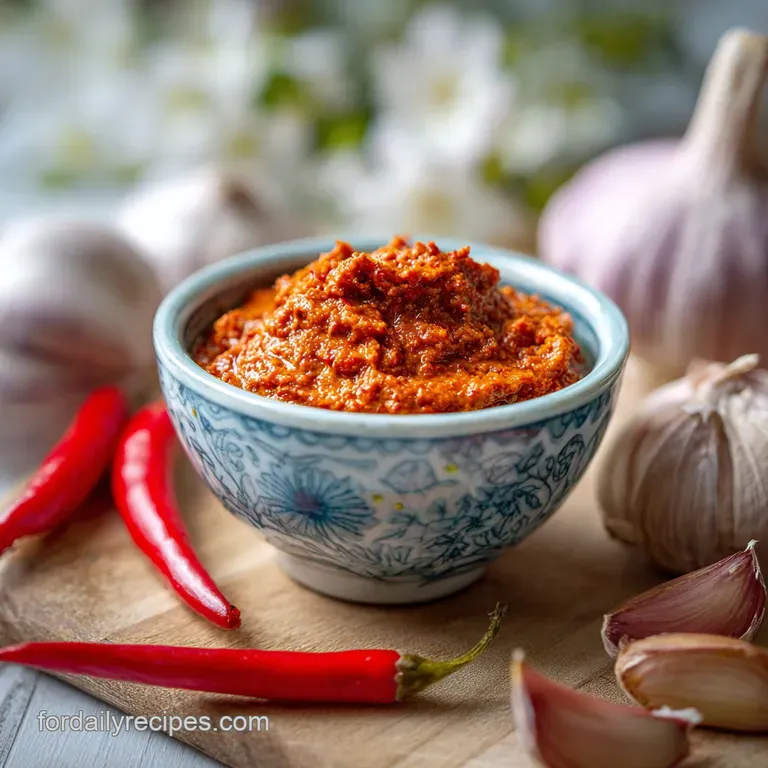
Now we get to the fun part. Making your own Harissa Paste at home is a sensory experience the sound of the seeds crackling, the steam from the chilies, and the eventual vibrant red transformation.
- Prep the chilies. Remove stems and seeds from 11 large dried Guajillo and 4 De Arbol chilies. Note: De seeding controls the heat while the skins provide the color.
- Rehydrate the base. Place chilies in a bowl of boiling water for 15 minutes until soft and pliable.
- Toast the seeds. Swirl 2 tsp cumin, 2 tsp coriander, and 1 tsp caraway in a dry pan for 3 minutes until fragrant and slightly darkened.
- Grind the aromatics. Pulse the toasted seeds in a spice grinder or mortar until they become a coarse powder.
- Clean the peppers. Pat the 2 roasted red bell peppers dry. Note: Excess moisture will make the paste watery rather than thick.
- Combine ingredients. Add softened chilies, roasted peppers, ground spices, 1 tsp smoked paprika, 1.5 tsp salt, and 5 garlic cloves to the blender.
- Add the liquids. Pour in 2 tbsp tomato paste, 3 tbsp lemon juice, and 1 tbsp apple cider vinegar.
- The first blend. Pulse on low speed until a thick, chunky mash forms.
- Emulsify the oil. With the motor running, slowly stream in 0.5 cup extra virgin olive oil until the paste becomes glossy and smooth.
- The finish. Taste and adjust salt or lemon if needed, then transfer to a clean jar.
For a Velvety Finish
If you find the paste is still a bit grainy, let it sit for ten minutes after the first blend. This allows the fiber in the chili skins to fully hydrate, making them easier to pulverize during a final high speed whiz.
Avoiding Common Kitchen Mistakes
When learning how to make Harissa paste from scratch, the biggest hurdle is usually the balance between acidity and heat. It’s easy to end up with something that just tastes "hot" without any soul. Usually, a lack of salt or acid is the culprit, not a lack of peppers.
| Problem | Root Cause | Solution |
|---|---|---|
| Bitter Aftertaste | Burnt spices or garlic | Toast seeds on lower heat; add garlic at the very end. |
| Separated Paste | Oil added too fast | Stream oil in slowly while the blender is running to emulsify. |
| Too Much Heat | De Arbol seeds left in | Strain the paste or use fewer small chilies next time. |
A common mistake is using old, dusty spices from the back of the pantry. If your cumin seeds don't smell like anything when you open the jar, they won't taste like anything in the paste. Always start with fresh, whole seeds for this recipe.
- ✓ Always wear gloves when handling the dried De Arbol chilies to avoid "jalapeño hand."
- ✓ Toast your spices only until they smell "nutty" any darker and they turn bitter.
- ✓ Pat the rehydrated chilies dry before blending to prevent a "broken" emulsion.
- ✓ Use a neutral tasting extra virgin olive oil so it doesn't overpower the spices.
- ✓ Let the paste rest in the fridge for 24 hours before your first big use; the flavors need time to marry.
Simple Ways to Swap Ingredients
Sometimes you can't find specific dried chilies, or you want to lean into a different regional style. While a traditional harissa recipe is fairly specific, there is room for some creative license depending on what’s in your cupboard.
| Original Ingredient | Substitute | Why It Works |
|---|---|---|
| Guajillo Chilies | Ancho Chilies | Similar mild heat but adds a darker, raisin like sweetness. |
| Apple Cider Vinegar | Red Wine Vinegar | Maintains the necessary acidity but offers a slightly sharper "bite." |
| Caraway Seeds | Fennel Seeds | Note: Adds a sweeter, anise like note; common in some regional variations. |
If you are looking for a smoky Moroccan harissa recipe variation, try adding a tiny pinch of cinnamon or even a teaspoon of rose water. This leans into the more floral, complex profiles found in Marrakech markets. For those who want to use this as a quick shortcut, it works beautifully as a Chicken Thigh Marinade recipe base just whisk a tablespoon of the paste with some extra lemon and honey.
Proper Storage and Freezing Methods
Because we’ve used a healthy amount of olive oil and acid, this paste is quite stable. However, to keep it from oxidizing and losing its brilliant red color, you need to use the "oil seal" trick.
After filling your jar, use the back of a spoon to level the top of the paste, then pour a thin layer of olive oil over the surface. This creates an airtight barrier that prevents mold.
Storage: Keep in the fridge for up to 3 weeks. Every time you use some, make sure to top it back off with a fresh layer of oil.
Freezing: This paste freezes exceptionally well. I like to spoon it into silicone ice cube trays. Once frozen, pop the "harissa cubes" into a freezer bag. They’ll stay fresh for up to 6 months. You can drop a frozen cube directly into a hot stew or soup for an instant flavor boost.
Zero Waste: Don't toss the chili soaking water! It’s packed with flavor. Use it as the base for a spicy rice dish or add a splash to your next batch of vegetable stock.
Serving Suggestions and Food Pairings
The beauty of this Harissa Paste is its versatility. It’s not just a condiment; it’s an ingredient. It transcends being a simple "hot sauce" and acts more like a concentrated flavor bouillon.
If you're looking for Weeknight Recipes Inspo, try tossing cauliflower florets and chickpeas in a mix of harissa and maple syrup before roasting. The sugars in the syrup help the paste caramelize into a sticky, spicy glaze that is absolutely addictive. It's also the secret weapon for a quick brunch swirl a teaspoon into some Greek yogurt and top it with poached eggs and a sprinkle of dukkah.
For the Ultimate Weeknight Roast
Smear a generous tablespoon of the paste under the skin of a whole chicken before roasting. As the fat renders, it carries the smoky chili and caraway flavors deep into the meat, resulting in a bird that is incredibly moist and aromatically complex.
Debunking Kitchen Myths
One common misconception is that harissa must be "blow your head off" spicy. In reality, the best pastes focus on the fruity, floral notes of the peppers. Another myth is that you can just use chili powder as a shortcut.
While it works in a pinch, you lose the essential oils and the "chewy" texture that comes from rehydrating whole chilies. The difference is like comparing a fresh espresso to a cup of instant coffee.
Making your own paste at home is one of those small kitchen projects that yields massive rewards. It’s an adventurous step toward mastering global flavors, and once you have a jar of this crimson gold in your fridge, your cooking will never be the same. Right then, let's get those spices toasting!
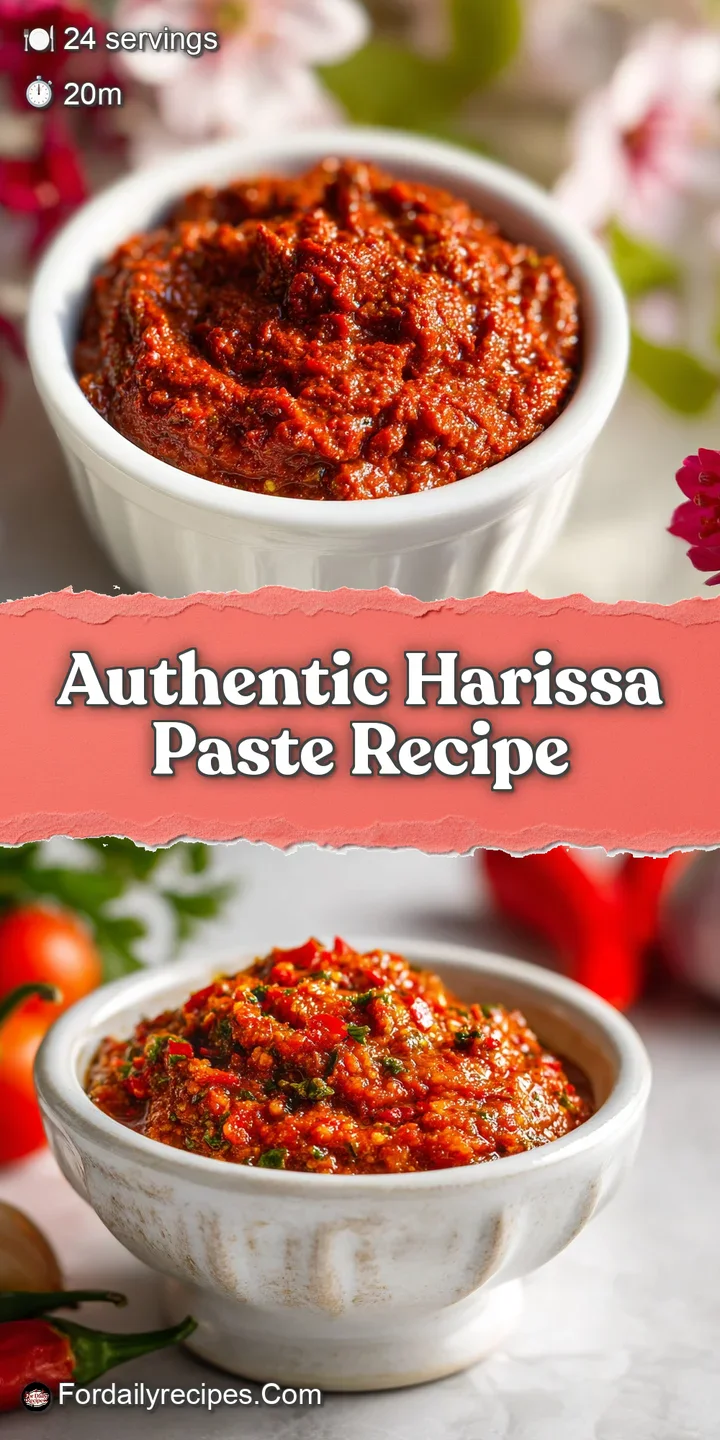
Recipe FAQs
How do you make your own harissa paste?
Toast spices, rehydrate dried chilies, and blend everything smoothly. Start by dry toasting whole cumin, coriander, and caraway until fragrant, then grind them coarsely. Soak dried chilies in hot water until pliable, then blend them with roasted red peppers, garlic, lemon juice, and the ground spices.
Slowly stream in olive oil while blending until you achieve a glossy, velvety consistency.
What are the main ingredients in harissa?
The core components are smoked dried chilies, roasted bell peppers, and toasted aromatic spices. Commonly used chilies include Guajillo for body and De Arbol for heat, while spices typically involve cumin, coriander, and caraway.
Olive oil binds the paste, and lemon juice or vinegar adds necessary brightness.
What is a substitute for harissa paste?
Yes, you can substitute with a mix of smoked paprika, cayenne, and tomato paste in a pinch. Combine these with garlic, olive oil, and a splash of vinegar to mimic the layered heat and smokiness. This works well when you need a quick flavor base, similar to how we build deep flavor in our White Bean Soup Recipe, though the texture will be different.
How do you convert harissa powder to paste?
Hydrate the powder with a small amount of hot liquid and oil until it forms a thick slurry. Use about one tablespoon of harissa powder mixed with one tablespoon of warm water or reserved chili soaking liquid, then slowly whisk in olive oil until it reaches a spreadable consistency.
If you are using the powder as a dry rub, you can see how we use similar dry applications in our Carnivore Recipes for tenderizing meat.
Is it true that toasting spices is optional for harissa?
No, toasting the spices is crucial for developing deep flavor and aroma. Dry toasting whole spices like cumin releases their fat-soluble volatile oils, maximizing their flavor profile before grinding. Skipping this step results in a flat, less fragrant paste because the oils aren't properly activated.
Can I use any type of olive oil in harissa paste?
No, try to use a good quality Extra Virgin Olive Oil, but avoid very peppery varieties. The oil acts as a preservative and must emulsify well; a high-quality EVOO provides good body. A mild or medium fruity olive oil won't overpower the complex chili and spice notes you are trying to achieve.
Why does my homemade harissa paste look separated or grainy?
The paste likely separated because the oil was added too quickly, preventing a stable emulsion. Graininess usually means the dried chilies were not soaked long enough to fully soften their skins for smooth blending.
Let the mixture sit for 10 minutes after the initial blend before giving it a final high speed pulse to aid in achieving silkiness.
Tunisian Harissa Paste Recipe
Ingredients:
Instructions:
Nutrition Facts:
| Calories | 54 kcal |
|---|---|
| Protein | 0.5 g |
| Fat | 4.8 g |
| Carbs | 2.7 g |
| Fiber | 0.8 g |
| Sugar | 1.2 g |
| Sodium | 152 mg |
