Spinach Ricotta Malfatti: Traditional Italian Dumplings
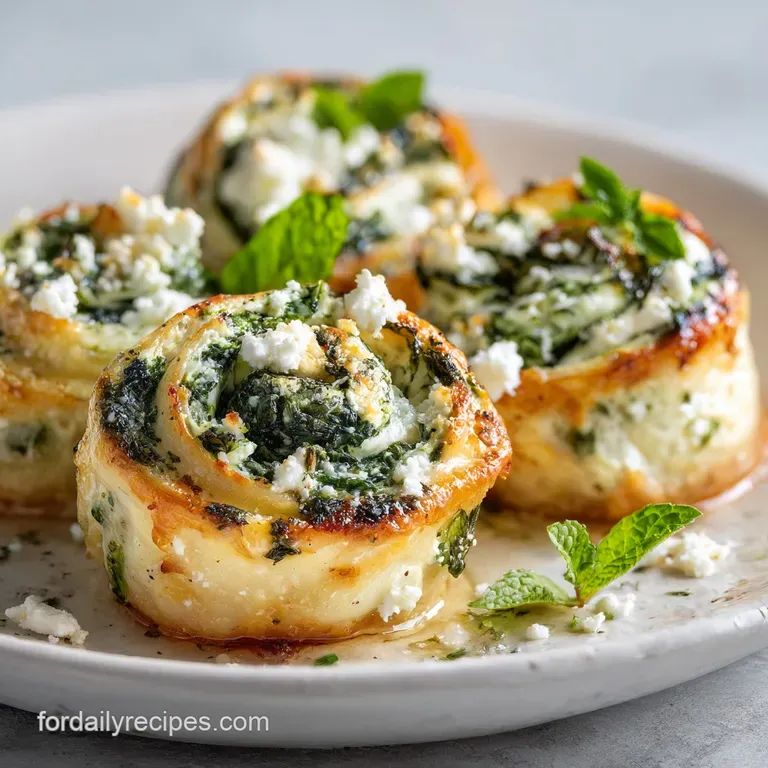
- Time: Active 20 minutes, Passive 15 minutes, Total 35 minutes
- Flavor/Texture Hook: Velvety interior with a nutty sage butter crunch
- Perfect for: Weekend lunch, impressive date night, or heritage cooking
- Mastering the Authentic and Rustic Spinach Ricotta Malfatti
- Reasons This Heritage Dish Delights the Palate
- Essential Preparation Metrics for Consistent Success
- Sourcing Quality Elements for These Italian Dumplings
- Kitchen Tools for Shaping Rustic Ricotta Pasta
- Handcrafting Your Tender Ricotta Dumplings Stepwise
- Resolving Texture Issues for Perfect Gnocchi Alternatives
- Creative Variations for Modern Flavor Profiles
- Proper Storage and Sustainable Kitchen Practices
- Serving Suggestions for a Traditional Italian Table
- Recipe FAQs
- 📝 Recipe Card
Mastering the Authentic and Rustic Spinach Ricotta Malfatti
The kitchen fills with the scent of toasted butter and the faint, woody aroma of freshly grated nutmeg. There’s a specific sound when fresh sage leaves hit hot fat - a sharp, energetic crackle that signals the start of something wonderful.
I remember the first time I saw a plate of these in a tucked away kitchen in Tuscany. They weren't the uniform, ridged gnocchi I expected. Instead, they were charmingly irregular, rustic, and draped in a shimmering golden sauce.
The name "Malfatti" literally translates to "badly made," which is a home cook's dream come true. It’s a dish that celebrates imperfection, letting the ingredients speak louder than the shape.
For years, I struggled with dumplings that turned into a soggy mess in the pot, but through dozens of batches, I learned that the secret isn't more flour. It's all about how you treat the spinach and the cheese before they ever meet the mixing bowl.
In this guide, we're going to walk through the process of creating these pillows of joy. We'll explore why high moisture greens need a firm hand and how a little bit of patience with a strainer makes the difference between a rubbery bite and a melt in-the mouth experience. Just like the technique used in my favorite Phyllo Dough Recipe, managing hydration is the cornerstone of great texture.
Reasons This Heritage Dish Delights the Palate
This recipe is a masterpiece of contrast, bringing together the vibrant, slightly bitter notes of 500g fresh baby spinach with the mild, creamy luxury of 250g whole milk ricotta. It’s a dish that feels like a warm embrace from a nonna, yet it carries a sophisticated flavor profile that works for any occasion.
The Physics of the Pillow
Protein Coagulation: The 2 large eggs act as a thermal set, binding the delicate ricotta and flour together as they hit the boiling water, ensuring the dumpling holds its shape without becoming dense.
Moisture Management: By aggressively removing water from the 500g fresh baby spinach, we create a concentrated flavor base that doesn't dilute the structural integrity of the dough.
Starch Gelatinization: The small 65g addition of all purpose flour hydrates just enough to create a light web around the cheese, providing that signature velvety mouthfeel rather than a bready one.
Maillard Reaction: Searing the 15 fresh sage leaves in 115g unsalted butter creates nutty aromatic compounds that perfectly cut through the richness of the cheese.
| Servings | Ingredient Adjustments | Pan Size | Cook Time |
|---|---|---|---|
| 2 people | 250g spinach, 125g ricotta, 1 egg | 10 inch skillet | 15 minutes |
| 4 people | 500g spinach, 250g ricotta, 2 eggs | 12 inch skillet | 15 minutes |
| 8 people | 1kg spinach, 500g ricotta, 4 eggs | 2 large skillets | 25 minutes |
When you're cooking for a crowd, remember that the dumplings need space to float. Working in batches is better than crowding the pot, as a drop in water temperature can lead to the malfatti italian spinach ricotta dumplings dissolving before they set.
Trust the process and keep that water at a gentle simmer, not a violent boil.
Essential Preparation Metrics for Consistent Success
Success with Spinach Ricotta Malfatti relies on a few non negotiable checkpoints. If you miss these, the texture will suffer. First, the 500g fresh baby spinach must be wilted and then squeezed until it feels like a dry ball of clay.
Second, the 250g whole milk ricotta should be drained for at least 30 minutes if it looks watery in the container.
Component Analysis
| Component | Science Role | Pro Secret |
|---|---|---|
| Whole Milk Ricotta | Provides the creamy, fat rich foundation and structural bulk. | Drain in cheesecloth to prevent "leaking" during the boil. |
| Baby Spinach | Adds fiber, color, and earthy mineral notes to balance the fat. | Chop it extremely fine after squeezing to ensure even distribution. |
| All Purpose Flour | Acts as the "glue" that prevents the cheese from melting away. | Use just enough to bind; too much creates a rubbery, heavy dumpling. |
| Fresh Sage | Infuses the butter with volatile oils and provides a textural crunch. | Fry until the leaves are translucent and shatter when bitten. |
The relationship between the flour and the moisture in the cheese is a delicate dance. If your ricotta is particularly wet, you might feel tempted to dump in extra flour. Resist that urge! Instead, focus on the prep work. This attention to detail is similar to what you'd find in a traditional Spanakorizo Greek Spinach Rice recipe, where the texture of the greens defines the entire dish.
Sourcing Quality Elements for These Italian Dumplings
- 500g fresh baby spinach: Why this? Offers a sweeter, more tender leaf than mature bunches.
- Substitute: Frozen chopped spinach (300g), thawed and squeezed exceptionally dry.
- 250g whole milk ricotta: Why this? High fat content provides the necessary silky texture.
- Substitute: Well drained cottage cheese blended until smooth.
- 60g freshly grated Parmigiano Reggiano: Why this? Adds essential salt and umami depth.
- Substitute: Pecorino Romano for a sharper, saltier kick.
- 2 large eggs: Why this? The primary binder for the delicate dough.
- Substitute: None recommended; eggs are critical for the structure of italian spinach ricotta dumplings.
- 65g all purpose flour: Why this? Provides enough starch to hold the shape.
- Substitute: Type 00 flour for a finer, more delicate crumb.
- 0.25 tsp freshly grated nutmeg: Why this? A classic pairing that brightens the earthy greens.
- Substitute: A pinch of mace or ground allspice.
- 115g unsalted butter: Why this? Becomes the aromatic vehicle for the sage sauce.
- Substitute: Brown butter ghee for a deeper, nuttier flavor.
- 15 fresh sage leaves: Why this? Provides the aromatic contrast to the rich ricotta.
- Substitute: Fresh thyme sprigs, though the flavor profile will shift.
Chef's Tip: Always grate your nutmeg fresh. The pre ground stuff loses its volatile oils quickly, and in a dish this simple, that woody, sweet aroma is a defining feature.
Kitchen Tools for Shaping Rustic Ricotta Pasta
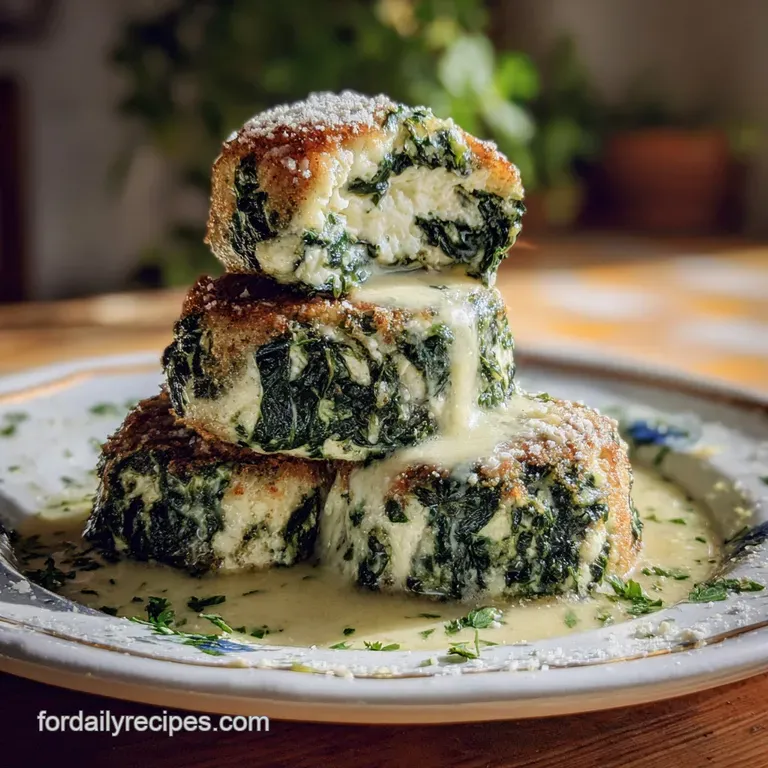
You don't need a fancy pasta machine for this recipe. A simple large pot for boiling water and a wide skillet for the butter sauce are your main workhorses. However, a fine mesh sieve or cheesecloth is vital for the spinach and ricotta. Removing excess moisture is the single most important step in the entire process.
I also recommend using a small cookie scoop (about 1 tablespoon size) to portion the dough. This keeps your hands cleaner and ensures the dumplings are roughly the same size, which means they'll cook evenly.
A slotted spoon is also essential for gently lifting the delicate Spinach Ricotta Malfatti out of the water once they float to the surface.
Handcrafting Your Tender Ricotta Dumplings Stepwise
- Wilt the 500g fresh baby spinach. Place spinach in a large pan with a splash of water over medium heat until completely collapsed and dark green.
- Extract all moisture. Place the cooked spinach in a clean kitchen towel and wring it out forcefully Note: You want it as dry as possible to prevent soggy dumplings.
- Chop the greens. Finely mince the dried spinach ball with a sharp knife.
- Combine the base. Mix the chopped spinach with 250g whole milk ricotta, 60g Parmigiano Reggiano, 2 large eggs, 0.5 tsp salt, 0.25 tsp black pepper, and 0.25 tsp nutmeg until a uniform green paste forms.
- Fold in the 65g all purpose flour. Stir gently until just combinedNote: Overmixing will develop gluten and make them tough.
- Shape the malfatti. Use two spoons or a small scoop to form rustic ovals, then roll them lightly in extra flour.
- Boil the dumplings. Drop them into a pot of simmering salted water until they float to the surface (about 3 minutes).
- Prepare the sage butter. Melt 115g unsalted butter in a skillet over medium heat until it begins to foam and smell nutty.
- Crisp the 15 fresh sage leaves. Add the leaves to the butter and fry for 1 minute until they are translucent and crispy.
- Emulsify the sauce. Stir in 1 tsp lemon juice and a splash of the pasta cooking water until the sauce looks glossy and thick. Gently toss the boiled dumplings in the sauce and serve.
Resolving Texture Issues for Perfect Gnocchi Alternatives
One of the most common frustrations with spinach ricotta dumplings is when they fall apart in the water. This usually happens because the dough is too wet or the water is boiling too violently. Think of these as delicate clouds; they need a gentle simmer, not a rolling boil that will knock the air out of them.
Eliminating Rubbery Texture
If your dumplings feel like bouncy balls rather than tender pillows, you've likely over worked the flour or used too much of it. The flour should only just hold things together. If you find the dough is too sticky to handle, try chilling it for 30 minutes before shaping.
This allows the flour to hydrate and the fats in the cheese to firm up, making it much easier to work with.
| Problem | Root Cause | Solution |
|---|---|---|
| Dumplings disintegrate | Too much moisture in spinach/ricotta | Squeeze spinach in a towel; drain ricotta overnight. |
| Rubbery/Tough texture | Excess flour or over mixing | Fold flour in gently; use a scale for precise 65g measurement. |
| Bland flavor | Lack of seasoning | Increase nutmeg or Parmigiano Reggiano; salt the boiling water. |
Common Mistakes Checklist
- ✓ Forgot to squeeze the spinach? The dough will be a liquid mess.
- ✓ Using a rolling boil? The bubbles will tear the delicate dumplings apart.
- ✓ Skipping the nutmeg? You'll miss the essential bridge between the greens and cheese.
- ✓ Not flouring your hands? The dough will stick to you instead of forming a ball.
- ✓ Crowding the pan? The water temperature will drop, leading to uneven cooking.
Creative Variations for Modern Flavor Profiles
While the classic Spinach Ricotta Malfatti is hard to beat, you can certainly add your own twist. For a brighter profile, add the zest of a whole lemon directly into the dough. This provides a beautiful "pop" that cuts through the richness of the butter sauce.
If you want something heartier, try swapping the spinach for blanched and finely chopped Swiss chard or even kale.
Making it gluten-free
You can easily adapt this heritage dish for gluten sensitive friends by swapping the 65g all purpose flour for a high-quality 1 to-1 gluten-free flour blend. Since there is so little flour in the recipe to begin with, the texture remains remarkably similar to the original version.
Just ensure your blend contains xanthan gum to help provide the necessary structure that gluten usually offers.
Another contemporary twist involves the sauce. While sage butter is the gold standard, these italian spinach ricotta dumplings are also magnificent when served on a mirror of simple pomodoro sauce. The acidity of the tomatoes provides a sharp contrast to the creamy interior of the malfatti. If you're looking for more green inspiration, consider how the flavors in a Beetroot Salad Dip recipe might complement a Mediterranean themed dinner spread.
Proper Storage and Sustainable Kitchen Practices
Spinach Ricotta Malfatti are best enjoyed immediately, but you can store leftovers in an airtight container in the fridge for up to 2 days. To reheat, don't boil them again. Instead, gently warm them in a skillet with a little bit of butter or a splash of water over low heat.
This preserves the delicate structure without making them mushy.
For long term storage, you can freeze the shaped, uncooked dumplings. Place them on a parchment lined baking sheet in the freezer until solid, then transfer to a freezer bag. They will keep for up to 2 months.
When you're ready to eat, drop them directly from the freezer into simmering water just add an extra minute to the cook time.
Zero Waste Tip: Don't throw away those spinach stems! While the leaves go into the dumplings, the stems can be finely chopped and sautéed with garlic for a quick side dish, or tossed into a vegetable stock.
Even the leftover whey from draining your ricotta can be used in bread baking or added to smoothies for an extra protein boost.
Serving Suggestions for a Traditional Italian Table
To truly enjoy this dish, serve it in warm bowls to keep the butter sauce from seizing. A final dusting of freshly grated Parmigiano Reggiano and a crack of black pepper are mandatory. Because these dumplings are quite rich, they pair beautifully with a crisp, acidic side dish like a Spinach Salad Recipe with a lemon vinaigrette to cleanse the palate between bites.
The Flavor Map of Malfatti
- Deep Green: Earthy, mineral rich spinach.
- Creamy White: Sweet, lactic richness from the whole milk ricotta.
- Nutty Gold: The toasted, browned milk solids in the butter sauce.
- Bright Yellow: The citrus lift from the final teaspoon of lemon juice.
If you are serving this as part of a larger feast, it fits perfectly as a "primo" course before a light protein. It shares a similar DNA with the Feta Pasta Recipe, focusing on the transformative power of quality cheese and simple techniques.
Kitchen Myths Debunked
Myth: Floating always means they are done. While floating is a good sign, it really means the density has changed due to air expansion and steam. Give them an extra 30 seconds after they hit the surface to ensure the egg has fully set in the center.
Myth: You must use fresh spinach only. While fresh is lovely, high-quality frozen spinach is often processed at peak ripeness. As long as you squeeze it until it's bone dry, it works perfectly and saves a lot of wilting time.
Myth: Malfatti are just gnocchi without the ridges. Not quite! Gnocchi are usually potato based and have a denser, chewier bite. Malfatti are mostly cheese and greens, resulting in a much lighter, more fragile texture that demands a gentler touch.
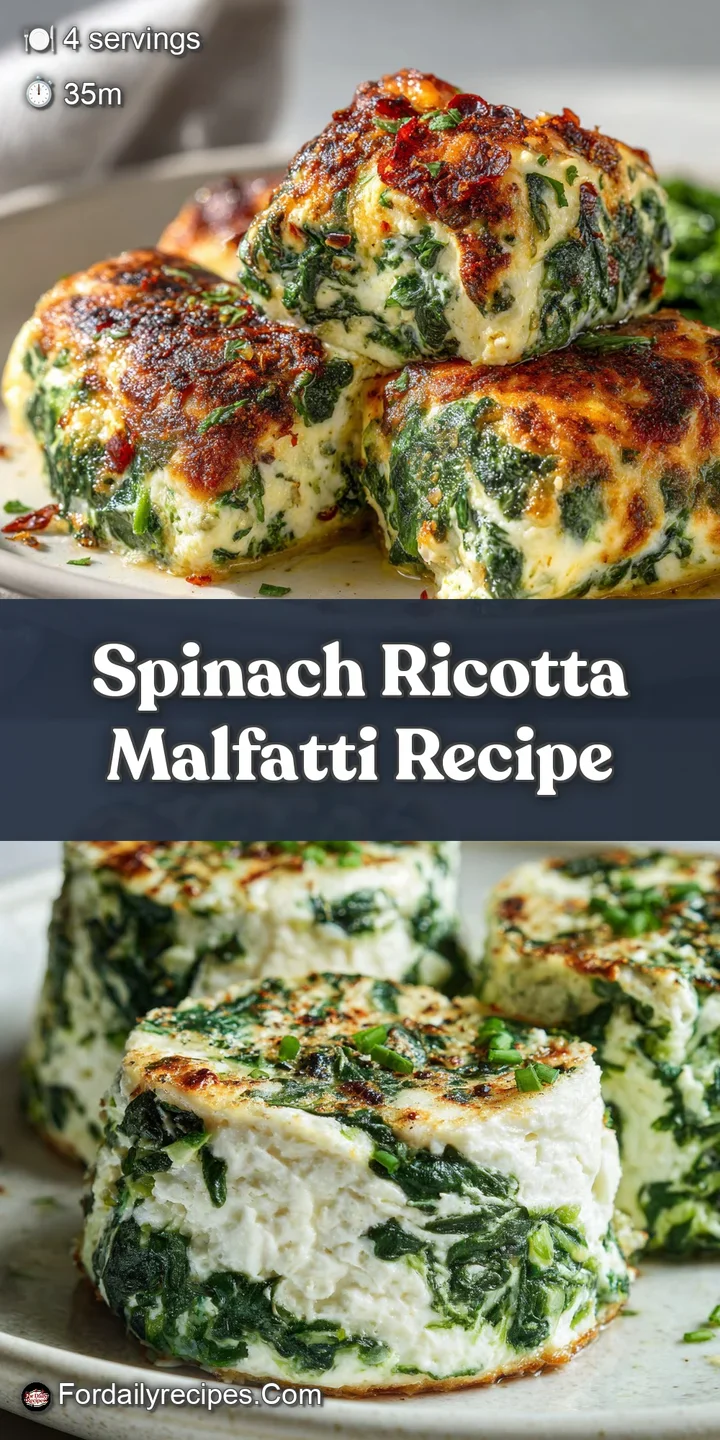
Recipe FAQs
What does malfatti mean in Italian?
It means "badly made." This charming name reflects the rustic, imperfect, hand formed shape of these delicious ricotta and spinach dumplings.
What is the Italian dish of spinach and ricotta dumplings?
It is Malfatti. These are delicate dumplings made primarily from ricotta cheese, spinach, eggs, and a minimal amount of flour, typically served in sage brown butter.
What is the difference between malfatti and gnudi?
The difference is primarily in the flour content and texture. Gnudi typically contain zero or almost no flour, making them extremely soft and "nude," whereas malfatti use a small, necessary amount of flour to bind the wet ingredients.
What is spinach and ricotta malfatti?
It is a type of fresh Italian dumpling. This dish highlights earthy, finely chopped spinach suspended in creamy, well drained ricotta cheese, bound lightly with egg and flour, and poached until pillowy.
How do I stop my malfatti from falling apart in the water?
Aggressively drain the spinach and ricotta first. Excess moisture causes disintegration when the dumplings hit the heat; treat the spinach like clay after wilting.
This same technique for managing high hydration is crucial when working on our Breakfast Casserole recipe to ensure everything sets properly.
Should I use frozen spinach instead of fresh for malfatti?
Yes, you absolutely can use frozen spinach. Thaw it completely and then squeeze out every drop of liquid possible using a cheesecloth or heavy towel; the density of the final product depends on this step.
What is the best sauce to serve with these light ricotta dumplings?
Brown butter with fresh sage is the traditional and best choice. The nutty, aromatic quality of the browned butter cuts perfectly through the richness of the cheese.
It is a simple preparation that relies on technique, similar to how we achieve perfect texture in our Natural zepbound recipe by focusing on simple components.
Spinach Ricotta Malfatti
Ingredients:
Instructions:
Nutrition Facts:
| Calories | 478 kcal |
|---|---|
| Protein | 17.4 g |
| Fat | 38.2 g |
| Carbs | 16.6 g |
| Fiber | 2.1 g |
| Sugar | 1.2 g |
| Sodium | 445 mg |
