Sockeye Salmon with Brown Butter and Capers
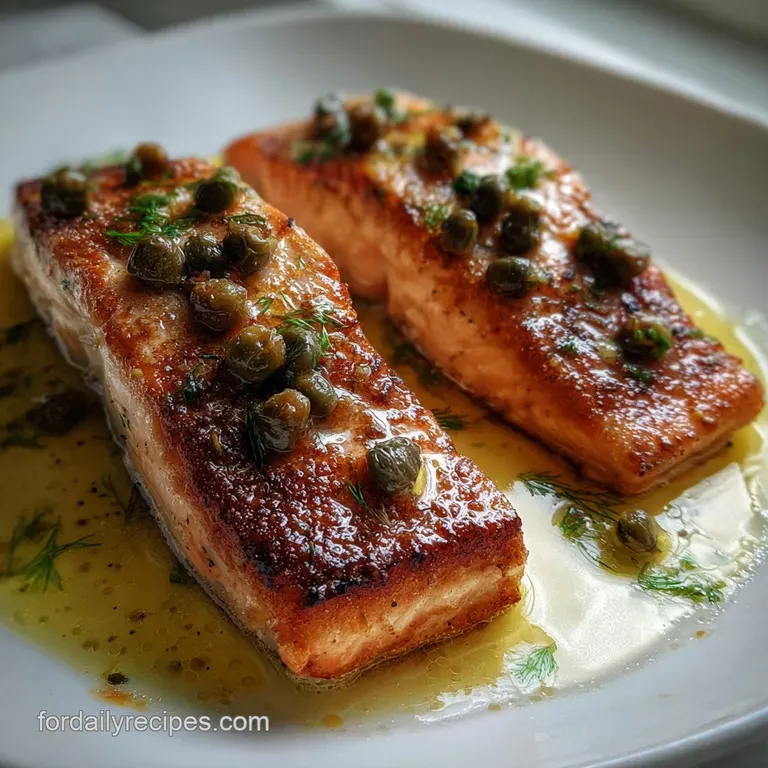
- Introducing The Riviera Flash: Your Quick Guide to Perfect Pan-Seared Sockeye
- Preparing Your Mise En Place: Essential Ingredients for The Flash
- Detailed Notes and Sourcing the Best Fillets
- How to Perfectly Cook Sockeye Salmon: A Step-by-Step Guide
- Troubleshooting and Expert Pointers for Flawless Seared Fish
- Storage and Making the Most of Leftovers
- Recipe FAQs
- 📝 Recipe Card
Introducing The Riviera Flash: Your Quick Guide to Perfect Pan-Seared Sockeye
There are few sights in the kitchen more gorgeous than that deep, vibrant crimson of a high-quality Sockeye Salmon fillet resting on the counter. Seriously, it looks like a jewel!
When that fillet hits hot oil, you immediately get that sharp, clean sizzle, promising a crispy skin that will snap with every forkful. This is pure, focused flavour that reminds you exactly why you love cooking fish.
If you thought perfect salmon was too fussy for a weeknight, think again. This technique the "Riviera Flash" is my go-to lifesaver because it’s so fast, so easy, and yet tastes impossibly elegant. We're talking 20 minutes from start to plate.
Forget dry, baked fish; this pan seared sockeye salmon technique locks in moisture and uses minimal ingredients for maximum flavour impact.
We’re taking the lean, powerful flavour of sockeye and treating it like the star it is, finishing it with a lightning fast, nutty brown butter sauce. You are going to nail this.
This is the ultimate sockeye salmon recipe easy enough for a beginner, yet sophisticated enough to impress any dinner guest.
What Makes Sockeye Salmon Superior for over High heat Cooking?
Look, all salmon is good, but Sockeye Salmon is different. It’s significantly leaner than King or Atlantic varieties, which is why it has that intensely deep red colour.
Because it doesn't have as much natural fat marbled throughout, it holds its shape beautifully under high heat and its flavour is much more concentrated clean, wild, and almost beefy.
The leanness is a blessing and a curse. It means the fish can handle the aggressive over high heat sear we need for crispy skin without falling apart. But, it also means it overcooks faster than other fish, making a thermometer non-negotiable for achieving that perfect medium rare interior.
When prepared correctly, the best sockeye salmon recipe celebrates this unique, firm texture.
The Magic of Brown Butter: Building Our Quick Piccata Style Dressing
The secret weapon in this whole setup is the brown butter. It sounds fancy, but it is just melted butter that you cook for two minutes longer than usual. When the milk solids in the butter toast, they give off this incredible, complex, nutty aroma, transforming a simple fat into a rich, sophisticated sauce base.
Chef's Note: Browning the butter adds depth that complements the strong flavour of Sockeye Salmon without overpowering it. This quick sockeye salmon brown butter sauce is what elevates the whole dish, especially when spiked with bright capers and fresh lemon juice to cut through the richness.
Elegance in Minutes: Why This Recipe is Ideal for Weeknights
Truly, once your prep is done which takes about ten minutes the cooking is over almost instantly. We use the heat strategically: high heat to crisp the skin, then the residual heat to gently finish the flesh.
You don't need a huge list of ingredients, just four key flavour bombs: butter, lemon, capers, and dill. This streamlined process makes preparing this sensational Sockeye Salmon achievable even when you're rushing home after work.
Preparing Your Mise En Place: Essential Ingredients for The Flash
You need to have everything ready to go because the sauce stage is zero-to-sixty. The best results always start with the freshest ingredients, especially when cooking delicious Sockeye Salmon .
| Ingredient | US Customary | Substitutions/Notes |
|---|---|---|
| Sockeye Salmon (Skin-on) | 4 x 6 oz fillets | Sub with King Salmon or Halibut. Reduce cook time for thinner fillets. |
| Kosher Salt & Pepper | To taste | Use flaky sea salt for a superior crunch on the skin. |
| over High heat Oil | 2 tbsp | Avocado Oil works perfectly. Do NOT use Extra Virgin Olive Oil for searing. |
| Unsalted Butter | 1/4 cup | Substitute with Ghee (clarified butter) for a nutty flavour without the worry of burning milk solids. |
| Capers, drained | 2 tbsp | Substitute with finely chopped briny green olives. |
| Fresh Dill | 2 tbsp | Substitute 1:1 with fresh chives or flat leaf parsley. |
| Fresh Lemon | 1 | Use lime juice for a slightly different, tart profile. |
Detailed Notes and Sourcing the Best Fillets
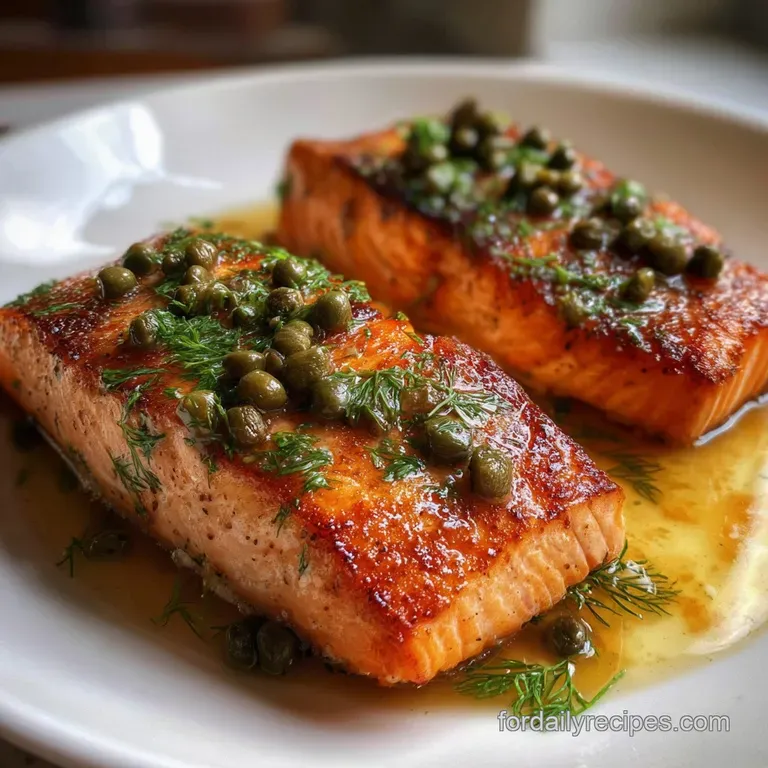
Selecting the Highest Quality Sockeye Fillets (Skin On vs. Off)
Always, always go for skin-on fillets for this recipe. Why? Because the skin is your protective layer against the brutal heat of the pan and it contains layers of fat that render down beautifully. This rendering process is what prevents the delicate flesh of the Sockeye Salmon from drying out.
When shopping, look for that deep, striking colour and check that the flesh looks firm, not mushy, and smells fresh (like the ocean, not "fishy").
Understanding the Role of Capers, Dill, and Fresh Lemon Zest
These three ingredients are non-negotiable for achieving that classic piccata brightness. The capers, rinsed well, provide a punch of salinity and a burst of texture. The fresh lemon juice cuts through the richness of the sockeye salmon brown butter , creating balance. And dill?
It’s classic with salmon for a reason; its anise like freshness is the perfect aromatic finish.
Ingredient Variations: Substituting Clarified Butter (Ghee) for Browning
If the idea of browning butter stresses you out and trust me, I've burned my share of batches over the years you can cheat beautifully. Substitute the unsalted butter with Ghee, which is clarified butter.
Ghee is essentially butter with the milk solids and water removed, meaning you get that high fat, rich flavour without the risk of those solids burning and turning bitter. You won't get the same deep, nutty complexity as true brown butter, but the dish will still be magnificent.
How to Perfectly Cook Sockeye Salmon: A step-by-step Guide
This process moves fast. Read these steps twice before you even turn on the burner! Achieving crispy skinned Sockeye Salmon requires focus, but the results are truly worth it.
Prepping the Fish: Patting Skin Dry for Maximum Crispness
- Dry, Dry, Dry: Take your Sockeye Salmon fillets and pat them down like you mean it with paper towels. I mean aggressively dry them. If there's any surface moisture, it will steam the skin instead of searing it, guaranteeing a sad, rubbery result.
- Seasoning Strategy: Season the flesh side lightly with salt and pepper. Now, season the skin side heavily. The salt helps draw out remaining moisture, ensuring the crust is perfectly seasoned and crisp.
The Pan-Sear Technique: Monitoring Oil Temperature and Timing
- Get Hot: Place your heavy, preferably cast iron or stainless steel, frying pan over medium high heat. Add the over high heat oil. Wait until the oil shimmers and looks thin, almost like water; maybe a faint wisp of smoke appears. This is the signal.
- The Sizzle and Press: Gently place the salmon fillets skin side down in the hot pan. You should hear a beautiful, immediate, consistent sizzle. CRITICAL STEP: Immediately press down on each fillet with your spatula for about ten seconds. This stops the fillet from curling up in the heat, guaranteeing 100% skin-to-pan contact for the ultimate crunch.
- The Patience Test: Reduce the heat slightly to medium. Do not touch the fish for 3 to 5 minutes. You will see the vibrant red colour of the Sockeye Salmon creeping up the sides. When the colour change reaches about 80% up the thickness of the fillet, it's time to flip.
- Flip and Finish: Use a fish spatula to gently flip the fillets. Cook for only 30 to 60 seconds on the flesh side. This just kisses the edges and finishes the cook.
- Temp Check and Rest: Remove the fish immediately when an instant read thermometer reads 125 130°F (52 54°C). Place the delicious pan seared sockeye salmon skin side up on a warm plate to rest while you make the sauce. Resting is crucial for juiciness.
Finishing the Sauce: Whipping the Brown Butter and Capers
- The Brown Butter Watch: Add the unsalted butter to the hot pan (or use a small, clean one). Cook over medium heat. It will foam furiously, then the foam will subside, and you will see tiny brown specs collecting on the bottom. Smell it it should smell richly nutty, like toasted hazelnuts.
- Kill the Heat: The second it smells nutty, pull the pan immediately off the heat. Stir in the drained capers. Then add the fresh lemon juice. The cold ingredients and acidity will stop the butter from browning further or burning.
- Final Flair: Stir in the fresh dill. Taste and adjust the seasoning. This is your quick, vibrant sockeye salmon with capers dressing!
Plating and Serving Immediately
- Serve: Place the rested Sockeye Salmon on plates and spoon the hot brown butter caper dressing over the flesh. Try to avoid drenching the crispy skin we want that crunch to last! Serve at once.
Troubleshooting and Expert Pointers for Flawless Seared Fish
I have made so many mistakes cooking fish, primarily due to impatience and fear of fat. Learn from my panic!
The Golden Rule: How to Prevent Salmon Skin from Sticking to the Pan
Sticking occurs because the pan wasn't hot enough, or you didn't use enough oil. Heat is your friend. Start with medium high heat, enough oil to thinly coat the bottom, and wait until the oil shimmers. When you put the fish in, the skin should immediately seize up and form a crust.
If it sticks when you try to move it, DO NOT FORCE IT. Wait 30 more seconds. When the crust is fully formed, the fish will naturally release from the pan.
Identifying Doneness: The Visual Flake Test vs. Internal Temperature
Please, for the love of perfectly cooked food, use a thermometer. The visual flake test where you poke the fish and see if the layers separate is notoriously unreliable for lean fish like Sockeye Salmon . It usually means you've already overcooked it.
Aim for 125°F for the center to be perfectly tender and slightly pink (medium rare). It will climb to 130°F while resting. Anything above 140°F is dry territory, which is a tragedy for such beautiful fish.
Light and Bright Vegetable Sides to Complement the Acidity
The brown butter is rich, and the capers/lemon are bright. You want sides that are clean and green. I love blanched asparagus, simple steamed green beans, or maybe some lightly charred broccolini. Keep it simple and let the flavour of the Sockeye Salmon shine. For a lower carb option, I sometimes serve it alongside something like my Japanese Mounjaro Diet Recipes: Umami Miso Salmon Konjac Salad for a full, balanced meal.
Storage and Making the Most of Leftovers
Sockeye Salmon is always best eaten immediately, straight out of the pan, when the skin is singing. But leftovers happen!
If you have cooked fillets, they will last safely in an airtight container in the fridge for up to three days. I recommend storing the leftover sauce separately so the fish doesn't sit soaking in it. Because the flesh of this type of fish is so firm, it holds up better than fattier salmon.
Reheating Techniques That Preserve Skin Crispness
Never, ever microwave perfectly cooked salmon if you value the integrity of the crisp skin. It will turn soft and rubbery.
To reheat, place the fillets skin side up on a baking sheet. Pop them into a cold oven, then set the temperature to 300°F (150°C). As the oven slowly warms up, the fish gently reheats without drying out the interior.
After about 10– 12 minutes, the skin should be largely dry and crisp again. Then, reheat your remaining brown butter sauce on the stovetop and drizzle it over the fish. It’s almost as good as day one!
This entire sockeye salmon recipe focuses on respect for the fish, high heat, and fast flavour additions. Give it a try this week and tell me how beautifully that skin crackled!
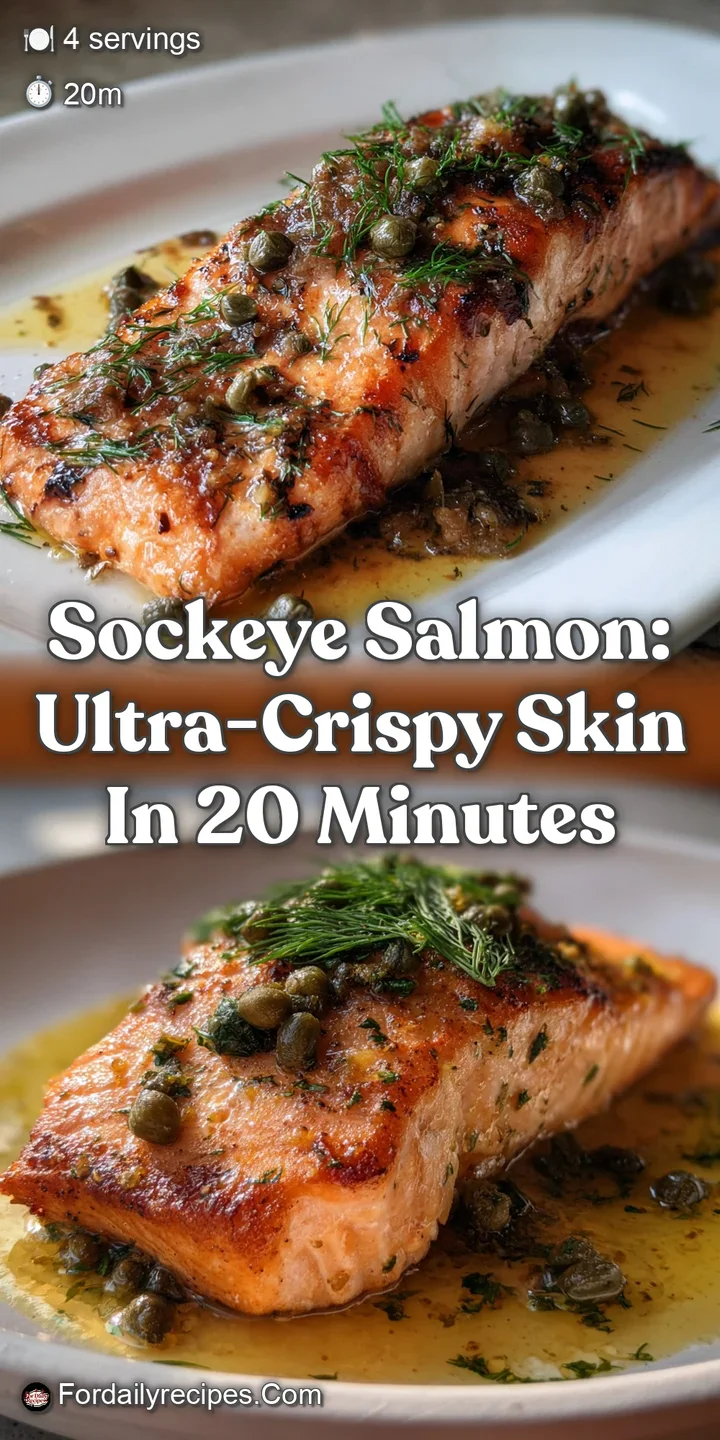
Recipe FAQs
Why did my sockeye salmon turn out dry?
Sockeye is significantly leaner than other varieties like King or Atlantic, making it highly susceptible to drying out if overcooked. Ensure you remove the fish from the heat when the internal temperature reaches 135 140°F (57 60°C) in the thickest part.
Always allow the salmon to rest, tented loosely, for 5 minutes before serving so the residual heat finishes the cook and juices redistribute.
How do I ensure the skin gets perfectly crisp during the pan-sear?
The key to crisp skin is dryness and heat. Always pat the skin side completely dry with paper towels immediately before seasoning, as moisture prevents searing. Place the fillets skin side down in very hot oil, pressing down gently for the first 30 seconds to ensure the entire skin surface makes full contact with the pan.
Can I use farmed Atlantic salmon or King salmon instead of Sockeye?
Yes, you can substitute other salmon types, but adjust the cooking time slightly. Fattier salmon, like Atlantic or King, will take slightly longer and may not require as much added fat, as they are more naturally forgiving and resistant to drying out.
They will also yield a milder flavor profile compared to the robust sockeye.
I noticed white residue coming out of the fish while cooking. What is that?
That residue is albumin, a harmless protein that solidifies and leeches out when the muscle fibers contract under heat. To minimize its appearance, you can give the fillets a brief, 10-minute soak in a mild saltwater brine (one tablespoon of salt per cup of cold water) before drying and seasoning them.
Alternatively, cooking at a slightly lower temperature for a longer period helps.
What can I substitute for capers or dill in the brown butter sauce?
If you need an alternative for the briny, sharp flavor of capers, finely chopped green olives or preserved lemon rind work well. For fresh dill, the best substitutions are fresh parsley or tarragon, though tarragon will introduce a slight anise note which pairs nicely with the nutty brown butter.
How should I store leftover cooked salmon, and can I freeze it?
Leftover cooked sockeye should be stored in an airtight container in the refrigerator and consumed within 3 to 4 days. While technically possible to freeze cooked salmon, it is generally discouraged as the texture tends to become dry and tough when thawed and reheated.
It is best enjoyed fresh or repurposed cold in salads.
How do I know exactly when the salmon is fully cooked?
The most accurate method is checking the internal temperature with an instant read thermometer inserted into the thickest part of the fillet. The salmon is perfectly cooked when it reaches 135°F (57°C) for medium.
Visually, the fish should flake easily with a fork but retain a faint, translucent line in the center.
Sockeye Salmon Brown Butter
Ingredients:
Instructions:
Nutrition Facts:
| Calories | 190 kcal |
|---|---|
| Protein | 1.1 g |
| Fat | 18.9 g |
| Carbs | 1.4 g |
