Snickerdoodle Recipe Without Cream of Tartar
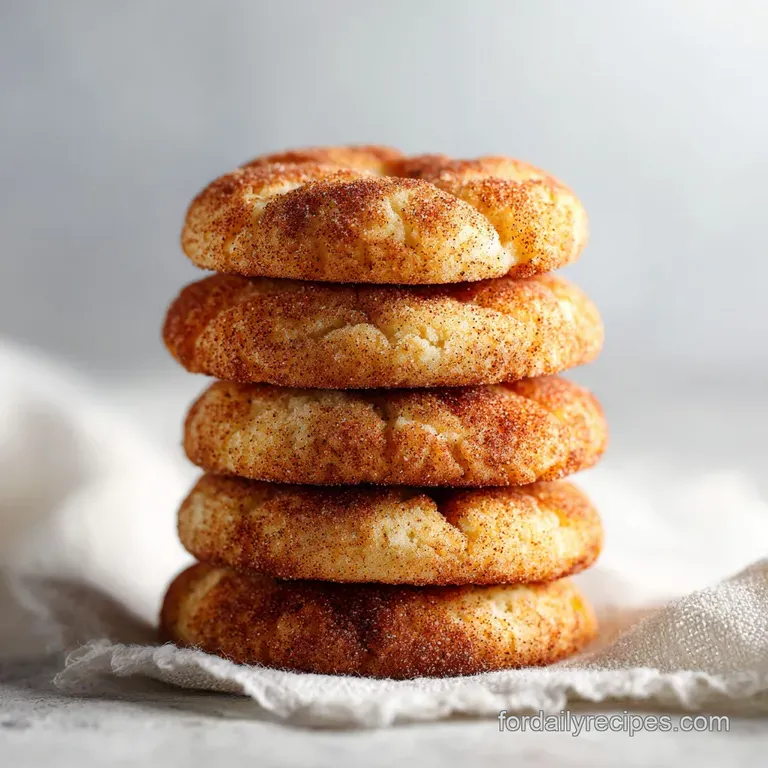
- Time: Active 10 minutes, Passive 10 minutes, Total 20 minutes
- Flavor/Texture Hook: Cinnamon sugar shatter with a velvety, soft center
- Perfect for: Last minute bake sales, weeknight treats, or beginner bakers
- Bake the Perfect Snickerdoodle Recipe Without Cream of Tartar
- Why This Shortcut Method Works
- Pantry Staples Needed for This Batch
- Essential Kitchen Tools for Cookie Success
- Simple Steps from Prep to Plate
- Pro Tips to Avoid Kitchen Disasters
- Scaling for Any Crowd
- Tasty Variations to Mix It Up
- How to Store and Keep Fresh
- Best Drink and Snack Pairing Ideas
- Recipe FAQs
- 📝 Recipe Card
Bake the Perfect Snickerdoodle Recipe Without Cream of Tartar
The smell of cinnamon hitting a hot oven is basically a hug in scent form. I remember one Tuesday night, craving that specific tangy chew of a snickerdoodle, only to realize my cream of tartar jar was bone dry. I almost gave up, but then I remembered my grandma used to say that baking is just delicious chemistry.
I grabbed a lemon, took a risk, and honestly, I haven't looked back since.
This recipe is for everyone who wants that classic crinkle and soft bite without making a special trip to the store for one tiny, expensive ingredient. We are focusing on efficiency here, getting you from a butter craving to a warm cookie in exactly 20 minutes.
No chilling the dough for hours, no complicated equipment, just straightforward baking that works every single time.
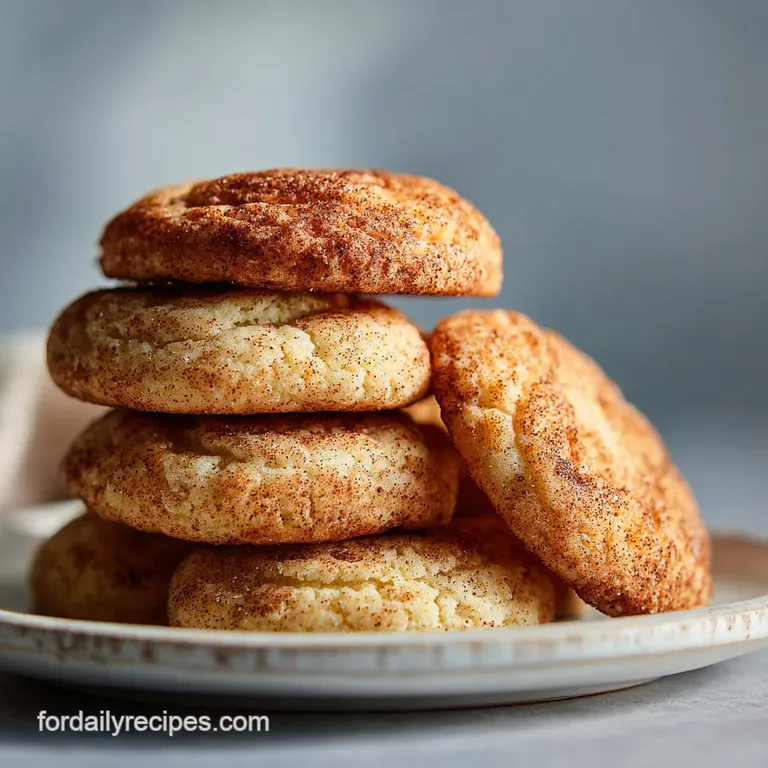
You can expect a cookie that has a slight "snap" on the edges but stays pillowy in the middle. The lemon juice provides that subtle background zing that usually comes from the tartar, but it feels fresher. It's a quick win for your kitchen, and trust me, nobody will ever guess you swapped the traditional ingredients.
Why This Shortcut Method Works
- Acid Replacement: Lemon juice provides the necessary acidity to mimic the tangy flavor and chemical reaction of cream of tartar.
- Double Leavening: Using baking powder instead of just soda ensures the cookies rise and stay fluffy without the tartar stabilizer.
- Fat Saturation: The high butter to flour ratio creates a tender crumb that melts as soon as it hits your tongue.
- Surface Tension: Rolling the dough in a thick cinnamon sugar mixture creates a moisture barrier that helps form those iconic surface cracks.
Cook Method Comparison
| Method | Time | Texture | Best For |
|---|---|---|---|
| Standard Oven | 10 minutes | Even golden brown, soft centers | Large batches/Classic look |
| Toaster Oven | 8 minutes | Crispier bottoms, faster browning | Small batches (6-8 cookies) |
| Air Fryer | 6 minutes | Very puffy, slightly denser | Single serve cravings |
Choosing the right method depends on how many people you're feeding. If you're doing the full batch of 24 cookies, the standard oven is your best friend. However, if you just want a quick snack, the air fryer actually does a surprisingly good job of setting the edges quickly while keeping the middle almost dough like.
The Physics of the Puff
The secret to this specific version is the interaction between the lemon juice and the baking powder. Since we aren't using the dry acid (cream of tartar), the liquid lemon juice reacts immediately with the leavening agents to create tiny carbon dioxide bubbles the second they touch.
This is why you want to get these into the oven fast don't let the dough sit on the counter too long.
| Ingredient | Science Role | Pro Secret |
|---|---|---|
| Unsalted Butter | Fat & Structure | Use "cool room temp" (it should dent, not greasy) |
| Fresh Lemon Juice | Acid Catalyst | Fresh is best, but bottled works in a pinch |
| Baking Powder | Leavening Agent | Ensure it's less than 6 months old for max lift |
| Large Eggs | Emulsifier | Room temperature eggs incorporate without curdling |
Pantry Staples Needed for This Batch
- 1 cup unsalted butter, softened: This is the foundation. Use high-quality butter if you can. Why this? Provides the fat needed for a tender, melt in-the mouth texture.
- 1.5 cups granulated sugar: For the dough itself. Why this? It aerates the butter during the creaming process.
- 2 large eggs: The binder. Why this? Eggs add moisture and structure so the cookie doesn't crumble.
- 1 tsp fresh lemon juice: The secret weapon. Why this? Replaces the acidity of cream of tartar for that signature tang.
- 1 tsp vanilla extract: Pure is better than imitation. Why this? Rounds out the sweetness with a deep, floral aroma.
- 2.75 cups all purpose flour: The skeleton of the cookie. Why this? Provides the protein needed to hold the cookie together.
- 2 tsp baking powder: Our lifting agent. Why this? Gives the cookie height and that classic puffy look.
- 0.5 tsp fine sea salt: Don't skip this. Why this? It balances the sugar and makes the cinnamon pop.
- 0.25 cup granulated sugar (for coating): The outer crunch. Why this? Creates the sparkly, sweet exterior.
- 2 tbsp ground cinnamon: The star flavor. Why this? Provides the warm, spicy contrast to the sweet dough.
| Original Ingredient | Substitute | Why It Works |
|---|---|---|
| Lemon Juice | White Vinegar (1 tsp) | Same acidity level. Note: Does not add citrus notes |
| Unsalted Butter | Salted Butter | Works fine, just omit the 0.5 tsp salt |
| All Purpose Flour | 1:1 gluten-free Blend | Similar weight. Note: Cookies may spread slightly more |
Essential Kitchen Tools for Cookie Success
You don't need a high tech kitchen to pull this off. I usually skip the big stand mixer and just use a sturdy bowl and a hand mixer because it's faster to clean. If you're feeling a workout, you can even do this with a stiff whisk and some elbow grease, though your arms might feel it the next day.
A good baking sheet is non negotiable. I prefer heavy rimmed aluminum pans because they distribute heat evenly. If your pans are thin, they might "pop" in the oven or burn the bottoms of the cookies before the centers are set.
Also, grab some parchment paper or a silicone mat it makes the cleanup nonexistent and prevents the cinnamon sugar from sticking to the metal.
Chef Tip: Freeze your cinnamon sugar mixture for 5 minutes before rolling the dough. Cold sugar crystals stick better to the warm fat in the dough, creating a thicker, crunchier crust.
Simple Steps from Prep to Plate
- Heat the oven. Set it to 350°F (175°C) and line two baking sheets with parchment. Note: A preheated oven is crucial for that immediate "puff" reaction.
- Cream the butter. Beat 1 cup softened butter and 1.5 cups sugar until pale and fluffy. This should take about 3 minutes of active mixing.
- Add liquids. Mix in 2 large eggs, 1 tsp lemon juice, and 1 tsp vanilla. Note: Don't worry if it looks slightly curdled; it will smooth out.
- Whisk dry ingredients. In a separate bowl, combine 2.75 cups flour, 2 tsp baking powder, and 0.5 tsp salt.
- Combine mixtures. Gradually add the flour mix to the wet base until no white streaks remain.
- Prep the coating. Mix 0.25 cup sugar and 2 tbsp cinnamon in a small shallow bowl.
- Shape the dough. Scoop 1 inch balls of dough and roll them between your palms until smooth.
- Roll in spice. Toss each ball in the cinnamon sugar until heavily coated.
- Bake the batch. Space them 2 inches apart and bake for 10 minutes until the edges are set and tops are cracked.
- Cool and set. Let them rest on the pan for 5 minutes before moving to a wire rack.
Pro Tips to Avoid Kitchen Disasters
Why Your Cookies Are Flat
If your cookies look like pancakes, your butter was likely too warm. If it's "greasy" or melting on the counter, it won't hold the air bubbles you creamed into it. Next time, try the "dent test" the butter should be soft enough to leave a fingerprint but cold enough to hold its shape.
Why Your Cookies Are Cakey
This usually happens from over measuring the flour. If you scoop the flour directly with the measuring cup, you're packing it down. Instead, spoon the flour into the cup and level it off with a knife. This ensures the dough stays light and chewy rather than dense and bread like.
| Problem | Root Cause | Solution |
|---|---|---|
| No Cracks | Dough was too dry | Measure flour by weight or spoon and level |
| Burnt Bottoms | Dark baking sheet | Lower temp by 25°F or use parchment paper |
| Too Much Tang | Too much lemon juice | Stick to exactly 1 tsp for balance |
Common Mistakes Checklist: ✓ Ensure baking powder hasn't expired (test it in a splash of hot water first). ✓ Don't over mix the dough once the flour is added; stop as soon as it's combined.
✓ Space cookies at least 2 inches apart to allow for the "spread and crack." ✓ Use room temperature eggs so they emulsify perfectly with the butter.
Scaling for Any Crowd
If you're baking for a big party, you can easily double this recipe. Just be careful with the spices sometimes doubling the cinnamon can be overwhelming, so I usually go for 1.5x the spices when doubling the dough.
For the liquids, stick to the exact ratio to maintain the chemical balance that replaces the cream of tartar.
Scaling down is just as easy. If you want a small batch of 12 cookies, just halve everything. For the egg, beat one egg in a small cup and use half of it by weight or volume. Use a smaller baking sheet so they don't get lost in the oven, and keep an eye on the time as smaller batches can sometimes cook a minute or two faster.
Tasty Variations to Mix It Up
If you want to deviate from the classic, try the "Chai" Doodle. Instead of just cinnamon, use a mix of ginger, cardamom, and a pinch of cloves in the sugar coating. It adds a sophisticated warmth that's perfect for autumn. You can even find similar flavor profiles in this Snickerdoodle Cookies recipe if you want to compare the two methods.
Another fun twist is the "Chocolate Chip Doodle." Folding in half a cup of mini chocolate chips gives you the best of both worlds. The acidity of the lemon juice actually makes the chocolate taste richer. If you're looking for more nostalgic treats, you might also love making a Homemade Oatmeal Cream recipe for your next weekend project.
Cookie Myths Debunked
- Cream of tartar is the only way to get a "tang": Not true. Any mild acid, like lemon juice or vinegar, provides that signature flavor profile while reacting with the leavening agents.
- Chilling the dough is mandatory: While it helps with some recipes, this specific snickerdoodle recipe without cream of tartar is designed for immediate baking. The lemon juice reaction happens fast, so "bench time" actually works against you.
- Brown sugar makes them better: Actually, traditional snickerdoodles rely on white sugar for that specific "crack" and lightness. Brown sugar adds moisture and molasses flavor, which turns them into more of a spice cookie than a true doodle.
How to Store and Keep Fresh
Storage: Keep these in an airtight container at room temperature for up to 4 days. To keep them extra soft, toss a piece of plain white bread into the container. The cookies will absorb the moisture from the bread and stay "day one" fresh for much longer.
Freezing: You can freeze the baked cookies for up to 3 months. Or, better yet, freeze the raw dough balls (after rolling in cinnamon sugar). Bake them straight from the freezer just add 2 minutes to the total bake time.
Zero Waste Tip: If you have leftover cinnamon sugar from the coating, don't throw it out! Save it in a small jar for your morning toast or stir it into your coffee grounds before brewing for a DIY cinnamon roast.
Best Drink and Snack Pairing Ideas
These cookies are practically begging for a glass of cold milk. The creamy dairy cuts through the sharp cinnamon and highlights the buttery dough. If you're an adult looking for a caffeine kick, a hot espresso or a bitter black tea is the way to go. The sweetness of the cookie balances the tannins in the tea perfectly.
For a fancy dessert, try making an "ice cream sandwich" using two cookies and a scoop of vanilla bean or even Coconut Ice Cream recipe. The cinnamon and coconut together create a tropical, spiced vibe that feels very high end. If you're feeling adventurous, a drizzle of Rémoulade Sauce recipe might be too savory, but a salted caramel sauce would be a dream.

Recipe FAQs
What can I substitute for cream of tartar in snickerdoodles?
Lemon juice or white vinegar. Lemon juice provides the necessary acidity for the signature tang and helps with leavening, similar to how it's used in our Peanut Protein Balls: No-Bake Recipe Ready in 25 Minutes. Use about 1 teaspoon of lemon juice or white vinegar per teaspoon of cream of tartar called for.
What happens to snickerdoodles without cream of tartar?
They can be slightly less tangy and have a different texture. Cream of tartar acts as an acid stabilizer, contributing to both the classic snickerdoodle flavor and texture. Without it, you might miss a bit of that characteristic chewiness and tang, but replacements can mimic it well.
What are some common mistakes to avoid when making snickerdoodles?
Over measuring flour and using butter that's too warm. Over measuring flour makes cookies cakey, while too-warm butter causes them to spread too much and become flat. Ensure your butter is softened but not melted for optimal creaming and texture.
What is a good substitute for cream of tartar in cookies?
Lemon juice or white vinegar are excellent substitutes. These provide the acidity needed to react with baking soda, creating lift and the characteristic tangy flavor. If you enjoyed mastering acid balance here, see how the same principle applies in our Crawfish Etouffee: Authentic Louisiana Recipe with a Dark Roux for depth of flavor.
Why aren't my snickerdoodles cracking?
This often happens if the dough is too dry or the baking temperature is too low. Insufficient moisture in the dough or a slow rise in the oven prevents the classic snickerdoodle cracks from forming. Ensure you're measuring your flour accurately and your oven is preheated correctly.
Can I use baking powder instead of baking soda and cream of tartar?
Yes, but it requires adjustment for flavor and lift. Baking powder contains both an acid and a base, providing leavening on its own. If you're substituting for cream of tartar and baking soda, you'll need to use a specific amount of baking powder to achieve a similar result without altering the cookie's tang too much.
What makes snickerdoodles chewy?
A higher ratio of sugar to flour and the use of eggs contributes to chewiness. The fat from butter also plays a role in creating a tender, chewy texture. If you enjoyed the texture control in this recipe, you might also like the chewy results in our Peanut Butter Cookies: The Proper Criss Cross Classic Recipe.
Snickerdoodle Recipe No Cream Tartar
Ingredients:
Instructions:
Nutrition Facts:
| Calories | 185 kcal |
|---|---|
| Protein | 2.1 g |
| Fat | 8.2 g |
| Carbs | 26.1 g |
| Fiber | 0.5 g |
| Sugar | 14.6 g |
| Sodium | 92 mg |
