Simple Chicken Alfredo Recipe
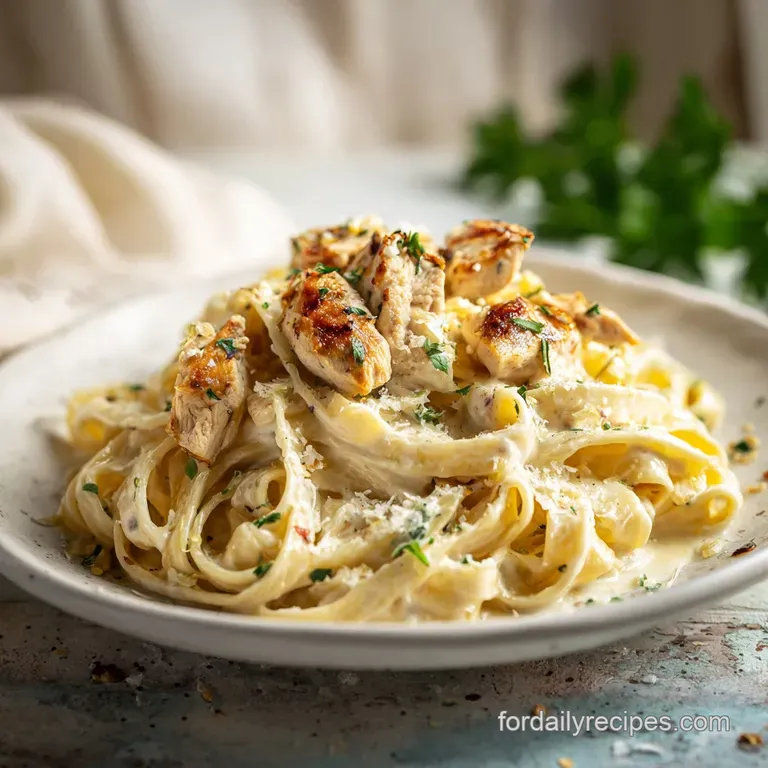
- Time: Active 10 minutes, Passive 20 minutes, Total 30 minutes
- Flavor/Texture Hook: Silky, garlic kissed cream with golden seared chicken
- Perfect for: Sunday family dinner or a cozy weeknight treat
- Perfecting the simple chicken alfredo recipe
- Science of the Velvet Sauce
- Essential Kitchen Numbers
- Selecting the Finest Elements
- Tools for the Job
- Crafting the Sizzling Masterpiece
- Secrets for Silky Results
- Creative Flavor Variations
- Keeping the Sauce Fresh
- Plating Your Comfort Feast
- Very High in Sodium
- Recipe FAQs
- 📝 Recipe Card
Perfecting the simple chicken alfredo recipe
Imagine the sound of 1.5 lbs of sliced chicken breast hitting a hot pan of shimmering olive oil. That immediate sizzle is the start of something special. Then comes the scent, a warm cloud of garlic powder and sea salt mingling with the browning meat.
This isn't just a meal; it's a hug in a bowl that smells like home and feels like a heritage worth passing down.
Honestly, I’ve made every mistake in the book with this dish. I've had sauces break into oily messes and cheese turn into clumpy rubber because I was in a rush. We've all been there. But after years of tinkering, I realized the secret isn't in fancy tricks, it's in the timing.
It's about letting the butter and cream become friends before the cheese enters the room.
We are going for a texture that is purely velvety, never grainy. If you’ve been relying on jarred sauce, get ready for a serious upgrade. This version is richer, brighter, and surprisingly easy to pull off once you understand the rhythm of the stove. Right then, let's get into what makes this work so well.
Science of the Velvet Sauce
Protein Denaturation: High heat quickly firms the chicken strips while the sea salt draws out just enough moisture to create a golden crust.
Fat in-Water Emulsification: Heavy whipping cream acts as a stabilizer, holding the butter and melting cheese together in a suspended state that prevents the sauce from separating.
Starch Suspension: The residual starch on the fettuccine acts as a "glue," helping the alfredo sauce bond to the pasta rather than sliding off to the bottom of the bowl.
| Preparation Method | Total Time | Texture Outcome | Flavor Profile |
|---|---|---|---|
| Classic Stovetop | 30 minutes | Silky and glossy | Rich, nutty, and deep |
| Quick Jar Hack | 15 minutes | Thick and heavy | Salty and one note |
| One Pot Style | 25 minutes | Starchy and dense | Mild and creamy |
This table shows why we stick to the classic method. While the quick hacks save a few minutes, they miss out on that specific mouthfeel you only get from melting fresh Parmigiano Reggiano into hot cream.
Essential Kitchen Numbers
If you’re wondering how to time everything perfectly, especially if you’re cooking for a crowd or trying to save a buck, check these quick benchmarks. I usually find that 1.5 lbs of chicken is the sweet spot for four people, but you can easily adjust if you have extra guests at the table.
| Servings | Chicken & Pasta Amount | Pan Size | Cook Time |
|---|---|---|---|
| 2 People | 0.75 lb chicken, 0.5 lb pasta | 10 inch skillet | 20 minutes |
| 4 People | 1.5 lbs chicken, 1 lb pasta | 12 inch skillet | 30 minutes |
| 8 People | 3 lbs chicken, 2 lbs pasta | Large Dutch oven | 45 minutes |
Since we are using heavy cream and real butter, the fat content is high, which is exactly why it tastes like luxury. If you’re in the mood for something with a bit more spice later this week, you’ll love the zing in this Mexican Chicken Recipe. It uses similar prep steps but with a completely different flavor profile.
Selecting the Finest Elements
| Ingredient | Science Role | Pro Secret |
|---|---|---|
| Heavy Cream | Provides the fat base for the emulsion. | Use room temp cream to prevent the sauce from "shocking" and breaking. |
| Parmigiano Reggiano | Adds salt and structure through protein. | Grate it yourself from a block; pre shredded cheese is coated in wood pulp (cellulose). |
| Unsalted Butter | Adds silkiness and a nutty aroma. | Add it slowly to the cream to ensure it integrates without separating. |
Selecting the right components makes or breaks this simple chicken alfredo recipe. Use these exact measurements for the best results:
- 1.5 lbs chicken breast: Sliced into 1 inch strips. Why this? Strips cook faster and evenly compared to whole breasts.
- 1 lb fettuccine pasta: Why this? The wide surface area is built for holding heavy cream sauces.
- 0.5 cup unsalted butter: Why this? Lets you control the saltiness of the final dish.
- 2 cups heavy whipping cream: Why this? Lower fat milks won't emulsify as smoothly.
- 1.5 cups freshly grated Parmigiano Reggiano: Why this? Real cheese melts; canned stuff just clumps.
- 2 tbsp extra virgin olive oil: For searing the chicken.
- 3 cloves garlic, minced: Why this? Fresh garlic provides a sweet, pungent punch that jarred garlic lacks.
- Seasonings: 1 tsp sea salt, 0.5 tsp cracked black pepper, 1 tsp garlic powder, and a pinch of nutmeg.
- 2 tbsp salt: Specifically for the pasta water.
| Original Ingredient | Substitute | Why It Works |
|---|---|---|
| Heavy Cream | Half and Half | Lighter, but sauce will be thinner. Note: Requires a 5 minute longer simmer to thicken. |
| Parmigiano Reggiano | Pecorino Romano | Similar melting point. Note: Much saltier and tangier than traditional Parmesan. |
| Chicken Breast | Rotisserie Chicken | Great for saving time. Note: Add at the very end just to warm through. |
Tools for the Job
You don't need a professional kitchen, but a few specific tools make this much easier. A large, heavy bottomed skillet (like a 12 inch cast iron or stainless steel) is my go to because it holds heat so well. You'll also want a sturdy whisk to keep the cream and cheese moving so nothing sticks to the bottom.
Finally,, a microplane or a fine grater is non negotiable. If the cheese is grated too coarsely, it won't melt into the sauce; it will just sit there like little pebbles. Trust me, I've tried to use a box grater in a pinch, and it’s just not the same.
Crafting the Sizzling Masterpiece
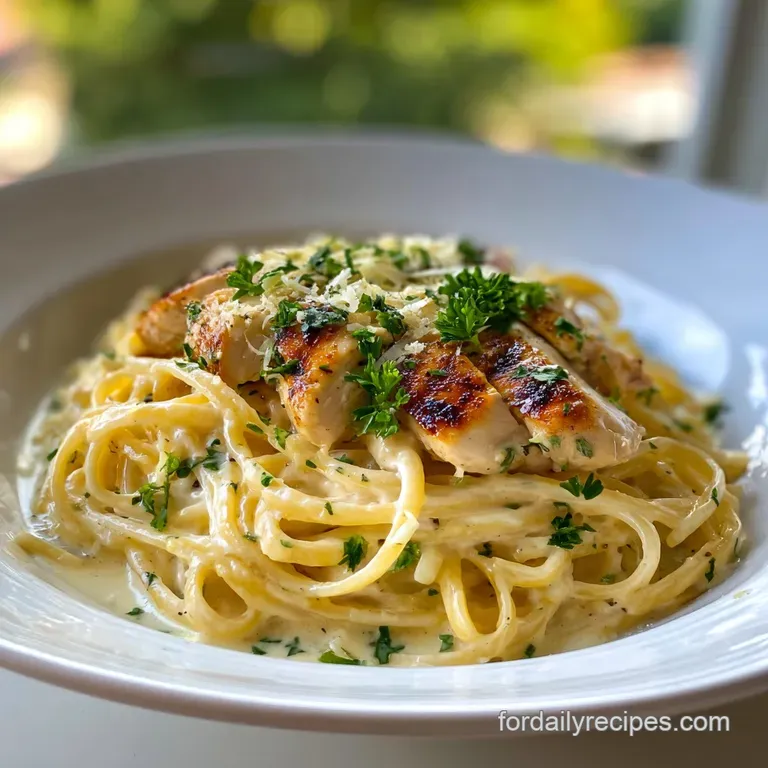
- Prep the chicken. Toss the 1.5 lbs of sliced chicken breast with 1 tsp sea salt, 0.5 tsp pepper, and 1 tsp garlic powder. Note: Seasoning before cooking ensures the flavor penetrates the meat.
- Sear the meat. Heat 2 tbsp olive oil in a large skillet over medium high heat. Add chicken and cook for 5 to 7 minutes until golden brown and the juices run clear.
- Boil the pasta. Drop 1 lb fettuccine into a pot of boiling water with 2 tbsp salt. Cook according to package directions until it has a slight bite (al dente).
- Sauté the aromatics. Remove chicken from the pan. Lower heat to medium and melt 0.5 cup unsalted butter. Add 3 minced garlic cloves and cook for 1 minute until the kitchen smells like sweet, roasted garlic.
- Simmer the cream. Pour in 2 cups heavy whipping cream and a pinch of nutmeg. Bring to a gentle simmer for 3 to 5 minutes until the sauce slightly thickens and coats the back of a spoon.
- Whisk in cheese. Turn heat to low. Gradually whisk in 1.5 cups Parmigiano Reggiano. Note: Adding cheese slowly prevents it from clumping.
- Smell the base. Take a second to notice the aroma. It should be rich, nutty, and slightly floral from the nutmeg.
- Combine ingredients. Add the cooked chicken and fettuccine back into the skillet. Toss everything together for 2 minutes until the sauce is velvety and clings to the pasta.
- Adjust consistency. If the sauce is too thick, splash in 1/4 cup of the reserved pasta water. Note: Starchy water is better than more cream for thinning the sauce.
- Final finish. Garnish with a little extra pepper or fresh parsley and serve immediately while the steam is still rising.
Secrets for Silky Results
Avoiding the Grainy Texture
The biggest heartbreak in an alfredo recipe is a grainy sauce. This usually happens when the heat is too high when the cheese is added. High heat causes the proteins in the cheese to tighten and separate from the fat, resulting in "sandiness." Always turn your burner to the lowest setting or off completely before whisking in your Parmesan.
Preventing Sauce Separation
If you see oil pooling at the top, your emulsion has broken. This often happens if the butter is melted too fast or the cream isn't whisked enough. To fix this, you can whisk in a tablespoon of very hot pasta water. The starch acts as a bridge to pull the oil and water phases back together into a smooth liquid.
| Problem | Root Cause | Solution |
|---|---|---|
| Sauce is too thin | Not simmered long enough | Simmer cream for 2 more minutes before adding cheese. |
| Clumpy cheese | Cheese added too fast | Whisk in small handfuls at a time on low heat. |
| Dry pasta | Pasta absorbed all sauce | Add a splash of starchy pasta water to loosen it up. |
Common Mistakes Checklist
- ✓ Never use "shaky can" Parmesan; the anti clumping agents prevent a smooth melt.
- ✓ Don't rinse your pasta! You need that surface starch to help the sauce stick.
- ✓ Always save a cup of pasta water before draining; it’s liquid gold for sauce texture.
- ✓ Pat the chicken dry with paper towels before seasoning to get a better golden sear.
- ✓ Use a heavy bottomed pan to prevent the cream from scorching on the edges.
Creative Flavor Variations
If you want to change things up, this base is incredibly forgiving. I love making chicken alfredo with broccoli by tossing in steamed florets at the very end. It adds a nice crunch and cuts through the richness of the cream. You could also use a Poultry Seasoning recipe on the chicken instead of just garlic powder for a more herbaceous, Sunday roast vibe.
For those busy nights, a chicken alfredo with rotisserie chicken is a total lifesaver. Just shred the pre cooked chicken and skip the searing step. You'll still get that incredible homemade sauce, but you’ll shave about 10 minutes off the total cook time.
When scaling this dish down for two, just halve everything. If you are doubling it for a party, be careful with the spices. I recommend only using 1.5x the salt and pepper initially, then tasting as you go.
Liquids like the cream can be doubled exactly, but spices tend to amplify more than you’d expect in larger batches.
Keeping the Sauce Fresh
This dish is best served immediately, but you can store leftovers in an airtight container in the fridge for up to 3 days. I don't recommend freezing this specific recipe because the cream and cheese emulsion often "breaks" during the thawing process, leaving you with a watery, grainy mess.
To reheat, avoid the microwave if possible. Instead, put the pasta in a skillet over low heat with a splash of milk or water. Stir gently as it warms up. This helps the sauce "re emulsify" so it becomes creamy again. If you have extra chicken scraps, don't throw them out!
They are perfect for adding to a salad or a quick wrap the next day to ensure zero waste.
Plating Your Comfort Feast
When you're ready to eat, don't just dump the pasta onto a plate. Use a pair of tongs to twirl the fettuccine into a high nest in the center of the bowl. This keeps the heat trapped inside and looks much more inviting. Top it with a few extra cracks of black pepper and a final dusting of cheese.
I personally think this pairs beautifully with a simple green salad or some crusty garlic bread to soak up the extra sauce. It’s a time honored tradition in my house, and once you smell that garlic and butter hit the pan, I think it’ll become one in yours too. If you're looking for more comfort food ideas, my Chicken Corn Chowder Recipe offers that same creamy satisfaction on a cold evening. Enjoy every bite!

Very High in Sodium
1620 mg mg of sodium per serving (70% of daily value)
The American Heart Association recommends limiting sodium intake to about 2,300mg per day for overall health.
Tips to Reduce Sodium in Your Fettuccine Alfredo
-
Reduce Cheese-15%
Parmigiano Reggiano is a significant source of sodium. Try reducing the amount of cheese by 25-50%, and adding a touch more nutmeg for flavor.
-
Limit Added Salt-15%
The recipe uses 1 tsp of sea salt for the chicken and 2 tbsp for the pasta water. Reduce the salt added to the chicken by 50% (use 1/2 tsp), and omit the salt in the pasta water completely. Salting the pasta water has a very small effect on seasoning, and the sauce will adequately flavor the pasta.
-
Use Salted or Unsalted Butter-10%
Opt for unsalted butter to avoid added sodium. Since the recipe includes salt, this would be a significant way to control sodium intake.
-
Enhance Flavor
Experiment with fresh herbs like parsley, thyme, or rosemary to boost flavor without adding sodium. A squeeze of lemon juice can also brighten the dish.
Recipe FAQs
What are the ingredients for simple chicken alfredo?
Key ingredients include: chicken breast, fettuccine pasta, unsalted butter, heavy whipping cream, and freshly grated Parmigiano Reggiano cheese. You'll also need olive oil, garlic, salt, pepper, garlic powder, and a pinch of nutmeg for seasoning.
What are the basic ingredients for Alfredo sauce?
Traditional Alfredo sauce relies on a few simple components: Unsalted butter, heavy whipping cream, and freshly grated Parmigiano Reggiano cheese are the absolute core. Garlic and black pepper are common additions to enhance flavor.
What makes chicken alfredo taste better?
Using high-quality, fresh ingredients makes a significant difference. Freshly grated Parmigiano Reggiano is crucial for a smooth, nutty flavor, and using heavy cream provides a richer, silkier sauce base than lighter milks.
What's the secret to good Alfredo?
The secret is temperature control and fresh cheese. Gently heat the cream and butter, then add the freshly grated Parmesan cheese off the heat or on very low heat to prevent it from clumping or becoming grainy. Mastering this fat in-water emulsification technique is key to a velvety sauce.
Can I use rotisserie chicken in chicken alfredo?
Yes, rotisserie chicken is a great shortcut. It saves time and adds a pre-cooked, flavorful element. Simply shred the chicken and add it to the sauce at the end to warm through, much like how pre-cooked chicken is integrated into our Chicken Corn Chowder Recipe.
How do I prevent my Alfredo sauce from being watery?
Ensure the sauce simmers long enough for the cream to reduce slightly. Before adding the cheese, let the heavy cream gently simmer for 3-5 minutes until it thickens enough to coat the back of a spoon.
You can also use a splash of starchy pasta water if the sauce becomes too thick when combining with the pasta.
Can I substitute the chicken breast for something else?
Yes, you can substitute chicken breast with other proteins. For a different poultry option, consider using chicken thighs which offer more moisture and flavor, similar to how they are prepared in our Baked Chicken Thighs: Oven Only Method. You could also use shrimp or even omit the meat for a vegetarian version.
Simple Chicken Alfredo
Ingredients:
Instructions:
Nutrition Facts:
| Calories | 1524 kcal |
|---|---|
| Protein | 84.3 g |
| Fat | 90.3 g |
| Carbs | 89.7 g |
| Fiber | 4.2 g |
| Sugar | 3.8 g |
| Sodium | 1620 mg |
