Oven Roasted Vegetables: Crispy & Caramelized
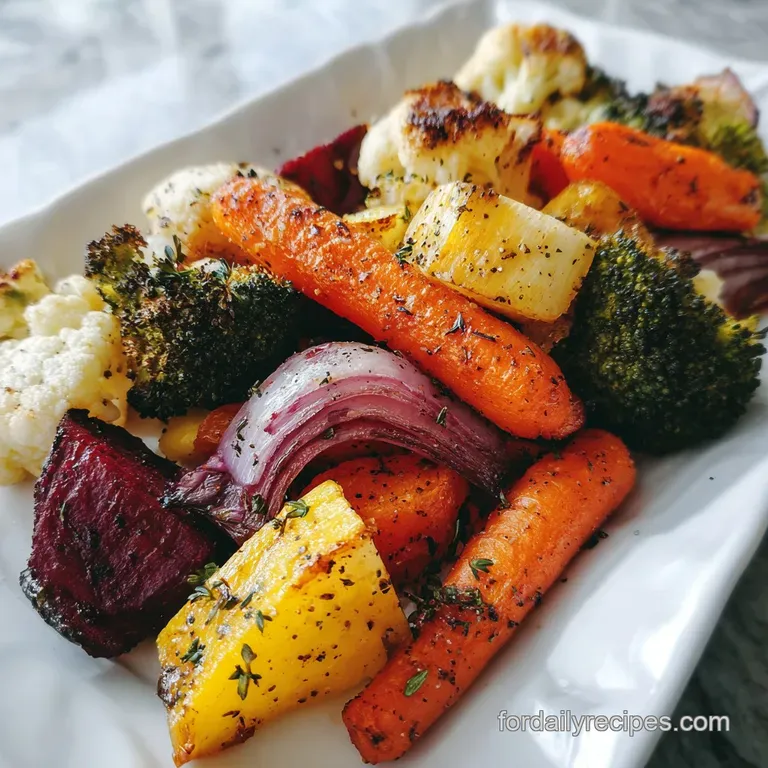
- Time: Active 15 minutes, Passive 35 minutes, Total 50 minutes
- Flavor/Texture Hook: Earthy sweetness with a shatter crisp potato edge
- Perfect for: Healthy meal prep or wholesome Sunday dinners
- Techniques for Crispy Oven Roasted Vegetables
- The Science of the Char
- Component Analysis and Selection
- The Essential Ingredient Elements
- Tools for Better Roasting Results
- Step-by-Step Cooking Execution
- Fixes for Common Cooking Mistakes
- Flavor Swaps and Seasonal Variations
- Tips for Storage and Reuse
- Best Main Dish Serving Partners
- Common Roasting Misconceptions
- Oven Roasted Vegetables FAQs
- 📝 Recipe Card
Techniques for Crispy oven-roasted Vegetables
The aroma of a hot baking sheet hitting the air is something I never get tired of. I remember the first time I tried making these, thinking I could just throw everything into a pile and hope for the best. What I got was a pale, steaming heap of sadness that tasted more like boiled water than a feast.
It was a total kitchen heartbreak.
But then I learned the "sheet pan space" rule, and everything changed. Now, when I pull a tray of oven-roasted Vegetables out of the oven, the sizzle is so loud it practically sings.
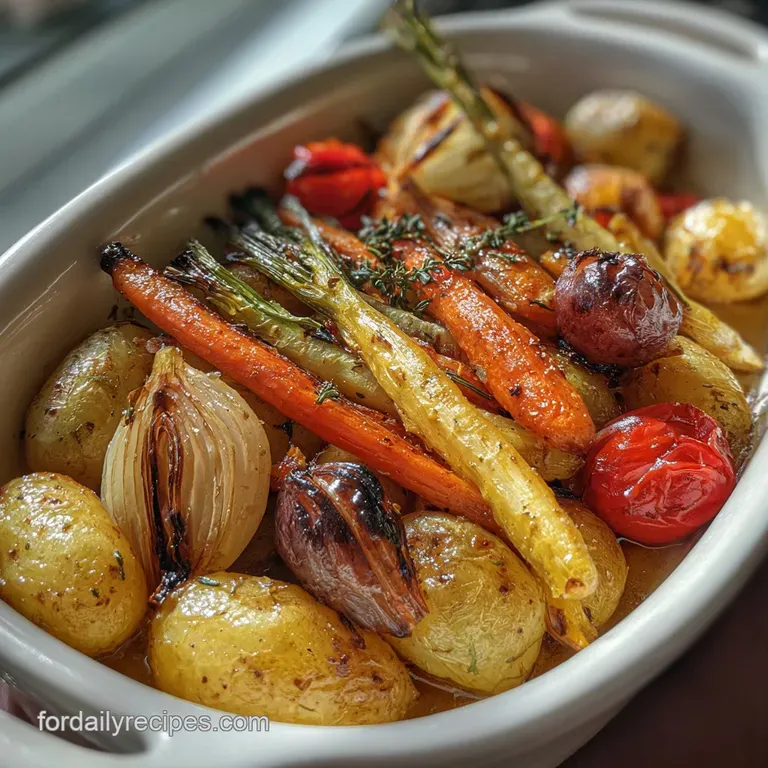
Those 1 lb Yukon Gold potatoes turn into golden nuggets that actually crunch when you bite into them, while the red onion wedges melt into jammy, sweet ribbons.
It’s about more than just heat, it's about giving the vegetables room to breathe. When you crowd them, they steam. When you spread them out, they roast. We're going for that deep, mahogany char that makes you want to pick the "ugly" burnt bits right off the tray before it even hits the table.
The Science of the Char
Thermal Evaporation: High heat drives surface moisture away rapidly, allowing the sugars to concentrate and brown instead of boiling in their own juices.
The Maillard Effect: Amino acids and reducing sugars react at 400°F to create complex, savory flavor compounds and that signature dark crust.
| Method | Time | Texture | Best For |
|---|---|---|---|
| Oven Roasting | 35 minutes | Crispy edges, tender core | Deep caramelization and volume |
| Stovetop Sauté | 15 minutes | Soft with occasional char | Quick side dishes for two |
| Air Fryer | 20 minutes | Extremely crunchy | Small batches or snacks |
Roasting is my favorite because it handles the bulk of a family meal without you standing over a hot stove. It pairs beautifully with a hearty main like my Eye of Round Roast recipe for a classic weekend spread.
Component Analysis and Selection
| Ingredient | Science Role | Pro Secret |
|---|---|---|
| Yukon Gold Potatoes | Starch Structure | These hold their shape better than Russets and offer a velvety, buttery interior. |
| Extra Virgin Olive Oil | Heat Conductor | It creates a thin film that transfers oven heat evenly to the vegetable skin. |
| Red Bell Pepper | Sugar Source | High fructose content leads to rapid charring and a smoky, concentrated sweetness. |
The Essential Ingredient Elements
- 1 lb Yukon Gold potatoes: Scrubbed and cubed into 1 inch pieces. Why this? They have a natural creaminess that doesn't go mealy.
- Substitute: Red potatoes (similar waxiness)
- 3 large carrots: Peeled and sliced into 3/4 inch diagonal rounds.
- Substitute: Parsnips or sweet potatoes
- 1 large parsnip: Peeled and cut into batons.
- Substitute: Rutabaga or extra carrots
- 1 large red bell pepper: Deseeded and cut into 1 inch squares.
- Substitute: Yellow or orange bell peppers
- 1 medium red onion: Cut into thick wedges.
- Substitute: Shallots or yellow onion
- 1 small zucchini: Sliced into 1/2 inch thick half moons.
- Substitute: Summer squash
- 3 tbsp Extra Virgin Olive Oil: For coating.
- Substitute: Avocado oil
- 1 tsp Sea salt: For seasoning.
- Substitute: Kosher salt
- 1/2 tsp Cracked black pepper: For a bit of bite.
- 1 tsp Dried oregano or thyme: For earthy notes.
- 1/2 tsp Smoked paprika: Adds a subtle wood fired flavor.
- 4 cloves garlic: Smashed but left in their skins. Why this? Leaving the skins on prevents the garlic from burning and turning bitter.
Tools for Better Roasting Results
You don't need fancy gadgets, but a heavy duty rimmed baking sheet is non negotiable. Thinner pans warp in high heat, which causes your oil to pool in one corner, leaving half your oven-roasted Vegetables dry and the other half greasy.
I usually reach for a half sheet pan (about 13x18 inches) to ensure everything has its own little "island" of space.
A large mixing bowl is also your best friend here. Don't try to season everything on the pan. You'll never get an even coat, and you'll end up with salt clumps. Tossing the 1 lb Yukon Gold potatoes and 3 large carrots in a bowl ensures every nook and cranny is slicked with oil and spices before they ever touch the heat.
step-by-step Cooking Execution
- Preheat the oven to 400°F (200°C). Note: A hot oven is vital for immediate moisture evaporation.
- Prep the 1 lb Yukon Gold potatoes by cutting them into uniform 1 inch cubes until they look consistent for even cooking.
- Slice the 3 large carrots and 1 large parsnip into diagonal rounds and batons.
- Toss all vegetables except the zucchini in a large bowl with the 3 tbsp olive oil.
- Add the sea salt, black pepper, dried herbs, and smoked paprika to the bowl.
- Coat the vegetables thoroughly until every piece is glossy and seasoned.
- Spread the mixture onto a large baking sheet in a single layer.
- Tuck the 4 smashed garlic cloves between the vegetables.
- Roast for 20 minutes until the potatoes start to show golden edges.
- Add the zucchini half moons and toss everything gently.
- Bake for another 15 minutes until the vegetables are tender and charred.
Fixes for Common Cooking Mistakes
Why Your Vegetables Turn Mushy
This usually happens because of "crowding." When vegetables are too close, the water they release can't escape as steam. It gets trapped, effectively boiling the veggies. Always use two pans if you're doubling the recipe to keep that dry heat circulating.
The Problem of Uneven Cooking
Hard root vegetables like carrots take longer than peppers or zucchini. If you put them all in at once for the full 35 minutes, the zucchini will turn to mush. Adding the softer vegetables halfway through is the secret to a tray where everything is done at the exact same time.
| Problem | Root Cause | Solution |
|---|---|---|
| Burnt Garlic | Exposed cloves | Keep skins on or add garlic in the last 10 minutes. |
| Dry Veggies | Not enough oil | Ensure a full 3 tbsp for 2 lbs of produce. |
| Pale Potatoes | Low oven temp | Ensure oven is fully preheated to at least 400°F. |
✓ Always pat your vegetables dry after washing to remove surface moisture. ✓ Cut denser vegetables (carrots/parsnips) slightly smaller than softer ones. ✓ Use a metal spatula to flip the vegetables halfway for a double sided crunch.
✓ Don't skip the "resting" period; it lets the interiors finish softening.
Flavor Swaps and Seasonal Variations
If you're feeling a bit adventurous, try adding a Mediterranean roasted vegetables vibe by tossing in some kalamata olives and feta cheese right after the tray comes out. The residual heat softens the cheese just enough to make it creamy without losing its shape.
For a bit of heat, a pinch of red pepper flakes or a drizzle of spicy honey works wonders. I often serve a version of this alongside my CattleRanch Casserole recipe when I want a fresh, vibrant contrast to a heavy beef dish.
Tips for Storage and Reuse
Fridge Storage: Place leftovers in an airtight container for up to 4 days. They will lose their crispness but keep their flavor.
Zero Waste Tips: Don't throw away those carrot peels or onion ends! Toss them into a freezer bag for making homemade vegetable stock later. If you have leftover roasted bits, chop them up and fold them into a morning omelet or a grain bowl for a quick lunch.
Reheating: Avoid the microwave unless you like soggy veggies. To bring back the "shatter" crunch, pop them back into a 400°F oven or an air fryer for 5 minutes.
Best Main Dish Serving Partners
These oven-roasted Vegetables are a versatile workhorse in the kitchen. They are wholesome enough to stand alone with a dollop of hummus, but they really shine when paired with a protein.
The Grain Bowl Foundation
Layer the roasted carrots and peppers over a bed of quinoa or farro. Add a drizzle of tahini and a squeeze of lemon for a plant forward meal that feels substantial without being heavy.
The Classic Roast Accompaniment
Nothing beats the sight of a golden tray of veggies sitting next to a roast chicken or beef. The smoked paprika in the seasoning ties the earthy vegetables to the savory meat flavors beautifully.
Common Roasting Misconceptions
One big myth is that you need to boil potatoes before roasting them. While that works for some recipes, Yukon Golds are creamy enough to soften perfectly in 35 minutes at 400°F without the extra step. Pre boiling often leads to the vegetables falling apart on the sheet pan.
Another misconception is that any oil will do. Lower smoke point oils like unrefined flax or extra virgin oils not meant for heat can break down and taste bitter. Stick to a high-quality Extra Virgin Olive Oil or avocado oil to ensure the flavor stays clean and the vegetables get that over high heat sear they deserve.
oven-roasted Vegetables FAQs
What temperature is best for roasting veggies?
400°F (200°C) is ideal. This high heat drives off moisture quickly, caramelizing the natural sugars for that perfect crispy exterior and tender interior. Anything lower risks steaming rather than roasting.
Which vegetables are good for oven roasting?
Many are excellent, especially root vegetables and dense produce. Think potatoes, carrots, parsnips, sweet potatoes, broccoli, cauliflower, Brussels sprouts, bell peppers, and onions.
Softer vegetables like zucchini and asparagus roast best when added later in the cooking time to prevent them from becoming mushy.
How long do roasted vegetables take in the oven?
Typically 30-45 minutes, depending on the vegetable. Denser vegetables like potatoes and carrots will take longer, often requiring a head start. Softer vegetables like bell peppers or zucchini are best added during the last 15-20 minutes of cooking to ensure they don't overcook.
How to make perfect roast vegetables?
Ensure vegetables have adequate space on the baking sheet. Crowding causes them to steam instead of roast; aim for a single layer where each piece can get direct contact with the hot air.
Properly preheating your oven and using enough oil to lightly coat each piece are also key for achieving that desired crispness and caramelization.
Is it true that vegetables must be cut uniformly for roasting?
Yes, aiming for similar sizes is crucial. This ensures that all the vegetables cook evenly and are done at the same time. If you have pieces of vastly different sizes, the smaller ones might burn while the larger ones are still undercooked.
Can I use frozen vegetables for roasting?
No, it’s best to stick with fresh vegetables. Frozen vegetables contain excess moisture that will steam during the roasting process, preventing them from getting crispy. If you must use frozen, thaw them completely and pat them very dry before roasting, but expect a less desirable texture.
What is the best way to season roasted vegetables?
Toss them with oil, salt, and pepper before roasting. A good quality olive oil or avocado oil helps them brown and adds flavor. Don't be shy with the salt and pepper they enhance the natural sweetness of the vegetables.
You can also add dried herbs like rosemary or thyme, or spices like garlic powder or paprika for extra depth.
oven-roasted Veggies
Ingredients:
Instructions:
Nutrition Facts:
| Calories | 214 kcal |
|---|---|
| Protein | 3.3 g |
| Fat | 8.6 g |
| Carbs | 33.2 g |
| Fiber | 5.9 g |
| Sugar | 6.1 g |
| Sodium | 510 mg |
