Meatballs Cooked in Oven with Garlic and Herbs
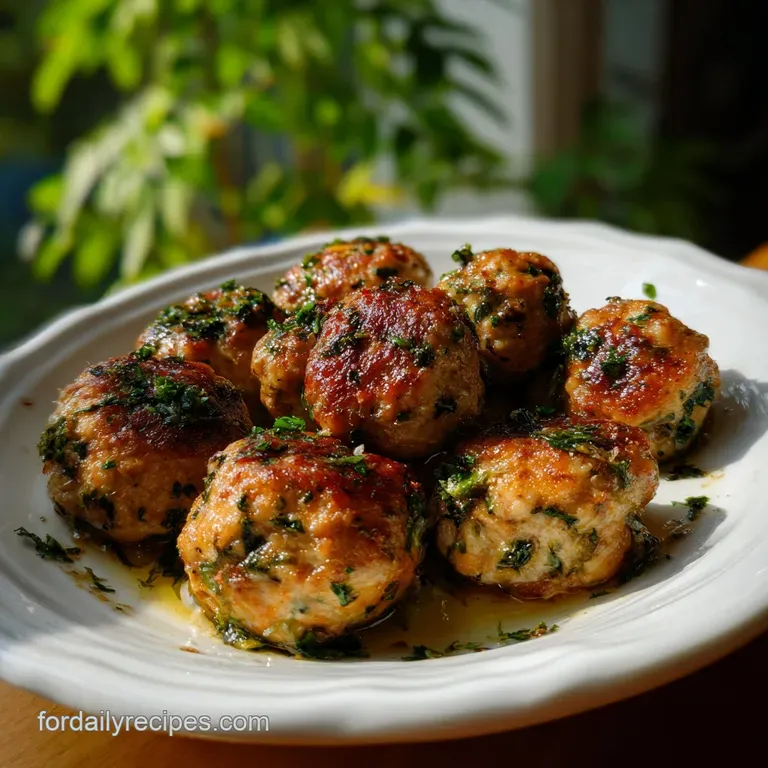
- Time: Active 15 minutes, Passive 20 minutes, Total 35 minutes
- Flavor/Texture Hook: Shatter crisp edges with a velvety, herb infused center
- Perfect for: Stress free weeknight dinners or time honored family Sunday roasts
- Perfect Meatballs Cooked in Oven with Garlic and Herbs
- The Science of Why it Works
- Ingredient Component Analysis
- Selecting Quality Fresh Ingredients
- Tools for Flawless Results
- Mastering the Cooking Process
- Solving Common Preparation Issues
- Recipe Scaling Guidelines
- Heritage Myths Debunked
- Storage and Zero Waste
- Serving Suggestions and Pairings
- Recipe FAQs
- 📝 Recipe Card
Perfect Meatballs Cooked in Oven with Garlic and Herbs
The kitchen fills with that unmistakable aroma of sizzling garlic and toasted oregano, a scent that always reminds me of my grandmother’s Sunday kitchen. I remember watching her spend ages at the stovetop, dodging splattering oil and constantly turning meatballs so they wouldn't scorch.
It was a labor of love, but honestly, it was exhausting and left the stove a greasy mess.
That's why I switched to this oven baked method. By roasting them at a high temperature, we get that beautiful browning without the constant babysitting. This article shares a standout recipe for wonderfully flavorful meatballs cooked in oven with garlic and herbs that solves the age old problem of dry, rubbery meat.
We are leaning into heritage flavors but using a few modern tricks to keep things simple and reliable.
Trust me, once you see how the herbs bloom in the oven heat, you'll never go back to the frying pan. We are looking for that perfect contrast: a slightly firm, browned crust on the outside and a center that almost melts away.
It’s about working smarter, not harder, to get those time honored results our families crave.
The Science of Why it Works
The Panade Effect: Greek yogurt and panko create a starch protein matrix that traps moisture, preventing the beef proteins from over tightening.
Maillard Reaction: High oven heat triggers a chemical reaction between amino acids and reducing sugars, producing the savory "browned" flavor profile.
Aromatic Volatilization: Fat in the beef absorbs the essential oils from the fresh oregano and parsley, distributing herb flavor throughout the entire meatball.
| Thickness | Internal Temp | Rest Time | Visual Cue |
|---|---|---|---|
| 1.5 inch (3.8 cm) | 160°F (71°C) | 5 minutes | Juices run clear, no pink |
| 1 inch (2.5 cm) | 160°F (71°C) | 3 minutes | Firm to the touch, browned |
| 2 inch (5 cm) | 160°F (71°C) | 7 minutes | Deep brown exterior |
The thickness of your meatballs directly dictates the cook time. If you prefer a larger, deli style meatball, you'll need to extend the oven time and the resting period to ensure the center reaches safety without the outside becoming tough.
Ingredient Component Analysis
| Ingredient | Science Role | Pro Secret |
|---|---|---|
| Lean Ground Beef | Structural Base | Use 90/10 ratio to prevent excessive shrinkage and grease pools |
| Greek Yogurt | Moisture Retention | The acidity tenderizes muscle fibers, acting as a "softener" for the meat |
| Panko Breadcrumbs | Texture Anchor | Panko stays airy, preventing the meatballs from becoming dense "hockey pucks" |
While many people reach for milk or cream, the thickness of Greek yogurt provides a superior bind. It holds the breadcrumbs in a suspension that keeps the beef from compressing too tightly during the roasting process.
Selecting Quality Fresh Ingredients
The heritage feel of this dish comes from using real, whole ingredients rather than powders. When you use fresh herbs, you get a bright, grassy note that dried versions simply cannot replicate.
- 1 lb (454g) lean ground beef (90/10): Why this? Provides enough fat for flavor without making the tray greasy. (Substitute: Ground turkey or lamb)
- 1 large egg, lightly beaten: Why this? Acts as the primary protein glue for the structure. (Substitute: 1/4 cup silken tofu)
- 4 cloves garlic, minced into a fine paste: Why this? Paste distributes flavor better than chunks. (Substitute: 1.5 tsp garlic powder)
- 0.5 cup (25g) fresh Italian flat leaf parsley, finely chopped: Why this? Adds a clean, peppery brightness. (Substitute: Fresh cilantro for a twist)
- 1 tbsp fresh oregano, minced: Why this? Provides the classic Mediterranean earthy depth. (Substitute: 1 tsp dried oregano)
- 0.5 tsp red pepper flakes: Why this? Cuts through the richness with a tiny spark. (Substitute: 0.5 tsp smoked paprika)
- 0.5 tsp sea salt: Why this? Enhances every other aromatic in the mix. (Substitute: Kosher salt)
- 0.5 tsp cracked black pepper: Why this? Freshly cracked offers more floral notes. (Substitute: White pepper)
- 0.5 cup (30g) panko breadcrumbs: Why this? Creates a lighter, fluffier internal texture. (Substitute: Crushed crackers)
- 2 tbsp plain Greek yogurt: Why this? The secret weapon for permanent juiciness. (Substitute: Sour cream)
- 0.25 cup (25g) freshly grated Parmesan cheese: Why this? Adds a salty, umami kick to the crust. (Substitute: Pecorino Romano)
When choosing your beef, look for a bright cherry red color. Similar to selecting the meat for an Eye of Round Roast recipe, freshness is the most important factor for achieving a clean, savory finish.
Tools for Flawless Results
You don't need a professional kitchen, but a few specific tools make this process much cleaner. I used to roll these by hand, but a cookie scoop changed my life. It ensures every meatball is the exact same size, which means they all finish cooking at the exact same second.
- Large Rimmed Baking Sheet: Essential for catching any juices.
- Parchment Paper or Silicone Mat: Prevents the Parmesan from sticking and burning.
- Large Mixing Bowl: Gives you enough room to fold the ingredients without mashing them.
- Small Cookie Scoop (1.5 tbsp size): For perfect, consistent spheres.
- Microplane: For turning those garlic cloves into a fine, flavor packed paste.
Chef Tip: Freeze your Parmesan for 10 minutes before grating. It prevents the cheese from clumping and creates those tiny, lacey bits that melt perfectly into the meat.
Mastering the Cooking Process
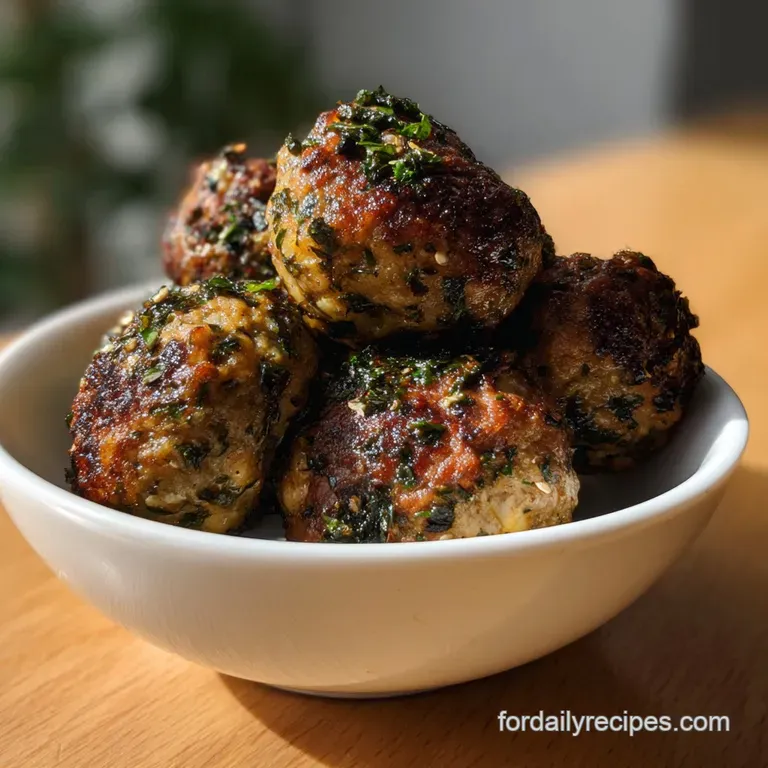
1. The Aromatic Fusion
In your large bowl, whisk the egg, Greek yogurt, minced garlic paste, parsley, oregano, red pepper flakes, salt, and pepper. Note: Mixing the aromatics before adding the meat ensures the garlic and salt are evenly distributed so you don't end up with one salty meatball and three bland ones.
2. Gentle Folding
Add the ground beef, panko, and Parmesan to the liquid mixture. Use your hands or a fork to gently fold the ingredients together until just combined. Note: Stop as soon as the white flecks of yogurt disappear; overworking the meat will result in a tough, rubbery texture.
3. Precision Portioning
Line your baking sheet with parchment. Use the cookie scoop to portion out the meat, then gently roll each between your palms into a smooth ball. Note: Don't squeeze them tightly; a light touch keeps the interior airy.
4. The Precision Roast
Preheat your oven to 400°F (200°C). Space the meatballs at least 1 inch (2.5 cm) apart on the tray. Bake 18-20 minutes until the surfaces are deeply browned and sizzling.
5. The Sizzle Check
Halfway through, rotate the pan. You should hear a distinct sizzle and see the fat bubbling around the base of each sphere. This is the Maillard reaction in full swing.
6. Temperature Verification
Use an instant read thermometer to check the center of the largest meatball. Pull them when they hit 160°F (71°C) to prevent drying.
7. The Resting Phase
Transfer the meatballs to a clean plate and tent loosely with foil. Let them rest for 5 minutes until the juices redistribute throughout the meat.
8. Final Herb Garnish
Sprinkle a little extra fresh parsley over the top while they are still hot. The residual heat will release one last burst of herbal aroma right before serving.
Solving Common Preparation Issues
Why Your Meatballs Fall Apart
This usually happens because the binder is too wet or the meat was too cold. If the beef is straight from the fridge and has a high water content, the egg can't quite "grab" onto the fibers. Ensure your panko has a minute to absorb the yogurt before you start rolling.
Preventing the Soggy Bottom
If your meatballs are sitting in a pool of liquid, the bottoms will steam instead of roast. This is why we use 90/10 beef. If you use a higher fat content, you might want to place a wire cooling rack inside your baking sheet to lift the meat up, allowing the hot air to circulate underneath.
| Problem | Root Cause | Solution |
|---|---|---|
| Rubbery Texture | Over mixing the meat | Mix only until ingredients are just incorporated |
| Gray/Pale Surface | Oven temp too low | Ensure oven is fully preheated to 400°F (200°C) |
| Dry Center | Overcooked | Use a meat thermometer and pull at 160°F (71°C) |
Similar to the technique used in an Air Fryer Meatballs recipe, the goal is high, dry heat to lock in the flavor.
Common Mistakes Checklist
- ✓ Pat the ground beef dry with a paper towel if it looks excessively moist before mixing.
- ✓ Preheat the oven for at least 15 minutes to ensure the initial heat hit is strong.
- ✓ Don't skip the yogurt; it provides the acidity needed to keep the proteins tender.
- ✓ Use fresh herbs over dried whenever possible for that vibrant "green" flavor profile.
- ✓ Let the meatballs rest before serving to ensure they stay juicy when bitten into.
Recipe Scaling Guidelines
When you're feeding a crowd, meatballs are the ultimate prep ahead meal. However, you can't just double everything and hope for the best.
Scaling Down (1/2 batch): Use the whole egg but reduce the yogurt to 1 tbsp. Since you're using less mass, they might cook 2-3 minutes faster, so start checking the temperature early.
Scaling Up (2x or more): Do not crowd the pans. If you have to bake 40 meatballs, use two separate sheets on different racks. Increase the herbs linearly, but keep the salt and red pepper flakes to about 1.5x the original amount to avoid over seasoning.
Chef Tip: If you're making a massive batch, add a splash of espresso to the mix if you're using a beef/lamb blend. It deepens the "meaty" flavor without tasting like coffee.
| Method | Time | Texture | Best For |
|---|---|---|---|
| Oven | 20 mins | Evenly browned | Large batches, meal prep |
| Air Fryer | 12 mins | Extra crispy | Quick dinners for two |
| Stovetop | 15 mins | Heavily seared | Small batches in sauce |
Heritage Myths Debunked
One of the biggest myths in the culinary world is that you must "sear" meat to lock in juices. Science tells us that searing actually creates a flavor crust through the Maillard reaction, but it doesn't actually form a waterproof seal.
The moisture stays inside because of the panade (our yogurt and panko), not because the outside is brown.
Another misconception is that you need high fat meat for moisture. While fat adds flavor, the Greek yogurt in this recipe provides a chemical moisture lock that works even with lean beef. This allows you to have a lighter meal without sacrificing that "melt in-your mouth" heritage quality we love.
Storage and Zero Waste
Storage: These keep beautifully in the fridge for up to 4 days in an airtight container. To reheat, avoid the microwave if possible; it turns the protein rubbery. Instead, pop them back in a 350°F (175°C) oven for 8 minutes or simmer them directly in your favorite tomato sauce.
Freezing: You can freeze these either raw or cooked. If raw, freeze them on a tray first so they don't stick together, then transfer to a bag for up to 3 months. If cooked, they’ll last about 2 months.
Zero Waste: Never toss the herb stems! While we only use the leaves for the meatballs, the stems of parsley and oregano are packed with flavor. Toss them into a freezer bag and use them the next time you're making a stock or a Seafood Boil Sauce Recipe for a boost of aromatics.
Serving Suggestions and Pairings
These meatballs are incredibly versatile. For a time honored Mediterranean vibe, serve them over a bed of lemon zested orzo with a dollop of extra Greek yogurt on the side. The acidity of the lemon cuts through the rich Parmesan beautifully.
If you're looking for comfort, they are the natural partner for a slow simmered marinara. Just drop them into the sauce for the last 5 minutes of cooking. They also make an incredible "meatball melt" sandwich stuff them into a toasted baguette with provolone and a sprinkle of extra red pepper flakes for a bit of heat.
| Original Ingredient | Substitute | Why It Works |
|---|---|---|
| Lean Ground Beef | Ground Turkey (93/7) | Similar structure. Note: Turkey is leaner; add 1 tsp olive oil to prevent drying |
| Panko Breadcrumbs | Almond Flour | Great for gluten-free. Note: Texture will be denser and slightly nuttier |
| Greek Yogurt | Sour Cream | Same acidity and fat content. Note: Adds a slightly tangier flavor profile |
Whatever you do, make sure you have some crusty bread nearby. The little bit of juice that escapes onto the baking sheet is pure liquid gold, seasoned with all that garlic and herb goodness. It's the kind of meal that makes everyone linger at the table just a little bit longer.
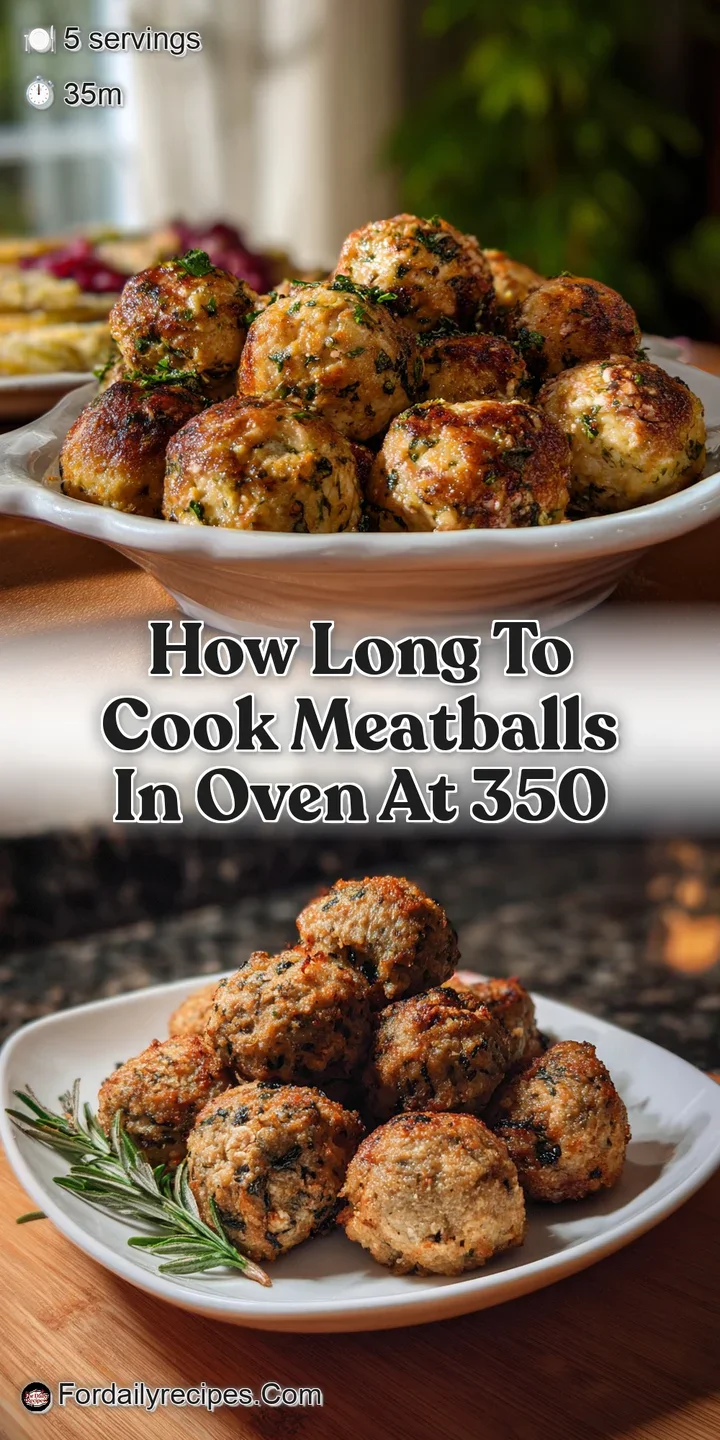
Recipe FAQs
Is it better to bake meatballs at 350 or 400 in the oven?
Bake at 400°F (200°C). A higher temperature promotes better browning and a crispier exterior, which is crucial for flavor development through the Maillard reaction, similar to how we achieve a great crust in other roasted dishes.
Can you put mixed herbs in meatballs?
Yes, absolutely. Using a mix of fresh herbs like parsley and oregano, as in our recipe, adds layers of bright, aromatic flavor that complement the savory meat beautifully. Just ensure they are finely chopped for even distribution.
How long should meatballs be cooked in the oven?
Bake for 18-20 minutes at 400°F (200°C). The exact time depends on size, but aim for an internal temperature of 160°F (71°C) and a deeply browned exterior. For perfectly cooked meatballs every time, check out the temperature based cooking cues in our EASY New Years Appetizer Recipe with Garlic and Herbs seriously: Ready Fast.
How long to heat meatballs in the oven at 350 degrees?
Reheat for about 8 minutes at 350°F (175°C). This gentler heat is perfect for warming pre-cooked meatballs without drying them out. For optimal results, try to reheat them in a sauce or on a baking sheet rather than the microwave.
Why are my baked meatballs falling apart?
They might be overworked or too wet. Overmixing the meat can make it tough, while a binder that's too wet won't hold the structure. Gentle mixing and ensuring your panko has a moment to absorb moisture before rolling is key to preventing this.
Can I make these meatballs ahead of time?
Yes, they are excellent for making ahead. You can refrigerate the formed meatballs for up to 4 days before baking, or bake them and then store them in an airtight container for up to 4 days. They also freeze well, either raw or cooked.
What's the best way to ensure my oven baked meatballs stay juicy?
Use a panade and don't overcook. Incorporating Greek yogurt and panko, as in this recipe, creates a binder that traps moisture. Crucially, use an instant read thermometer and pull the meatballs when they reach 160°F (71°C) to avoid drying them out.
Oven Meatballs Garlic Herb
Ingredients:
Instructions:
Nutrition Facts:
| Calories | 233 kcal |
|---|---|
| Protein | 22.4 g |
| Fat | 9.2 g |
| Carbs | 8.2 g |
| Fiber | 0.6 g |
| Sugar | 0.8 g |
| Sodium | 352 mg |
