Mexican Chicken Recipe with Cilantro
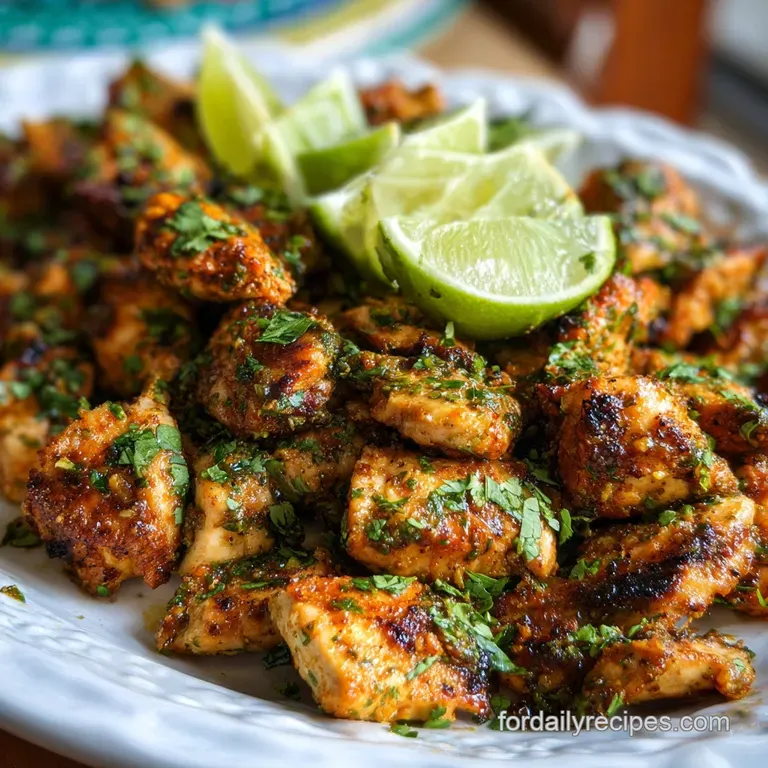
- Time: Active 10 minutes, Passive 10 minutes, Total 20 minutes
- Flavor/Texture Hook: Zesty lime sizzle with a shatter crisp exterior and velvety center.
- Perfect for: High energy weeknight dinners or vibrant meal prep bowls.
Honestly, I used to think the word "zesty" was just something people wrote on salad dressing bottles until I finally figured out how to balance this dish. This Mexican chicken recipe with cilantro and lime will become your new weeknight favorite.
It has that specific, high octane flavor profile that makes you feel like you've actually put effort into a meal, even when you're just standing over a skillet in your pajamas on a Tuesday.
I remember the first time I tried making a recipe with cilantro and lime without a plan. I let the chicken sit in the juice for four hours, thinking more time meant more flavor. I ended up with poultry that had the texture of wet cardboard. It was a disaster.
But that mistake taught me about the delicate dance between acid and protein, a lesson that completely changed how I approach global flavors in my kitchen.
We are going for a specific contrast here: the bright, aggressive punch of lime against the deep, earthy warmth of cumin and smoked paprika. It transcends borders and brings that extraordinary street taco energy right onto your dinner plate.
You won't just get a "good" dinner; you'll get a meal that has people asking for your secrets. Let's get into what actually makes this work so you don't repeat my old mistakes.
Mastering Mexican Chicken Recipe with Cilantro
The real magic happens when the cold, marinated meat hits a ripping hot pan. That immediate hiss isn't just noise; it is the sound of moisture evaporating and flavors locking in. When you use this Mexican chicken recipe with cilantro, you are using a technique that relies on high impact aromatics.
We aren't hiding the chicken; we are highlighting it with a citrus forward profile that feels incredibly fresh.
The Science of Why it Works Citric acid acts as a chemical tenderizer by denaturing the tightly wound protein strands in the chicken, while the honey provides the necessary sugars to trigger the Maillard reaction at a lower surface temperature.
This combination ensures the meat stays juicy on the inside while developing a complex, caramelized crust on the outside.
- Tip 1: Bruise the stems. Most people throw away cilantro stems, but they hold the most concentrated oils. Use a rolling pin to lightly bruise them before chopping to release those hidden flavors.
- Tip 2: Freeze your butter. If you want a truly velvety finish, whisk in a tablespoon of frozen, grated butter right at the end of the pan sear. It creates a glossy emulsion with the lime juice.
- Tip 3: The weight method. Place a heavy cast iron press or another heavy skillet on top of the chicken while it sears to ensure every millimeter of the surface gets that golden, shatter crisp texture.
| Method | Texture | Time Investment |
|---|---|---|
| Fast (Pan sear) | Shatter crisp skin, juicy | 20 minutes |
| Classic (Slow braise) | Tender, shredded, soft | 2 hours |
This comparison shows why we choose the pan sear. We want that textural contrast between the seared outside and the tender inside, which a slow braise just cannot replicate in under half an hour.
Core Recipe Specifications
Precision is the difference between a meal that's "fine" and one that's extraordinary. When you're working with lean proteins like chicken breasts, you have a very narrow window of perfection. We've all eaten that rubbery, overcooked chicken at a catered wedding, and we aren't doing that here.
By pounding the meat to a consistent thickness, we ensure the edges don't dry out before the center is safe to eat.
To get this right, you need to keep three specific numeric checkpoints in mind while you cook. First, ensure your chicken is pounded to exactly 1/2 inch thickness. Second, wait until your pan reaches a surface temperature of at least 400°F before adding the oil.
Third, pull the chicken off the heat the second it hits 160°F, as carryover cooking will bring it to the safe 165°F while it rests.
This recipe pairs beautifully with a Chicken Thigh Marinade recipe if you decide to swap the breasts for darker meat during your next weekend cook off. Using thighs will change the fat content and the cooking time, so keep that in mind when you're planning your session.
Selecting Your Flavor Components
Choosing the right elements is like assembling a team for a heist. Each ingredient has a very specific job to do. We aren't just using lime for sourness; we are using it for structural change in the meat. The garlic isn't just for scent; it provides a pungent base that grounds the lighter citrus notes.
This Mexican chicken recipe relies on these components working in harmony to create a profile that feels both bright and rich.
| Ingredient | Science Role | Pro Secret |
|---|---|---|
| Lime Juice | Protein Denaturant | Use room temp limes for 20% more juice yield. |
| Smoked Paprika | Color & Flavor | Bloom it in the oil first to unlock fat soluble compounds. |
| Honey | Browning Agent | Prevents the acid from making the meat taste "sharp." |
| Garlic | Aromatic Base | Smashed cloves release more allicin than sliced ones. |
When you are looking at your pantry, remember that quality matters. Freshly cracked black pepper has a volatile oil content that pre ground pepper simply lacks. If you can, grind it yourself right before it hits the marinade. It makes a world of difference when that spice hits the heat of the pan.
If you find yourself missing an ingredient, don't panic. The kitchen is a place for adventure, and we can always pivot. Here is how you can swap things out without losing the soul of the dish.
| Original Ingredient | Substitute | Why It Works |
|---|---|---|
| Extra Virgin Olive Oil | Avocado Oil | Higher smoke point; keeps the healthy fat profile. |
| Honey | Agave Nectar | Same sugar structure. Note: Agave is sweeter, so use 25% less. |
| Sea Salt | Kosher Salt | Similar clean taste. Use 1.5x the volume for Diamond Crystal. |
| Fresh Cilantro | Fresh Parsley + Mint | Mimics the "green" notes. Note: Won't have that classic soapy citrus cilantro punch. |
If you have leftovers of these ingredients, they are extraordinary when chopped and tossed into a Chicken Corn Chowder Recipe for a smoky, southwestern twist. It is a great way to ensure nothing goes to waste while keeping your palate excited.
Necessary Kitchen Hardware
You don't need a thousand dollar setup to make an incredible Mexican chicken recipe, but you do need tools that can handle heat. A thin, non stick pan is the enemy here. We want something with thermal mass something that won't drop in temperature the second you drop the cold chicken into it.
I almost always reach for my cast iron skillet (like a Lodge) for this. It holds heat like a champion and creates that coveted crust. If you don't have cast iron, a heavy stainless steel pan will work, but you'll need to be more careful with your oil levels to prevent sticking.
You will also need a solid meat thermometer. Stop guessing. Your finger isn't a calibrated instrument, and the difference between juicy and dry is only about five degrees.
Executing the Perfect Cook
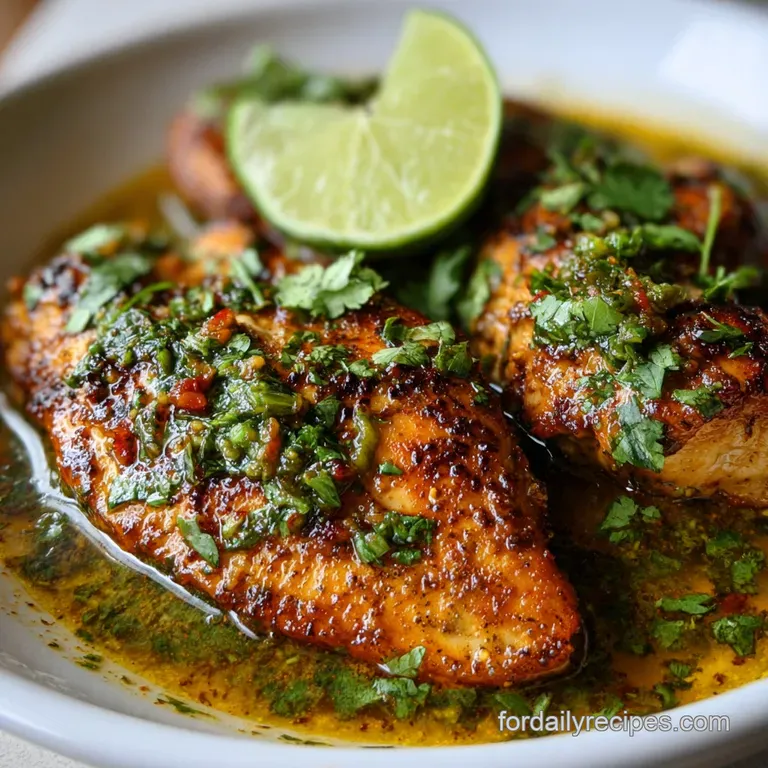
Let's crack on with the process. Follow these steps closely, especially the cues on what to see and hear.
- Prepare the protein. Place the chicken breasts between two sheets of plastic wrap. Use a meat mallet or a heavy rolling pin to pound them to a uniform 1/2 inch thickness. Note: This ensures even cooking and prevents the "bulge" in the center.
- Whisk the marinade. In a large bowl, combine 3 tbsp olive oil, 1/4 cup lime juice, 1 tsp honey, cumin, smoked paprika, chili powder, sea salt, and black pepper.
- Incorporate the aromatics. Stir in the 1 cup of chopped cilantro and 4 minced garlic cloves.
- Marinate the chicken. Place the chicken in the bowl and coat thoroughly. Let it sit at room temperature for 10 minutes. Until the meat loses its translucent look and starts to turn slightly opaque.
- Heat the skillet. Place your pan over medium high heat with a splash of oil. Until a drop of water flicked onto the surface dances and evaporates instantly.
- Sear the first side. Lay the chicken pieces in the pan, moving away from you to avoid splashes. Cook for 5 minutes until a deep, mahogany crust forms and the edges turn white.
- Flip and finish. Turn the chicken over. Cook for another 4 to 5 minutes until the internal temperature reaches 160°F and the sizzle softens slightly.
- Rest the meat. Remove the chicken to a clean cutting board or warm plate. Cover loosely with foil.
- Wait for juices. Let the chicken rest for 5 minutes. Note: This allows the muscle fibers to relax and reabsorb the internal juices.
- Slice and serve. Cut against the grain into strips. Until you see the glistening, moist interior of the perfectly cooked bird.
Avoiding Common Kitchen Mistakes
Even the best of us hit a snag sometimes. The most common issue with this with cilantro and lime profile is the "grey meat" syndrome. This happens when the pan isn't hot enough, or the chicken is too crowded, causing the meat to steam in its own juices rather than searing.
Why did my chicken turn out grey?
If your pan is too small, the moisture released by the chicken has nowhere to go. It pools at the bottom and boils the meat. Work in batches to give each piece at least an inch of space. Also, make sure you pat the chicken slightly dry before it hits the pan if the marinade is too watery.
| Problem | Root Cause | Fix |
|---|---|---|
| Meat is tough/rubbery | Overcooked | Use a thermometer; pull at 160°F. |
| Flavor is bitter | Burnt garlic | Add garlic to the marinade, not directly to the pan. |
| Crust won't form | Pan too cold | Wait for the oil to shimmer/smoke slightly before adding meat. |
Another thing to watch for is the lime juice quality. If you use the stuff from the plastic lime shaped bottle, it will taste metallic and flat. Always go for fresh. The oils in the zest also add a dimension that bottled juice completely lacks.
Creative Serving Variations
This recipe is a canvas. While it's extraordinary on its own, you can take it in several different directions depending on your mood or the day of the week.
- If you want a crunchier texture, dredge the marinated chicken lightly in cornstarch before searing to create a "shatter glass" crust.
- If you want more heat, finely dice a serrano pepper and include the seeds in the marinade for a slow, lingering burn.
- If you want a smokier profile, swap the regular chili powder for chipotle powder and char your limes on the grill before squeezing them.
How do I make Mexican chicken bowls cilantro lime style?
To turn this into a bowl, start with a base of fluffy cilantro rice or quinoa. Top with black beans, roasted corn, and sliced avocado. The residual lime juice from the chicken will act as a natural dressing for the entire bowl, tying the components together.
Can I make this a sheet pan cilantro lime chicken recipe?
Absolutely. Toss the marinated chicken with some bell peppers and onions. Spread everything on a large baking sheet and roast at 400°F for about 15 to 18 minutes. It won't have the same sear as the skillet, but it's a fantastic hands off method for busy nights.
Storage and Freshness Tips
If you find yourself with leftovers though that's rare in my house you need to store them properly to maintain that texture. Place the chicken in an airtight container once it has cooled to room temperature. It will stay fresh in the fridge for up to 4 days.
For zero waste, don't throw away the leftover marinade that hasn't touched raw meat. You can simmer it in a small saucepan for 5 minutes to create a concentrated glaze to drizzle over the finished dish.
If you have extra cilantro that's starting to wilt, blend it with oil and salt, then freeze it in ice cube trays for a quick flavor bomb later.
To reheat, avoid the microwave if possible. It turns the chicken into rubber. Instead, heat a skillet over medium low heat with a teaspoon of water or chicken broth. Cover the pan and let the steam gently warm the meat through. This keeps it velvety and prevents it from drying out.
You can also freeze the cooked chicken for up to 3 months; just make sure it's wrapped tightly to prevent freezer burn.
Ideal Side Dish Pairings
When you are serving something this bright and acidic, you want sides that can either stand up to the flavor or provide a cooling contrast. A heavy, creamy component is often the best friend of a citrus heavy main.
Think about a street corn inspired salad with cotija cheese and a touch of mayo. The richness of the cheese balances the lime beautifully. If you want something lighter, a simple jicama and orange salad provides a crisp, refreshing bite that echoes the Mexican chicken recipe notes without being redundant.
If you're looking for something more substantial, this chicken is a dream when served alongside a Thin Sliced Chicken Scallopini recipe style preparation, where you focus on the thinness and the quick cook time. Both dishes share that high impact, fast cooking philosophy that makes home cooking feel like a breeze.
What side dish cuts through the citrus?
A dense, starchy side like sweet potato mash or a coconut infused rice works wonders. The natural sweetness of the potatoes or the fat in the coconut milk absorbs some of the sharp acidity, making every bite feel balanced and complete.
It's all about that flavor map sweet, savory, bright, and rich all living on the same plate. Enjoy the adventure of your next weekend feast!
Recipe FAQs
What is the ideal thickness for the chicken breasts?
Pound them to a uniform 1/2 inch thickness. This ensures that the chicken cooks evenly, preventing the edges from drying out before the center is done. It's a key step for achieving that perfect texture.
Why did my chicken turn out grey and tough?
Your pan was likely not hot enough or was overcrowded. When the pan is too cold, the chicken steams in its own juices rather than searing, leading to a grey appearance and tough texture. Make sure to work in batches if your pan is small.
How can I add more heat to this Mexican chicken?
Finely dice a serrano pepper and include the seeds in the marinade. The seeds carry most of the capsaicin, the compound responsible for heat. This will give you a slow, lingering burn that complements the other flavors.
Can I make this chicken recipe in a slow cooker?
While not ideal for the sear, you can adapt it. For a slow cooker version, you'd miss out on the crisp exterior, but the flavors would still meld beautifully. You could consider trying our Weeknight Recipes Inspo: Harissa Chicken Traybake Ready Fast for a hands off approach that still delivers flavor.
What's the best way to reheat leftover Mexican chicken?
Avoid the microwave if possible. Gently reheat the chicken in a skillet over medium low heat with a teaspoon of water or broth, covered, to steam it through. This preserves its velvety texture and prevents it from drying out, unlike microwave reheating.
What side dish best cuts through the citrus flavor?
A dense, starchy side like sweet potato mash or coconut infused rice. The natural sweetness of the potatoes or the richness of the coconut milk helps to absorb some of the lime's sharpness, creating a more balanced bite.
Can I use chicken thighs instead of breasts?
Yes, but be mindful of cooking time. Chicken thighs have more fat and will require a slightly longer cooking time to reach the same internal temperature, but they are more forgiving and less prone to drying out. If you're looking for ideas on handling chicken, our Chicken Thigh Marinade recipe offers great insights.
Mexican Chicken Cilantro
Ingredients:
Instructions:
Nutrition Facts:
| Calories | 317 calories |
|---|---|
| Protein | 39 grams |
| Fat | 15 grams |
| Carbs | 5 grams |
| Fiber | 1 gram |
| Sugar | 2 grams |
| Sodium | 645 milligrams |
