Moist Honey Bun Cake Recipe

- Time: Active 15 minutes, Passive 40 minutes, Total 55 minutes
- Flavor/Texture Hook: Velvety crumb with a shattering sugar glaze
- Perfect for: Sunday brunch or a nostalgic heritage dessert
- Master the Ultimate Honey Bun Cake
- Understanding Why This Swirled Dessert Stays Perfectly Moist
- Breaking Down the Technical Specifications for Best Results
- Selecting Quality Ingredients for a Traditional Heritage Flavor
- Picking the Right Tools for a Flawless Baking Experience
- Detailed Walkthrough for Achieving the Signature Cinnamon Ripple
- Professional Solutions for Common Baking Issues and Errors
- Simple Ways to Customize Your Swirled Spice Cake
- Reliable Tips for Keeping Your Leftovers Soft and Sweet
- Creative Ideas for Presenting Your Finished Swirled Treat
- Direct Answers for Achieving a Flawless Honey Bun Cake
- Recipe FAQs
- 📝 Recipe Card
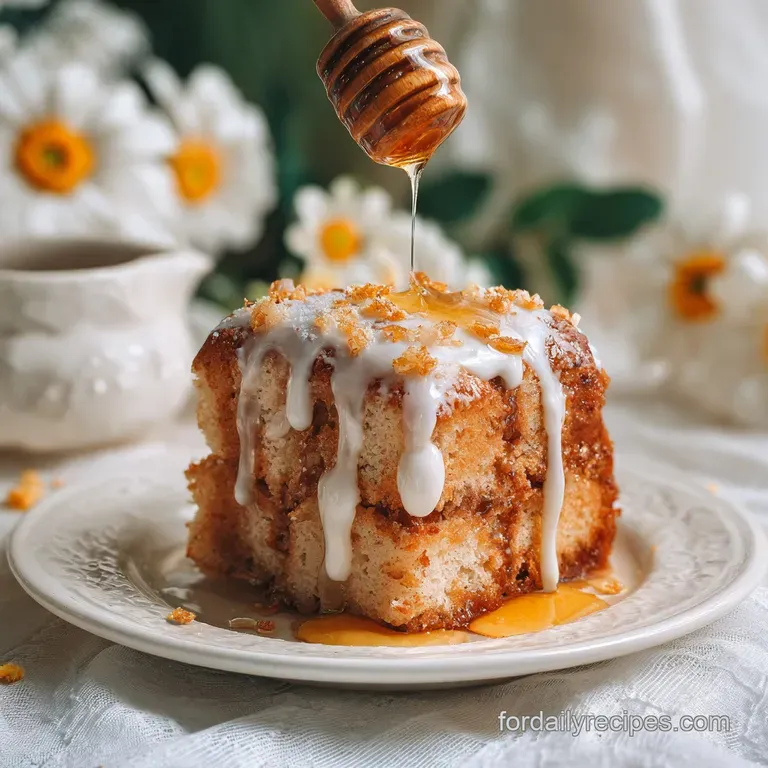
Imagine the scent of cinnamon toasting in a warm oven, mingling with the sweet, floral notes of vanilla. That is the first thing you notice when this honey bun cake is baking, a fragrance so thick and sugary it feels like a warm hug from your grandmother.
It is the kind of aroma that brings people into the kitchen before the timer even goes off, waiting for that first warm slice.
I remember the first time I made this, I was skeptical that a yellow cake mix could ever taste this high end. But after years of tweaking the ratios and learning how sour cream interacts with the starches, I realized the secret is not just in the ingredients, but in the layering.
We are not just making a cake, we are building a heritage dessert that tastes like it took all day, even though we are cutting a few smart corners.
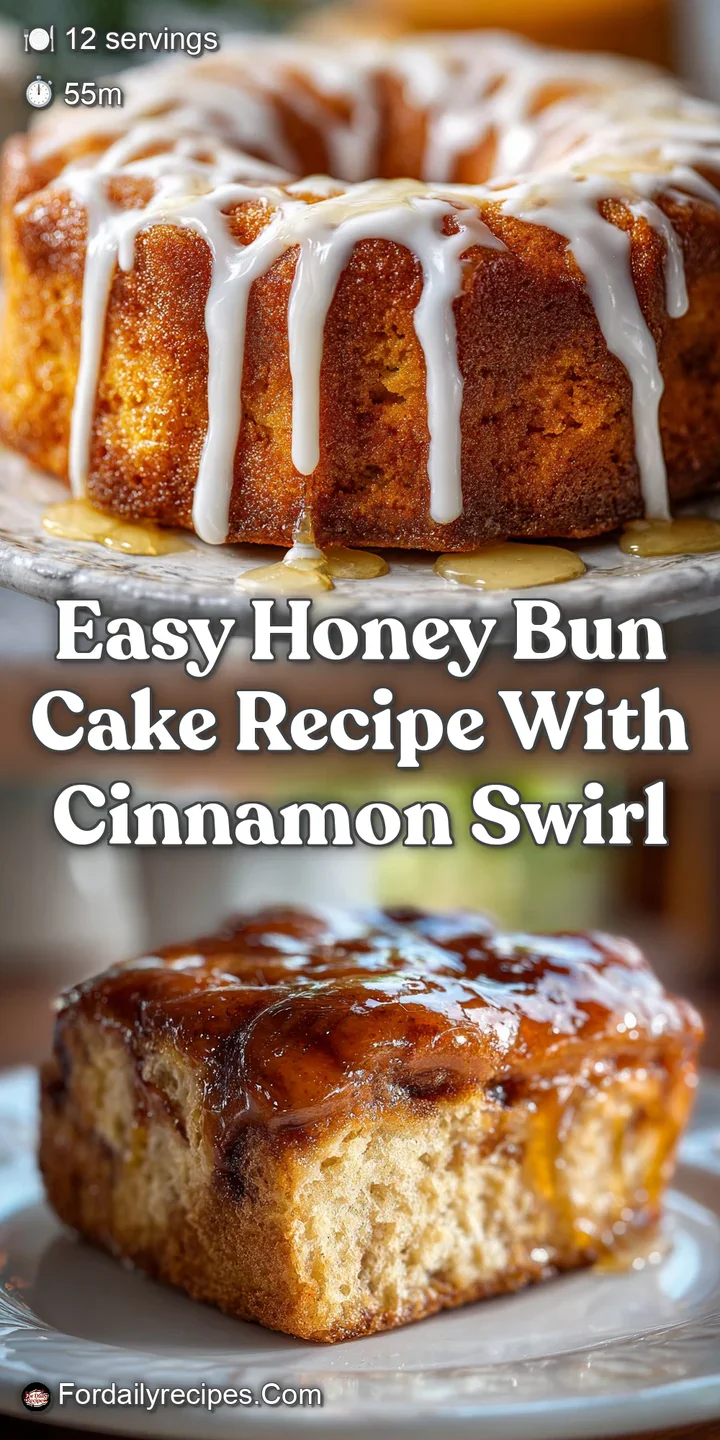
You are going to get a crumb that is incredibly moist, almost like a pound cake, but with a crackly, sweet glaze that shatters when your fork hits it. We are going to talk about the science of why these specific fats matter and how to get that perfect, dark swirl without it all sinking to the bottom.
Trust me, once you see that golden crust, you will never go back to the basic box instructions again.
Master the Ultimate Honey Bun Cake
The magic of a honey bun cake lies in the contrast between the soft, buttery base and the crunchy, spiced interior. While many versions of this recipe exist, achieving that specific "honey bun" texture requires a delicate balance of moisture and structure.
We are using full fat components because, frankly, this is not the place for diet culture. The fat is what carries the flavor of the cinnamon and keeps the crumb tender for days.
Mastering the Swirl Suspension
One of the biggest hurdles is the "sinking swirl" syndrome. If your cinnamon sugar mixture is too heavy or your batter is too thin, the ripple ends up as a sludge at the bottom of the pan.
By using 240g of sour cream, we create a viscous batter that acts like a structural net, holding the cinnamon and 60g of finely chopped pecans in place. This ensures every single bite has a beautiful marbled appearance.
Building the Velvety Base
The foundation of our honey bun cake relies on emulsification. When we whisk the 4 large eggs into the oil and sour cream, we are creating a stable environment for the 432g of yellow cake mix. This prevents the oil from leaking out during the bake, resulting in a velvety mouthfeel rather than a greasy one.
It is a technique I learned after a few failed attempts at using melted butter, which actually made the cake too tough.
Understanding Why This Swirled Dessert Stays Perfectly Moist
The chemistry of this bake is quite fascinating. We are essentially manipulating a pre made starch structure to behave like a scratch made sponge.
- Fat Stabilization: The 177ml of vegetable oil provides a liquid fat that coats the flour particles, preventing excessive gluten development.
- Acidic Tenderizing: Sour cream contains lactic acid which breaks down protein bonds, resulting in a more tender, melt in-your mouth crumb.
- Hygroscopic Action: The 200g of light brown sugar in the swirl attracts moisture from the air, keeping the center of the cake tacky and soft.
- Sugar Recrystallization: The milk based glaze creates a thin, crystalline layer on the hot surface, sealing in the internal moisture.
Breaking Down the Technical Specifications for Best Results
Before we get our hands dirty, let's look at the "how" and "why" of our primary components. Understanding these roles helps you avoid the common pitfalls of home baking.
| Component | Science Role | Pro Secret |
|---|---|---|
| Yellow Cake Mix (432g) | Provides leavening and base structure | Use a "pudding in the mix" variety for extra silkiness. |
| Full Fat Sour Cream (240g) | Adds acidity and thickens the batter | Bring to room temperature to avoid curdling the fats. |
| Large Eggs (4) | Acts as the primary emulsifier | Whisk until frothy before adding dry ingredients for lift. |
| Vegetable Oil (177ml) | Ensures a moist, open crumb | Use a neutral oil like grapeseed to let the vanilla shine. |
Selecting Quality Ingredients for a Traditional Heritage Flavor
You will need a few staples from your pantry. I always recommend using the best quality cinnamon you can find, as it is the star of the show here.
- Yellow Cake Mix (15.25 oz / 432g): I prefer Duncan Hines for its consistent rise. Why this? It provides a reliable chemical leavening base for the heavy additions.
- Full fat Sour Cream (1 cup / 240g): Don't use light or fat free. Why this? The fat content is essential for the pound cake like density.
- Vegetable Oil (0.75 cup / 177ml): Standard canola or vegetable oil works best. Why this? Oil stays liquid at room temperature, keeping the cake soft longer than butter.
- Large Eggs (4): Fresh is best. Why this? Eggs provide the protein structure needed to support the cinnamon swirl.
- Vanilla Extract (2 tsp / 10ml total): Divided between the batter and glaze. Why this? It rounds out the sharp spice of the cinnamon.
- Light Brown Sugar (1 cup / 200g): Packed tightly. Why this? The molasses content adds a deep, caramel like sweetness to the ripple.
- Ground Cinnamon (1 tbsp / 8g): Freshly opened if possible. Why this? high-quality cinnamon provides that "bakery style" aroma.
- Pecans (0.5 cup / 60g): Finely chopped. Why this? Adds a necessary textural contrast to the soft sponge.
- Powdered Sugar (2 cups / 240g): Sifted to remove lumps. Why this? Essential for a smooth, crackling glaze finish.
- Whole Milk (4 tbsp / 60ml): Cold or room temp. Why this? Thins the sugar into a pourable glaze that sets firm.
Chef's Note: If you want an even deeper flavor, toast your pecans in a dry pan for 3 minutes until they smell nutty before chopping them. It changes everything.
Picking the Right Tools for a Flawless Baking Experience
You don't need a professional kitchen, but a few specific items make this much easier. I always reach for my 9x13 inch Lodge Ceramic Baking Dish because it distributes heat so evenly.
- 9x13 inch Baking Pan: Metal or ceramic both work well.
- Large Mixing Bowl: For the main batter.
- Small Mixing Bowl: For the cinnamon sugar mixture.
- Whisk and Spatula: To ensure no dry pockets remain.
- Offset Spatula: Perfect for spreading the thick batter.
- Skewer or Knife: For creating those beautiful swirls.
| Original Ingredient | Substitute | Why It Works |
|---|---|---|
| Vegetable Oil | Melted Butter | Richer flavor, but the cake will be slightly firmer when cold. |
| Sour Cream | Plain Greek Yogurt | Similar acidity levels. Note: Resulting crumb is slightly tangier. |
| Pecans | Walnuts | Similar fat content. Note: Adds a more earthy, bitter note. |
Detailed Walkthrough for Achieving the Signature Cinnamon Ripple
- Preheat your oven to 177°C. Grease your 9x13 inch pan thoroughly with butter or non stick spray. Note: A well greased pan ensures the glaze doesn't stick later.
- Combine the cinnamon sugar. In a small bowl, mix the 200g brown sugar, 8g cinnamon, and 60g chopped pecans. Smell the spice as it mixes with the molasses in the sugar.
- Whisk the wet ingredients. In your large bowl, beat the 4 eggs, 177ml oil, 240g sour cream, and 5ml vanilla extract until the mixture is pale and smooth.
- Incorporate the cake mix. Fold in the 432g of yellow cake mix using a spatula. Mix until just combined to avoid overworking the gluten.
- Layer the foundation. Pour exactly half of the batter into the prepared pan. Use an offset spatula to spread it to the corners.
- Apply the ripple. Sprinkle the cinnamon sugar mixture evenly over the batter. It will look like a lot of sugar, but it will melt into a syrup during the bake.
- Cover and swirl. Dollop the remaining batter over the sugar. Use a knife to gently swirl the layers together. Stop before they are fully mixed to keep the distinct patterns.
- Bake for 40 minutes. Place on the center rack. The cake is done when the top is golden brown and springy to the touch.
- Prepare the glaze. While the cake is in its final 5 minutes of baking, whisk the 240g powdered sugar, 60ml milk, and remaining 5ml vanilla.
- Glaze while scorching. Pour the glaze over the cake exactly 10 minutes after it comes out of the oven. Listen for the faint sizzle as the sugar hits the warm crust.
Professional Solutions for Common Baking Issues and Errors
Even with a simple honey bun cake recipe, things can go sideways. I once made this for a potluck and the middle was completely raw because I rushed the cooling process.
Why Your Cake Sinks
If the center of your cake collapses, it is usually due to one of two things: underbaking or opening the oven door too early. When you open the door, the temperature drops, and the air bubbles providing the lift can't support the weight of the cinnamon sugar.
Always wait until at least 30 minutes have passed before checking for doneness.
Why Your Glaze Peels
A glaze that peels off like a sheet of plastic usually happens because the cake was too cold when it was applied. The glaze needs to melt slightly into the top layer of the cake to create a bond. This is why the "10 minute rule" is so vital.
If you wait until the cake is completely cold, the glaze just sits on top and becomes brittle.
Fixing a Grainy Glaze
Grainy glaze is almost always caused by unsifted powdered sugar. Those tiny lumps won't dissolve in cold milk. If you've already mixed it and it's lumpy, microwave it for 10 seconds and whisk vigorously. This reminds me of the smooth finish you'd want on a Cream Cheese Pound Cake recipe.
| Problem | Cause | Fix | Pro Tip |
|---|---|---|---|
| Dry Edges | Oven too hot | Reduce temp by 10°C | Use a light colored pan. |
| Greasy Bottom | Oil not emulsified | Whisk eggs more thoroughly | Add eggs one at a time. |
| No Swirl Pattern | Over swirling | Only 4-5 passes with the knife | Leave large chunks of sugar. |
Simple Ways to Customize Your Swirled Spice Cake
While the honey bun cake with cake mix is a classic, I love playing with the flavors depending on the season. If it is autumn, I might swap the cinnamon for a pumpkin pie spice blend.
- The Citrus Twist: Add the zest of two lemons to the batter and use lemon juice instead of milk in the glaze. This creates a bright, zesty version that is perfect for spring.
- The Mocha Variation: Add 2 tablespoons of instant espresso powder to the cinnamon sugar mixture. It deepens the flavor and makes it feel more like a coffee cake.
- The "From Scratch" Route: If you prefer a honey bun cake from scratch, use 375g of all purpose flour, 300g of sugar, 1.5 tsp of baking powder, and a pinch of salt instead of the box mix.
If you are looking for other easy bakes, you might enjoy this Bisquick Shortcake recipe, which uses a similar "shortcut" philosophy to achieve a high-quality result.
Scaling the Recipe
If you are baking for a smaller crowd, you can easily halve this recipe. Use an 8x8 inch square pan and reduce the baking time by about 8 to 10 minutes. Use 2 eggs and just over half a cup of sour cream.
For a massive crowd, doubling the recipe works well in two separate 9x13 pans. I don't recommend baking them both on the same rack, as it restricts airflow. Swap their positions halfway through the 40 minute bake to ensure even browning.
Reliable Tips for Keeping Your Leftovers Soft and Sweet
Storage is key here because the glaze is delicate.
Fridge vs. Room Temperature: This cake is best kept at room temperature in an airtight container for up to 4 days. The moisture from the sour cream keeps it soft. If you put it in the fridge, the glaze can become sticky and the crumb will tighten up.
Freezing: You can freeze slices of this cake for up to 3 months. Wrap them individually in plastic wrap and then foil. To reheat, just let them sit on the counter for an hour. Don't microwave them for too long or the glaze will melt away into a puddle.
Zero Waste Tip: If you have leftover crumbs or a slice that has gone a bit stale, crumble it up and use it as a topping for vanilla ice cream. The cinnamon sugar bits are like gold.
Creative Ideas for Presenting Your Finished Swirled Treat
This cake is a showstopper on its own, but a little presentation goes a long way. I love serving it slightly warm so the glaze is just beginning to soften.
- The Breakfast Plate: Serve a thick slice alongside a cup of black coffee. The bitterness of the coffee cuts through the intense sweetness of the glaze perfectly.
- The Dessert Bowl: Top a slice with a dollop of unsweetened whipped cream. It balances the richness of the pecans and brown sugar.
- The Sunday Brunch: Dust the top with a tiny bit of extra cinnamon right before serving for a professional look.
This swirl technique is actually quite similar to what you might see in a Churro Cheesecake Recipe, where the sugar and spice are the main attraction.
Common Kitchen Myths
Myth: You must use honey in a honey bun cake. Actually, most traditional recipes don't use a drop of honey. The name comes from the flavor profile of the Hostess Honey Bun snacks, which rely on honey flavoring, cinnamon, and a heavy glaze.
The honey notes in our version come from the combination of vanilla and brown sugar.
Myth: Box mixes are for beginners only. In the baking world, "doctoring" a mix is a respected technique. It provides a standardized base of flour and leavening that allows us to focus on the textures we add, like the sour cream and oil. It’s about working smarter, not harder.
Direct Answers for Achieving a Flawless Honey Bun Cake
Can I use a different cake mix? Yes, white cake mix or butter recipe mix works fine, but yellow cake mix has that specific "custard" flavor that mimics the original pastry best.
Why is my glaze clear instead of white? If the glaze is too thin, it will soak into the cake and become translucent. Make sure your powdered sugar is measured correctly (240g) and only add the milk one tablespoon at a time until you reach a thick, pourable consistency.
Does the stovetop work for this? You can actually bake this in a Dutch oven over a low flame if you are camping! It takes about 45 to 50 minutes.
| Method | Texture Result | Best For |
|---|---|---|
| Standard Oven | Consistent, golden crust | Every day baking |
| Dutch Oven (Stovetop) | Softer, more steamed crumb | Camping or no oven situations |
Decision Shortcut: - If you want it richer, use melted butter instead of oil. - If you want it lighter, swap the sour cream for whole milk yogurt. - If you want it crunchier, double the pecans and toast them first.
This easy honey bun cake recipe is one of those back pocket bakes that never fails to impress. Whether it's the shattering glaze or the moist, cinnamon rich center, it hits every nostalgic note perfectly. I’ve made it for birthdays, bake sales, and just quiet Tuesday nights, and there is never a crumb left.
Just remember to glaze it while it's warm, and you'll have the best honey bun cake recipe in the neighborhood. Right then, let's get that oven preheated!
Recipe FAQs
How to make honey bun cake from scratch?
No, it is typically made from a box mix. While you can make a true scratch version using standard cake ratios, the signature moist texture often comes from doctoring a yellow cake mix with sour cream and oil. This "shortcut" approach saves time while maintaining a dense, bakery style crumb.
How to make honey bun cake from box?
Yes, substitute wet ingredients for better texture. Replace the required water and eggs with full fat sour cream, oil, and the specified number of eggs. The acidity in the sour cream tenderizes the mix, giving it that pound cake quality that box instructions alone won't achieve.
How to make honey bun cake icing?
Whisk powdered sugar, milk, and vanilla until smooth. For the best crackly finish, use approximately 2 cups of sifted powdered sugar mixed with 4 tablespoons of cold milk and 1 teaspoon of vanilla.
Apply this immediately after the cake cools for about 10 minutes so it sets correctly on the warm surface.
How to make honey bun cake glaze?
The glaze should be thick enough to drizzle slowly, not run off. A thick glaze results from a high sugar-to-liquid ratio; if yours is too runny, add powdered sugar a tablespoon at a time until it drizzles off the whisk in ribbons. This technique of creating a stable sugar suspension is similar to controlling the texture in our Christmas Cookies: The Best Spiced Cut-Out Recipe.
How to make honey bun cake? (General Method)
Use a thick batter to suspend the cinnamon swirl. Mix your base ingredients until just combined, then layer half the batter, sprinkle the cinnamon sugar-pecan mixture, and cover with the remaining batter.
Gentle swirling prevents the heavy cinnamon layer from sinking entirely to the bottom during baking.
Why is my cinnamon swirl sinking to the bottom?
Your batter is likely too thin or your sugar mixture is too dense. Ensure you are using full fat sour cream to create a viscous batter that can support the weight of the spice layer.
If you enjoyed controlling the density here, see how that same principle of structural support is key in developing a thick, stable filling in our Cherry Pie Filling: Chefs Signature Bright Glossy Recipe.
What temperature should the oven be set to?
Bake at 177°C (350°F). This moderate temperature ensures the center bakes thoroughly without burning the sugary crust or causing the exterior edges to dry out prematurely. Baking time typically ranges between 40 to 45 minutes for a standard 9x13 pan.
Honey Bun Cake From Scratch
Ingredients:
Instructions:
Nutrition Facts:
| Calories | 498 kcal |
|---|---|
| Protein | 4.1 g |
| Fat | 26.2 g |
| Carbs | 63.1 g |
| Fiber | 1.2 g |
| Sugar | 47.8 g |
| Sodium | 365 mg |
