Tender Chuck Roast in Oven Recipe
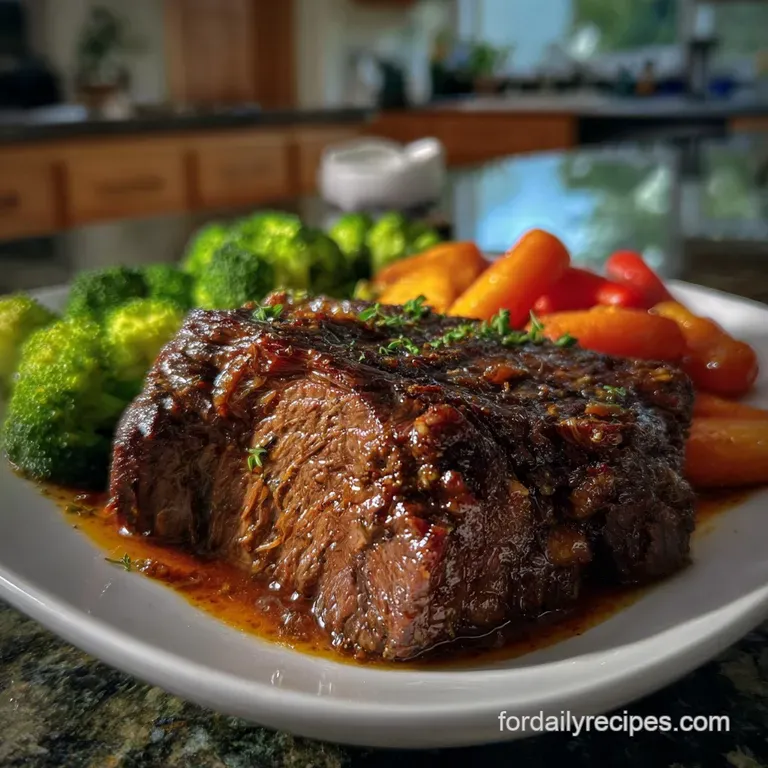
- Time: Active 20 minutes, Passive 3 hours 30 mins, Total 3 hours 50 mins
- Flavor/Texture Hook: Velvety, melt in-your mouth beef with a savory, concentrated umami sauce.
- Perfect for: Cozy family gatherings, weekend meal prep, or a nourishing heritage celebration.
- Heritage Flavor Secrets for Chuck Roast in Oven
- Technical Details for Consistent Success
- Building Layers of Deep Umami
- Component Deep Dive and Selection
- Essential Tools for Slow Braising
- Step-by-Step Flavor Construction
- Solving Common Roast Problems
- Creative Twists on Traditional Methods
- Preservation and Heating Best Practices
- Presentation Ideas for the Table
- Timing and Planning Your Meal
- Recipe FAQs
- 📝 Recipe Card
Heritage Flavor Secrets for Chuck Roast in Oven
Have you ever walked into a house and immediately felt wrapped in a warm embrace simply by the scent of dinner? That is the power of a slow braised beef dinner. It is a dish that speaks of heritage and time honored traditions, reminding us of simpler days when the kitchen was the heart of the home.
This isn't just a meal, it's a memory waiting to happen.
The beauty of this dish lies in its transformation. We start with a 1.6 kg (3.5 lb) slab of beef that feels almost impossible to chew. But after a few hours of gentle bathing in bone broth and red wine, it yields to the slightest pressure of a fork.
It is a slow dance between heat and time that turns simple ingredients into something truly extraordinary.
But what about that dreaded dry, stringy meat we've all encountered at some point? We've all been there, staring at a plate of gray beef that needs a gallon of water to swallow. Don't worry, we are going to fix that once and for all.
By understanding how the oven interacts with the muscle fibers, you will produce a roast that is consistently succulent.
Technical Details for Consistent Success
Achieving that perfect "fall apart" texture requires a bit of patience and the right environment. Think of the oven as a time machine for flavor. We aren't rushing things here. Instead, we are giving the proteins permission to relax and the fats time to mingle with the herbs.
| Method Element | Precision Checkpoint | Expected Result |
|---|---|---|
| Oven Temperature | 135°C (275°F) | Slowest breakdown of connective tissue |
| Internal Temp | 95°C (203°F) | Collagen has fully converted to gelatin |
| Weight of Meat | 1.6 kg (3.5 lb) | Ideal thickness for a 3.5 hour braise |
If you compare this heritage approach to a over high heat "fast" method, the difference is night and day. A fast roast might get dinner on the table in an hour, but you lose that velvety mouthfeel that only comes from the classic slow cook technique.
| Feature | Classic Braise (This Recipe) | Fast over High heat Roast |
|---|---|---|
| Texture | Fork tender and moist | Sliced, potentially chewy |
| Sauce | Deep, concentrated reduction | Thin, less developed flavor |
| Effort | Set it and forget it | Requires constant monitoring |
Building Layers of Deep Umami
The secret to a truly memorable chuck roast in oven is not just the meat, but the layers of flavor we build from the very first sizzle. We don't just throw things in a pot. We curate them.
The Science of Why it Works
- Collagen Transformation: Sustained heat at 135°C (275°F) converts tough collagen fibers into silky gelatin, which provides that signature lip smacking richness.
- The Maillard Reaction: Searing the beef in avocado oil at high heat creates hundreds of new flavor compounds that a simple boil could never achieve.
- Acidic Tenderization: The tannins in the red wine and the acidity in the tomato paste help further soften the protein structures during the long simmer.
- Osmotic Balance: Salting the meat early allows the seasoning to penetrate deep into the center of the roast, ensuring every bite is seasoned.
Chef's Tip: For a deeper color and more intense flavor, let your tomato paste cook in the center of the pan for 2 minutes until it turns a dark rust color before adding the liquid.
Also, try adding a tablespoon of instant espresso powder to the broth; it doesn't taste like coffee, but it makes the beef taste "beefier."
Component Deep Dive and Selection
The ingredients we choose are the foundation of our heritage. We want components that play well together, creating a symphony of savory notes. Using high-quality items like Diamond Crystal Kosher Salt or a well aged Worcestershire sauce makes a noticeable difference.
| Ingredient | Science Role | Pro Secret |
|---|---|---|
| Beef Chuck Roast | High collagen content | Choose a piece with heavy white marbling |
| Dry Red Wine | Acid and depth | Use a Cabernet; the tannins help cut the fat |
| Bone Broth | Gelatin source | Use bone broth over "stock" for better mouthfeel |
Essential Braising Elements
- 1.6 kg (3.5 lb) beef chuck roast: Why this? It has the perfect fat to muscle ratio for long, slow cooking.
- Substitute: Beef brisket (point cut), though it may take 1 hour longer to tenderize.
- 45 ml (3 tbsp) avocado oil: Why this? High smoke point ensures a hard sear without burning.
- Substitute: Grapeseed oil or beef tallow for an extra rich finish.
- 9g (1.5 tsp) kosher salt: Why this? Larger grains make it harder to over salt and easier to crust.
- Substitute: 5g fine sea salt (use less as it is denser).
- 1 tsp cracked black pepper: Why this? Freshly cracked provides a floral heat that pre ground lacks.
- 475 ml (2 cups) beef bone broth: Why this? Adds body and protein to the final sauce.
- 240 ml (1 cup) dry red wine: Why this? Dissolves the "fond" (brown bits) on the pan bottom.
- 30 ml (2 tbsp) Worcestershire sauce: Why this? Provides a fermented, salty kick of umami.
- 16g (1 tbsp) tomato paste: Why this? Acts as a natural thickener and flavor enhancer.
- 1 large yellow onion: Why this? Melts into the sauce, providing natural sweetness.
- 4 large carrots: Why this? Adds earthy sweetness and a beautiful color contrast.
- 450g (1 lb) baby Yukon Gold potatoes: Why this? They hold their shape and stay buttery after hours of heat.
- 4 cloves garlic: Why this? Essential aromatic base for any heritage dish.
- Fresh Rosemary & Thyme: Why this? Woody herbs stand up to long cooking times without disappearing.
Similar to the technique used in our Eye of Round Roast recipe, the sear is non negotiable for flavor development.
Essential Tools for Slow Braising
To make the best chuck roast in oven, you need a heavy bottomed vessel that can hold heat evenly. A Lodge Cast Iron Dutch Oven is the gold standard here. Its heavy lid traps steam, creating a self basting environment that keeps the meat moist.
You will also want a pair of sturdy tongs for flipping that heavy roast and a sharp chef's knife for chunking the vegetables. If you don't have a Dutch oven, a deep roasting pan covered tightly with two layers of heavy duty aluminum foil will work in a pinch.
However, the heavy cast iron really does provide a more consistent thermal mass.
step-by-step Flavor Construction
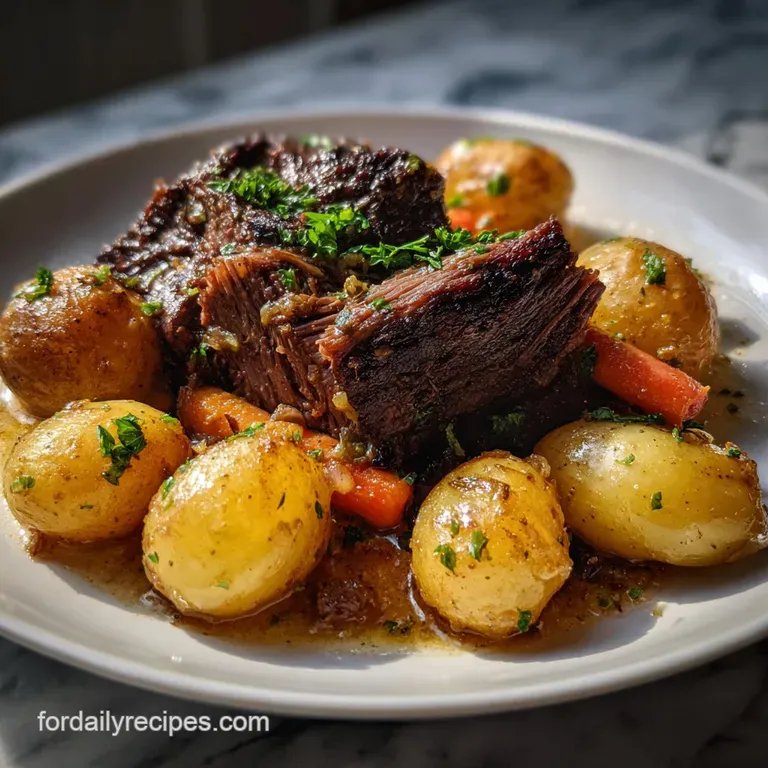
1. The Temper and Seasoning
Take your beef out of the fridge 30 minutes before cooking. Pat it bone dry with paper towels. This is crucial; moisture is the enemy of a good sear. Rub the kosher salt and cracked black pepper into every nook and cranny. Let it sit while you prep your vegetables.
2. The High Velocity Sear
Heat the avocado oil in your Lodge Dutch oven over medium high heat. Wait until the oil shimmers and just starts to wisps of smoke appear. Place the beef in. Sizzle for 5-6 minutes per side until a dark, mahogany crust forms. Don't crowd it.
If it doesn't "shatter" when you scrape it with a fork, it's not ready to flip.
3. Building the Braise
Remove the beef and set it on a plate. Toss in the quartered onions and carrots. Cook for 4 minutes until the edges are charred and fragrant. Stir in the tomato paste and smashed garlic, cooking for another 60 seconds. You'll smell the garlic before you see it change color.
4. Deglazing the Pan
Pour in the dry red wine. Use a wooden spoon to scrape all the brown bits (the fond) off the bottom of the pan. This is where the magic lives. Let the wine reduce by half, which should take about 3 minutes.
5. Liquid Integration
Add the beef bone broth, Worcestershire sauce, rosemary, and thyme. Bring the liquid to a gentle simmer. Slide the beef back into the pot, along with any juices that collected on the plate. The liquid should come about halfway up the side of the roast.
6. The Long Transformation
Nestle the halved Yukon Gold potatoes around the meat. Cover the pot with its heavy lid. Slide it into the center of the oven at 135°C (275°F). Now, we wait. Bake for 3.5 hours until the meat is completely tender.
7. The Final Check
Around the 3 hour mark, give the meat a poke with a fork. It should slide in and out with zero resistance. If it feels "bouncy" or tough, give it another 30 minutes. Every cow is different, and some need a little more time to surrender.
8. The Rest and Reduction
Remove the pot from the oven. Transfer the meat and vegetables to a warm platter. If the sauce is too thin, simmer it on the stovetop for 5 minutes until it coats the back of a spoon. This concentrated liquid is pure liquid gold. Pour it over the roast before serving.
Solving Common Roast Problems
Even the most seasoned home cooks face a stubborn roast every now and then. But what about the sogginess or the lack of salt? We'll get to that. Most issues come down to temperature control or rushing the process.
Fixing Dry Beef Textures
If your meat is dry but still tough, it actually hasn't cooked long enough. The muscle fibers have tightened, but the collagen hasn't melted yet. Keep going! However, if it is dry and falling apart into sandy bits, it was likely cooked at too high a temperature.
| Problem | Cause | Fix | Pro Tip |
|---|---|---|---|
| Tough Meat | Not enough time | Add 30 mins at 135°C | Check with a fork, not a timer |
| Salty Sauce | Too much reduction | Add a splash of broth | Add a raw potato to soak up salt |
| Mushy Veggies | Added too early | Add potatoes halfway | Cut carrots into larger 3 inch chunks |
Gray, Bland Meat
This usually happens when people skip the searing step or boil the meat rather than braising it. The sear provides the "heritage" flavor we are looking for. If you find your sauce is bland, a teaspoon of balsamic vinegar or a squeeze of lemon juice right at the end can brighten everything up.
Creative Twists on Traditional Methods
While the classic version is hard to beat, sometimes we want to play with the flavor profile. If you're looking for something different, you might enjoy the deep flavors in my Keto Chili recipe, which uses similar slow cooking principles.
- The Alcohol Free Alternative: Replace the red wine with an equal amount of beef broth and add 1 tablespoon of balsamic vinegar. It provides the necessary acidity without the booze.
- The Umami Bomb Variation: Add 2 dried shiitake mushrooms and 1 tablespoon of soy sauce to the braising liquid. This creates a deeply savory profile that is incredible with mashed potatoes.
- The Root Vegetable Swap: Replace potatoes with parsnips and celery root for a lower glycemic option that still feels like a traditional "biscuits and gravy" style comfort meal.
- For a thicker gravy
- Whisk 1 tablespoon of cornstarch with cold water and stir it into the boiling sauce at the very end.
- For more aromatics
- Add a star anise to the liquid; it highlights the beefiness without tasting like licorice.
- For easier cleanup
- Use a parchment paper "cartouche" (a circle of paper) directly on top of the liquid under the lid to prevent a crust from forming on the surface.
Preservation and Heating Best Practices
This chuck roast in oven is one of those rare dishes that actually tastes better the next day. As it sits, the fats and proteins continue to marry, creating a more cohesive flavor.
- Fridge: Store in an airtight container with the sauce for up to 4 days. The sauce will turn into a jelly; this is the gelatin we worked so hard to create!
- Freezer: You can freeze the cooked beef and sauce for up to 3 months. I recommend freezing the meat and sauce together to prevent freezer burn.
- Reheating: The best way to reheat is low and slow on the stovetop or in a 150°C (300°F) oven. Adding a splash of water or broth helps loosen the sauce without it becoming oily.
- Zero Waste: Don't throw away those onion scraps or carrot peels! Toss them in a bag in the freezer to make your own bone broth later. Leftover shredded beef makes for the best tacos or a quick beef dip sandwich. You could even use the technique from this Leftover Prime Rib recipe to give the leftovers a new life.
Presentation Ideas for the Table
When serving a heritage meal, the presentation should feel abundant. I love bringing the Lodge Dutch oven right to the table. It keeps everything piping hot and feels very communal.
Serve the roast in large, shallow bowls. Place a generous portion of beef in the center, surrounded by the carrots and potatoes. Spoon the glossy reduction over everything. A sprinkle of fresh parsley adds a pop of color that cuts through the rich browns of the dish.
For a true "generations" style meal, serve this alongside some crusty bread. My Dutch Oven Bread recipe is the perfect companion for soaking up every last drop of that savory wine sauce. Honestly, don't even bother with a knife; the meat should be soft enough to eat with a spoon.
Timing and Planning Your Meal
Planning is the key to a stress free Sunday. Because this recipe takes nearly 4 hours, I like to start the process in the early afternoon. By the time the sun starts to set, the house smells incredible, and the hard work is already done.
The Prep Timeline
- 2:00 PM: Take the meat out to temper.
- 2:30 PM: Sear the meat and sauté the aromatics.
- 3:00 PM: Into the oven it goes.
- 6:30 PM: Check for tenderness and let it rest.
Debunking Cooking Truths
Many people believe that searing "seals in the juices." This is a total myth! Searing actually causes moisture loss on the surface. However, we do it for the flavor created by the Maillard reaction. The moisture in the middle is preserved by the low oven temperature, not the crust.
Another common misconception is that you must use expensive wine. The truth is, once wine is cooked for 3 hours, the subtle nuances of an expensive bottle are lost. Use something you would enjoy a glass of, but don't break the bank. A simple, dry Merlot or Cabernet is your best friend here.
Trust me on this, your grandma didn't use a $50 bottle for her roast, and neither should you.
This chuck roast in oven is more than just dinner. It's a way to slow down, connect with the past, and provide a truly nourishing meal for the people you love. Let the oven do the heavy lifting while you enjoy the aroma of a heritage classic. Right then, let's crack on and get that roast in the oven!
Recipe FAQs
What internal temperature confirms the chuck roast is perfectly fork tender?
Yes, aim for 95°C (203°F). This temperature ensures that the tough connective tissues, primarily collagen, have fully broken down into silky gelatin, giving you that melt-in-your mouth texture.
Do I have to sear the meat before putting it in the oven?
No, but it is highly recommended. Searing creates hundreds of new flavor compounds through the Maillard reaction, which is essential for a deep, rich gravy flavor.
Can I use frozen chuck roast instead of fresh?
No, stick with fresh. Frozen meat releases excess moisture during the cooking process, which essentially steams the beef instead of braising it, resulting in a less developed crust and flavor profile.
What should I do if my sauce seems too thin after the roast is done?
Reduce it further on the stovetop. Remove the meat and vegetables, then simmer the liquid vigorously until it coats the back of a spoon, thickening naturally with the melted gelatin from the roast.
Is it better to use stock or bone broth in the braising liquid?
Use bone broth for the best results. Bone broth contains significantly more natural gelatin, which contributes directly to a richer mouthfeel in the final sauce, similar to how gelatin stabilizes the emulsion in a proper mayonnaise.
My roast tastes bland; how can I easily boost the flavor?
Add acid at the very end. A small splash of balsamic vinegar or fresh lemon juice can brighten up the deep, savory flavors, cutting through the richness of the beef fat.
What is a good side dish to soak up the rich sauce?
Crusty bread is ideal for soaking up every drop. This dish pairs perfectly with a bread that has a hearty crust to handle the moisture, much like the one you might use to scoop up the filling for our Burst Cherry Tomato Burrata Toast Appetizer.
Easy Chuck Roast In Oven
Ingredients:
Instructions:
Nutrition Facts:
| Calories | 742 kcal |
|---|---|
| Protein | 44g |
| Fat | 49g |
| Carbs | 19g |
| Fiber | 3.2g |
| Sugar | 4.8g |
| Sodium | 840mg |
