Charcuterie Board: Balancing Fat, Acid, and Crunch
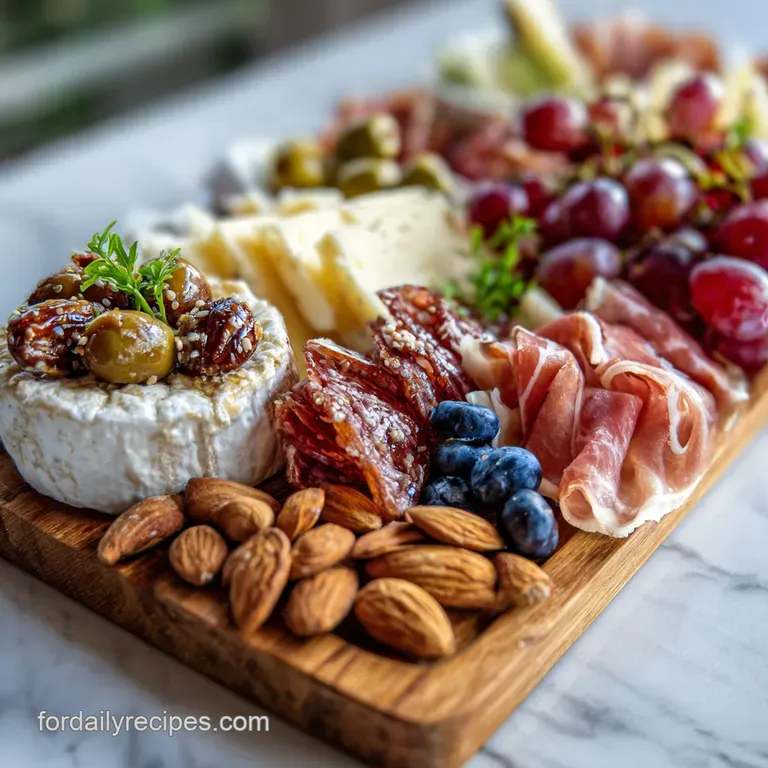
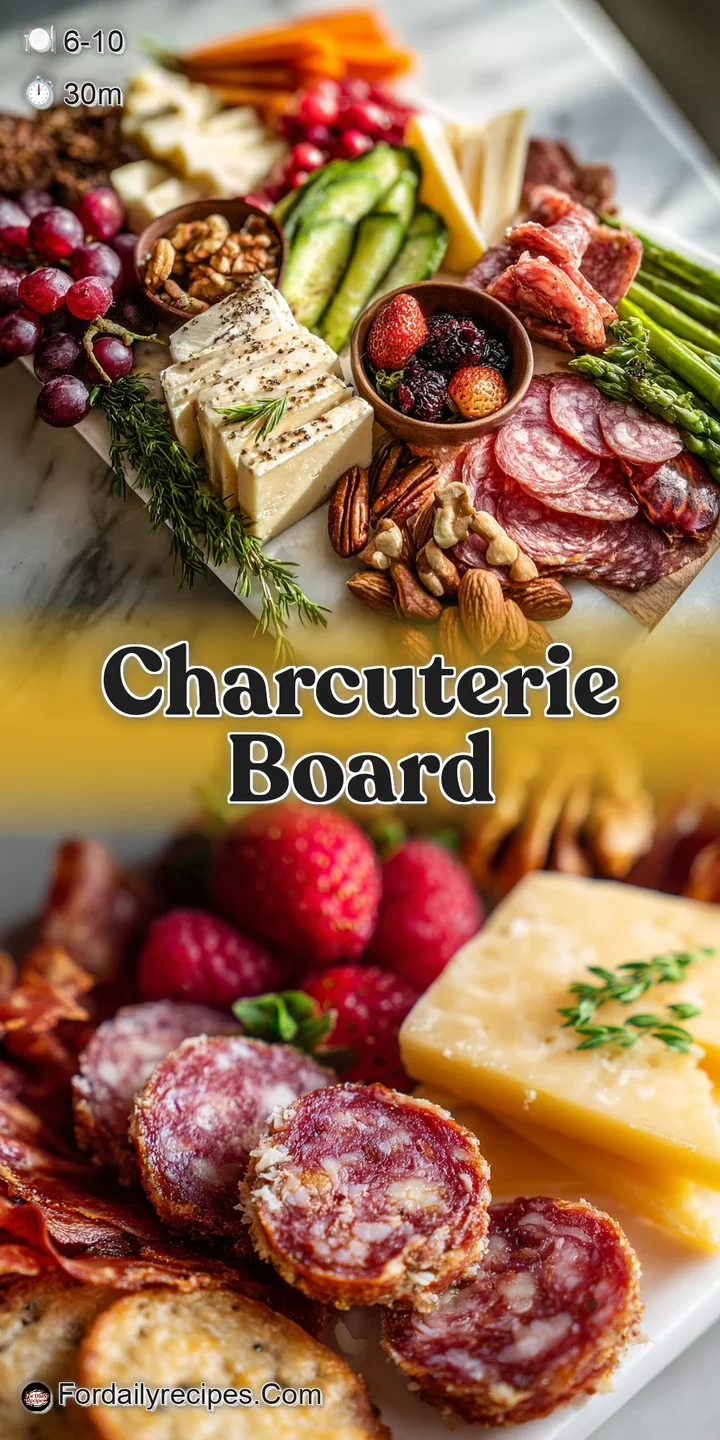
- Time: Active 30 minutes, Passive 0 minutes, Total 30 minutes
- Flavor/Texture Hook: A velvety blend of pungent cheeses and salty, thin sliced meats.
- Perfect for: Heritage holiday gatherings or intimate evening socials.
- Creating a Timeless Heritage Charcuterie Board
- The Physics of Flavor Balance
- Board Dimensions and Timing Specs
- Curating Time Honored Cheese and Meats
- Heritage Wood and Serving Tools
- Assembling Your Savory Spread Layered
- Avoiding Common Board Assembly Flaws
- Heritage Twists for Seasonal Platters
- Preserving Freshness and Zero Waste
- Setting the Scene for Guests
- High in Sodium
- Charcuterie Board FAQs
- 📝 Recipe Card
Creating a Timeless Heritage Charcuterie Board
The sound of a fresh baguette being torn open that distinct, glass like shatter of the crust is always the signal that the evening has truly begun.
I remember my grandmother setting out a wooden slab every Sunday, not because it was trendy, but because it was a time honored way to stretch a few high-quality ingredients into a meal that felt like a celebration.
There is something deeply grounding about a spread that doesn't require a stovetop, just a keen eye for arrangement and a respect for the heritage of the producers.
We’ve all seen those boards that look like a chaotic pile of snacks, but the secret to a truly memorable experience is intentionality. I once made the mistake of serving a board where every single item was salty; by the third bite, my guests were parched and their palates were fatigued.
That was the day I learned that a great spread needs a "relief valve" something sweet or acidic to cut through the richness.
Today, we’re crafting a board that honors those old school traditions while making it effortless for you to host. We'll focus on the specific ways textures interact, from the velvety give of a triple cream cheese to the snap of a cornichon.
It’s about more than just food; it’s about creating a landscape of flavors that tells a story of the seasons and the land.
The Physics of Flavor Balance
Osmotic Contrast: The high salt content in cured meats draws out the natural sweetness in fresh figs and grapes, creating a balanced flavor profile. This prevents any single ingredient from overwhelming the palate during the meal.
The Emulsion Effect: When you pair a fatty cheese with an acidic jam, the acid breaks down the fat molecules on your tongue. This cleansing action ensures that the next bite tastes just as vibrant as the first one.
Textural Geometry: Harder cheeses provide structural integrity to a bite, while soft cheeses act as a mortar. This allows you to stack flavors without the cracker collapsing under the weight of the toppings.
| Servings | Ingredient Adjustments | Board Size | Assembly Time |
|---|---|---|---|
| 2-4 people | Use 2 cheeses, 1 meat | 25 cm round | 15 minutes |
| 6-10 people | Full recipe as written | 40 x 60 cm | 30 minutes |
| 12-18 people | Double all quantities | 2 large boards | 50 minutes |
When you are planning for a crowd, the physical space is just as important as the food itself. A board that is too crowded makes it difficult for guests to pick up a slice of prosciutto without knocking over a pile of almonds. Conversely, a board with too much empty space can look uninviting and sparse.
Board Dimensions and Timing Specs
To ensure every element of your spread is served at its peak, timing is everything. Cheese that is too cold won't release its full aroma, and meat left out too long can lose its delicate texture.
I find that pulling the cheeses from the fridge exactly 45 minutes before serving allows the fats to soften just enough to become spreadable.
Why does cheese breathe?
Cheese is a living product that continues to evolve. When it's trapped in plastic, it can develop a bitter, "refrigerator" taste. Giving it time at room temperature allows the volatile aromatic compounds to expand, which is why a room temperature Brie smells significantly more floral than a cold one.
How does acidity prevent fatigue?
Without the vinegar from the olives or the tang from the jam, the heavy fats in the salami and cheddar would coat your mouth. This coating dulls your taste buds. Acidity acts like a reset button, stripping away the excess fat so you can enjoy the nuances of the aged Manchego.
The role of "The Crunch"
Texture is the most overlooked part of board design. A soft cracker with a soft cheese is a sensory dead end. You need something that provides a loud, audible snap like Marcona almonds or a well toasted baguette slice to provide a satisfying contrast to the creamy elements.
Curating Time Honored Cheese and Meats
For this deep dive into components, we are looking at how each piece contributes to the structural and flavor based integrity of the board. We aren't just choosing "food"; we are choosing roles.
| Ingredient | Science Role | Pro Secret |
|---|---|---|
| Triple Cream Brie | High fat to protein ratio for mouthfeel | Slice while cold for clean lines, then let warm |
| Prosciutto di Parma | Translucent fat provides instant umami | Ribbon the slices to create surface area for air |
| Castelvetrano Olives | Lactic acid provides a bright palate cleanser | Buy with pits in for better texture and flavor |
Which cheeses should I choose?
- 225g Triple Cream Brie
- This is our "soft" pillar, offering a buttery, earthy profile.
- 170g Aged Manchego
- This sheep’s milk cheese provides a firm, slightly grainy texture.
- 115g Gorgonzola Dolce
- This adds a pungent, spicy kick that pairs beautifully with honey.
- 170g Goat Cheese log
- This brings a bright, grassy acidity to the mix.
What are the best meats?
- 115g Prosciutto di Parma
- Sliced paper thin so it melts on the tongue.
- 140g Spicy Soppressata
- A coarser grind with a hit of heat.
- 140g Genoa Salami
- A mild, classic option that everyone loves.
Heritage Wood and Serving Tools
You don't need a professional kitchen, but the right tools make the assembly much more enjoyable. I prefer a large, seasoned wooden board olive wood or maple is fantastic because it's naturally antimicrobial and looks stunning as the backdrop for the vibrant fruits and meats.
- Cheese Knives: You need at least three. One for the soft cheese (to prevent sticking), a spade for the hard cheese, and a spreader for the goat cheese.
- Small Ramekins: Use these for the 0.25 cup fig jam and 2 tbsp honey. They prevent the liquids from running into the crackers and making them soggy.
- Tongs: Small bamboo tongs are a hygienic way for guests to grab olives and cornichons without using their fingers.
- Nut Crackers: If you are using whole walnuts, a vintage brass cracker adds a lovely touch of heritage style.
Chef's Tip: If you find your cheese sticking to your knife, run the blade under hot water for 10 seconds and wipe it dry. The heat will allow the blade to glide through the Brie like a hot wire through butter.
Assembling Your Savory Spread Layered
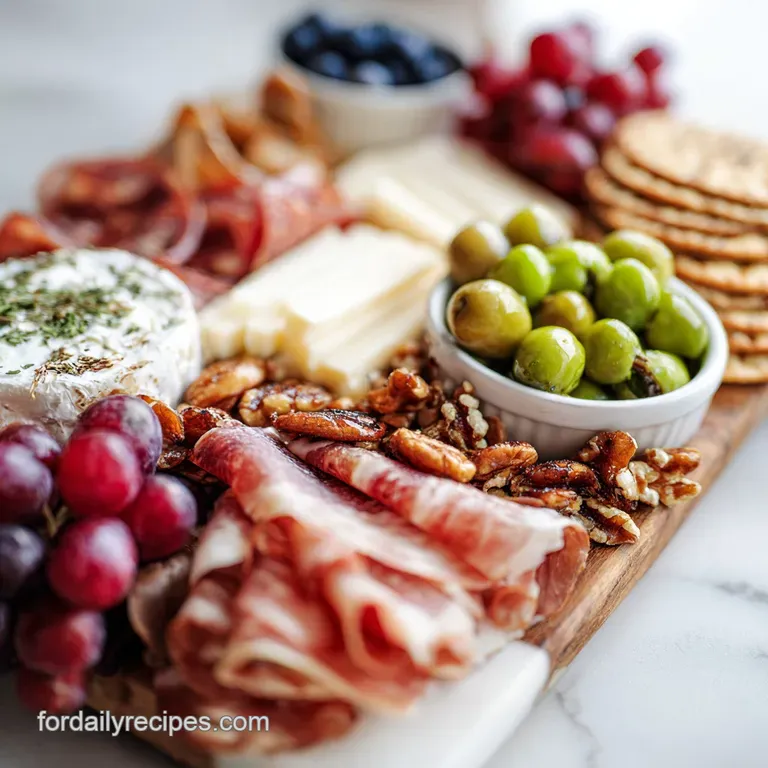
The assembly is where the magic happens. We want to avoid a "flat" look. Think of the board as a landscape with hills, valleys, and rivers.
- Place the bowls first. Put your fig jam, honey, olives, and cornichons in small vessels and space them out across the board. These act as your anchors.
- Add the cheeses. Position the 225g Brie and 170g Manchego near the bowls. Note: Keep the blue cheese slightly isolated so its strong scent doesn't dominate the milder items.
- Create the "Meat River". Fold the Genoa salami into quarters and line them up in a sweeping curve across the center. Watch for the patterns to emerge.
- Ribbon the Prosciutto. Instead of laying it flat, bunch the 115g of prosciutto into loose "rosettes." This keeps it from sticking together.
- Shingle the crackers. Fan out the 454g of artisanal crackers and baguette slices around the perimeter.
- Add the fruits. Nestle the 1.5 cups of grapes and figs into the large gaps. Look for the color contrast between the purple grapes and white cheeses.
- Fill with nuts. Use the 1 cup of Marcona almonds and 0.5 cup of walnuts to fill every tiny remaining hole.
- Drizzle and Garnish. Just before serving, drizzle the 2 tbsp honey over the Gorgonzola. Smell the floral sweetness as it hits the pungent cheese.
The goal is a board that looks "overflowing." If you can see the wood of the board in the middle of the display, you need more nuts or fruit to fill the gap. Much like my favorite Stuffed Mushrooms for recipe, the beauty is in the abundance and the variety of textures.
Avoiding Common Board Assembly Flaws
Even a seasoned cook can run into trouble with a spread this diverse. Most issues come down to temperature and moisture management.
Why is my cheese "sweating"?
If you see beads of oil on your cheddar or Manchego, it’s usually because the room is too warm or the cheese was moved from a cold fridge to a hot room too quickly. It’s harmless, but it can affect the texture.
Why are my crackers getting soggy?
This usually happens when the crackers are placed directly against "wet" ingredients like cut fruit or olives. Always use the nuts or the rinds of the cheese as a "buffer zone" to keep the moisture away from the grain based items.
| Problem | Root Cause | Solution |
|---|---|---|
| Slimy Salami | Temperature fluctuations | Keep meat refrigerated until the final 10 minutes of prep |
| Discolored Fruit | Oxidation | Slice figs and apples just before the guests arrive |
| Bitter Aftertaste | Cheese rind or old nuts | Ensure walnuts are fresh; check that Brie rind isn't overly ammoniated |
- ✓ Always pat your olives and cornichons dry with a paper towel before placing them on the board.
- ✓ Use a separate knife for the blue cheese to avoid "contaminating" the milder cheeses with mold spores.
- ✓ Toast your walnuts in a dry pan for 3 minutes to release their oils and enhance their heritage flavor.
- ✓ Slice the baguette at a sharp diagonal to create more surface area for toppings.
Heritage Twists for Seasonal Platters
You can adapt this base recipe to suit any occasion without losing that time honored feel. The core ratios of fat to acid remain the same, but the "costumes" change.
- Valentines Charcuterie Board: Focus on red and pink hues. Replace the fig jam with raspberry preserves and add dark chocolate shards. The 115g of prosciutto looks particularly beautiful when folded into tight rose shapes.
- Vegetarian Variation: Swap the 425g of total meats for marinated artichoke hearts, roasted red peppers, and a savory mushroom pâté.
- The Winter Spread: Lean into dried fruits like apricots and cranberries instead of fresh grapes. This creates a denser, more "stored" feel that suits the colder months.
For a larger gathering, I often pair this board with a warm dish. It provides a nice temperature contrast to the cool cheeses. Something like a comforting Broccoli Casserole recipe works surprisingly well as a side dish for a more substantial "heavy appetizer" evening.
Preserving Freshness and Zero Waste
Storage: Any leftover cheese should be wrapped in parchment or wax paper, not plastic wrap. Plastic "suffocates" the cheese and can lead to mold. Most hard cheeses will last 2 weeks, while soft cheeses should be eaten within 3-5 days.
Meats should be stored in an airtight container and consumed within 3 days.
Zero Waste: Don't throw away those cheese rinds! The rinds of the Manchego or even the Brie can be tossed into a simmering pot of vegetable soup to add a deep, savory umami.
Any leftover nuts can be crushed and used as a topping for salads, and wilted grapes can be roasted with a little balsamic vinegar to make a delicious compote for toast.
| Method | Time | Texture | Best For |
|---|---|---|---|
| Stovetop (Nuts) | 5 minutes | Extra crunchy | Immediate serving |
| Oven (Nuts) | 10 minutes | Deeply toasted | Large batches |
Setting the Scene for Guests
When you serve this, don't just put it on the table and walk away. Part of the joy of a charcuterie board is the ritual. I like to demonstrate one "perfect bite" for my guests perhaps a piece of crusty bread, a smear of Brie, a slice of prosciutto, and a tiny drop of fig jam.
The aroma of the board will change as it sits; the initial sharp tang of the goat cheese will mellow, and the spicy notes of the soppressata will become more pronounced. Encourage people to mix and match. It’s a low pressure way to eat that encourages lingering.
Remember, a board is never "perfect" because it’s meant to be eaten and enjoyed. The most successful spread is the one that is completely decimated by the end of the night, leaving behind nothing but a few almond crumbs and the memory of a great evening.
Trust your instincts, lean into the heritage of the ingredients, and let the flavors speak for themselves. Right then, let's get to assembling!
High in Sodium
1085 mg mg of sodium per serving (47% % of daily value)
The American Heart Association recommends limiting sodium intake to no more than 2,300mg per day for overall cardiovascular health.
Tips to Reduce Sodium in Your Cheese Board
-
Lower Sodium Meats-25%
Prosciutto di Parma, Spicy Soppressata, and Genoa Salami are high in sodium. Choose lower sodium charcuterie options like roasted turkey breast or thinly sliced roast beef, or use smaller portions of the existing meats.
-
Select Lower Sodium Cheese-15%
Brie, Manchego, Gorgonzola, and Goat Cheese can contain significant sodium. Opt for cheeses labeled 'low sodium' or consider adding a fresh mozzarella or ricotta cheese instead.
-
Reduce Olive Sodium-10%
Castelvetrano olives contribute sodium. Rinse them thoroughly before serving to remove excess salt or substitute with fresh cucumber slices.
-
Choose Unsalted Crackers-10%
Many crackers are high in sodium. Look for unsalted or low-sodium artisanal crackers. Alternatively, consider serving with sliced vegetables like bell peppers and carrots.
-
Limit Fig Jam-5%
Commercially prepared fig jam may contain added sodium. Make your own using fresh figs and minimal sugar, or replace with more honey.
-
Spice It Up
Enhance the flavor of the cheese board with fresh herbs and spices like thyme, rosemary, or black pepper instead of relying on salt for seasoning.
Charcuterie Board FAQs
What is the 3 3 3 3 rule for charcuterie board?
No recognized universal rule exists. The general concept encourages balance: aim for 3 meats, 3 cheeses, 3 textures (soft, hard, spreadable), and 3 accompaniments (sweet, briny, crunchy).
What are 5 things to avoid on a charcuterie board?
Avoid pre-slicing all hard cheeses. Keep harder cheeses whole for guests to cut, as pre-slicing causes rapid drying out and loss of aroma. Also avoid overly wet items touching crackers, serving everything straight from the fridge, using only one flavor profile, and overcrowding the surface.
What is usually on a charcuterie board?
Cured meats (charcuterie), at least one hard cheese, one soft cheese, a crunchy element, and a sweet/acidic component. The base typically includes salami, prosciutto, Brie or Cheddar, artisanal crackers, nuts, olives, and jam or honey.
What does charcuterie mean literally?
It literally translates to "cooked flesh" from French. Historically, this referred to specialized pork products made by a pork butcher, but today it broadly encompasses any prepared meat spread.
How should I arrange the items for the best visual effect?
Place your anchor items (bowls and large cheeses) first, spaced apart. Then, create "rivers" of meat, shingle the crackers around the edges, and finally, fill all remaining gaps with colorful fruits and small nuts.
Should I use expensive artisan crackers or simple water crackers?
Choose artisan crackers for strong flavors, but balance with a plain option. Use flavorful crackers sparingly next to pungent cheeses; utilize a mild water cracker as a neutral vehicle for most combinations.
Is it true that cheese needs to sit out before serving?
Yes, cheese should temper at room temperature for about 45 minutes. When cold, the fat is firm and locks in the aroma; allowing it to warm slightly releases the volatile aromatic compounds, greatly enhancing flavor.
Easy Charcuterie Board Guide
Ingredients:
Instructions:
Nutrition Facts:
| Calories | 472 kcal |
|---|---|
| Protein | 20.6 g |
| Fat | 31.4 g |
| Carbs | 27.8 g |
| Fiber | 3.2 g |
| Sugar | 13.5 g |
| Sodium | 1085 mg |
