Snickerdoodle Cookies: Classic Chewy Crinkle Cut Gem
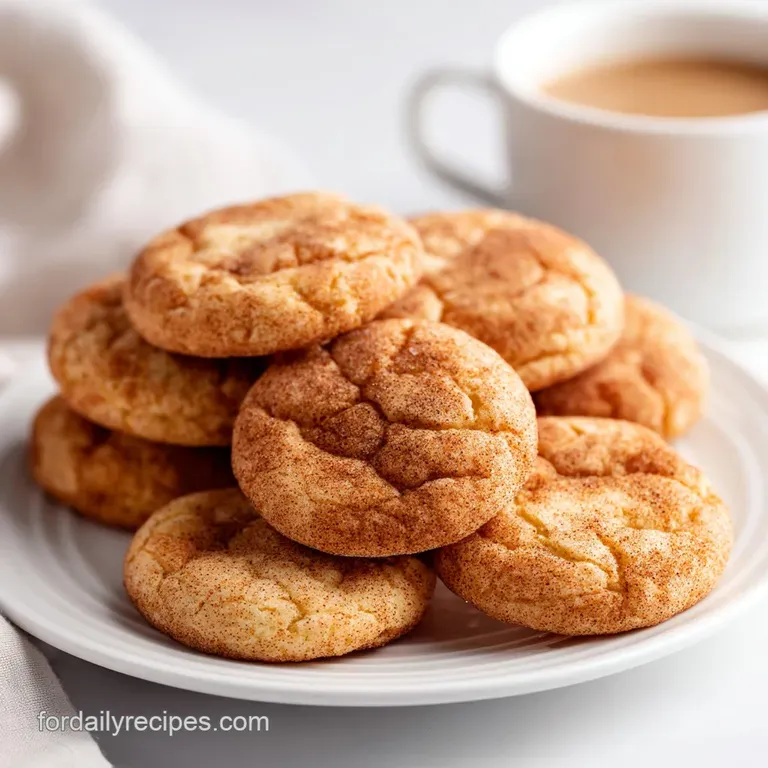
- Capturing the Essence of the Classic Snickerdoodle Cookie
- The Science Behind the Softness and Tang: Why This Recipe Succeeds
- Essential Pantry Staples for Your Chewy Snickerdoodles
- Rolling, Chilling, and Baking: Mastering the Snickerdoodle Method
- Expert Tips for Troubleshooting and Achieving the Perfect Bake
- Extending Freshness: Storage and Freezing Instructions
- Delicious Pairings: What to Serve with Your Tangy Snickerdoodle Cookies
- Recipe FAQs
- 📝 Recipe Card
Capturing the Essence of the Classic Snickerdoodle Cookie
The moment you pull a batch of Snickerdoodle Cookies from the oven, your whole house transforms. That sweet, spicy cloud of buttery cinnamon is instantly recognizable, right? It’s the aroma of comfort and genuine, unadulterated baking joy.
We are talking about soft, pillowy centers that contrast perfectly with the delicate, cracked cinnamon sugar crust the true mark of a perfect Snickerdoodle.
This isn't just another cookie recipe you found online. This version is my tried and true kitchen lifesaver, developed after many flat, sad batches. It’s incredibly fast, super satisfying to make, and relies on pantry basics, making it the perfect dessert when you realize, oops, guests are arriving in an hour.
Forget complicated pastries; these truly easy Snickerdoodle Cookies are inexpensive, simple, and universally adored by kids and adults alike.
I promise you, if you follow my simple steps especially the ones about the magic ingredient, cream of tartar you will achieve bakery quality results every single time. Stop settling for dry, flavorless circles. Let's make the best Snickerdoodle Cookie Recipe you’ve ever tasted.
The Science Behind the Softness and Tang: Why This Recipe Succeeds
The secret to a truly great Snickerdoodle isn’t just about butter and sugar, although those help. It’s all about chemistry and temperature management. Many recipes fail because they treat this like a standard drop cookie, but the unique structure of the Snickerdoodle Cookies requires special attention to leavening and dough consistency.
Defining the 'Crinkle Cut' Texture: What Makes a Snickerdoodle Unique?
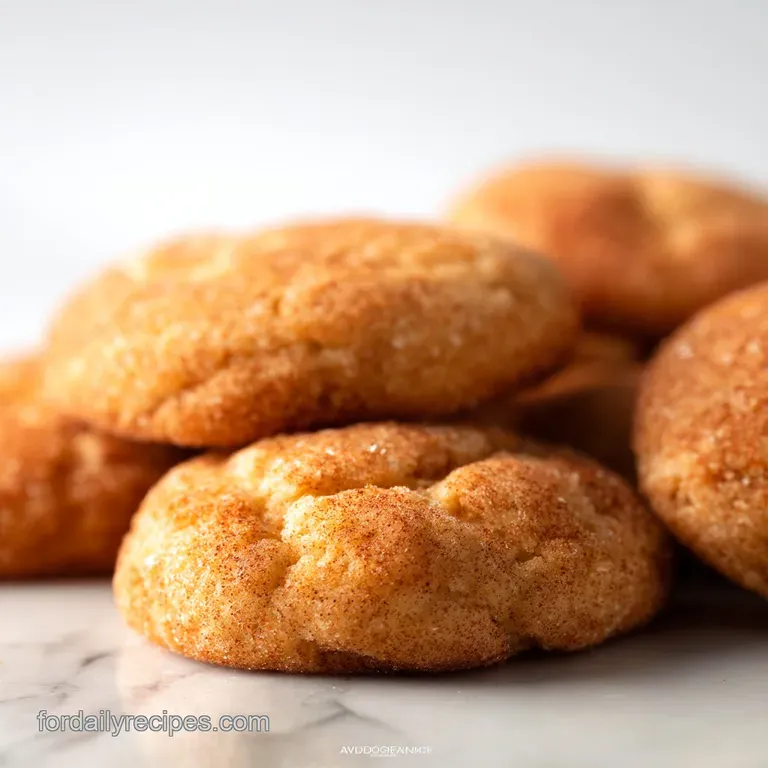
That gorgeous, crackly, crinkle cut texture is essential; if you don't see it, you haven't made a Snickerdoodle. This texture happens because the dough spreads rapidly in the hot oven, but the outer coating of cinnamon sugar creates friction and slows that spread just enough.
The combination of baking soda and cream of tartar creates carbon dioxide quickly, puffing up the cookie right before it collapses slightly, resulting in those signature fissures. The beauty of these Soft Snickerdoodle Cookies is entirely in their appearance and, of course, their spectacular chew.
Ease and Accessibility: Perfect for Beginner and Expert Bakers
Listen, I once messed up a simple loaf cake so badly it looked like a volcanic rock, so I appreciate reliability. This recipe for Snickerdoodle Cookies is designed to be forgiving, provided you follow the one crucial rule: DO NOT OVERBAKE .
The mixing process is straightforward standard creaming method but the results look fancy enough to take to a holiday party. If you are new to baking, this is the perfect project to boost your confidence.
The Secret Ingredient: Cream of Tartar and Its Role in Structure
Let's talk about the absolute MVP of Snickerdoodle Cookies : cream of tartar. It’s a dry, acidic powder, technically a byproduct of winemaking, and it performs two essential functions here.
First, the acidity reacts rapidly with the baking soda, giving the cookies a huge puff before they set. Second, and most importantly, it imparts that unmistakable, subtle sour tang that separates a classic Snickerdoodle from just a regular cinnamon sugar cookie.
You simply cannot achieve the signature flavor of the best Snickerdoodle Recipe without it.
Achieving the Signature Cinnamon Sugar Crust
The coating is non-negotiable, so please don't skimp on the thickness of the coating layer. We are using a 2:1 ratio of sugar to cinnamon, which is stronger than many recipes, but trust me, that extra cinnamon is key to the overall flavor balance.
When you roll the dough balls, make sure they are thoroughly covered; think full coverage, like a heavy winter coat. This extra coating caramelizes slightly during baking, setting up the perfect crisp boundary for the gooey center of the Snickerdoodle Cookies.
Butter Temperature and the Ultimate Chew Factor
I insist on using softened, room temperature butter —but not melted butter to start these Chewy Snickerdoodle Cookies. Why? When you cream soft butter with granulated sugar, you are whipping air into the mixture, which creates microscopic pockets.
These pockets are what lift the cookie and provide that wonderfully soft crumb. If your butter is too cold, the air incorporation is poor, leading to dense cookies. If it’s melted, the cookies will spread into oblivion before they can set. Getting that butter right is half the battle.
Essential Pantry Staples for Your Chewy Snickerdoodles
Before you crack on, let’s ensure you have the right components. Baking is precise, so measure your flour properly spoon it into the cup, then level it off. Trust me, I learned this the hard way after making bricks instead of cookies for years.
This Snickerdoodle Cookies Recipe relies on standard pantry items, but the quality of the leavening agent is critical.
Detailed Ingredient List and Precise Measurements
I know you likely skipped to the recipe card already, but just a quick note: use large, room temperature eggs. Cold eggs shock the creamed butter mixture, forcing the air out, and nobody wants flat Snickerdoodles.
Why Use Cream of Tartar vs. Baking Powder?
This is a classic baking question! Baking powder is baking soda plus an acid (like cream of tartar). So, why not just use baking powder? Because standard baking powder often doesn't contain enough acid to give the Snickerdoodle Cookies their necessary sour tang.
We want control over the rise and the flavor, so using separate cream of tartar and baking soda is the only way to get the proper, classic Snickerdoodles Recipe texture and flavor profile.
Simple Swaps: Butter Alternatives and Flour Notes
Life happens, and sometimes you're missing that one key ingredient. Here are a few reliable substitutions I’ve tested myself because you should never abandon the mission to make Snickerdoodle Cookies just because you’re out of butter!
| Ingredient Missing | Reliable Swap (Tested) | Notes on Texture/Flavor |
|---|---|---|
| Unsalted Butter | Salted butter + Omit the ½ tsp salt in the recipe | Good swap; might need a slightly longer chill. |
| All-Purpose Flour | 1:1 gluten-free Baking Blend (with xanthan gum) | Texture will be slightly gummier; ensure proper chilling. |
| Cream of Tartar | 2 teaspoons of Baking Powder (in place of CoT + Baking Soda) | Cookies will lack the signature tang and be slightly cakier. |
| Vanilla Extract | Almond Extract (start with half the amount) | Adds a lovely marzipan flavor, great for a holiday twist. |
Crafting the Perfect Cinnamon Sugar Blend
Don't just eyeball this, friend. Use a shallow bowl or plate, and really whisk the granulated sugar and ground cinnamon together until the color is uniform. Remember, this coating is what gives the Easy Snickerdoodle Cookies their fantastic crinkle effect and most of their aroma.
I once tried using powdered sugar for the coating, thinking it would look cute, but it just disappeared into the dough, yielding a very sad, uncrinkled result. Stick to granulated sugar here.
Rolling, Chilling, and Baking: Mastering the Snickerdoodle Method
This is where the magic happens, but also where mistakes are often made. Precision here means the difference between dense pucks and beautifully cracked, soft cookies. Take your time, especially in the creaming phase. Making Snickerdoodle Cookies should feel like a meditation.
Phase One: Creaming Butter and Sugar to Perfection
The creaming step is foundational for airy, Soft Snickerdoodle Cookies . Your butter and sugar should be beaten on medium high speed for a full 3 to 4 minutes.
It's done when the mixture is noticeably lighter in color, almost pale white or very light yellow, and super fluffy. If you stop too early, your cookies will be flat.
The Critical Chilling Step for Dough Stabilization
I know, I know. Waiting is torture when you want Chewy Snickerdoodle Cookies now . But please, do not skip the chill time. Chilling for at least 30 minutes solidifies the butter, which prevents the cookies from spreading too quickly when they hit the hot oven.
If you skip this, they will melt immediately and you’ll end up with thin, crispy wafers instead of soft, fluffy dough centers.
How to Roll and Coat Dough Balls for Maximum Crinkle
Use a cookie scoop to ensure every ball is exactly the same size. Uniformity is key for even baking! Once scooped, roll the dough ball quickly between your palms just enough to smooth the surface, but don’t overwork it. Then, immediately drop it into the cinnamon sugar blend.
Roll it around aggressively until every surface is coated. Placing these coated beauties on the sheet is the final step before baking these fantastic Snickerdoodle Cookies.
Oven Time: Recognizing the Perfect Golden Edges
Your oven might lie to you. Use an external thermometer if you can, because accuracy matters here. Bake the Snickerdoodle Cookies at 375°F (190°C) for 10 to 12 minutes.
The cookies are ready when the edges look set and very lightly golden, but the center still looks puffy, soft, and maybe even a touch underbaked. This is the moment to pull them! They will continue to cook and set on the baking sheet for the next five minutes, which is exactly how we get that gorgeous chewy center.
Expert Tips for Troubleshooting and Achieving the Perfect Bake
Listen to a veteran baker who has seen it all: baking is just a series of controlled failures that eventually turn into success. Here are the most common traps people fall into when making the best Snickerdoodle Recipe.
Preventing Flat Cookies: Temperature Management and Dough Density
The main reason for flat cookies is the butter melting before the structure sets. If your butter was too soft initially, if your oven is too cool, or if your dough wasn't chilled, you will get flatter cookies.
If your dough seems too sticky or warm, put it back in the fridge for 20 minutes. It's better to wait a little longer than to waste a whole batch.
If you are struggling with spread, try substituting a tablespoon of flour for the vanilla extract it sounds wild, but it adds just enough structure.
My Cookies Are Too Cakey: Adjusting the Leavening Agents
If your cookies feel like tiny little cakes instead of chewy goodness, you likely used too much flour or too much leavening agent. Remember, we need the tang of the cream of tartar, not just the rise. Cakey cookies happen when the structure is too stiff to collapse slightly in the middle.
Make sure you measured your flour correctly, and avoid packing it down. For more tips on achieving the perfect chew, check out my approach to Chewy Chocolate Chip Cookies: The Ultimate Chewy Bakery Style Recipe for structural comparison!
Quick Fixes for a Dry Dough Mix
Did your dough turn out crumbly instead of moist? You probably added too much flour a common issue if you measured straight from the bag. To fix it, add the remaining egg white from a third egg, or simply stir in 1 to 2 teaspoons of whole milk or heavy cream until the dough comes together.
Do not overmix after adding the liquid. Just get it incorporated enough so you can roll the dough balls for the Easy Snickerdoodle Cookies.
Chef's Note: For the ultimate soft texture, remove the cookies from the oven when they look slightly "underdone." The residual heat from the pan will finish the cooking process perfectly, ensuring they remain chewy, not crisp.
Extending Freshness: Storage and Freezing Instructions
Baking a large batch of Snickerdoodle Cookies is the smart way to go. Trust me, these disappear fast. Luckily, they store beautifully in a couple of different ways, meaning you can always have a fresh supply ready for unexpected visitors or late night cravings.
Best Practices for Keeping Baked Cookies Soft
Once the baked cookies have cooled completely on the wire rack, store them in an airtight container at room temperature. A little trick I learned: put half a slice of plain white bread inside the container with the cookies.
The cookies absorb the moisture from the bread, keeping them soft for longer usually up to 5 days!
Preparing make-ahead Snickerdoodle Dough for the Freezer
This is my favorite trick. Portion the dough into balls, roll them thoroughly in the cinnamon sugar coating, and then arrange them on a sheet tray lined with parchment paper. Pop the tray into the freezer until the balls are completely solid (about 2 hours). Transfer the solid dough balls to a freezer safe zip-top bag. They will keep well for up to 3 months. When you want fresh Snickerdoodles Recipe cookies, bake them straight from frozen, adding 3– 4 minutes to the original bake time. This is also how I prep my dough for the classic Peanut Butter Cookies: The Proper Criss Cross Classic Recipe .
Delicious Pairings: What to Serve with Your Tangy Snickerdoodle Cookies
These aren't cookies that demand complicated side dishes; they shine best when paired with simple, comforting beverages. The tang and spice in the Snickerdoodle Cookies make them incredibly versatile for dipping or serving alongside richer desserts.
Beverage Recommendations: Coffee, Tea, and Milk Pairings
A glass of ice-cold whole milk is the traditional and perfect accompaniment to any sweet, buttery cookie. However, if you want something a bit more sophisticated, try pairing these Chewy Snickerdoodle Cookies with a piping hot mug of strong black coffee, or even a creamy café au lait. The spiced notes also work wonderfully with a mild herbal tea think chamomile or even a spiced black tea blend. They are also incredibly popular when served as part of a snack basket alongside my Lactation Cookies: Chewy Oatmeal Recipe for Maximum Milk Supply — a truly perfect dessert gifts cookies assortment. Enjoy every tangy, sweet bite of these flawless Snickerdoodle Cookies!

Recipe FAQs
What is the purpose of cream of tartar, and can I omit it?
Cream of tartar is essential for the classic snickerdoodle taste and texture; it provides the signature tangy flavor and reacts with baking soda to create the chewy, crinkly structure.
If you must substitute, use 2 teaspoons of white vinegar or lemon juice mixed with 1 teaspoon of baking soda, but be aware the unique tang will be diminished.
Why are my Snickerdoodles coming out flat and greasy?
This usually happens because the butter was too warm when creaming, or the dough was not sufficiently chilled. Ensure your butter is firm yet pliable (room temperature, but not soft enough to look greasy), and always chill the dough for at least 30 minutes before baking to help them hold their height.
How can I make this recipe gluten-free or dairy-free?
For gluten-free Snickerdoodles, substitute the all-purpose flour with a high-quality 1:1 gluten-free baking blend that contains xanthan gum. To make the recipe dairy-free, replace the butter with a solid plant based butter alternative that boasts a high fat content for the best chewy texture.
My Snickerdoodles are crumbly and dry what went wrong?
You likely over measured the flour or overbaked the cookies. Ensure you use the spoon and-level method for measuring flour, and remember that Snickerdoodles should look slightly underdone and pale in the center when they are removed from the oven, as they continue to cook on the baking sheet.
Can I freeze the raw cookie dough balls for later baking?
Yes, freezing the dough is an excellent method for meal prep. Roll the balls, coat them thoroughly in the cinnamon sugar mixture, and flash freeze them on a tray; once solid, transfer them to an airtight freezer bag for up to three months.
When ready to bake, place them directly onto the baking sheet and add 1-2 minutes to the standard bake time.
How should I store baked Snickerdoodles to keep them chewy?
Store baked cookies in an airtight container at room temperature for up to five days. To prevent them from drying out, a classic chef trick is to place half a slice of plain white sandwich bread inside the container; the cookies will absorb the moisture from the bread instead of losing their own.
Is it possible to skip the chilling time for the dough?
While technically possible, skipping the chill time is highly discouraged, especially in a warmer kitchen. Chilling the dough solidifies the fat, which significantly prevents spreading during baking, resulting in that crucial puffy, chewy center and crinkled edge.
Even 15 minutes of chilling will drastically improve the outcome.
Chewy Snickerdoodle Cookies Recipe
Ingredients:
Instructions:
Nutrition Facts:
| Calories | 101 kcal |
|---|---|
| Protein | 1.0 g |
| Fat | 4.0 g |
| Carbs | 5.0 g |
