Cheesy Hashbrown Casserole: Heritage Style
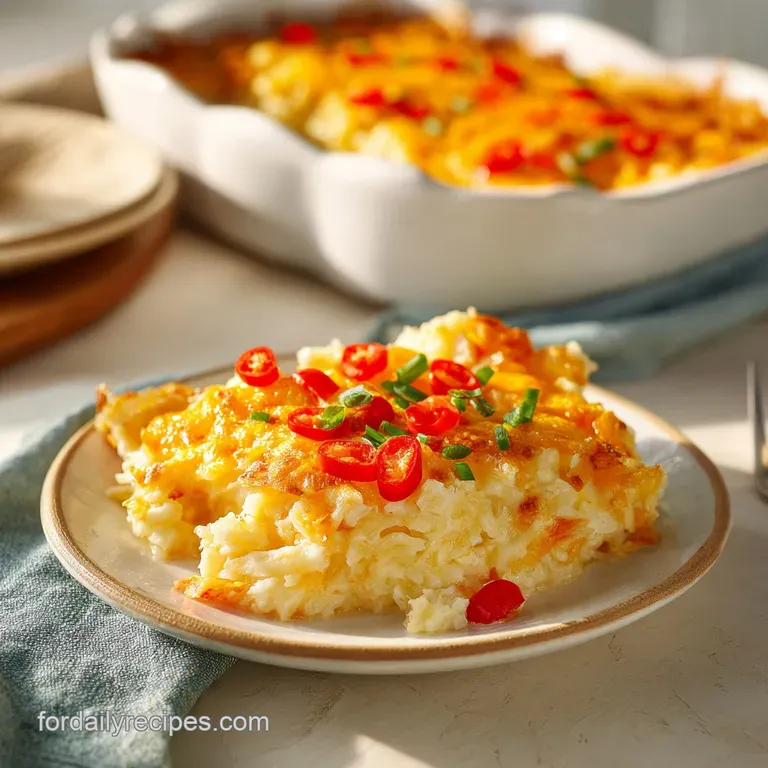
- Time: Active 15 minutes, Passive 45 minutes, Total 60 mins
- Flavor/Texture Hook: A buttery, bubbling surface with a creamy, onion scented center.
- Perfect for: Holiday brunches, Sunday family dinners, or potluck celebrations.
- How To Craft The Best Cheesy Hashbrown Casserole
- Essential Specifications For Achieving The Best Flavor
- Sourcing Your Elements For A Traditional Casserole
- Necessary Kitchen Tools For A Flawless Bake
- Step By Step Guide To A Heritage Dish
- Addressing Common Texture And Moisture Issues
- Adapting The Recipe For Different Dietary Needs
- Preserving Your Leftovers For The Next Morning
- Perfect Pairings For Your Time Honored Casserole
- Debunking Common Kitchen Myths About Frozen Potatoes
- Adjusting The Portions For Large Family Gatherings
- Recipe FAQs
- 📝 Recipe Card
How To Craft The Best Cheesy Hashbrown Casserole
The air in my grandmother's kitchen always had a specific weight to it on Sunday mornings, a heavy, sweet perfume of percolating coffee mixed with the sharp, pungent bite of onions softening in butter.
I remember standing on a rickety wooden stool, watching her hands move with a rhythmic grace as she folded mounds of white potato shreds into a thick, pale yellow sauce. The sound was unmistakable a soft, rhythmic squelch that promised something incredibly rich was about to happen.
When that 9x13 pan finally emerged from the oven, the sizzle of the bubbling Colby cheese around the edges was like a siren song for the whole family, signaling that it was finally time to gather.
This recipe is more than just a side dish; it is a piece of heritage that has sat on our table for generations. Whether it was nestled next to a pile of fluffy biscuits or serving as the base for a holiday ham, the aroma of toasted cheese and savory cream always felt like a warm embrace.
It’s the kind of dish that makes people quiet down and focus on the comfort of the moment. We aren’t just making potatoes here; we are recreating a memory of slow mornings and the simple joy of sharing a meal that feels like home.
You might have seen versions of this as a copycat cracker barrel cheesy hashbrown casserole, and there is a good reason why that specific flavor profile has become a legend. It balances the tang of full fat sour cream with the mellow, buttery melt of Colby cheese.
But the real magic lies in the texture avoiding the dreaded sogginess that ruins so many potato dishes. I’ve spent years making this for every imaginable occasion, from somber funeral luncheons to the rowdiest Christmas breakfasts, and I’ve learned that the details are what turn a basic bake into a time honored classic.
Essential Specifications For Achieving The Best Flavor
Before we get our hands messy, we need to understand why these specific components interact the way they do. This isn't just about mixing things in a bowl; it’s about managing moisture and fat to ensure the potato shreds stay distinct rather than turning into a gummy mash.
- Moisture Management: Thawing and wringing out the hashbrowns removes excess water, which prevents the "steam effect" that makes casseroles soggy.
- Emulsion Stability: Whisking the sour cream, melted butter, and condensed soup together before adding the potatoes creates a stable binder that won't break or become oily under heat.
- Fat Distribution: Using full fat sour cream and freshly grated cheese ensures a velvety mouthfeel that low-fat alternatives simply cannot replicate.
- Flavor Depth: The sulfur compounds in the minced yellow onion mellow out during the 45 minutes of baking, providing a subtle sweetness that balances the salty soup base.
| Servings | Ingredient Adjustments | Pan Size | Cook Time |
|---|---|---|---|
| 5 people | 15 oz hashbrowns, 0.25 cup butter | 8x8 inch square | 35 minutes |
| 10 people | 30 oz hashbrowns, 0.5 cup butter | 9x13 inch rectangular | 45 minutes |
| 20 people | 60 oz hashbrowns, 1 cup butter | Two 9x13 pans | 50 minutes |
When you are preparing this for a larger crowd, it is tempting to just pile everything into a deeper dish, but I strongly advise against it. The surface area of a 9x13 pan is calculated to give you the highest ratio of crispy, bubbling edges to creamy center.
If you go too deep, the middle will struggle to set before the top burns. If you're doubling the recipe for a big family reunion, stick to two separate pans to ensure every guest gets those coveted golden brown corners.
Sourcing Your Elements For A Traditional Casserole
Choosing the right ingredients for your cheesy hashbrown casserole is the difference between a mediocre meal and one that people talk about for weeks. I always reach for the frozen shredded variety rather than the cubed ones because the increased surface area of the shreds allows the creamy sauce to cling to every single piece, creating a more cohesive bite.
| Component | Science Role | Pro Secret |
|---|---|---|
| Shredded Hashbrowns | Provides the starch structure for the casserole. | Wring them in a lint free towel until no more water drips out. |
| Colby Cheese | A high moisture cheese that melts smoothly without oiling off. | Grate it yourself from a block; pre shredded cheese is coated in starch that prevents a perfect melt. |
| Sour Cream | Adds acidity to cut through the heavy fats of the soup and butter. | Use full fat for a silky texture that doesn't curdle at high temperatures. |
- 30 oz frozen shredded hashbrowns: Make sure they are fully thawed. Why this? Thawed potatoes absorb the seasoning and binder much more evenly than frozen ones.
- 0.5 cup unsalted butter: Melted and cooled slightly. Why this? Butter provides the fat needed to "fry" the potatoes slightly while they bake.
- 10.5 oz condensed cream of chicken soup: The backbone of the savory flavor. Why this? It acts as a pre thickened gravy that holds the structure together.
- 16 oz full fat sour cream: For that signature tang. Why this? The acidity balances the richness of the cheese and butter.
- 0.5 cup yellow onion: Mince this as finely as you can. Why this? Large chunks of onion won't soften in 45 minutes, but a fine mince will melt into the sauce.
- 2 cups Colby cheese: Freshly grated is a non negotiable requirement. Why this? Colby is milder and wetter than cheddar, leading to a superior melt.
- 1 tsp sea salt: To sharpen all the other flavors.
- 0.5 tsp freshly cracked black pepper: Provides a subtle floral heat.
- 0.25 tsp garlic powder: Adds an underlying earthy depth.
Necessary Kitchen Tools For A Flawless Bake
While this is a straightforward dish, having the right gear makes the process much smoother. You’ll want a large stainless steel mixing bowl one that gives you plenty of room to fold the potatoes without sloshing sauce over the sides.
A silicone spatula is also your best friend here; its flexibility allows you to scrape every bit of the savory emulsion from the sides of the bowl so that no flavor is wasted.
The baking dish choice actually matters more than you might think. I prefer a ceramic or glass 9x13 inch dish. These materials hold heat evenly, which is vital for getting the bottom of the hashbrown casserole to cook at the same rate as the top.
If you use a thin metal pan, you might find the bottom browning too quickly while the center remains cool. Also, grab a clean, lint free kitchen towel or a few layers of heavy duty cheesecloth.
You’ll need this to wring the moisture out of the potatoes a step I once skipped and lived to regret when I served a "potato soup" instead of a casserole.
Chef Tip: Freeze your block of Colby cheese for about 10 minutes before grating. It firms up the fats just enough so the cheese doesn't turn into a soft mush against the grater, giving you clean, beautiful shreds that will melt into a perfect lattice.
step-by-step Guide To A Heritage Dish
- Preheat your oven to 350°F (175°C). Ensure your frozen hashbrowns are completely thawed, then bundle them into a clean kitchen towel and wring them with all your might. Note: You'll be surprised how much water comes out; this is the key to a crispy texture.
- In your large mixing bowl, whisk together the melted butter, cream of chicken soup, sour cream, finely minced onion, sea salt, black pepper, and garlic powder. Whisk until the mixture looks like a smooth, pale yellow emulsion.
- Add 1.5 cups of the freshly grated Colby cheese into the creamy mixture. Keep the remaining 0.5 cup aside for the final topping.
- Gently fold the dried hashbrowns into the binder using your silicone spatula. Work from the bottom up until every single shred is glistening with the sauce.
- Transfer the mixture into your 9x13 inch baking dish. Use the back of the spatula to spread it evenly into the corners, but don't pack it down too hard; we want some air pockets for heat to circulate.
- Sprinkle that reserved 0.5 cup of cheese over the top in an even layer.
- Place the dish on the center rack of the oven.
- Bake for 45 minutes. You are looking for the moment the top becomes a deep golden brown and the edges are aggressively bubbling.
- Remove from the oven and let it stand for 5 minutes. This allows the starches to set so you get a clean scoop rather than a puddle.
If you are a fan of variety, you can occasionally swap out the side dish for something like this Green Bean Casserole during the holidays, but for a true comfort meal, these potatoes are the undisputed champion.
Addressing Common Texture And Moisture Issues
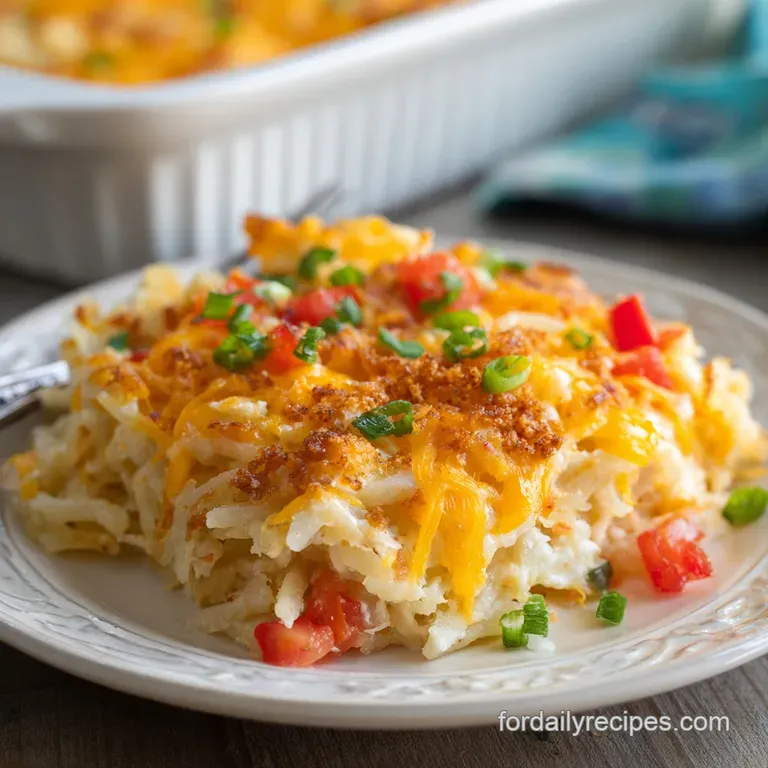
The most frequent heartbreak with a barrel cheesy hashbrown casserole is a texture that feels "soupy" or a flavor that seems flat. Usually, this comes down to the potato prep. If those hashbrowns aren't bone dry when they hit the sauce, they will release their internal water as they cook, thinning out your beautiful emulsion.
Why Your Casserole Is Soggy
If you cut into the dish and find a pool of liquid at the bottom, it's almost always a moisture issue. Either the potatoes weren't dried properly, or the onion was too large and released its juice during the bake.
To fix this, you can try baking it for an extra 10 minutes uncovered, but the best cure is prevention.
| Problem | Root Cause | Solution |
|---|---|---|
| Greasy Surface | Cheese was pre shredded or too much butter. | Use block cheese and measure butter precisely. |
| Bland Flavor | Not enough salt or low-fat ingredients used. | Use full fat sour cream and don't skip the sea salt. |
| Crunchy Potatoes | Oven temp was too high or potatoes weren't thawed. | Ensure 350°F temp and full thaw before mixing. |
Common Mistakes Checklist
- ✓ Always pat the hashbrowns dry with a towel (don't just use paper towels, they disintegrate).
- ✓ Avoid pre shredded cheese; the cellulose coating prevents a velvety melt.
- ✓ Don't skip the onion; even if you aren't an onion fan, it's the aromatic base of the dish.
- ✓ Let the casserole rest for at least 5 minutes before serving to let the sauce thicken.
- ✓ Preheat the oven fully; putting the dish in a cold oven results in uneven cooking.
Adapting The Recipe For Different Dietary Needs
Sometimes we need to tweak the classics to make sure everyone at the table can enjoy a scoop of cracker barrel cheesy hashbrown casserole. While the traditional version is heavy on dairy and gluten (from the soup), it is surprisingly easy to pivot without losing that essential comfort factor.
| Original Ingredient | Substitute | Why It Works |
|---|---|---|
| Cream of Chicken | gluten-free Mushroom Soup | Thickens similarly without the wheat flour. |
| Colby Cheese | Vegan Cheddar Style Shreds | Provides a similar melt and saltiness for dairy-free. Note: Won't brown quite as deeply. |
| Sour Cream | Plain Greek Yogurt | Adds a similar tang with a protein boost. Note: Result is slightly leaner. |
If you are looking for a more hearty morning meal, you might consider pairing this with a Breakfast Casserole to provide some protein alongside your starch. For a gluten-free adaptation, ensure your condensed soup is specifically labeled as GF, as standard versions use wheat as a thickener.
Preserving Your Leftovers For The Next Morning
One of the best things about this hashbrown casserole recipe is that it arguably tastes even better the next day. The flavors have a chance to marry, and the starch in the potatoes fully stabilizes. I actually find myself making a double batch just to ensure there's enough for "breakfast hash" the following Monday.
- Fridge
- Store in an airtight container for up to 4 days. The cheese will firm up, but it softens beautifully when reheated.
- Freezer
- You can freeze the baked casserole for up to 3 months. Wrap it tightly in plastic wrap and then foil to prevent freezer burn.
- Zero Waste Tip
- If you have leftover scraps of hashbrowns that didn't make it into the pan, fry them up in a skillet with some salt and pepper for a quick cook's snack. If you have leftover cheese, save the rinds to toss into a soup or stock for an extra hit of umami.
Reheating To get that "shatter" back into the crust, avoid the microwave if you can. Reheat a portion in a 350°F (175°C) oven or toaster oven for about 10-15 minutes.
If you are in a rush, the microwave works, but the texture will be much softer.
Perfect Pairings For Your Time Honored Casserole
This dish is a versatile workhorse in the kitchen. For a traditional breakfast, it belongs right next to thick cut bacon, maple glazed sausage, and perhaps a stack of buttermilk biscuits. The creamy texture of the potatoes provides a wonderful contrast to the salty, crispy edges of breakfast meats.
If you're serving this as a dinner side, it pairs spectacularly with roasted chicken or a honey glazed ham. The acidity in the sour cream helps cut through the sweetness of a ham glaze, making every bite feel balanced.
For a simpler weeknight meal, try serving it alongside a crisp green salad with a sharp vinaigrette the fresh greens provide a necessary lift to the richness of the baked cheesy hashbrown casserole.
Debunking Common Kitchen Myths About Frozen Potatoes
There is a long standing myth that fresh potatoes always beat frozen ones in a casserole. In reality, frozen hashbrowns are often superior for this specific application because they have been blanched and flash frozen, which locks in their structure.
Freshly grated potatoes release far too much starch and water, often resulting in a grey, gummy mess unless you spend an hour rinsing and drying them.
Another misconception is that you must cover the casserole with foil while it bakes. Unless your oven runs incredibly hot, baking this uncovered is the only way to achieve that iconic, shattered cheese crust. Covering it traps steam, which leads to the "boiled potato" texture we are trying to avoid.
Trust the process — 45 minutes at 350°F is the sweet spot for a golden exterior and a fully cooked interior.
Adjusting The Portions For Large Family Gatherings
Scaling this recipe is quite simple, though there are a few rules to follow to keep the texture consistent. If you are cutting the recipe in half for a smaller household, use an 8x8 inch square baking dish.
This maintains the thickness of the original 9x13 version, ensuring the cooking time stays roughly the same (though you should start checking for doneness around 35 minutes).
When doubling the recipe, do not be tempted to use one massive, deep hotel pan. The center will take so long to cook that the edges will become dry and tough. Instead, use two standard 9x13 dishes.
This also gives you the added benefit of being able to spice one up (maybe add some jalapeños?) while keeping the other traditional for the kids or less adventurous eaters. For spices and salt, when doubling, only increase them by 1.5x initially, then taste the binder before adding the potatoes; flavors can concentrate more than you'd expect in a larger volume.
| Method | Time | Texture | Best For |
|---|---|---|---|
| Oven (Traditional) | 45 minutes | Crispy top, creamy middle | Holidays and family dinners |
| Stovetop Skillet | 25 minutes | Entirely crispy and fried | Quick weeknight "hash" style |
| Slow Cooker | 4 hours (Low) | Very soft and uniform | Large potlucks with limited oven space |
Whatever method you choose, remember that this easy cheesy hashbrown casserole is all about the feeling it creates. It’s the smell of home, the sound of family, and the taste of a tradition that never goes out of style.
Right then, let's crack on and get those potatoes in the oven you're going to love this.
Recipe FAQs
What kind of cheese is in Cracker Barrel hashbrown casserole?
Colby cheese is the traditional choice. It provides the signature mild, creamy melt that defines the classic flavor profile of this dish.
What does Cracker Barrel put in their hash browns?
They use a savory binder of cream of chicken soup and sour cream. This mixture is combined with melted butter, minced onion, and seasonings to create the dish's hallmark creamy consistency.
Does Cracker Barrel hashbrown casserole have cream of chicken soup in it?
Yes, it is a primary ingredient. The condensed soup acts as the base for the sauce, providing the necessary depth and saltiness that anchors the potato flavor.
What is the best cheese for hash brown casserole?
Freshly grated Colby cheese is highly recommended. Using fresh blocks instead of pre-shredded varieties ensures a much smoother melt and superior flavor.
How to ensure the hashbrowns stay crispy and not mushy?
Wring the thawed hashbrowns thoroughly using a clean kitchen towel before mixing. Removing excess moisture prevents the casserole from becoming soggy during the 45-minute bake time.
Is it true that adding eggs makes the casserole firmer?
No, this is a common misconception. You should only use the listed ingredients like sour cream and cream of chicken soup to create a stable emulsion; if you enjoyed nailing this stable emulsion, you can apply that same whisking technique to other creamy dishes.
How to achieve the perfect golden brown topping?
Reserve 0.5 cup of Colby cheese to sprinkle on top just before baking. This final layer browns deeply while the edges bubble, indicating the dish is fully cooked at 350°F.
Cheesy Hashbrown Casserole

Ingredients:
Instructions:
Nutrition Facts:
| Calories | 352 kcal |
|---|---|
| Protein | 9.2 g |
| Fat | 27.2 g |
| Carbs | 19.5 g |
| Fiber | 1.6 g |
| Sugar | 2.1 g |
| Sodium | 565 mg |
